


Secondary sourceDocument24 July 1974
United States v. Nixon
Supreme Court of the United States · 24 July 1974
The unanimous 1974 Supreme Court ruling ordering Nixon to release Watergate tape recordings, rejecting his claim of executive privilege.
This ruling against Nixon's claim of executive privilege forced release of the Watergate tapes and hastened his downfall.
About this source
What it is
This is the Supreme Court's decision, issued 24 July 1974, in the case brought after Special Prosecutor Leon Jaworski subpoenaed tape recordings and documents held by President Nixon related to the Watergate scandal. Chief Justice Warren Burger wrote the unanimous opinion for the eight participating justices.
Why it matters
The ruling rejected Nixon's claim that executive privilege let him withhold the tapes, forcing their release and accelerating his resignation amid the Watergate scandal. It remains a key precedent limiting presidential power, showing how the judiciary can check even the actions of the president who appointed several of the judges on the case.
Look closer
- Why did the Court rule unanimously even though three justices had been appointed by Nixon himself?
- What does Nixon's lawyer's comparison of the president to a monarch reveal about the arguments being made?
- Why might the tapes' contents have mattered so much to the outcome of the case?
This document is part of the curated material that grounds the AI version of Richard Nixon on Humy.ai — when students ask about related events, the AI can quote it and cite it.
More Richard Nixon sources
Meet the AI Richard Nixon →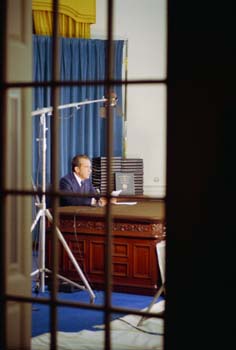 Artifact
Primary source
Nixon White House Tapes
Richard Nixon · 1971-1973
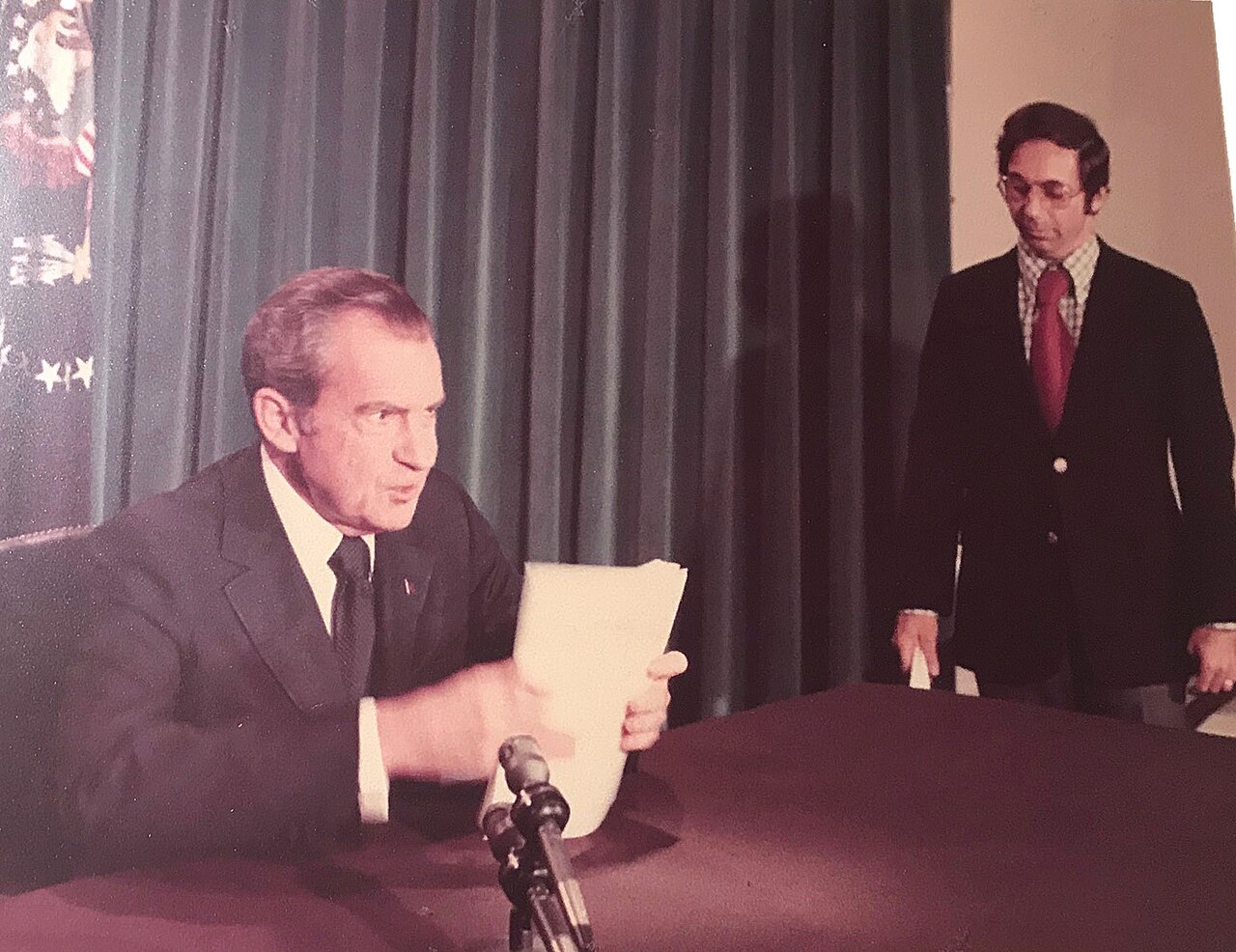 Speech
Primary source
Richard Nixon's Resignation Speech
Richard Nixon · 8 August 1974
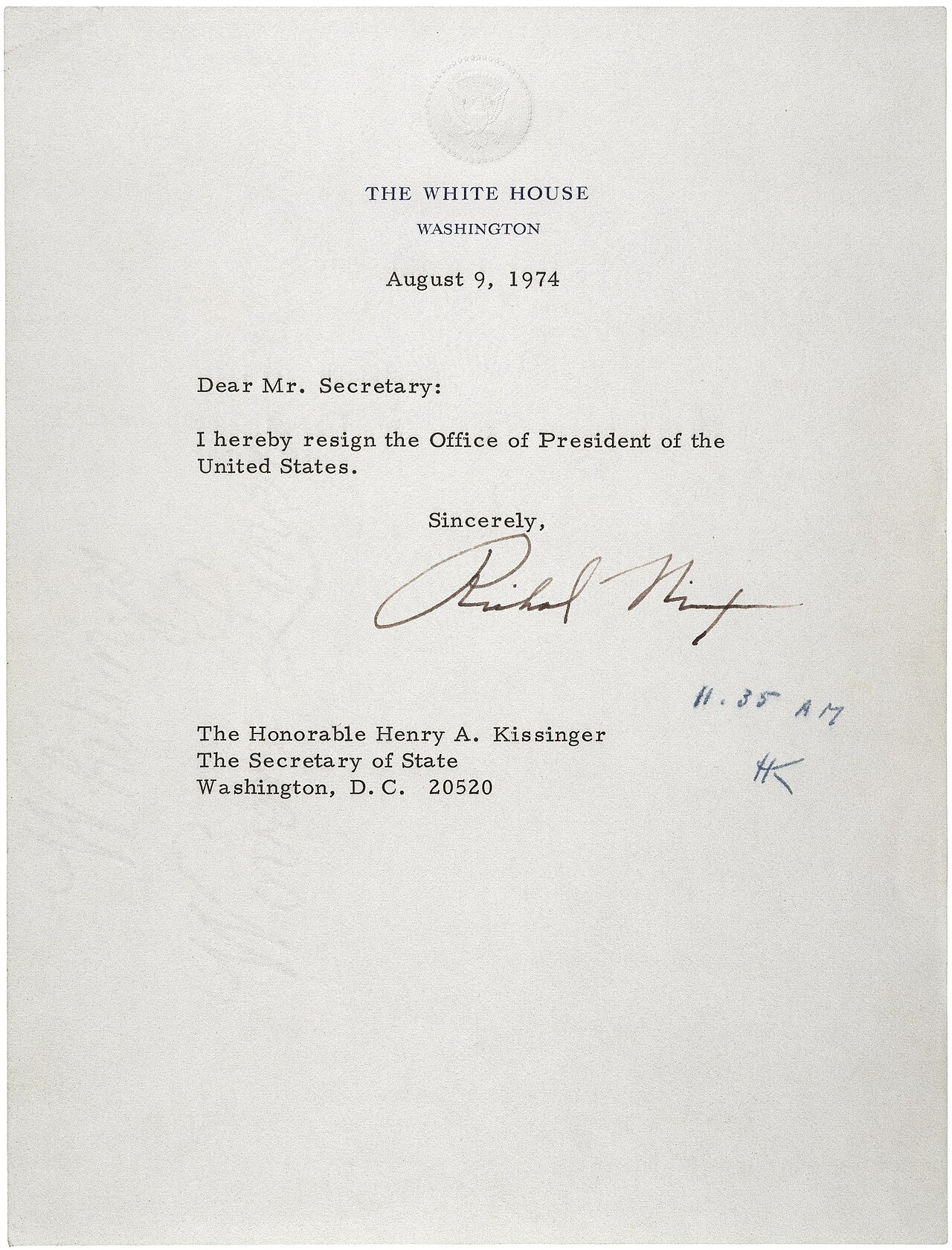 Letter
Primary source
Richard Nixon's Resignation Letter
Richard Nixon · 9 August 1974
Primary source
Silent Majority Speech
Richard Nixon · 3 November 1969
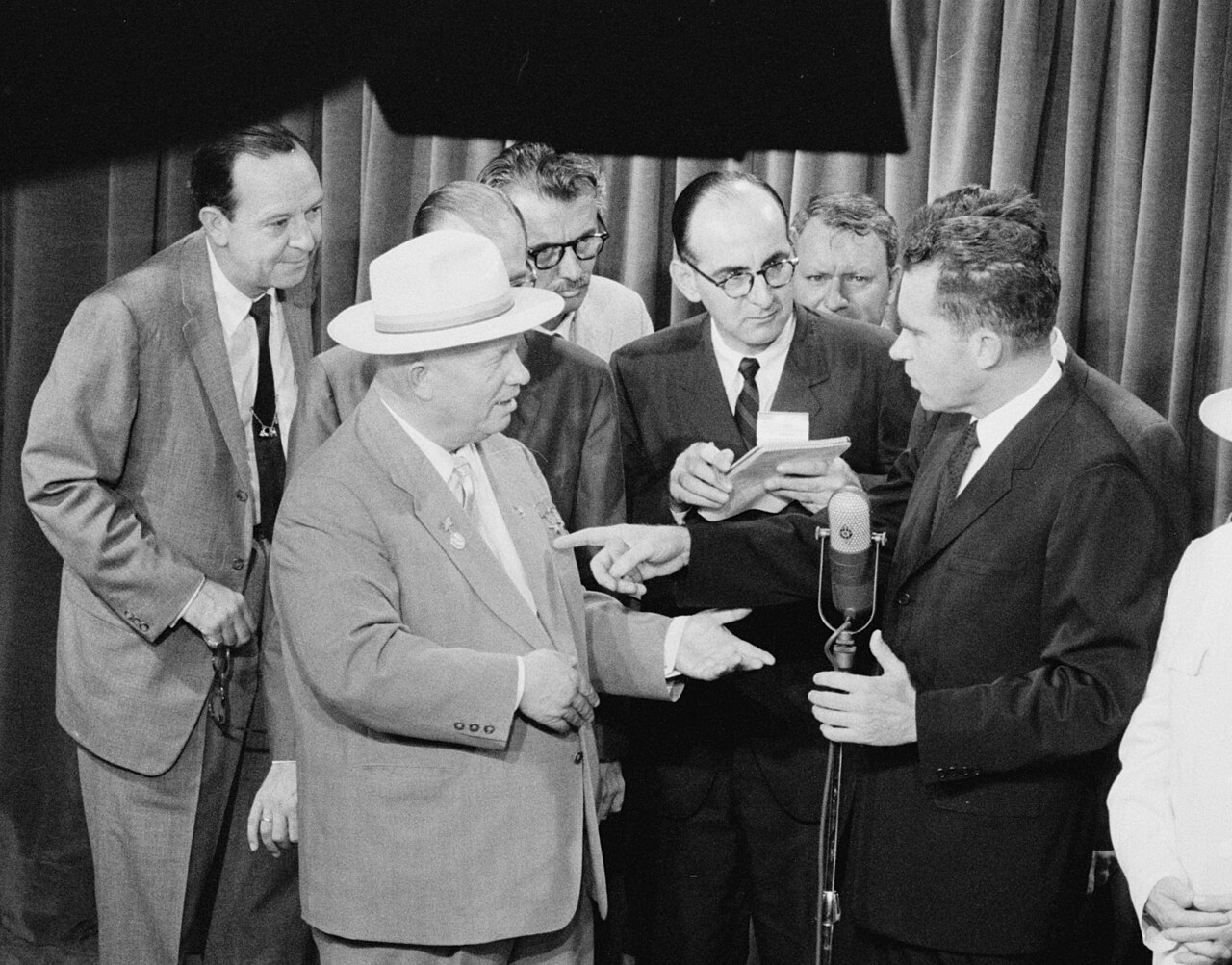 News clip
Primary source
Kitchen Debate
24 July 1959
Ready when you are
Start chatting with Richard Nixon now.
20 messages free · No credit card · Available in 50+ languages.