


Secondary sourceArtifact333 AD (description); statue 2nd century
Upside-Down Antonine Inscription, Temple Mount
Carole Raddato · 333 AD (description); statue 2nd century
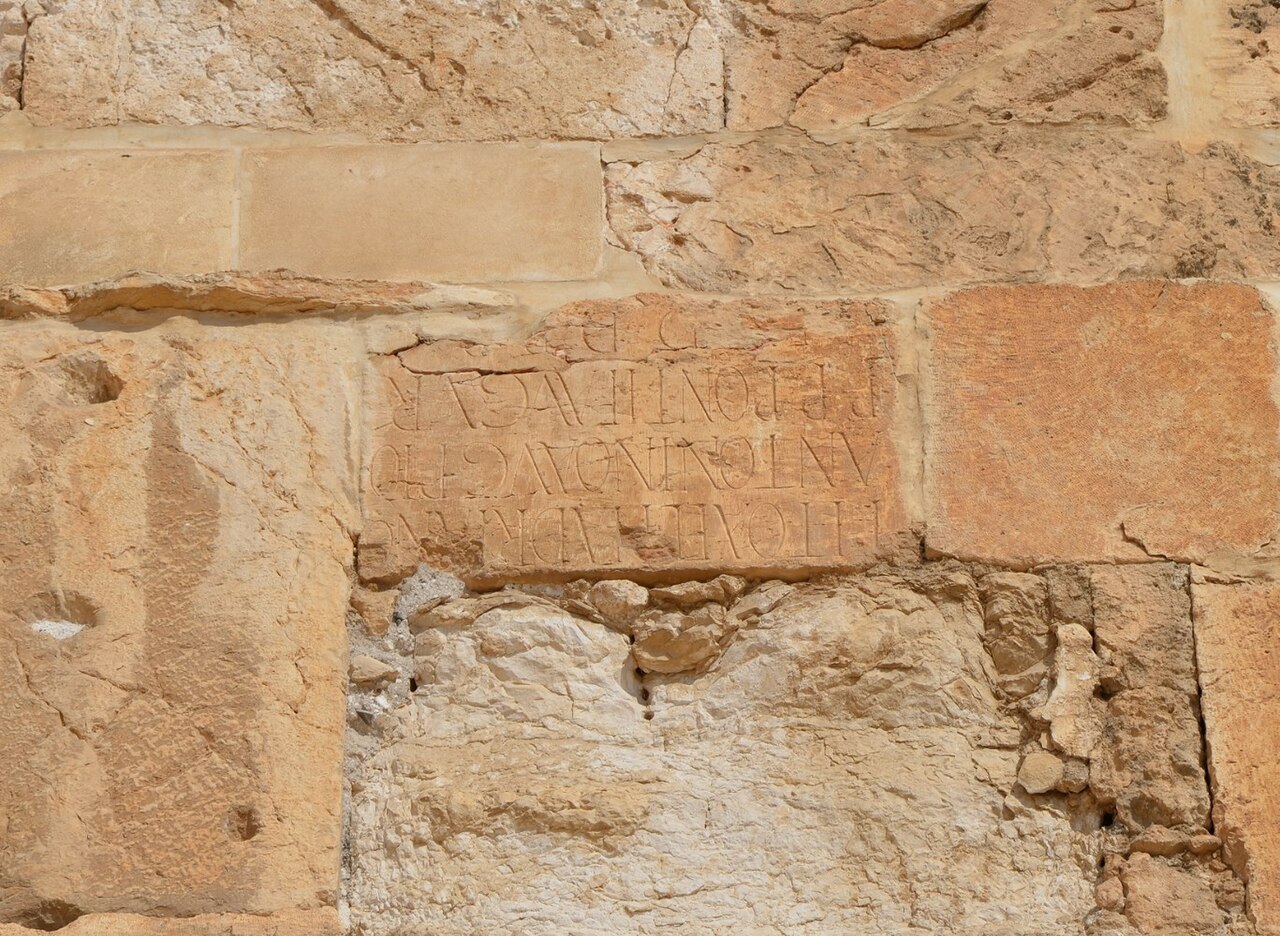
A Latin dedication from a statue of Antoninus Pius once erected on the Temple Mount, now set upside-down in Jerusalem's Southern Wall.
Records a public statue honouring Antoninus Pius in Jerusalem, showing his imperial presence there.
About this source
What it is
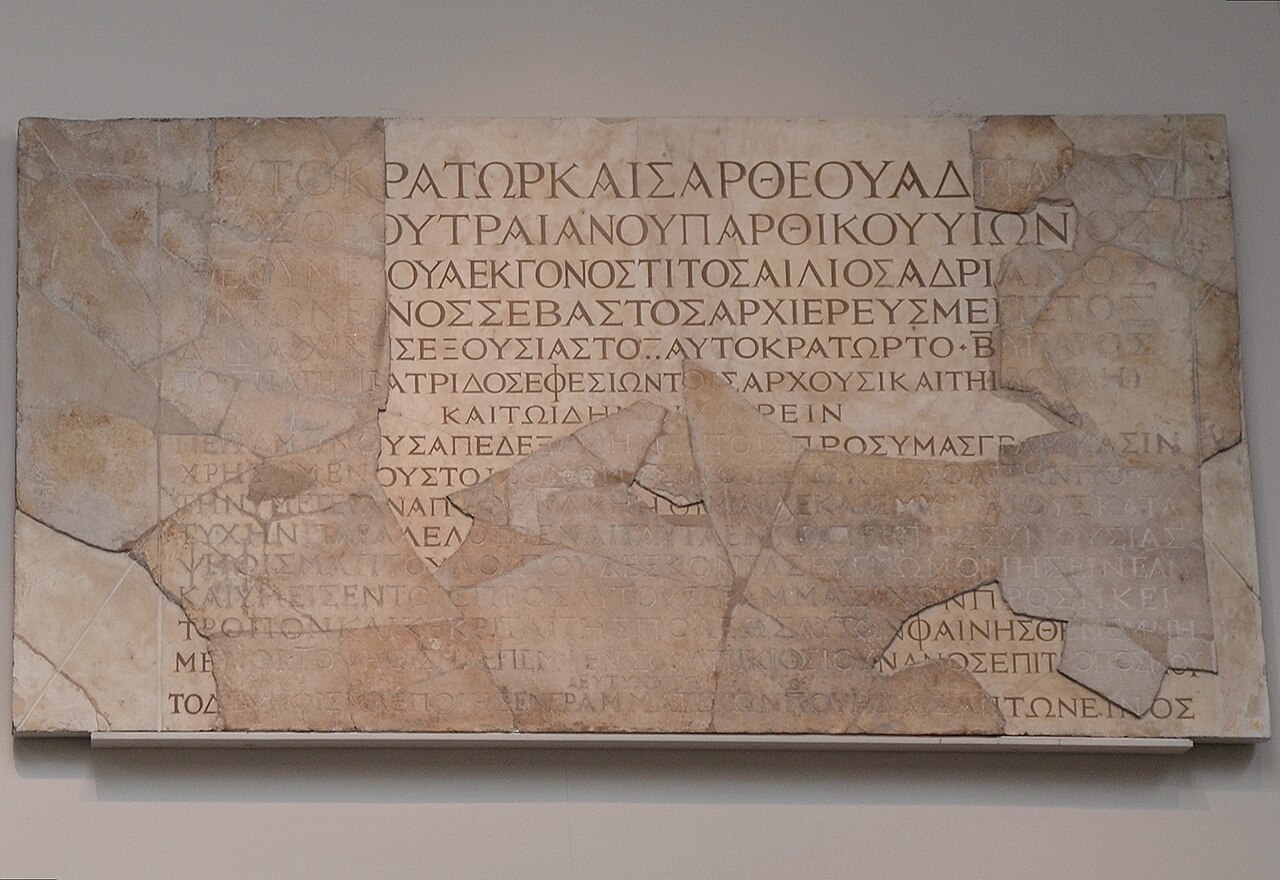
This is a photograph of a carved Latin inscription built upside-down into the Double Gate of the Southern Wall of the Temple Mount in Jerusalem. The inscription once belonged to a statue of Emperor Antoninus Pius, which the traveller known as the Bordeaux Pilgrim recorded seeing there in the year 333.
Why it matters
The text honours Antoninus Pius as "father of his country," a statue paid for and decided on by the city's councillors. It shows Roman imperial power on display in Jerusalem (then renamed Aelia Capitolina) after the city had been rebuilt following Jewish revolt. The stone's reuse, placed upside-down later in construction, shows how later builders repurposed Roman monuments without regard to their original meaning.
Look closer
- Why might the inscription have ended up upside-down?
- What does the wording tell you about who paid for public honours to the emperor?
- What does this tell us about Roman control over Jerusalem at the time?
This artifact is part of the curated material that grounds the AI version of Antoninus Pius on Humy.ai — when students ask about related events, the AI can quote it and cite it.
More Antoninus Pius sources
Browse all 90 →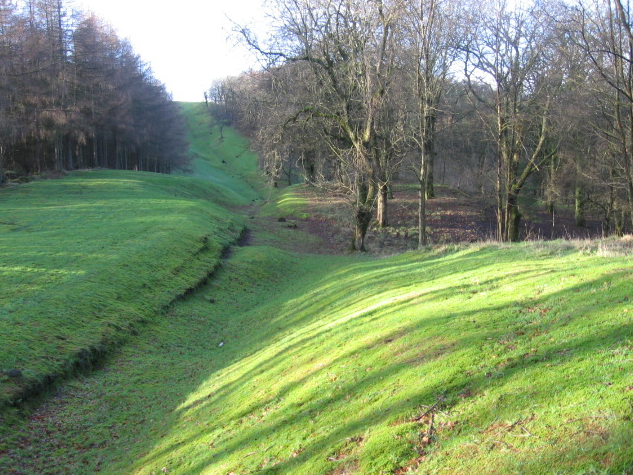 Artifact
Primary source
Antonine Wall
142 CE (begun)
 Artifact
Primary source
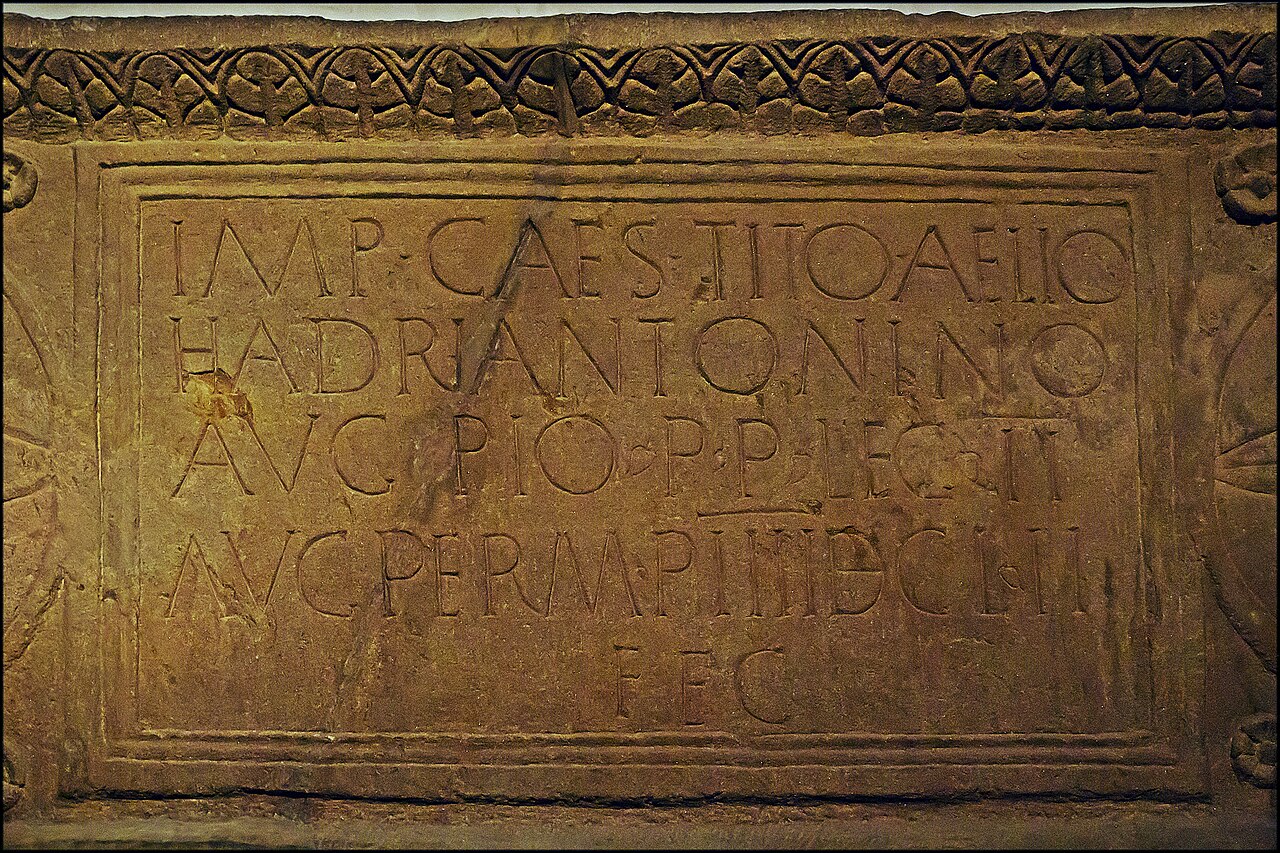
Bridgeness Slab
Legio II Augusta · c. 142 CE
 Sculpture
Primary source
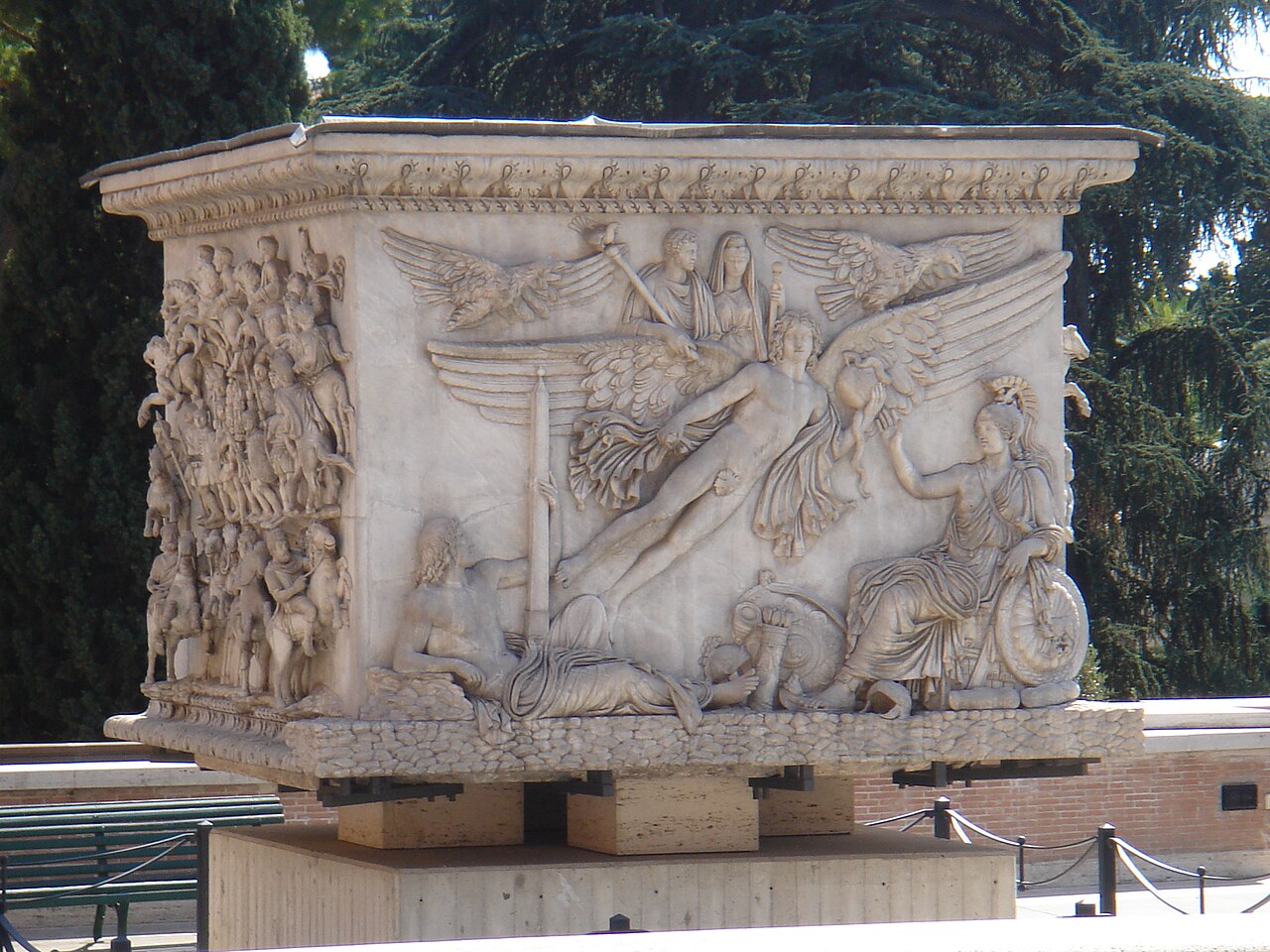
Column of Antoninus Pius
161
 Artifact
Primary source
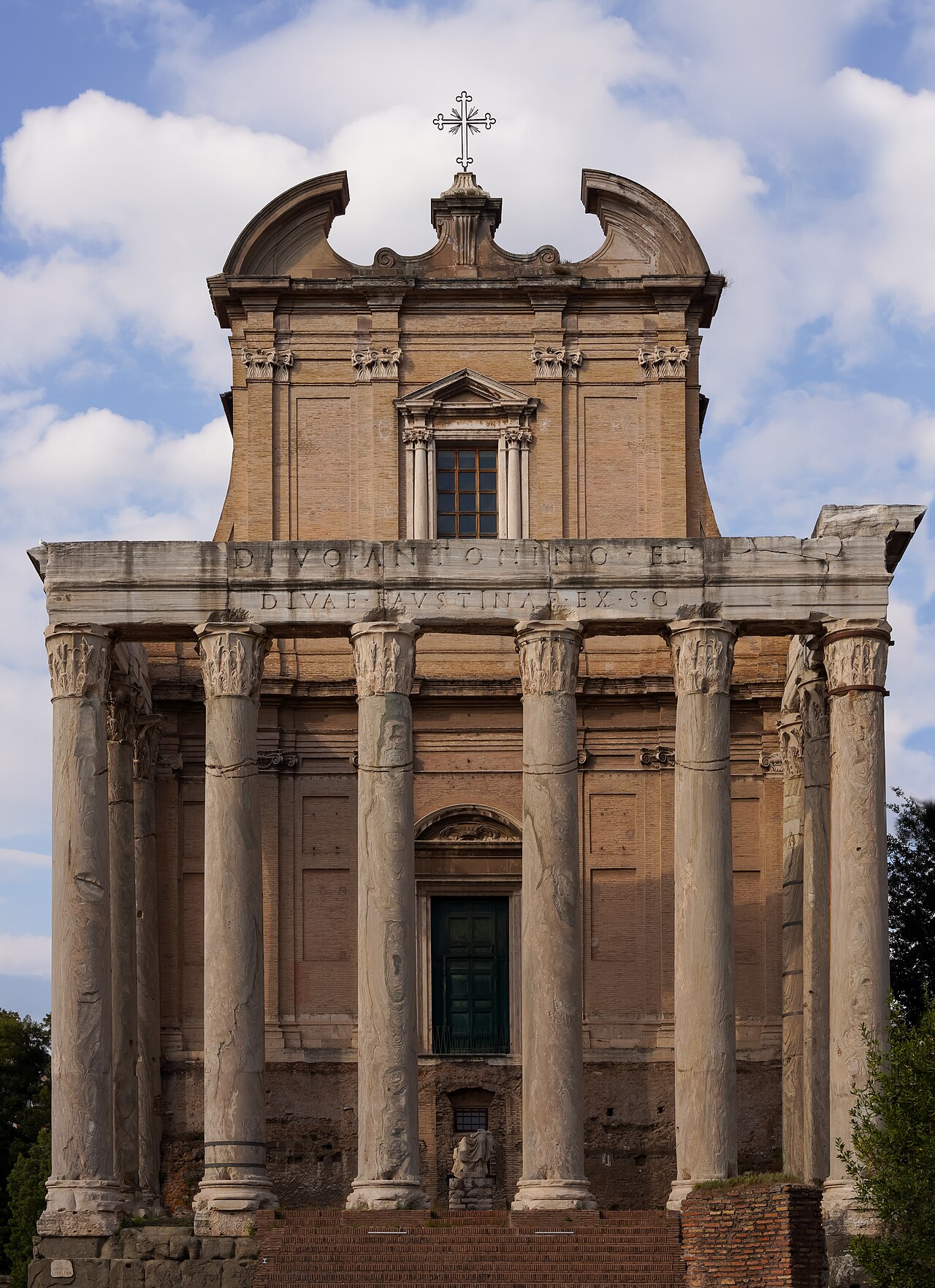
Temple of Antoninus and Faustina
begun 141-142 CE
Free account
Read every Antoninus Pius source
Sign up free →
Ready when you are
Start chatting with Antoninus Pius now.
20 messages free · No credit card · Available in 50+ languages.