


Primary sourceDocument25 August 1921
U.S.–German Peace Treaty (Treaty of Berlin)
25 August 1921
The 1921 treaty signed in Berlin that formally ended the state of war between the United States and Germany after Harding rejected the Treaty of Versailles.
Harding signed the Knox–Porter Resolution and ratified this treaty, showing his rejection of Wilsonian internationalism.
About this source
What it is
This treaty, signed in Berlin on August 25, 1921, formally restored peaceful relations between the United States and Germany after World War I. It followed the U.S. Senate's refusal to ratify the Treaty of Versailles. President Warren G. Harding had already signed the Knox–Porter Resolution ending the state of war, and he ratified this treaty on October 21, 1921.
Why it matters
The treaty shows how the United States, under Harding, chose to make peace with Germany outside the League of Nations framework created at Versailles. It reveals Harding's rejection of Woodrow Wilson's vision of international cooperation through the League, and set the U.S. on a separate diplomatic path, including later agreements on German war reparations.
Look closer
- Why might the U.S. Senate have refused to ratify the Versailles Treaty but accepted this one?
- What does this treaty suggest about American attitudes toward international organizations like the League of Nations after World War I?
- What is left out of a treaty like this that a history book might explain?
This document is part of the curated material that grounds the AI version of Warren G. Harding on Humy.ai — when students ask about related events, the AI can quote it and cite it.
More Warren G. Harding sources
Meet the AI Warren G. Harding →Primary source
Readjustment
Warren G. Harding · May 1920
 Speech
Primary source
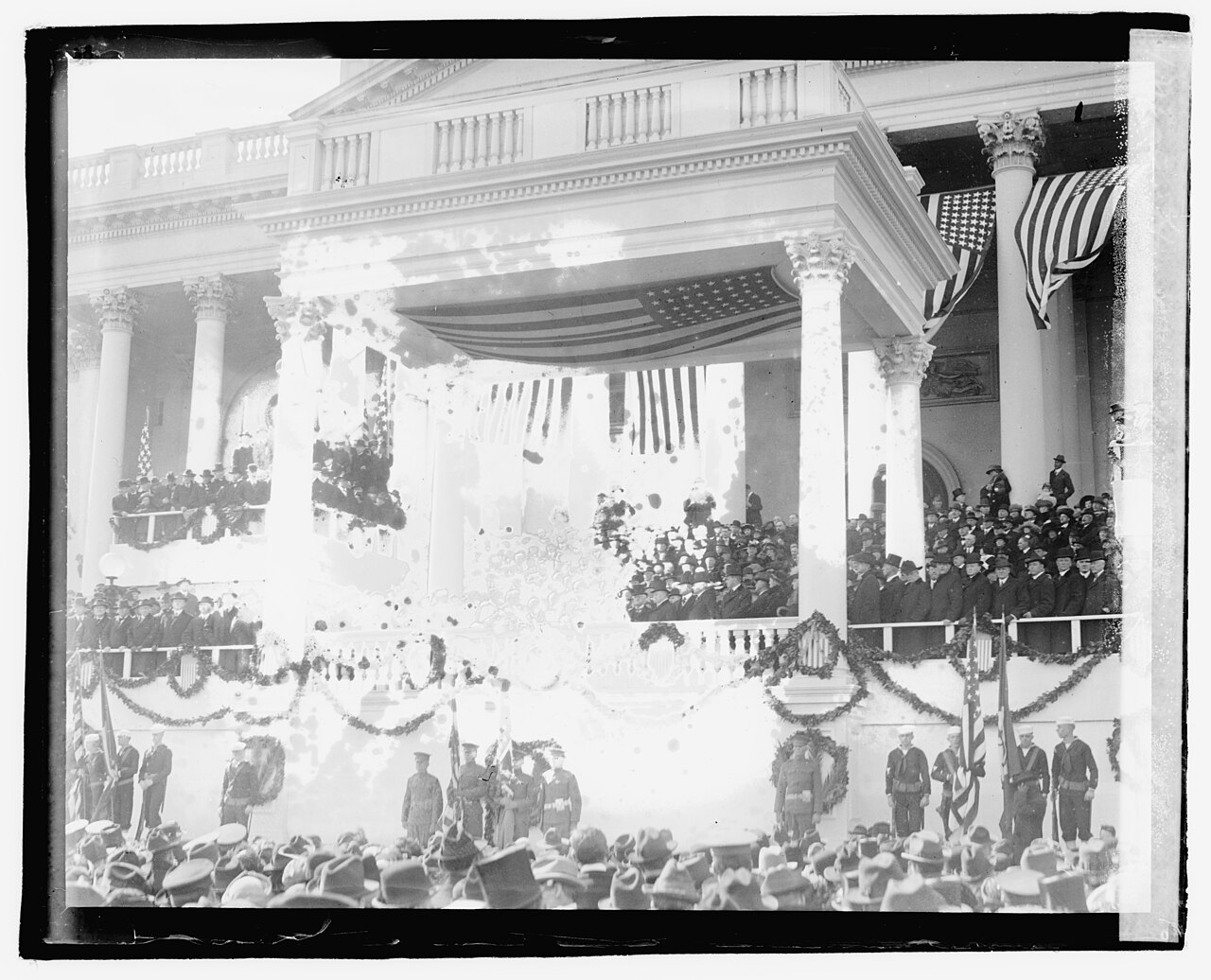
Inaugural Address of Warren G. Harding
Warren G. Harding · 4 March 1921
 Document
Primary source
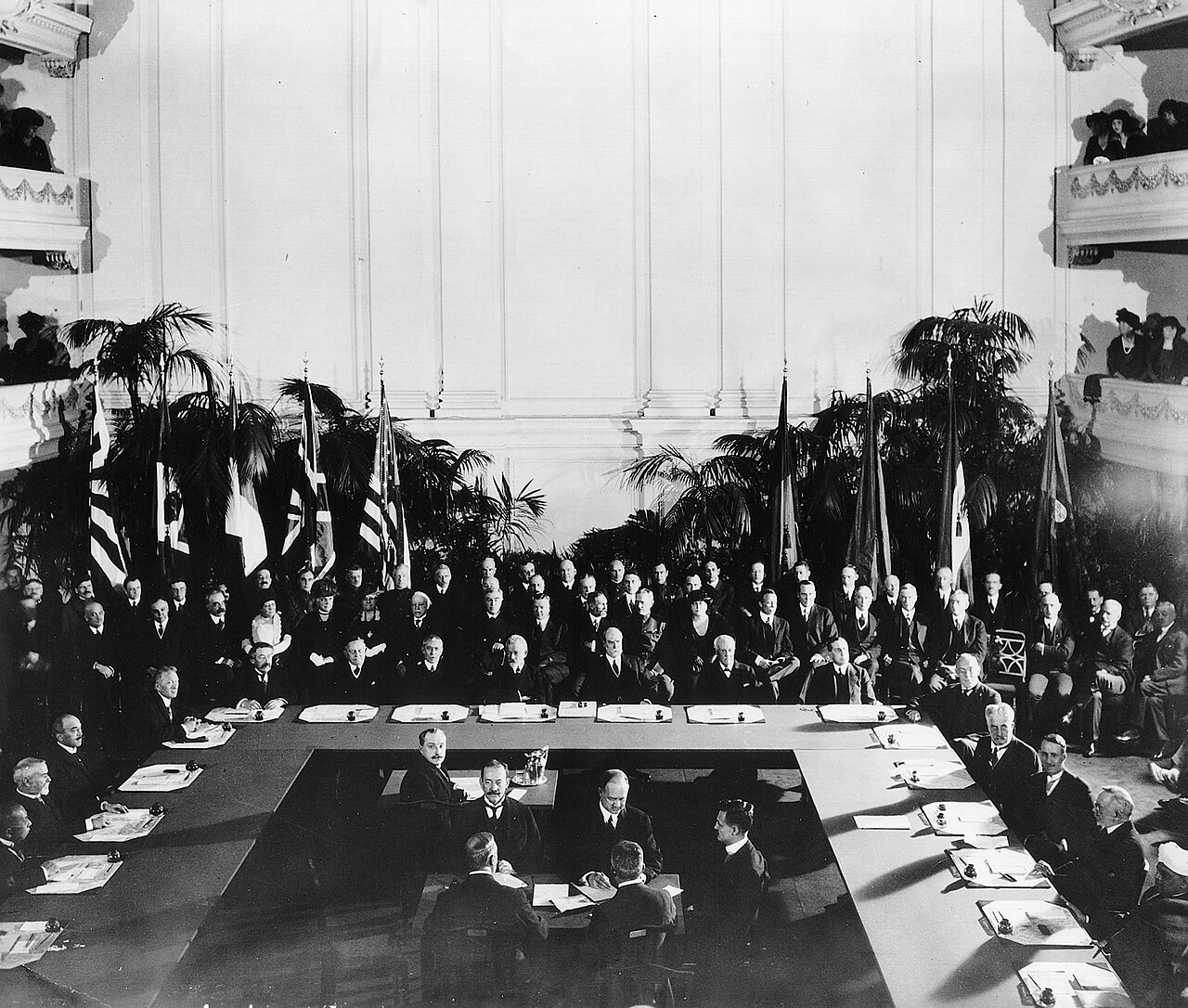
Washington Naval Treaty
1922
Primary source
Recording of the voice of Warren G. Harding
Warren G. Harding
 Photograph
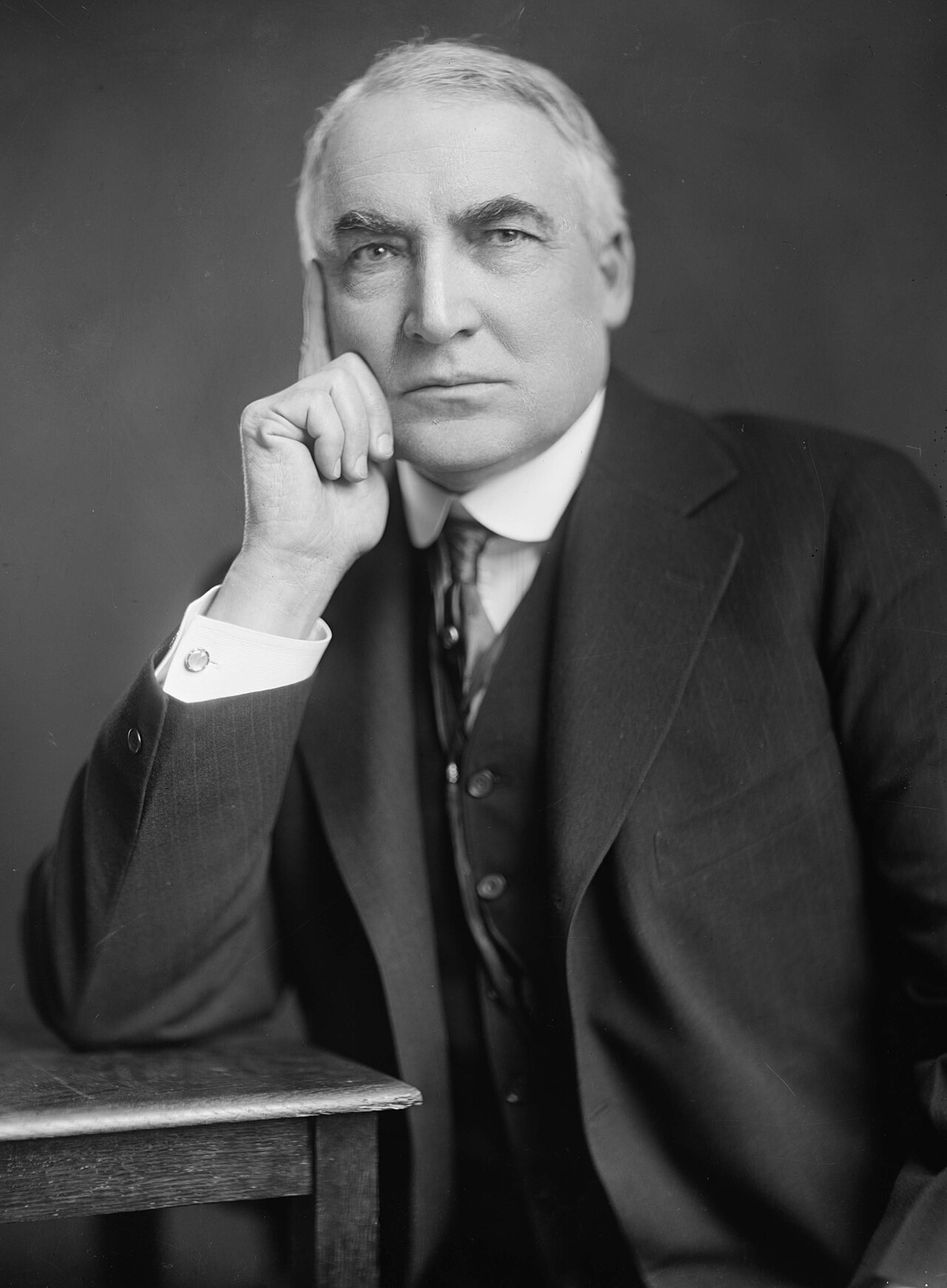
Primary source
Warren G Harding by Harris & Ewing
Harris & Ewing
Ready when you are
Start chatting with Warren G. Harding now.
20 messages free · No credit card · Available in 50+ languages.