


Primary sourceDocument1842
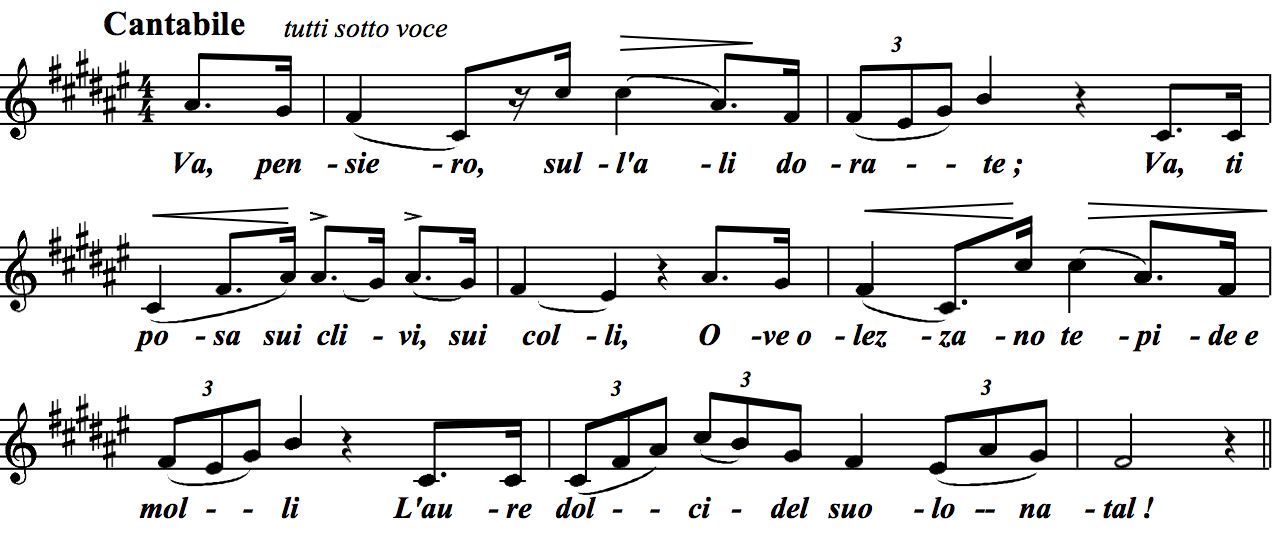
Va, pensiero
Giuseppe Verdi · 1842
The 'Chorus of the Hebrew Slaves' from Verdi's Nabucco, later sung at his funeral and debated as a symbol of Italian nationalism.
This chorus from Verdi's Nabucco became tied to his legacy as a symbol, real or constructed, of Italian unification.
About this source
What it is
"Va, pensiero" is a chorus from Giuseppe Verdi's 1842 opera Nabucco, with libretto by Temistocle Solera inspired by Psalm 137. It depicts Hebrew exiles longing for their homeland during the Babylonian captivity.
Why it matters
The chorus helped establish Verdi as a major composer and became deeply associated with Italian political history, sung spontaneously by crowds at Verdi's funeral. Scholars still disagree about whether it was truly meant as a patriotic anthem for Italian unification or whether this meaning was added later. It has also been invoked in modern political debates, including proposals to make it Italy's national anthem.
Look closer
- Why might a song about exiles and a lost homeland take on political meaning beyond the opera's story?
- What does the ongoing scholarly debate tell us about how historical meaning can be added after the fact?
- Looking at the musical score, what can you tell about the mood of the piece just from the markings and instructions?
This document is part of the curated material that grounds the AI version of Giuseppe Verdi on Humy.ai — when students ask about related events, the AI can quote it and cite it.
More Giuseppe Verdi sources
Browse all 97 →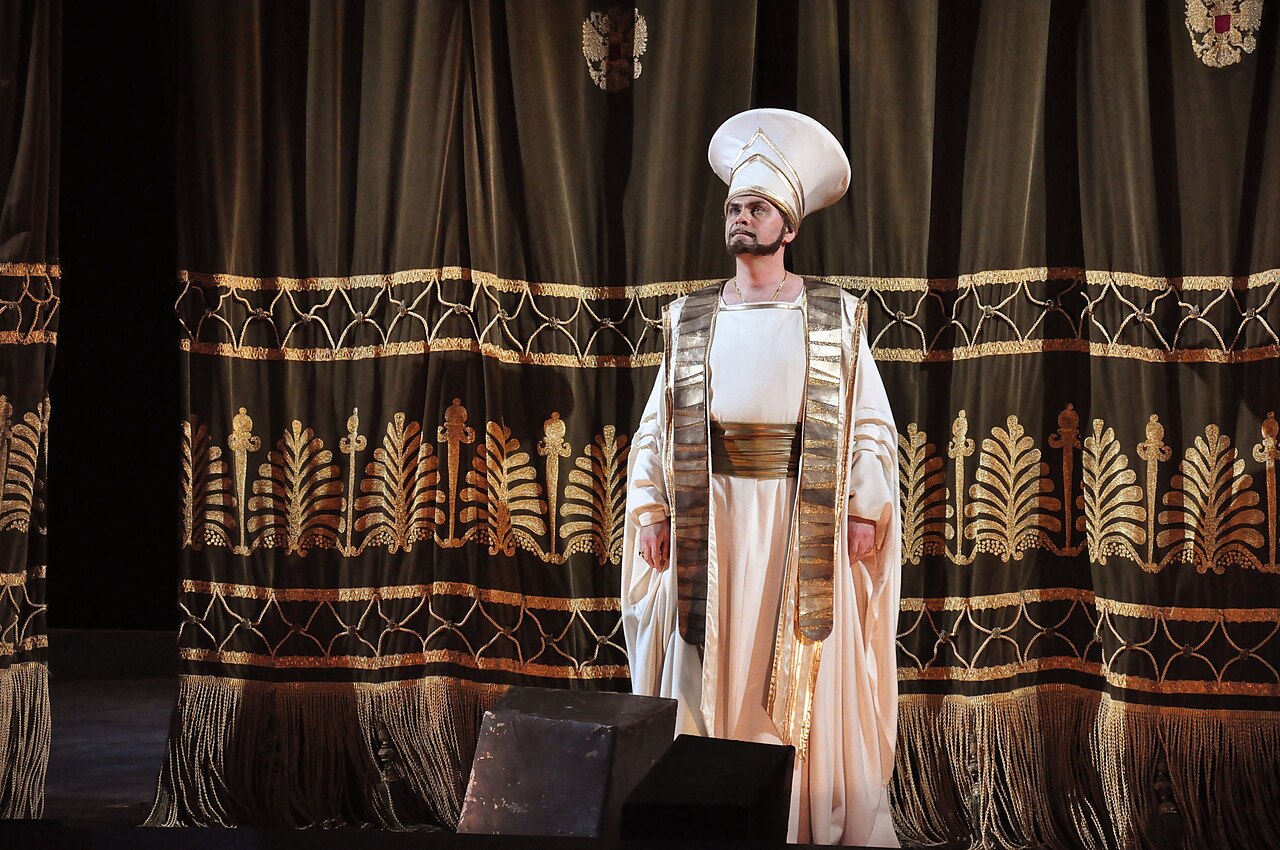 Document
Secondary source
Nabucco
Giuseppe Verdi · 1841
 Document
Primary source
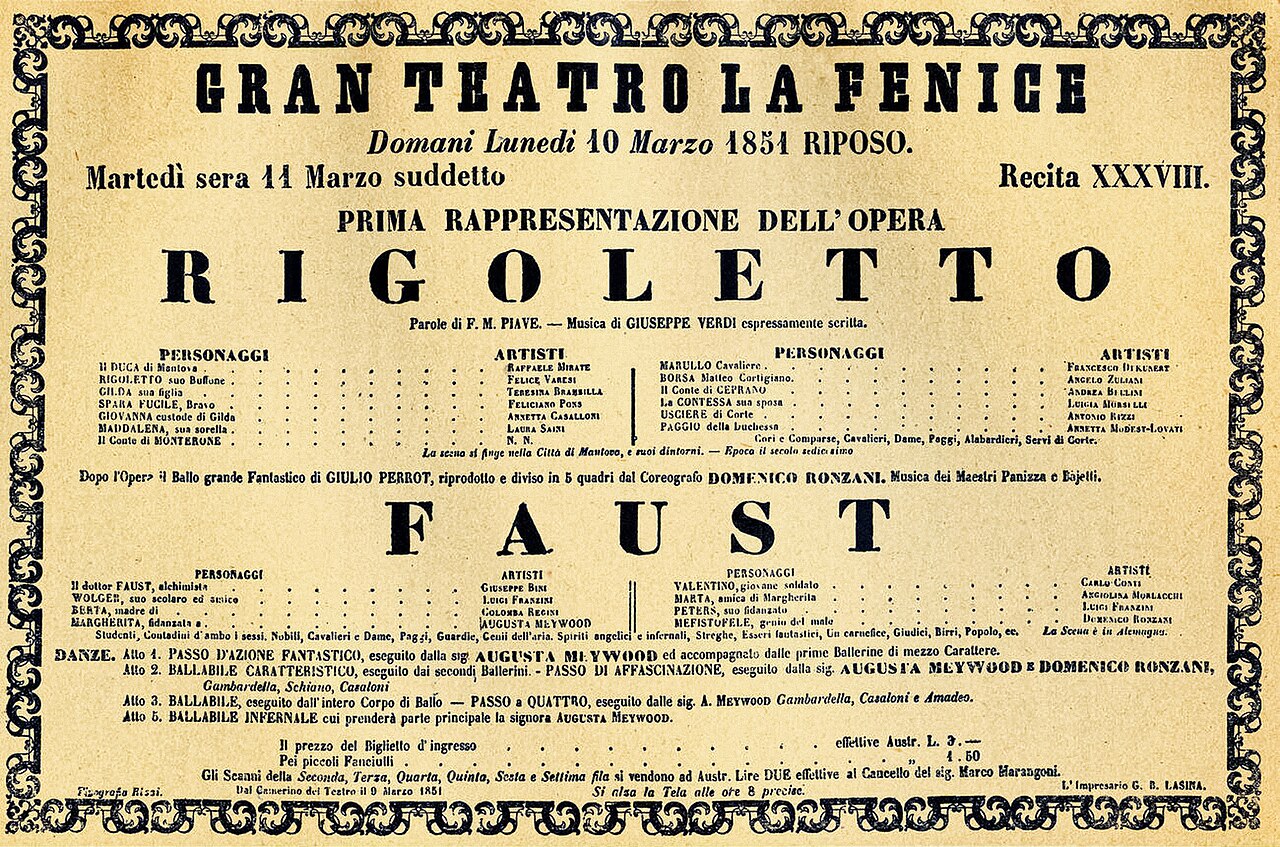
Rigoletto (1851 premiere playbill)
Giuseppe Verdi · 11 March 1851
 Document
Primary source
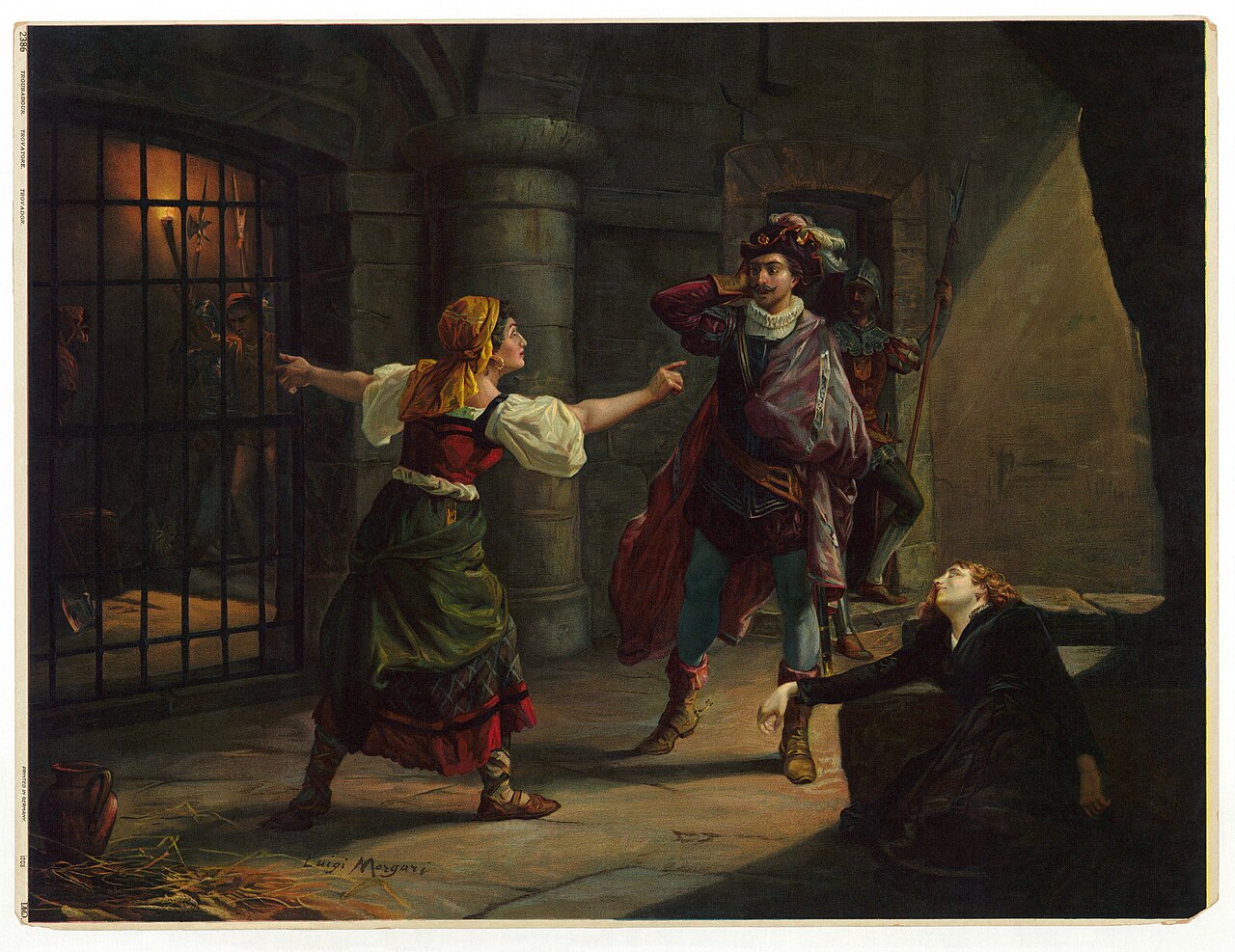
Il trovatore
Giuseppe Verdi · 1850-1853
 Document
Primary source
Aida
Giuseppe Verdi · 1871

Free account
Read every Giuseppe Verdi source
Sign up free →
Ready when you are
Start chatting with Giuseppe Verdi now.
20 messages free · No credit card · Available in 50+ languages.