


Secondary sourceDocument20 February 1905
Vanderbilt v. Eidman, Opinion of the Court
United States Supreme Court · 20 February 1905
A 1905 U.S. Supreme Court opinion concerning taxation of Alfred G. Vanderbilt's interest under Cornelius Vanderbilt's will.
A court case over the taxation of Vanderbilt's will trust, showing the long legal legacy of his fortune.
About this source
What it is
This is the opinion of the U.S. Supreme Court in the case Vanderbilt v. Eidman, argued in October 1904 and decided on 20 February 1905. The case concerned whether a federal tax law applied to Alfred G. Vanderbilt's beneficial interest under the seventeenth clause of the will of Cornelius Vanderbilt.
Why it matters
This legal opinion shows how Cornelius Vanderbilt's fortune continued to shape law and policy long after his death, as courts worked out how his estate and its trusts should be taxed. It reveals the scale of his wealth and how complicated inheritance and tax law became for his descendants.
Look closer
- Why would a court need to decide how a will's trust should be taxed?
- What does this case tell you about the size and complexity of Vanderbilt's estate?
- What does a legal document like this leave out about the people actually affected by it?
This document is part of the curated material that grounds the AI version of Cornelius Vanderbilt on Humy.ai — when students ask about related events, the AI can quote it and cite it.
More Cornelius Vanderbilt sources
Meet the AI Cornelius Vanderbilt →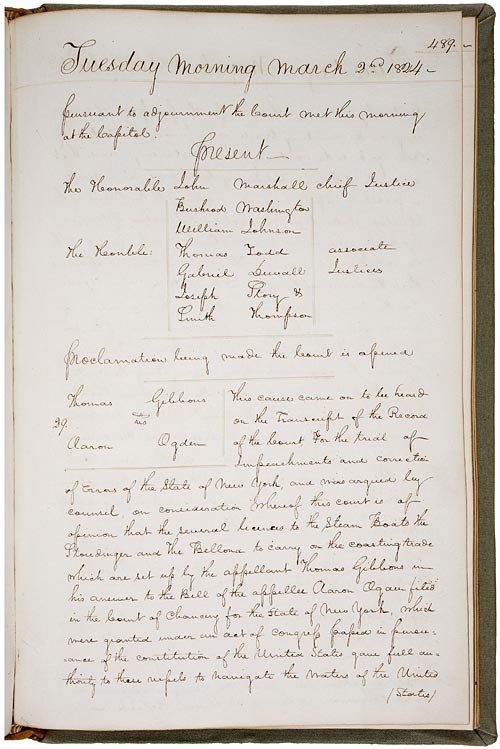 Document
Primary source
Gibbons v. Ogden
John Marshall · 1824
 Painting
Secondary source
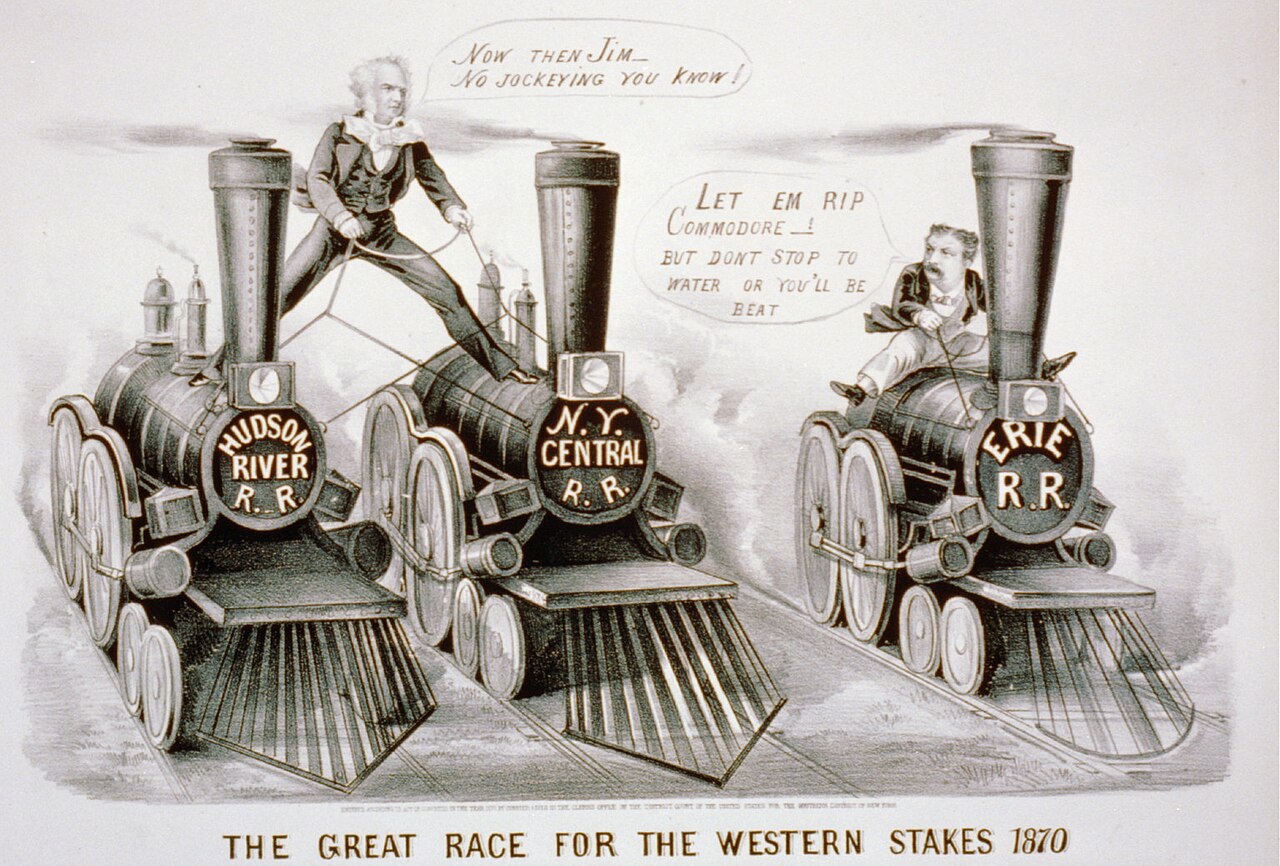
The Great Race for the Western Stakes
Currier and Ives · 1870
 Photograph
Primary source
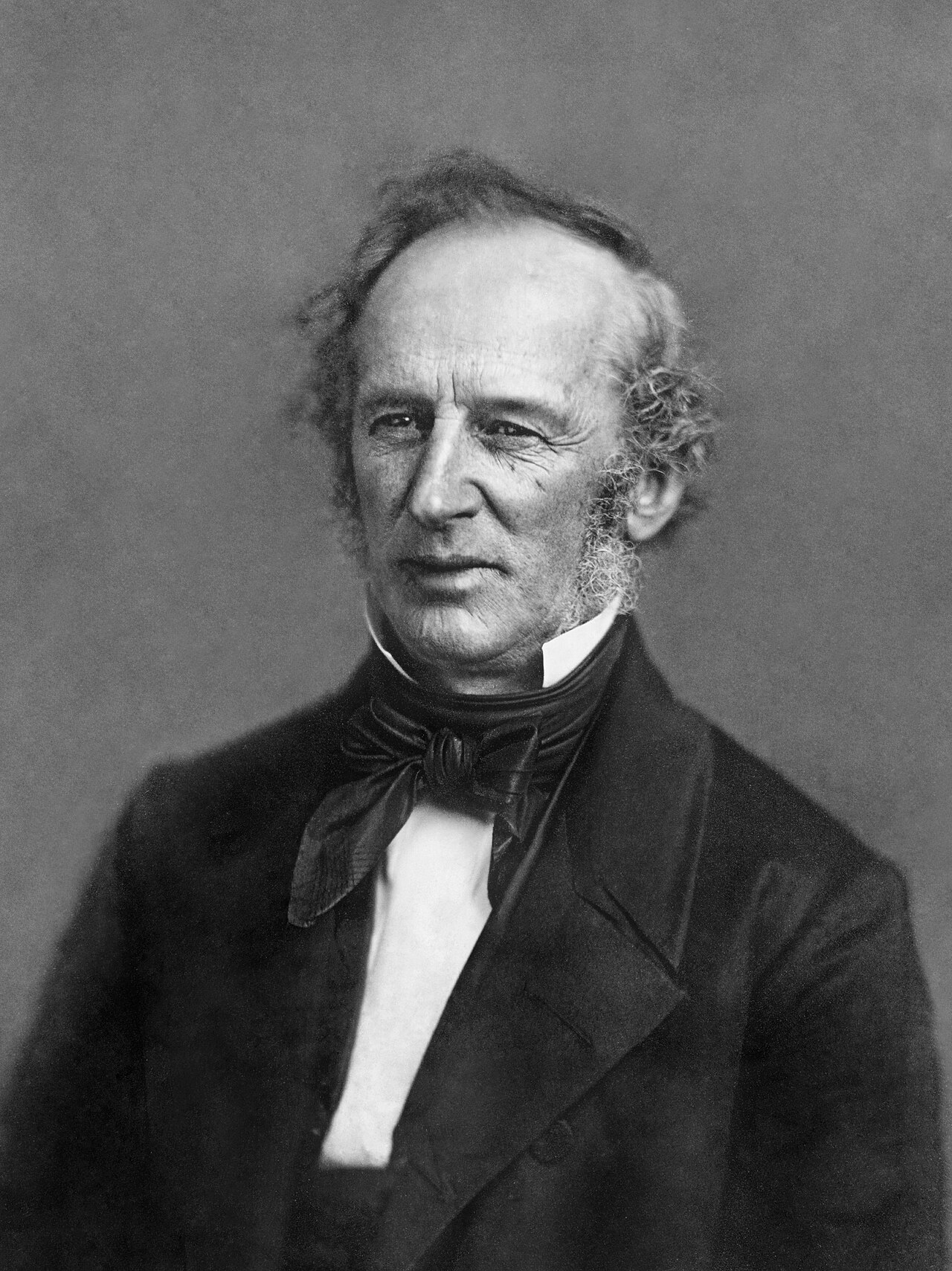
Portrait of Cornelius Vanderbilt
Mathew Brady studio
 Painting
Primary source
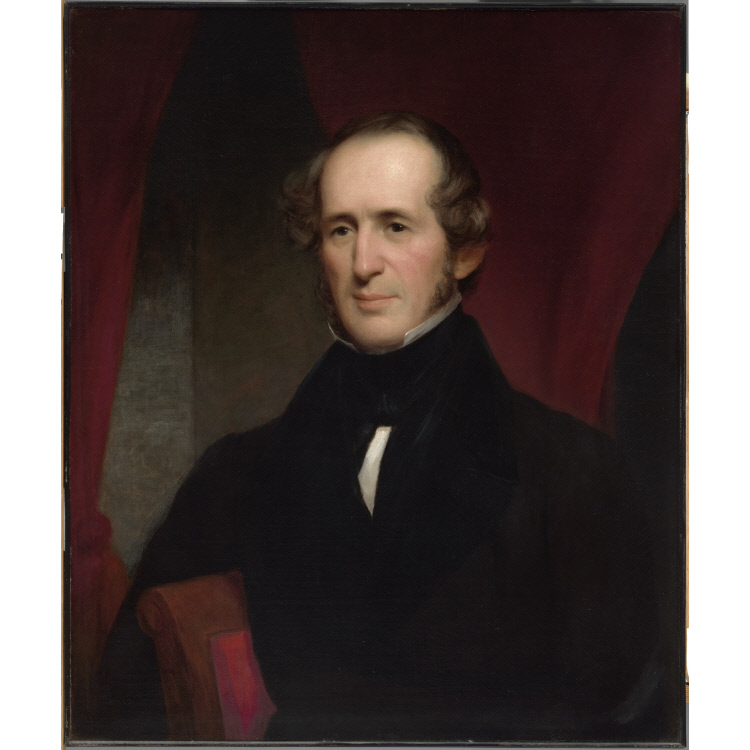
Cornelius Vanderbilt
Nathaniel Jocelyn · 1846
 Artifact
Primary source
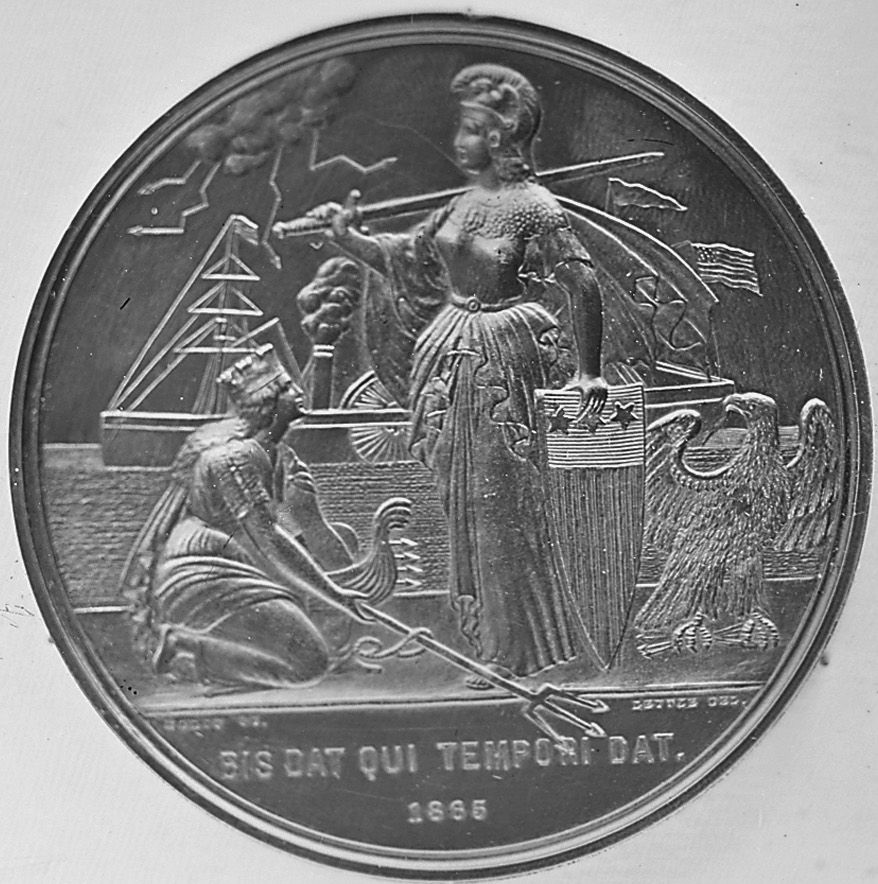
Cornelius Vanderbilt Medal
United States Mint · 1865
Ready when you are
Start chatting with Cornelius Vanderbilt now.
20 messages free · No credit card · Available in 50+ languages.