


Secondary sourcePainting1843
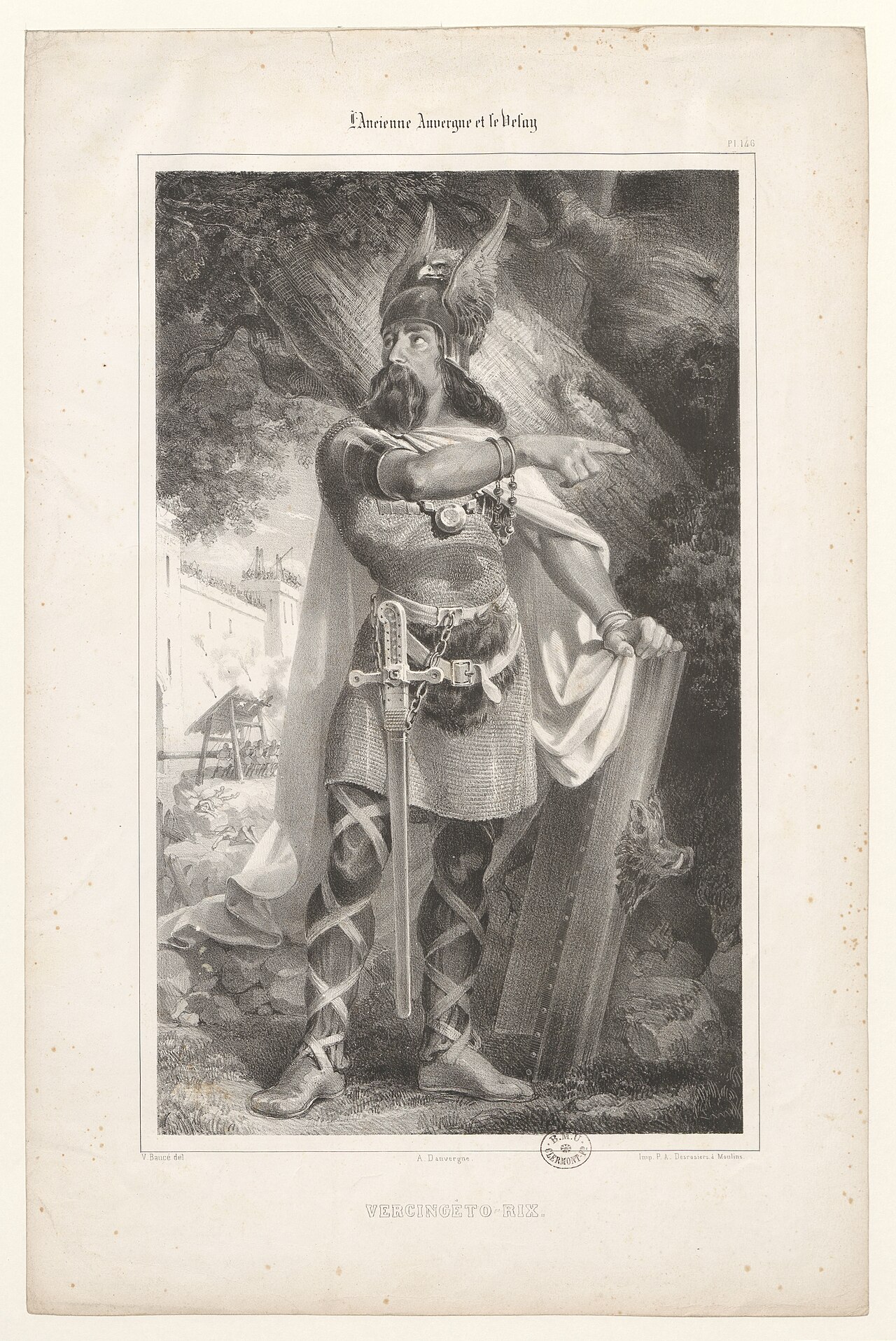
Vercingéto-Rix
Anatole Dauvergne · 1843
An 1843 lithograph imagining Vercingetorix as a warrior before a besieged town, part of an early romantic revival of interest in him.
An imagined 1843 portrait of Vercingetorix as a heroic warrior, created long after his death.
About this source
What it is
This is a lithograph print made in 1843 by Anatole Dauvergne, titled Vercingéto-Rix, now held in the Boyer collection. It shows an imagined warrior figure in a winged helmet and chainmail, standing with sword and shield, with a besieged walled town shown behind him.
Why it matters
No contemporary image of Vercingetorix survives from his own lifetime, so artists in the nineteenth century had to invent his appearance. This print comes from an early period of romantic rediscovery of Vercingetorix in French culture, before he became a major national symbol under Napoleon III later in the century. It shows how artists imagined ancient Gauls using armour and costume styles that mixed historical guesswork with dramatic imagination.
Look closer
- What details in the costume and weapons look invented rather than historically accurate?
- Why do you think artists wanted to give Vercingetorix a heroic, warrior appearance?
- How does the siege scene in the background shape the story the image tells?
This painting is part of the curated material that grounds the AI version of Vercingetorix on Humy.ai — when students ask about related events, the AI can quote it and cite it.
More Vercingetorix sources
Browse all 73 →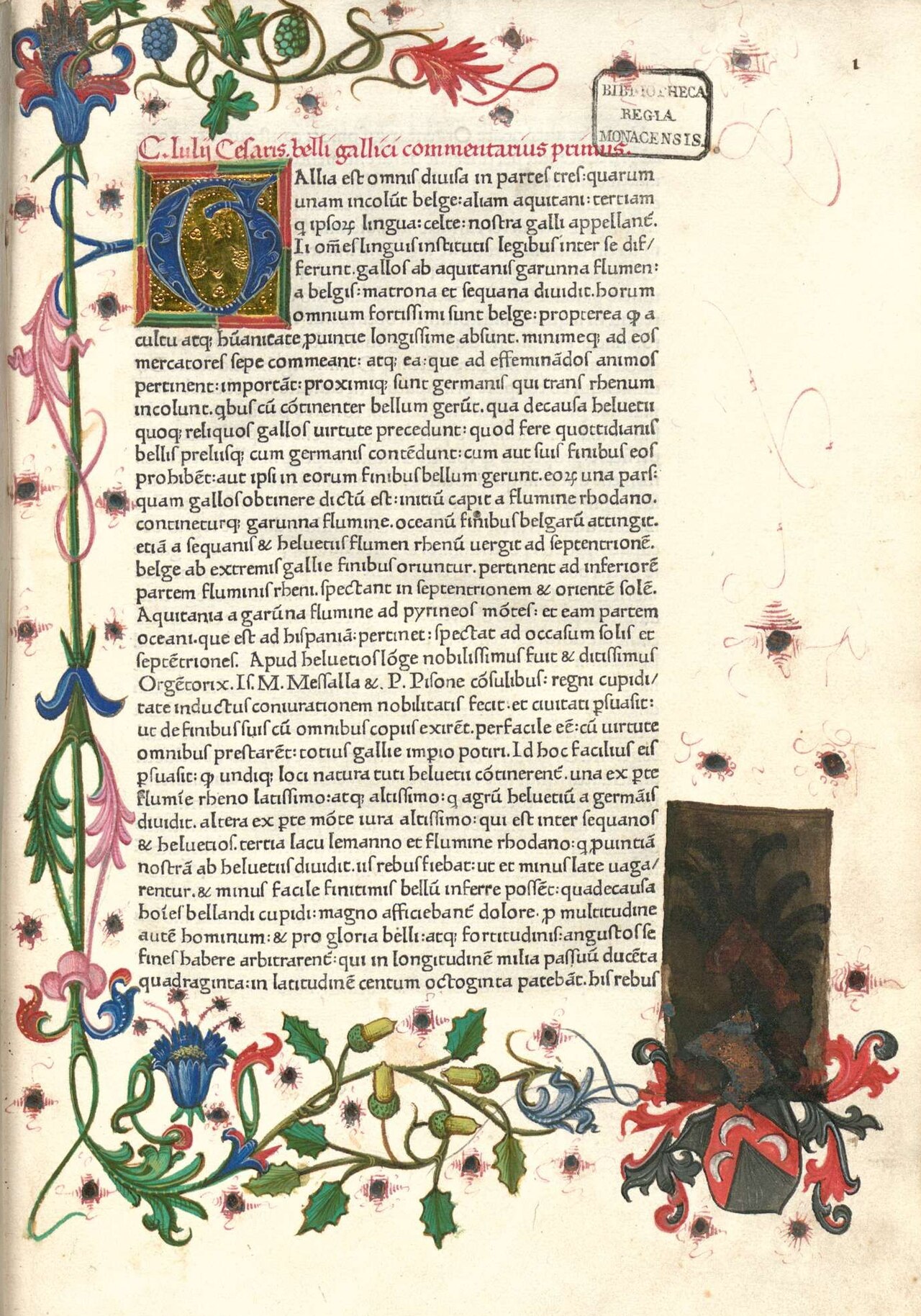 Book
Primary source
Commentarii de Bello Gallico
Julius Caesar · c. 58-50 BCE (this copy 1469)
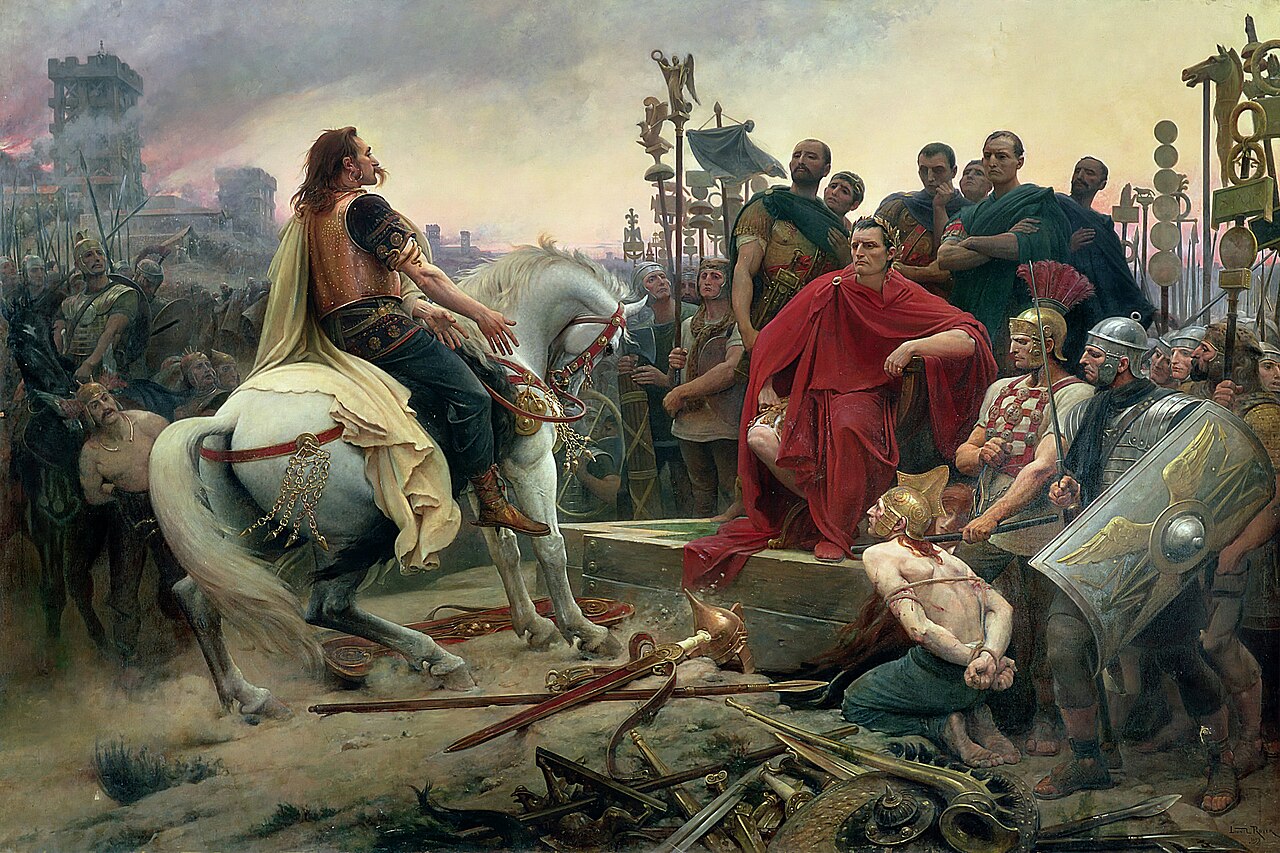 Painting
Secondary source
Vercingetorix Throwing down His Weapons at the Feet of Julius Caesar
Lionel Royer · 1899
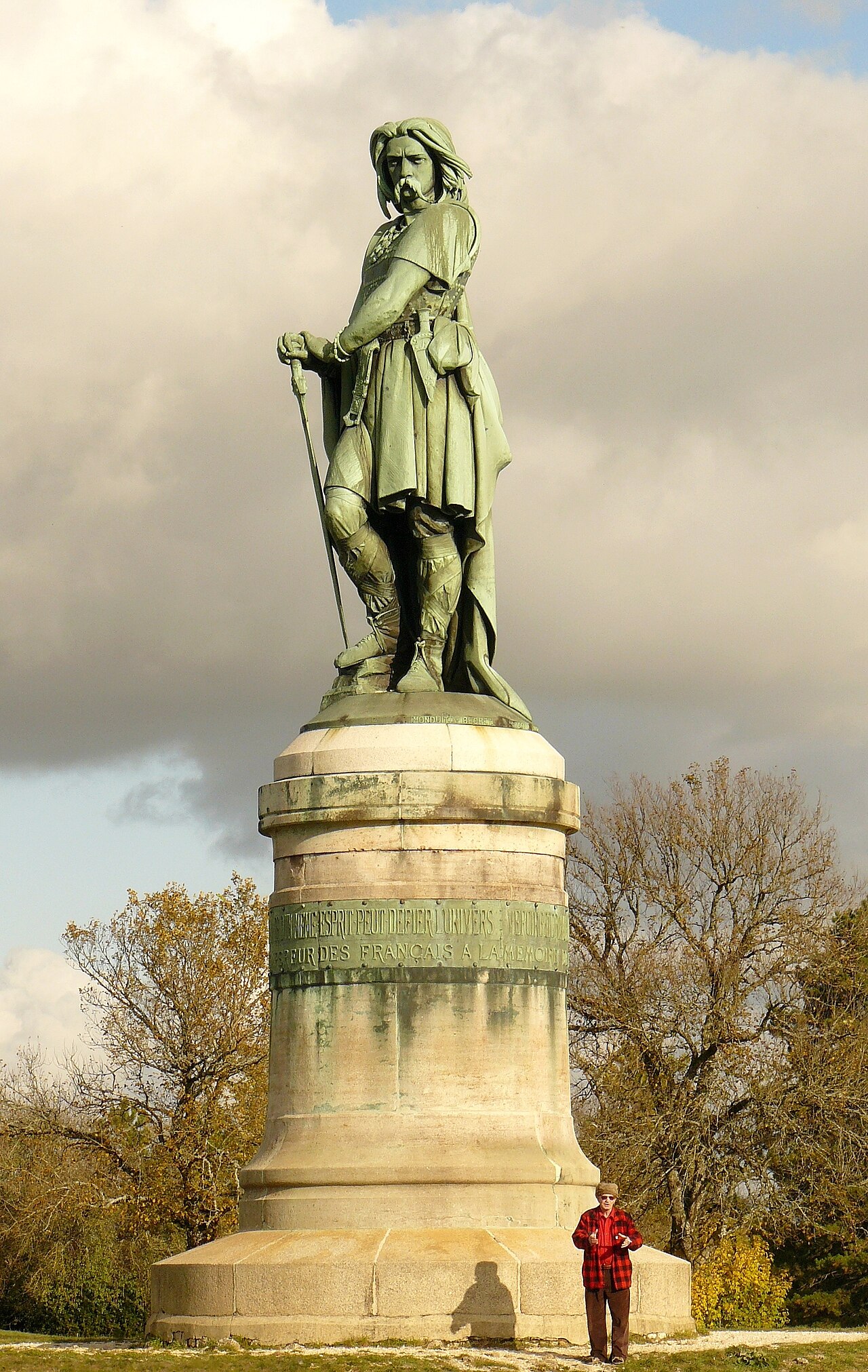 Sculpture
Secondary source
Vercingetorix Monument
Aimé Millet · 1865
 Book
Secondary source
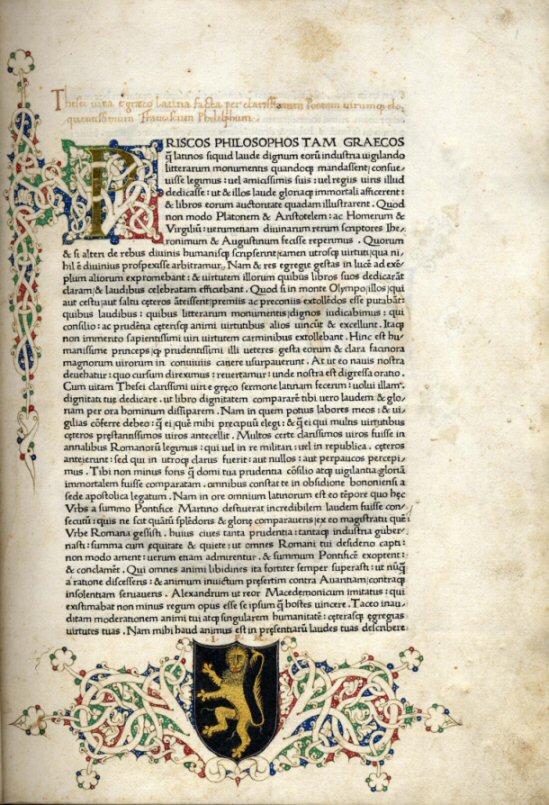
Parallel Lives
Plutarch · c. 100-120 AD
Free account
Read every Vercingetorix source
Sign up free →
Ready when you are
Start chatting with Vercingetorix now.
20 messages free · No credit card · Available in 50+ languages.