


Secondary sourcePainting1886
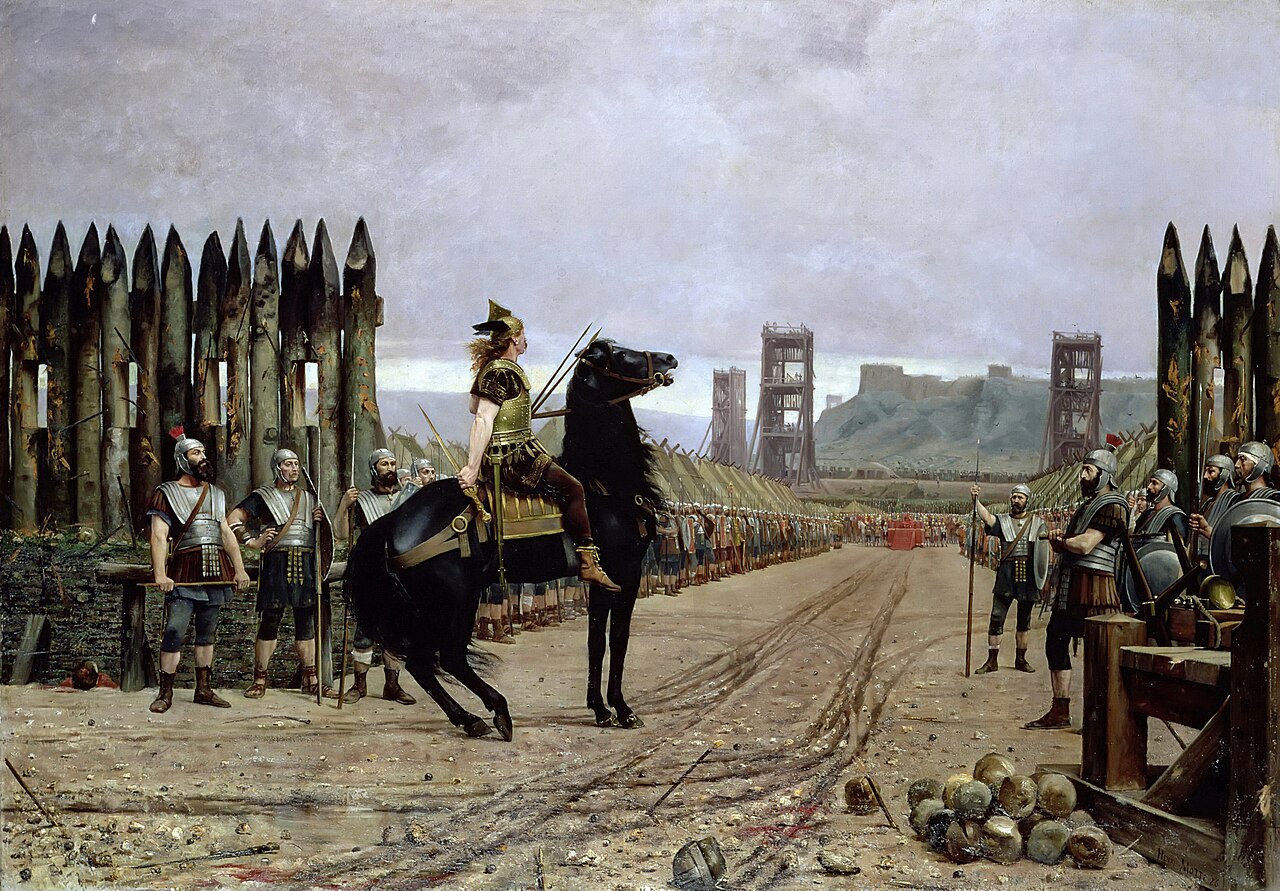
Vercingétorix se rend à César
Henri-Paul Motte · 1886
A 19th-century painting imagining Vercingetorix's surrender to Julius Caesar as a proud, defiant moment.
Imagines Vercingetorix's surrender to Caesar as a proud, defiant act, shaping his modern image.
About this source
What it is
This painting, made in 1886 by the French artist Henri-Paul Motte, depicts the surrender of Vercingetorix to Julius Caesar at the end of the siege of Alesia.
It shows a mounted warrior in gold armour riding between a wooden palisade and a line of armoured Roman soldiers, with siege towers and a pile of shields and helmets nearby.
Why it matters
Painted centuries after the event, this image reflects 19th-century French ideas about Gallic resistance rather than a direct historical record. It has become one of the most widely reproduced images of Vercingetorix, shaping how many people imagine the moment of his defeat.
Look closer
- What does the pose and armour of the rider suggest about how the artist wanted him to be seen?
- Why might an artist in the 1880s choose to paint this particular scene?
- What historical details might be imagined rather than based on evidence?
This painting is part of the curated material that grounds the AI version of Vercingetorix on Humy.ai — when students ask about related events, the AI can quote it and cite it.
More Vercingetorix sources
Browse all 73 →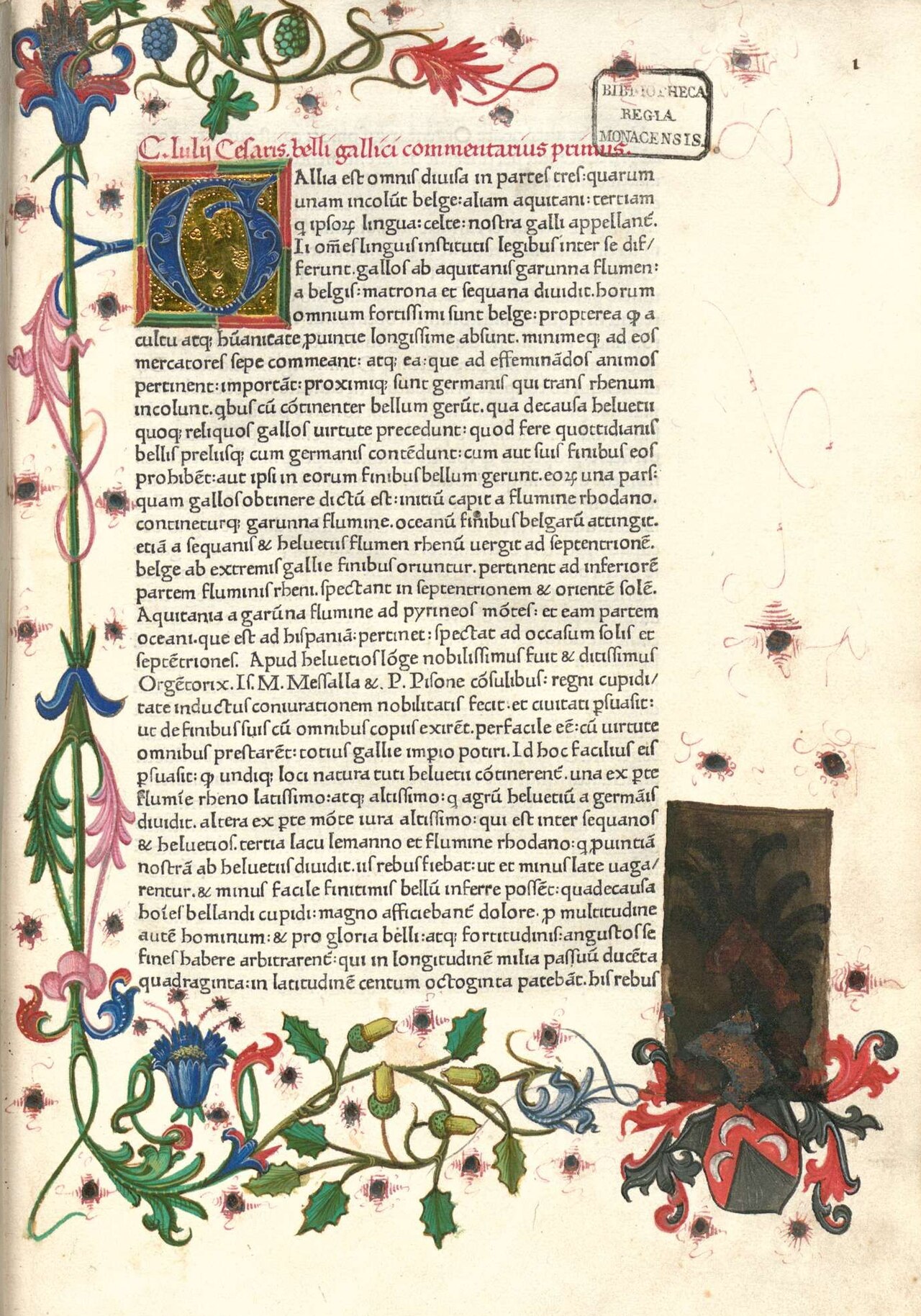 Book
Primary source
Commentarii de Bello Gallico
Julius Caesar · c. 58-50 BCE (this copy 1469)
 Painting
Secondary source
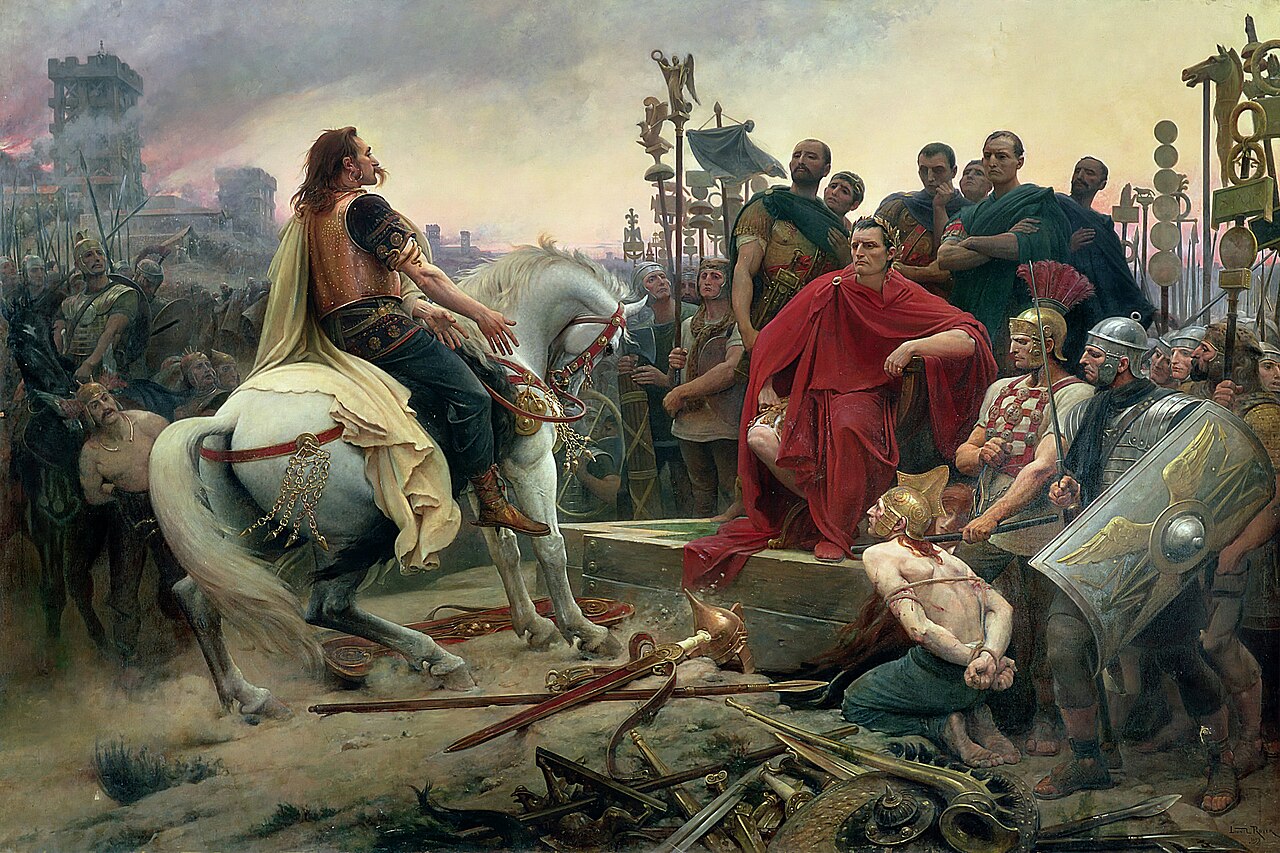
Vercingetorix Throwing down His Weapons at the Feet of Julius Caesar
Lionel Royer · 1899
 Sculpture
Secondary source
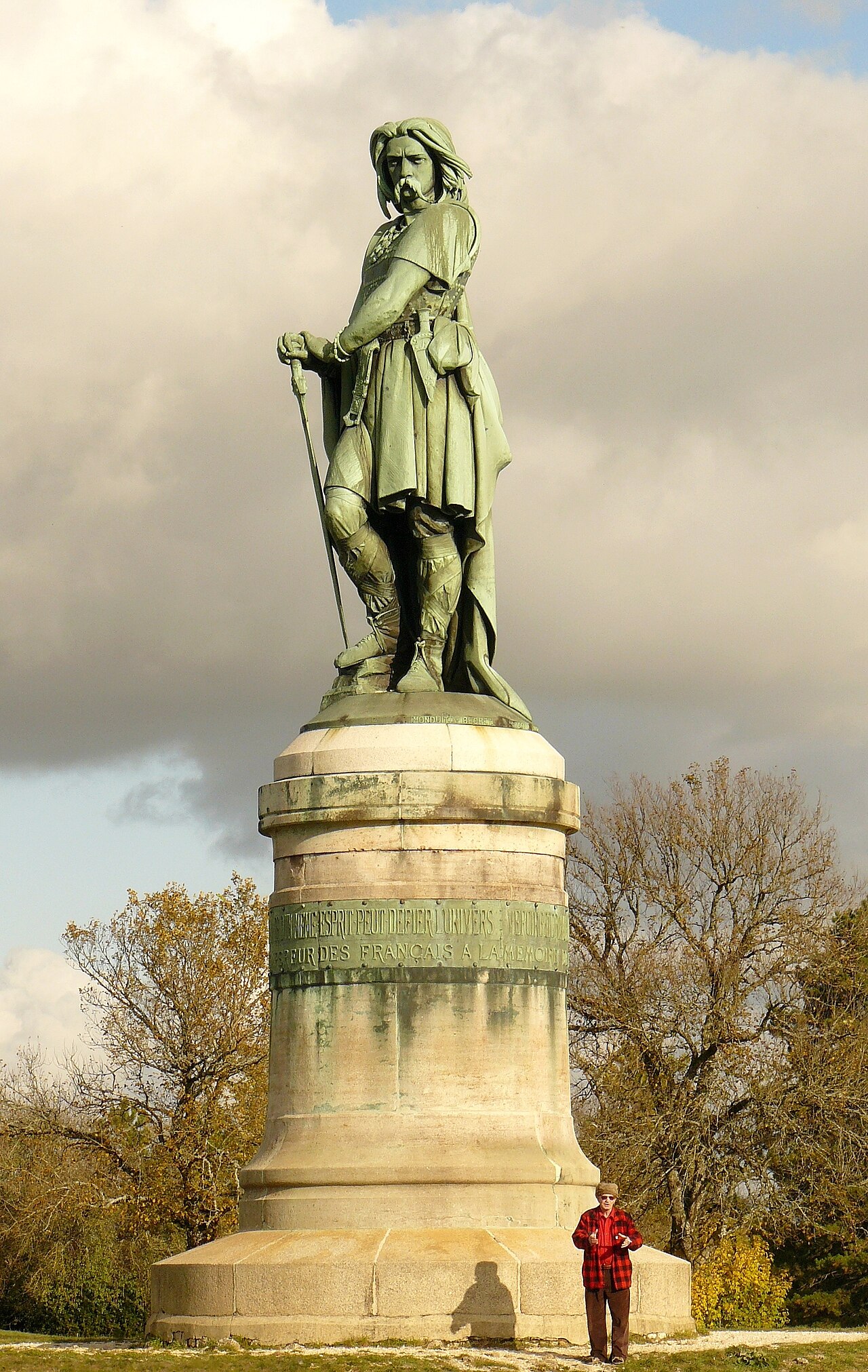
Vercingetorix Monument
Aimé Millet · 1865
 Book
Secondary source
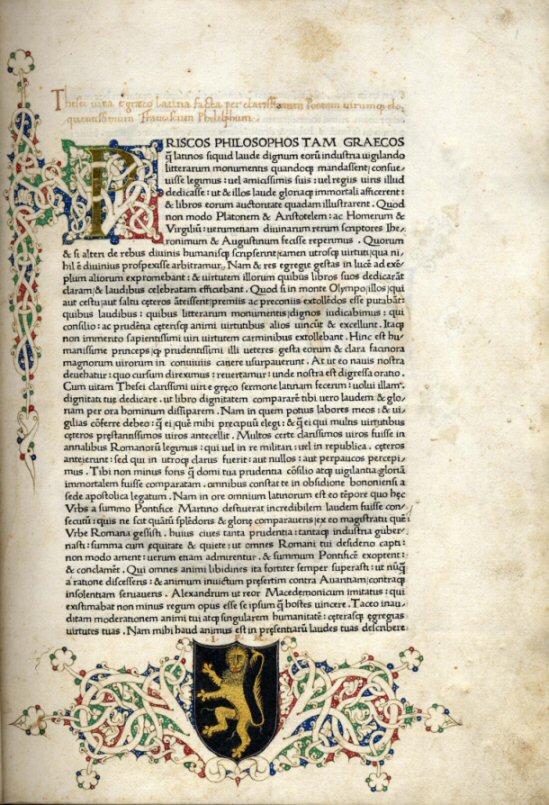
Parallel Lives
Plutarch · c. 100-120 AD
Free account
Read every Vercingetorix source
Sign up free →
Ready when you are
Start chatting with Vercingetorix now.
20 messages free · No credit card · Available in 50+ languages.