


Primary sourceArtifact1945
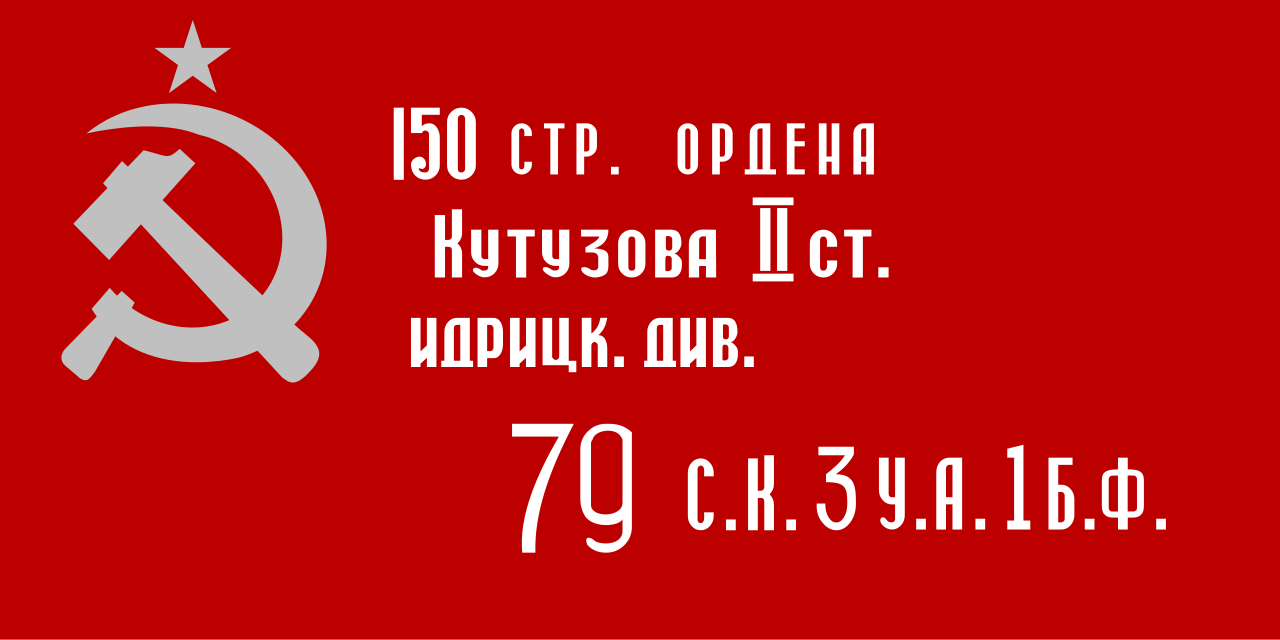
Victory Banner
1945
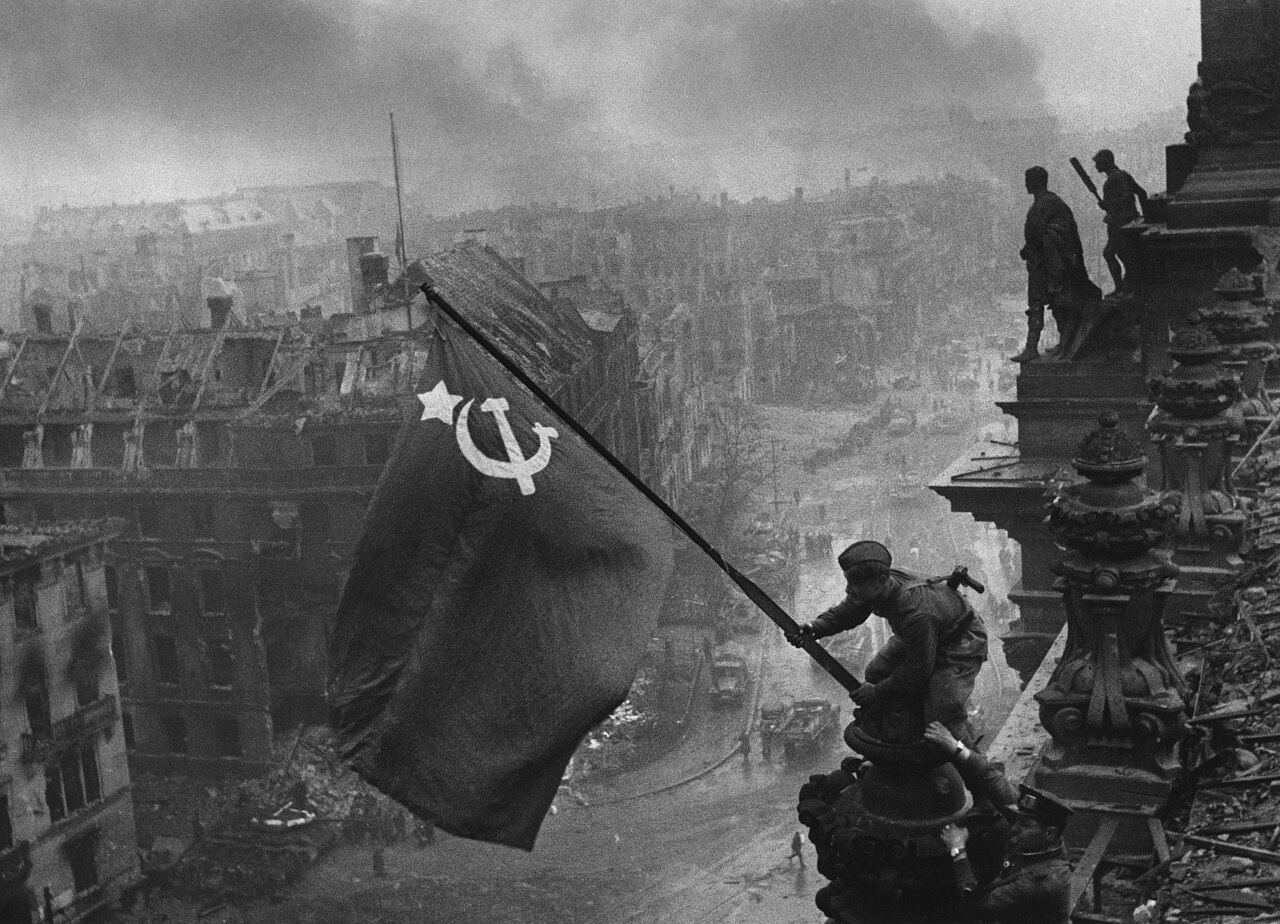
The Soviet flag raised over the Reichstag in Berlin in 1945 by soldiers from the division under Zhukov's front, now a Russian national treasure.
Raised over the Reichstag by troops of Zhukov's front during the Berlin operation he directed.
About this source
What it is
The Victory Banner is the flag raised by Red Army soldiers over the Reichstag building in Berlin on 1 May 1945, the day after Hitler's suicide. It was raised by soldiers of the 150th Rifle Division, part of the forces under the 1st Belorussian Front, which Marshal Zhukov commanded. A report by the army commander records that Zhukov ordered troops to seize the Reichstag and place the banner on it.
Why it matters
This banner is the official symbol of the Soviet Union's victory over Nazi Germany and is treated as a national treasure in Russia, preserved permanently by law. As the commander who ordered the final assault on Berlin, Zhukov's role connects directly to this object, which later gained political importance across several post-Soviet states.
Look closer
- Why might this one particular flag have become so important compared to other banners raised on the same building?
- What does the detailed inscription on the banner tell you about Soviet military organisation?
- Why do different countries today still argue over copies and the symbolism of this banner?
This artifact is part of the curated material that grounds the AI version of Georgy Zhukov on Humy.ai — when students ask about related events, the AI can quote it and cite it.
More Georgy Zhukov sources
Browse all 98 →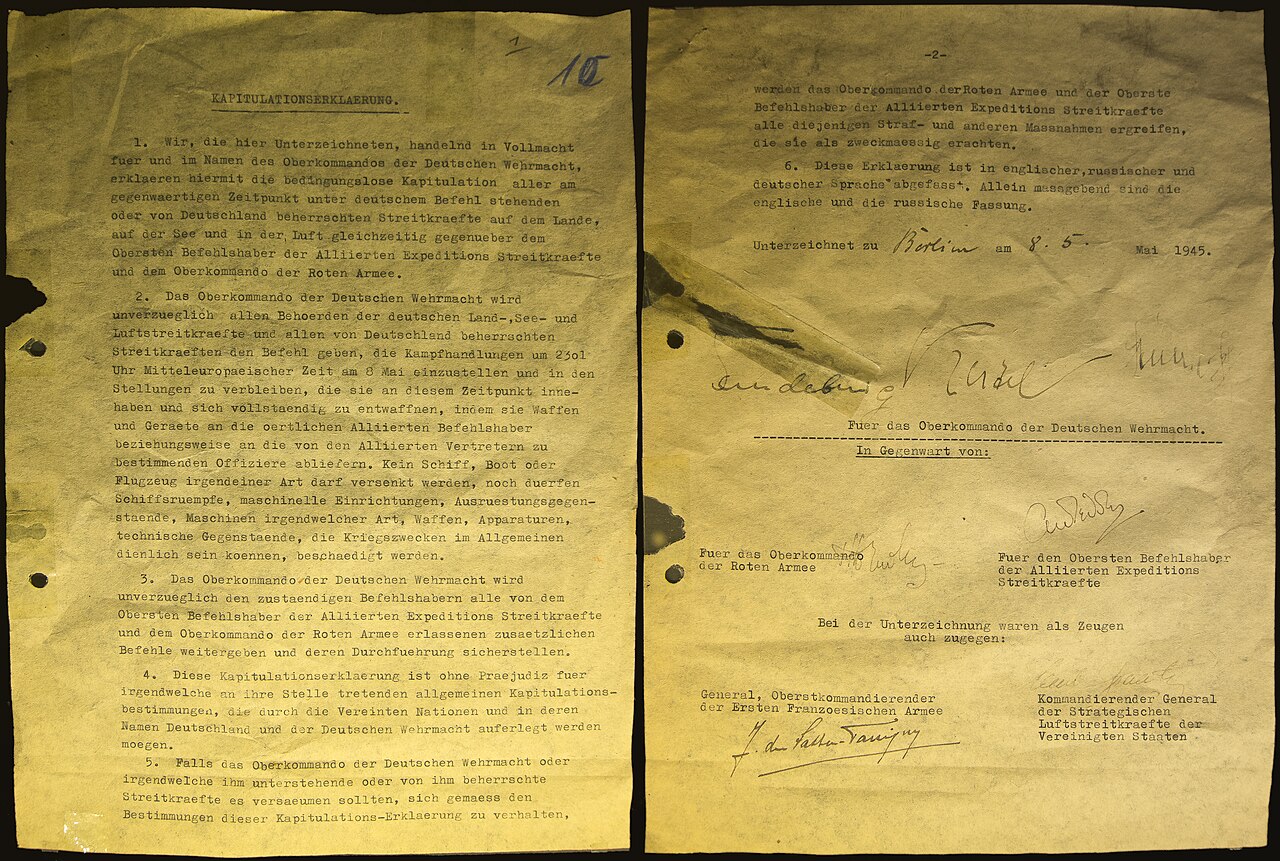 Document
Primary source
German Instrument of Surrender
8 May 1945
 Document
Primary source
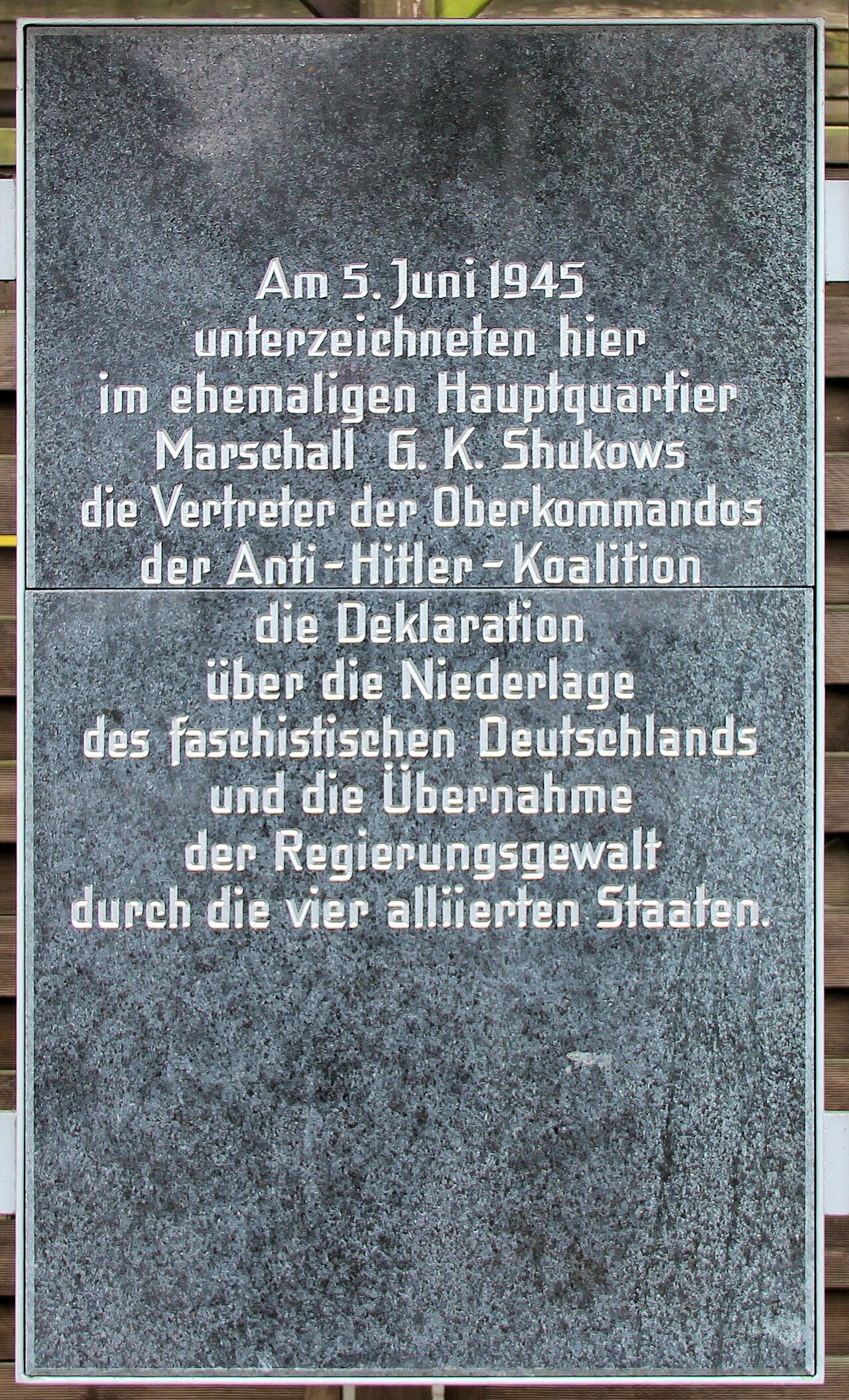
Berlin Declaration
5 June 1945
 Photograph
Primary source
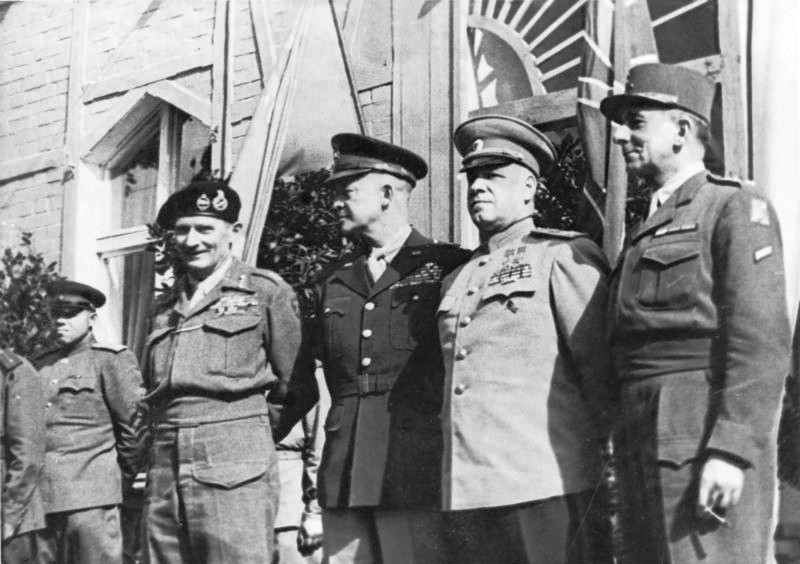
Oberbefehlshaber der vier Verbündeten
Unknown author · June 1945
 Photograph
Primary source
Raising a Flag over the Reichstag
Yevgeny Khaldei · 2 May 1945


Free account
Read every Georgy Zhukov source
Sign up free →
Ready when you are
Start chatting with Georgy Zhukov now.
20 messages free · No credit card · Available in 50+ languages.