


Secondary sourceDocumentary3 November 2024
Video reading of Hegel's inaugural oration at Berlin University
Onagrus · 3 November 2024
A modern video that presents Hegel's 1829 rectorship oration at the University of Berlin. It is a recording made in 2024, not Hegel's own voice.
Presents Hegel's 1829 rectorship oration at Berlin University, a modern reading of a text that marks the peak of his academic career.
About this source
What it is
This is a video made in 2024 by the Wikimedia Commons user Onagrus. The media description introduces Hegel as a German philosopher and says that in 1829 he was elected rector of the University of Berlin. The video is a modern recording and reading of a text linked to Hegel's inaugural oration. It is not a recording of Hegel speaking. Hegel died in 1831, long before sound recording of this kind existed.
Why it matters
The description says that Hegel's election as rector was the formal high point of his academic career. It notes that the University of Berlin stood at the centre of the newly constituted Prussian state. It also says that the university had gained a strong position among German universities under a conception impressed upon it by Wilhelm von Humboldt. The video shows how modern audiences encounter historical texts through new media.
Look closer
- Who is reading the words in this recording, and how does that differ from hearing Hegel himself?
- What does the introduction say about Hegel's importance, and what evidence supports it?
- How might a modern recording change the way listeners understand an 1829 academic speech?
This documentary is part of the curated material that grounds the AI version of Georg Wilhelm Friedrich Hegel on Humy.ai — when students ask about related events, the AI can quote it and cite it.
More Georg Wilhelm Friedrich Hegel sources
Meet the AI Georg Wilhelm Friedrich Hegel →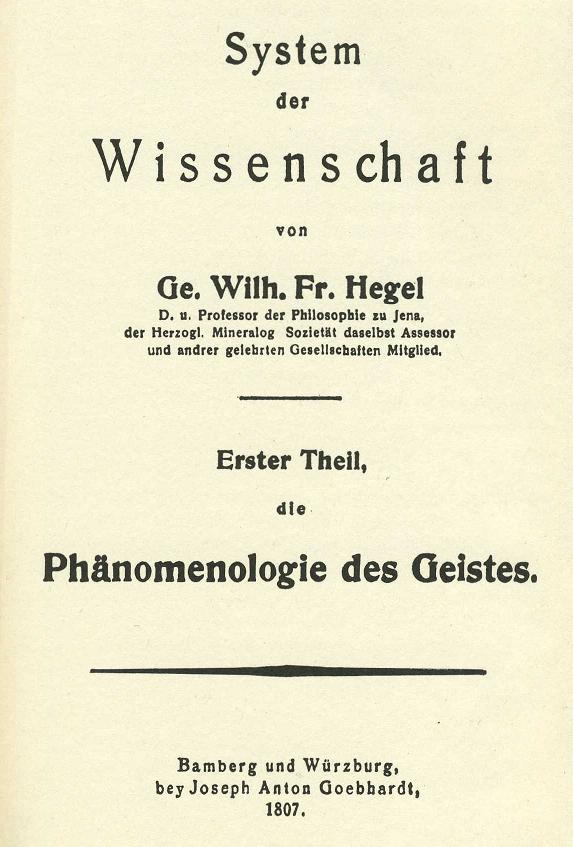 Book
Primary source
The Phenomenology of Spirit
Georg Wilhelm Friedrich Hegel · 1807
 Book
Primary source
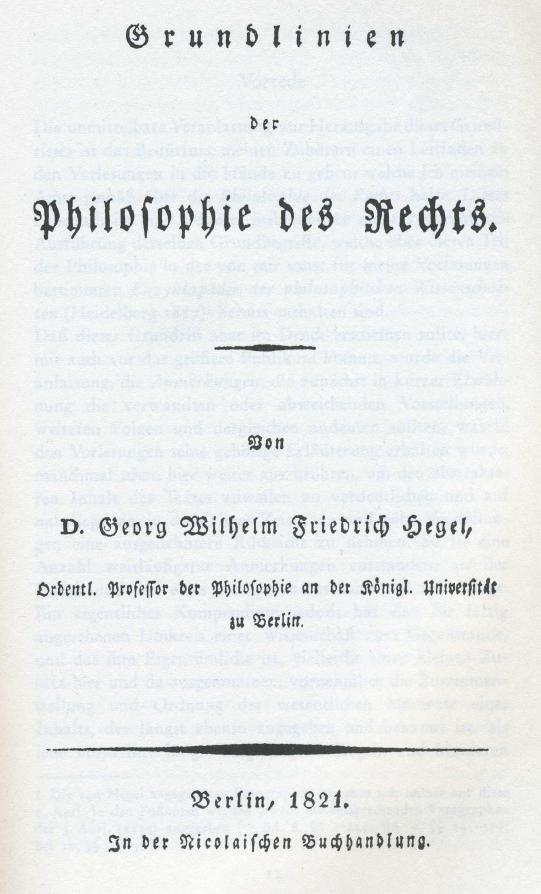
Elements of the Philosophy of Right
Georg Wilhelm Friedrich Hegel · 1821
 Book
Primary source
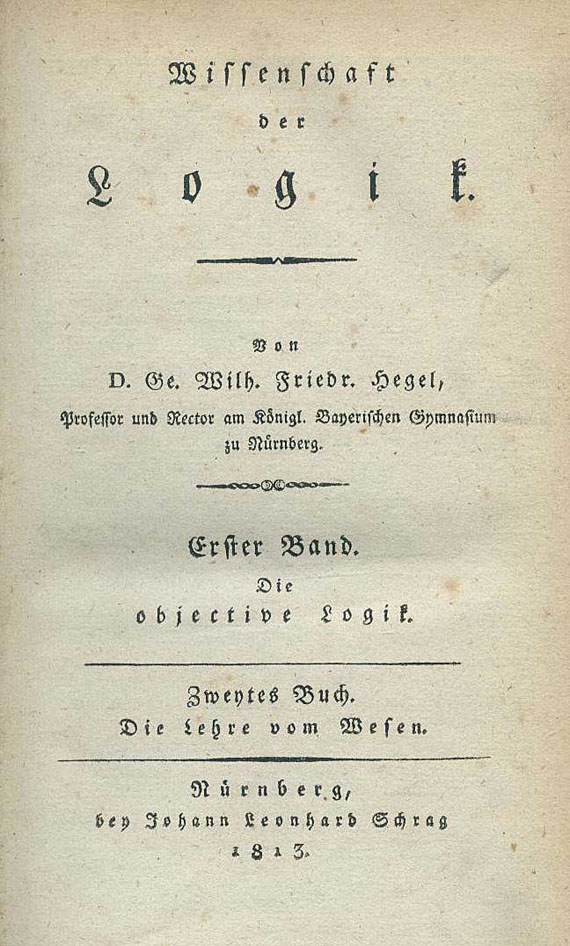
Science of Logic
Georg Wilhelm Friedrich Hegel · 1812-1816
 Book
Primary source
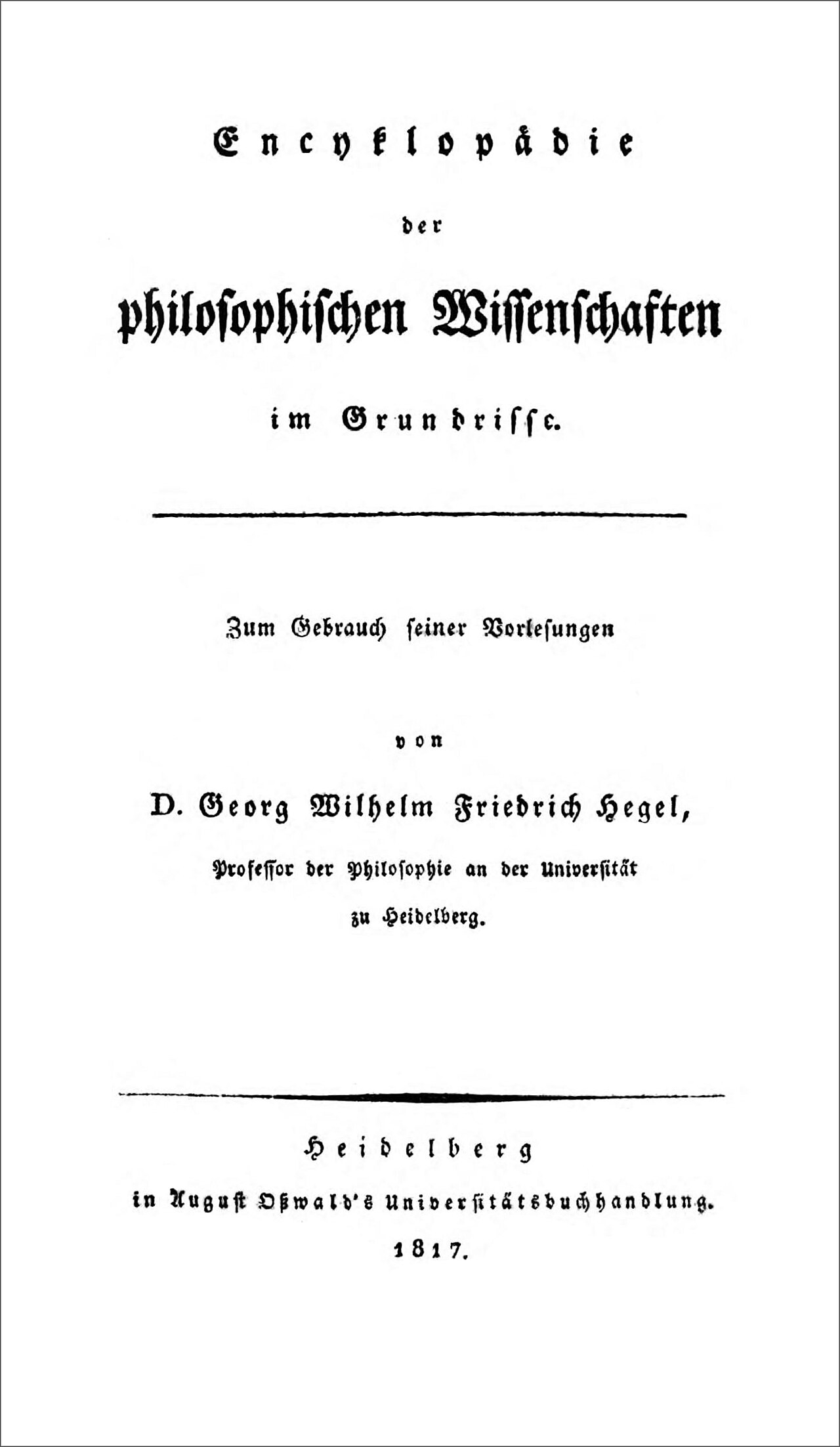
Encyclopedia of the Philosophical Sciences
Georg Wilhelm Friedrich Hegel · 1817
 Painting
Primary source
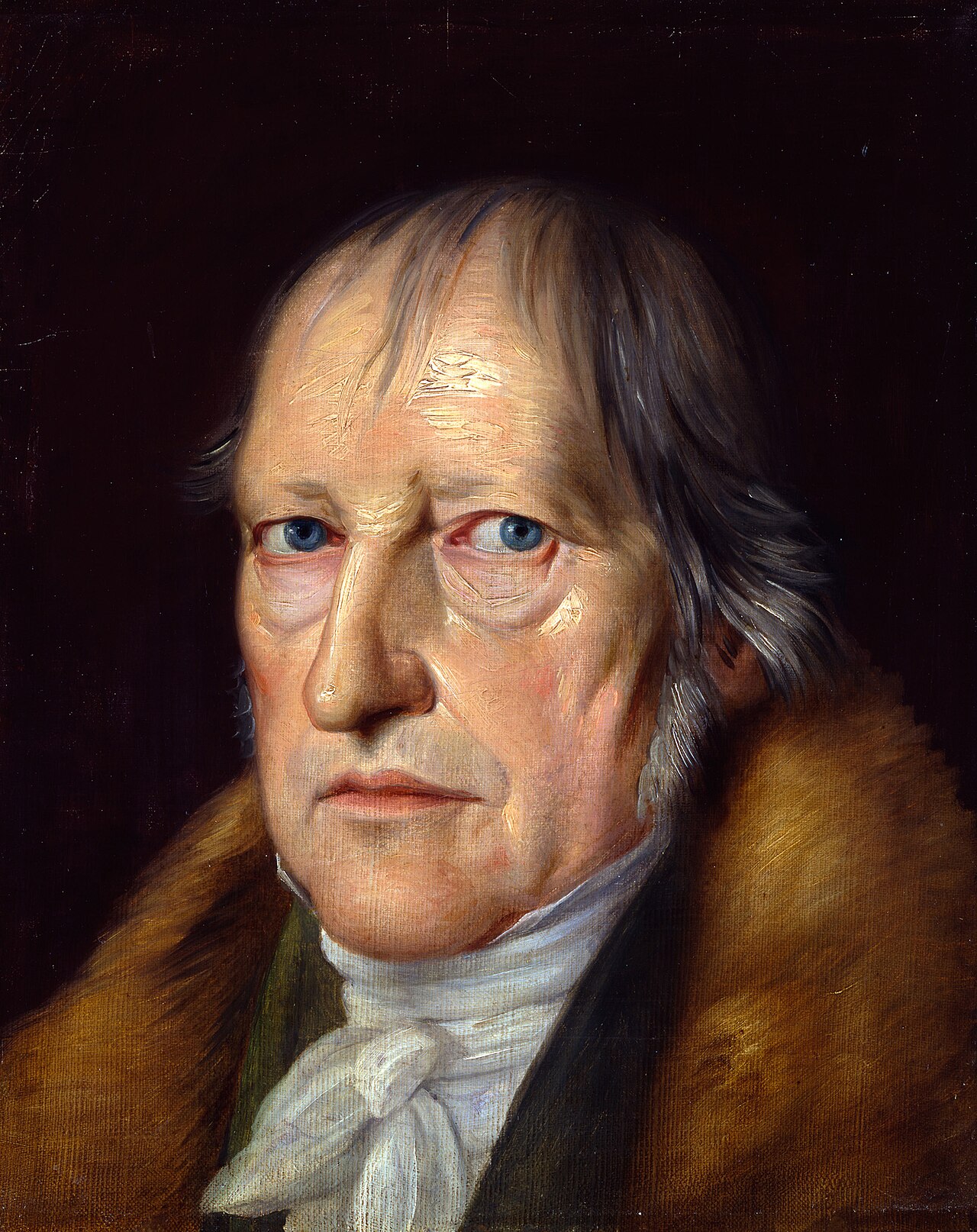
The Philosopher Georg Friedrich Wilhelm Hegel
Jakob Schlesinger · 1831
Ready when you are
Start chatting with Georg Wilhelm Friedrich Hegel now.
20 messages free · No credit card · Available in 50+ languages.