


Secondary sourceArtifact18th century (engraving)
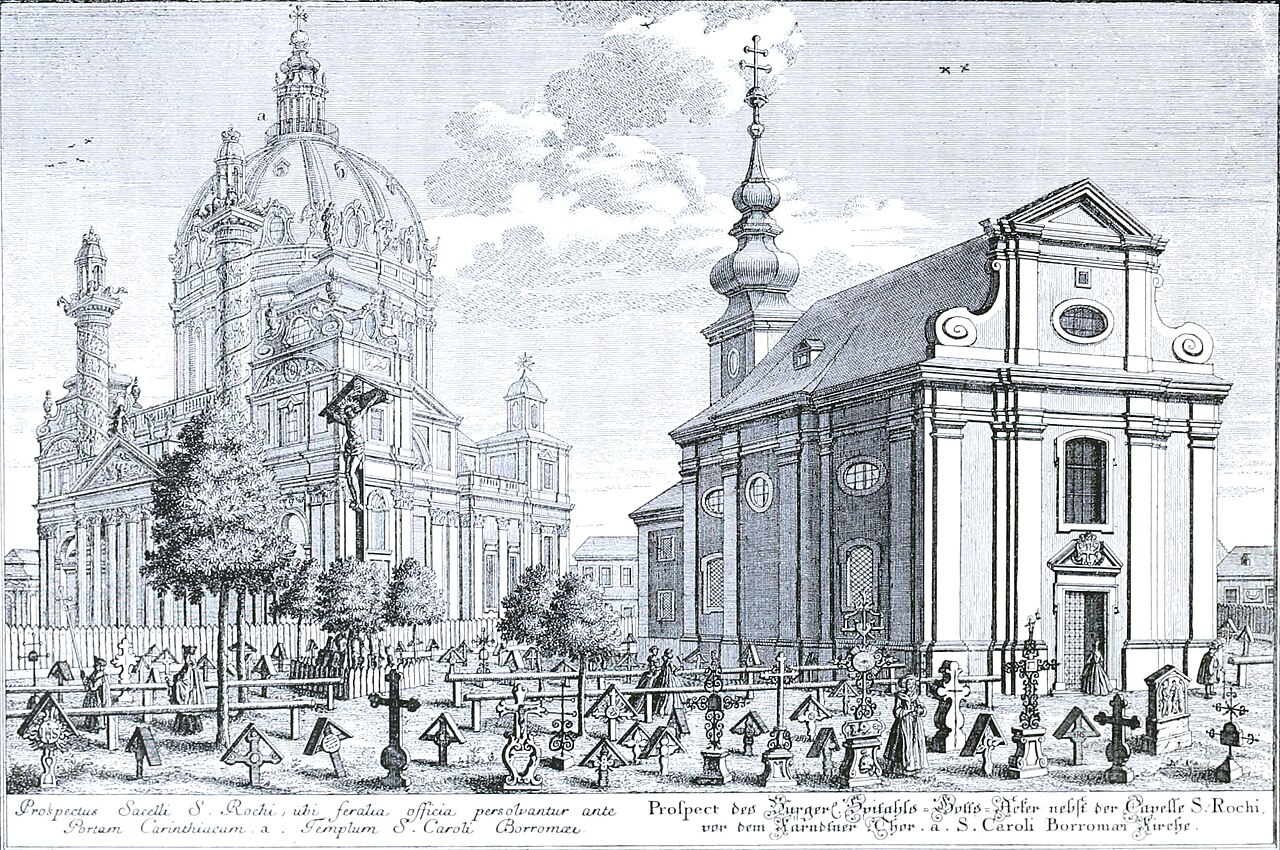
View of the Bürgerspital Cemetery, Vienna
18th century (engraving)
An old engraving of the Bürgerspital cemetery near the Kärntnertor in Vienna, where Vivaldi was buried in 1741, a site that no longer survives.
This engraving depicts the Vienna cemetery where Vivaldi was buried after his death in 1741.
About this source
What it is
This is an engraved print showing the Bürgerspital cemetery and nearby chapel in Vienna, near the Kärntnertor gate. The image shows two churches, one with a dome and column, the other with an onion-domed tower, with gravestones and crosses in the foreground.
Why it matters
Antonio Vivaldi died in Vienna in 1741 and was buried in this cemetery, which has since disappeared from the modern city. Because the site no longer exists, this print is one of the few visual records of the place where Vivaldi's life ended, far from his native Venice, in reduced circumstances.
Look closer
- What does the loss of this cemetery mean for historians trying to study Vivaldi's burial?
- Why might an engraving like this be a more reliable record than a modern photograph of the same site?
- What questions does this image not answer about Vivaldi's final days?
This artifact is part of the curated material that grounds the AI version of Antonio Vivaldi on Humy.ai — when students ask about related events, the AI can quote it and cite it.
More Antonio Vivaldi sources
Browse all 41 →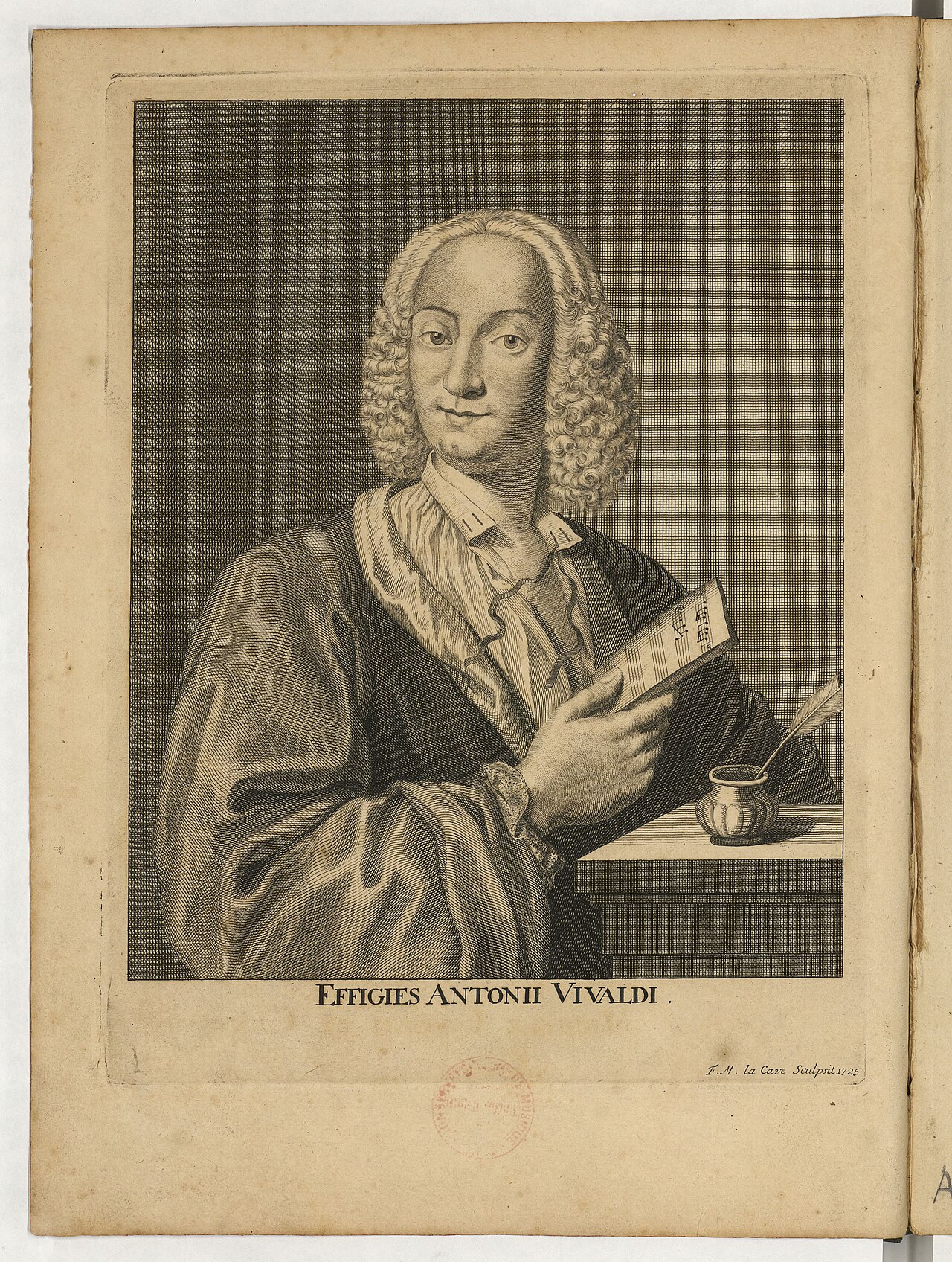 Document
Primary source
Il cimento dell'armonia e delle inventione, Op. 8
Antonio Vivaldi · 1725
 Artifact
Primary source
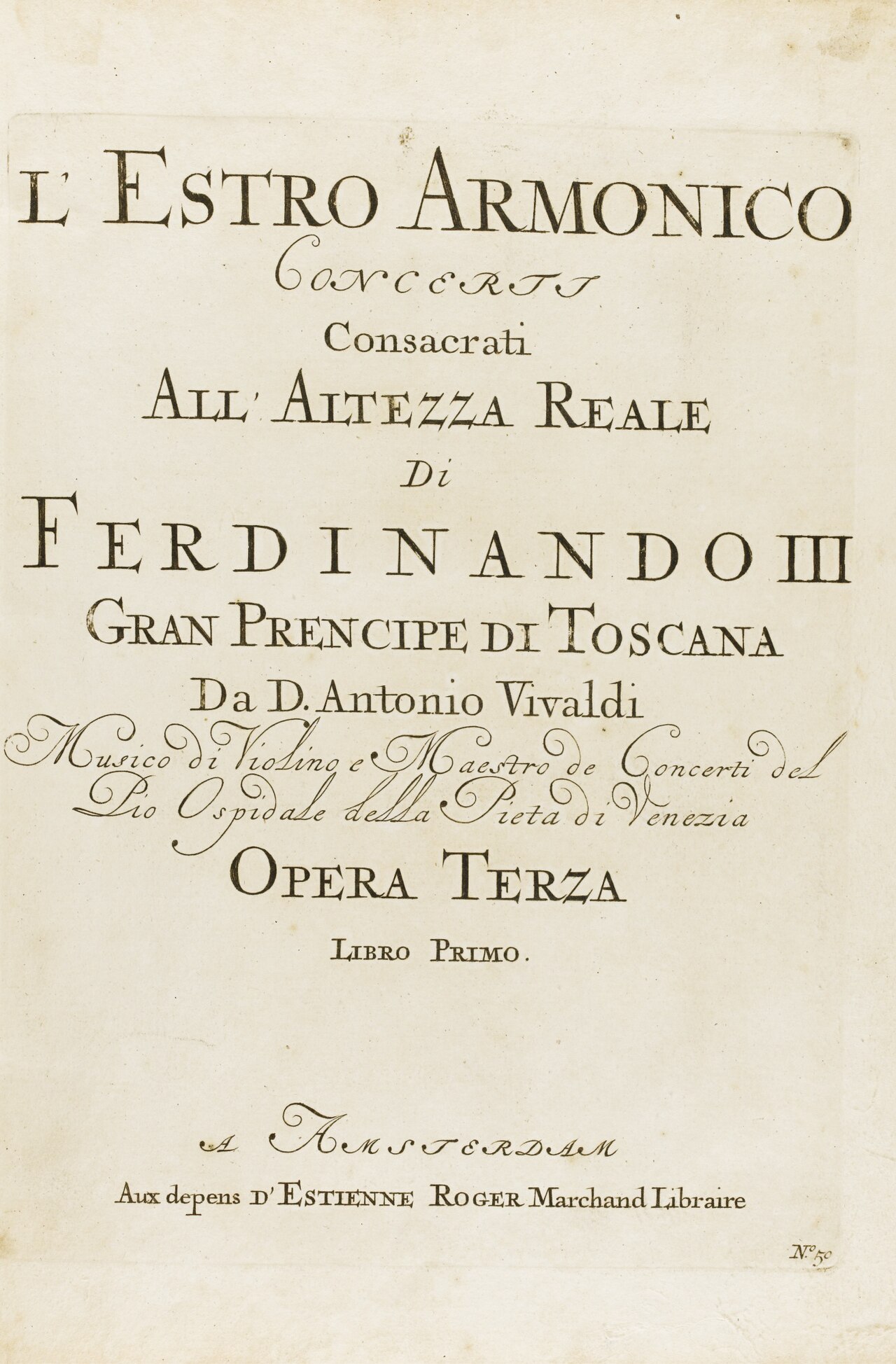
L'estro armonico, Op. 3
Antonio Vivaldi · 1711
 Painting
Primary source
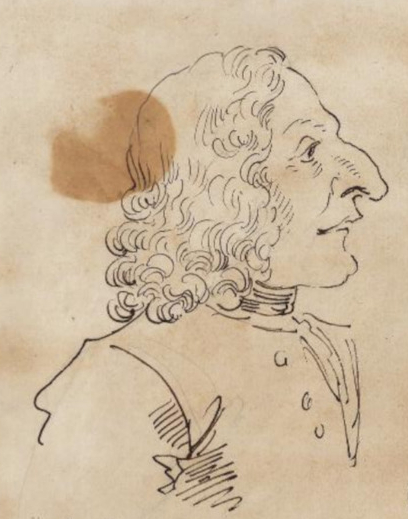
Caricature of Vivaldi
Pier Leone Ghezzi · 1723
 Document
Primary source
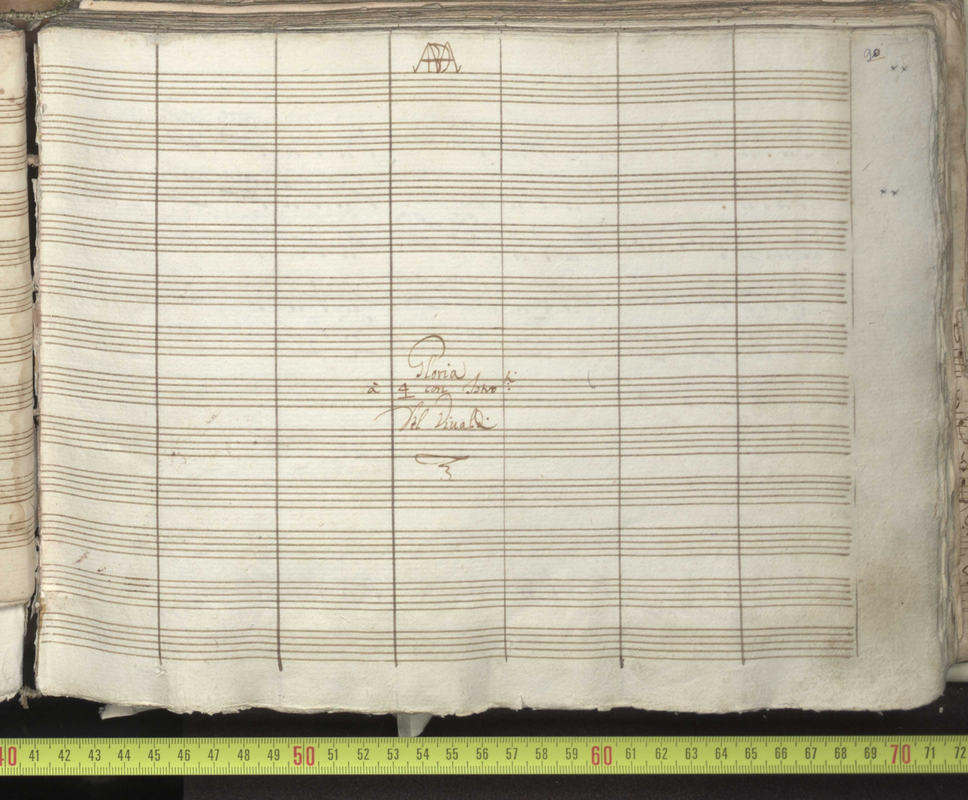
Gloria in D Major, RV 589
Antonio Vivaldi · c. 1713-1715
Free account
Read every Antonio Vivaldi source
Sign up free →
Ready when you are
Start chatting with Antonio Vivaldi now.
20 messages free · No credit card · Available in 50+ languages.