


Secondary sourceArtifact1865
Vinterviken
1865
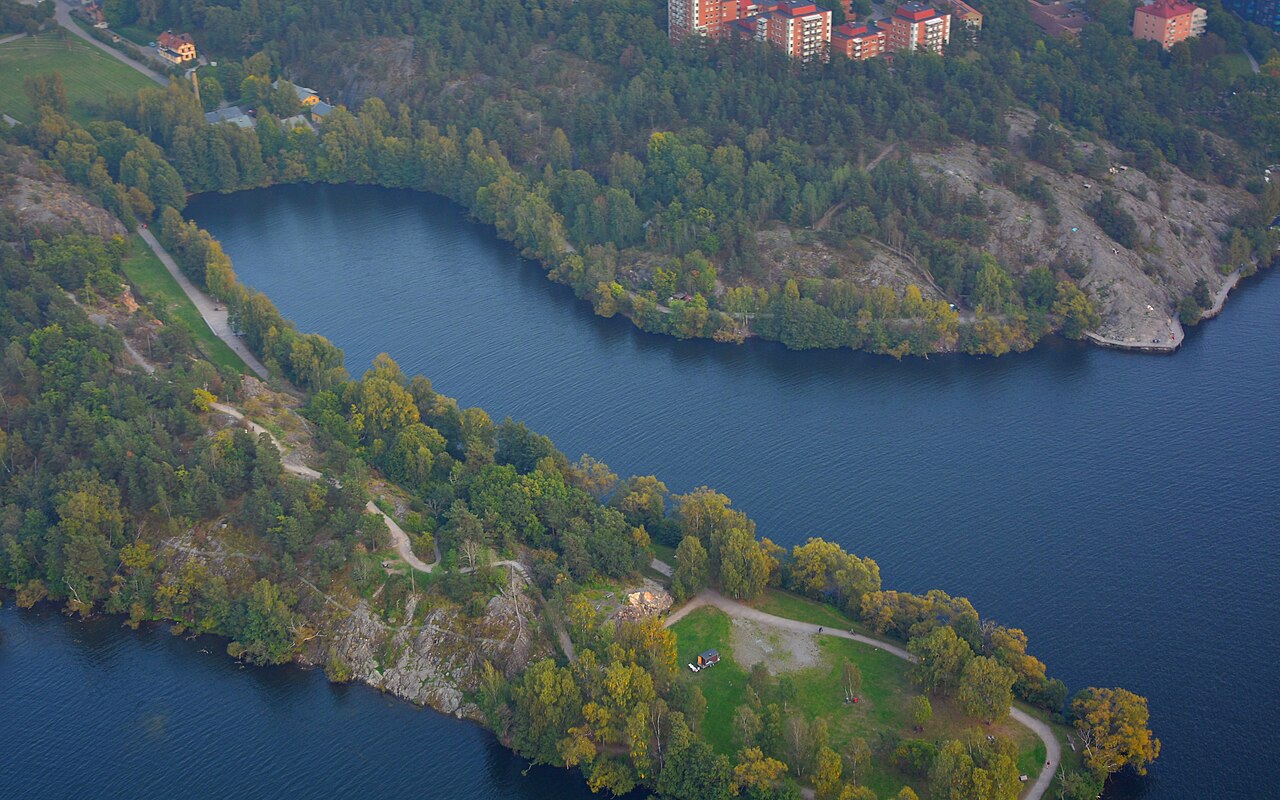
A bay and former factory site in Stockholm where Alfred Nobel moved his dynamite production after a deadly explosion destroyed his earlier lab.
Nobel bought and developed Vinterviken as his dynamite factory site after an earlier lab explosion.
About this source
What it is
Vinterviken is a bay in Stockholm, Sweden, surrounded by cliffs and woodland. Alfred Nobel bought the area in 1865 and built a laboratory, factory, railroad, harbour and housing for workers there.
Why it matters
Nobel moved his dangerous experiments here after an explosion at his earlier Heleneborg laboratory. The isolated, rocky site let him continue developing dynamite more safely, away from the city. Dynamite was made here until 1921, and the site shows how industrial safety concerns shaped where and how Nobel worked.
Look closer
- Why would cliffs and isolation make a site safer for explosives research?
- What does the choice of this location tell you about the risks of Nobel's work?
- How has the site's use changed since Nobel's time, and what does that say about industrial history?
This artifact is part of the curated material that grounds the AI version of Alfred Nobel on Humy.ai — when students ask about related events, the AI can quote it and cite it.
More Alfred Nobel sources
Browse all 98 →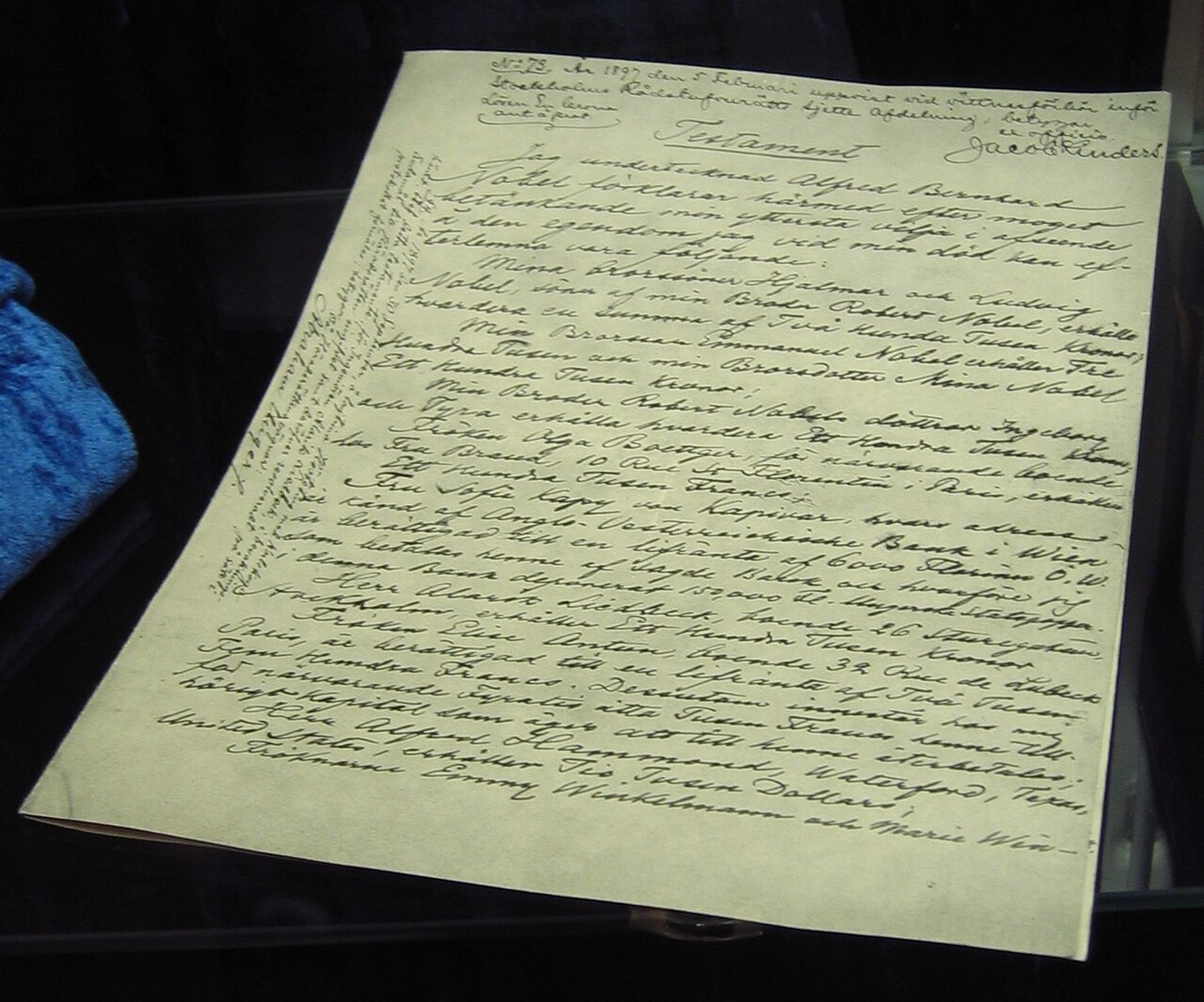 Document
Primary source
Alfred Nobel's Will
Alfred Nobel · 27 November 1895
Primary source
Improved Explosive Compound Patent
Alfred Nobel · 26 May 1868
 Letter
Primary source
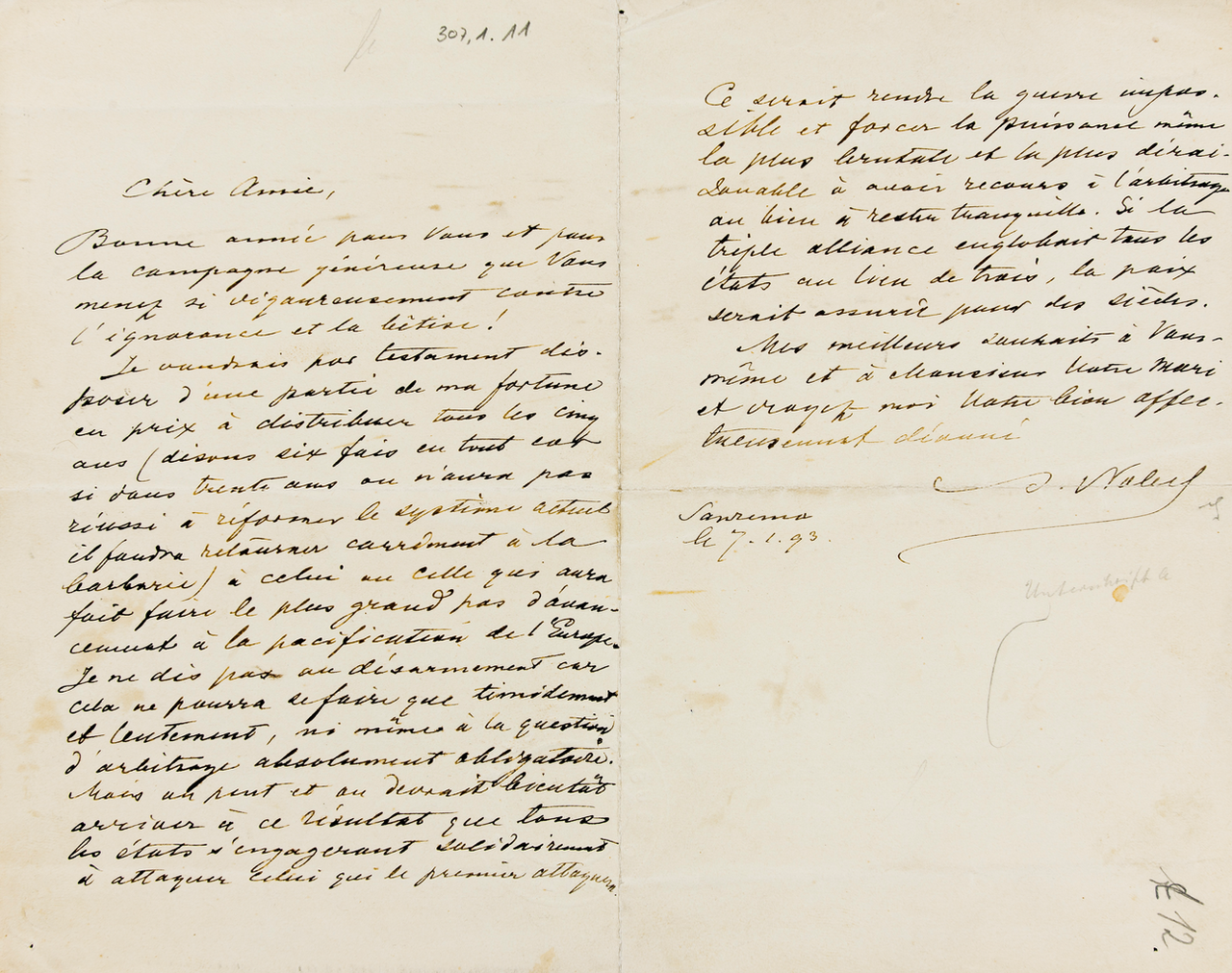
Letter from Alfred Nobel to Bertha von Suttner
Alfred Nobel · 7 January 1893
 Book
Primary source
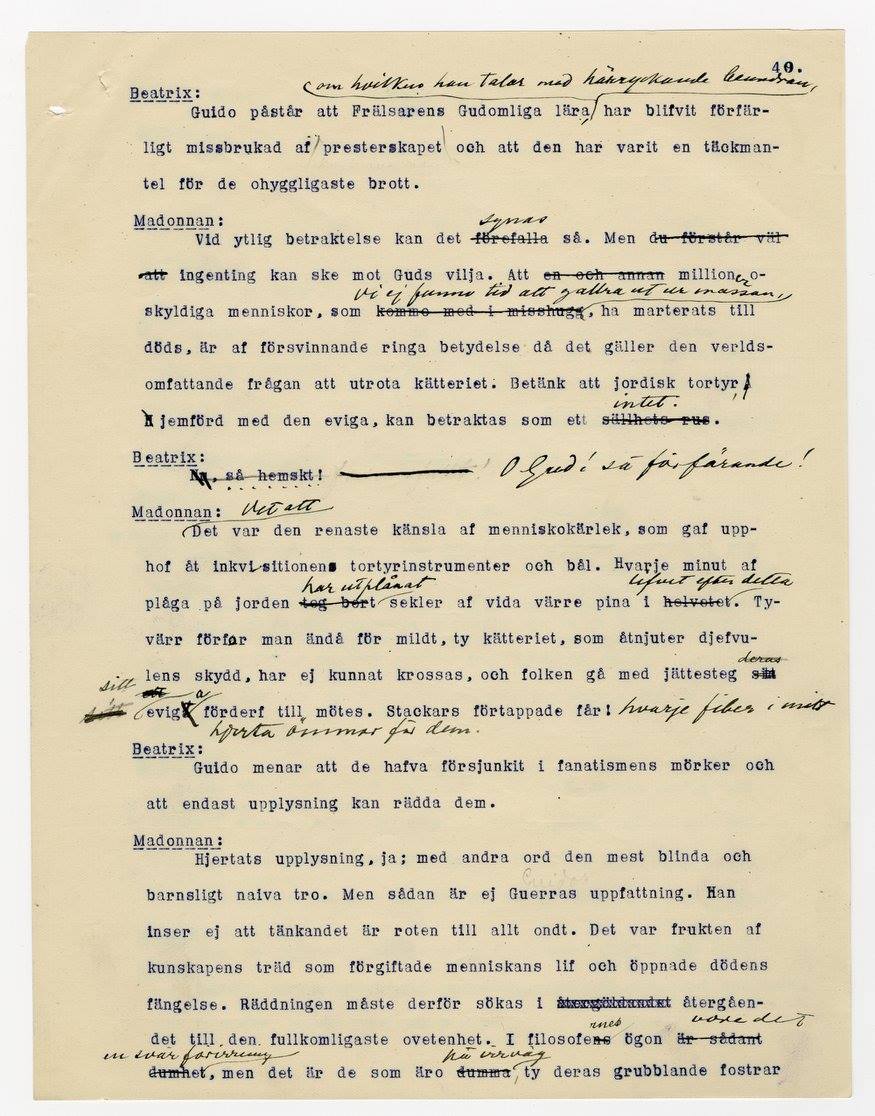
Nemesis
Alfred Nobel · 1896
Free account
Read every Alfred Nobel source
Sign up free →
Ready when you are
Start chatting with Alfred Nobel now.
20 messages free · No credit card · Available in 50+ languages.