


Primary sourcePaintingc. 1490
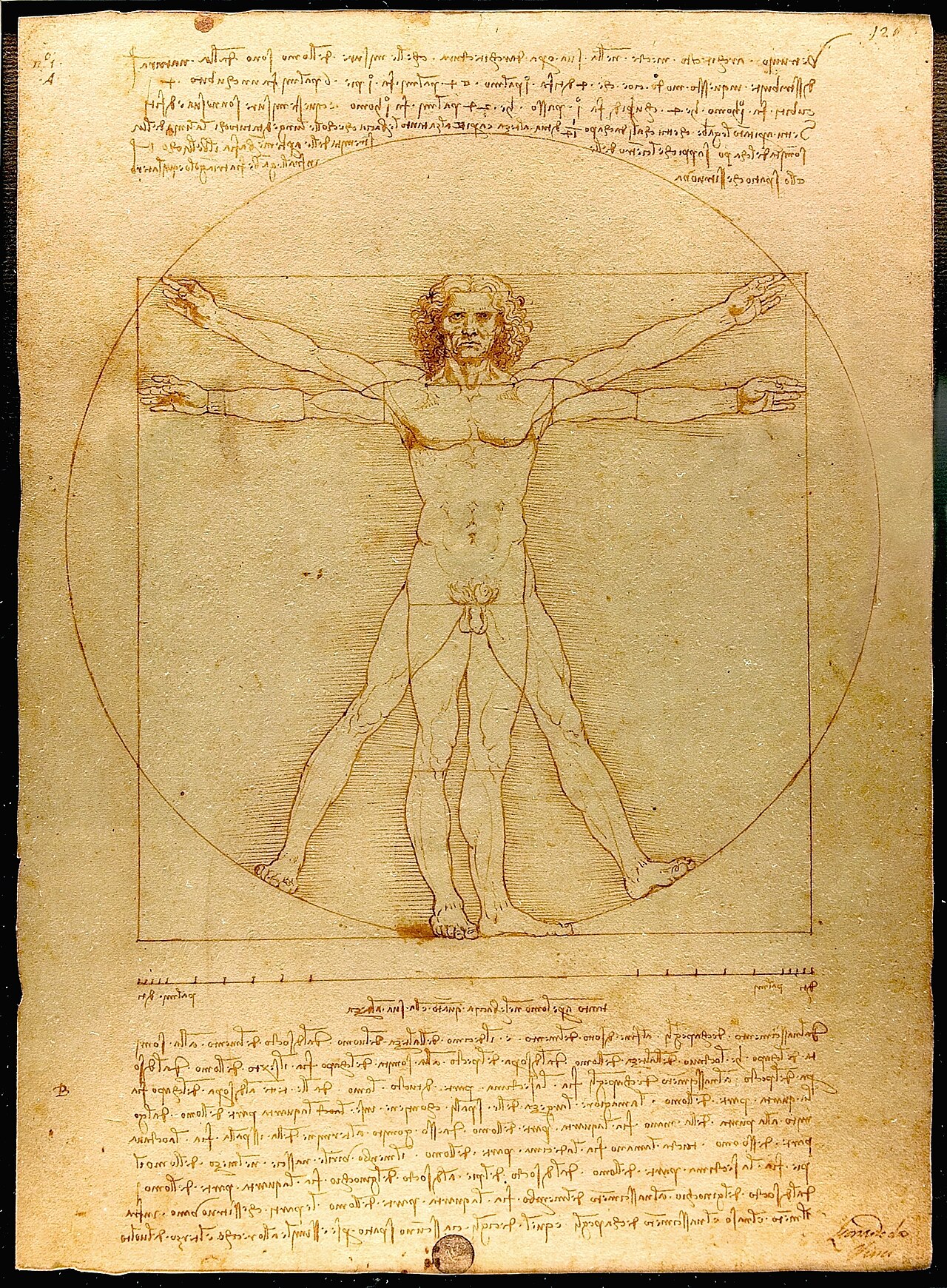
Vitruvian Man
Leonardo da Vinci · c. 1490
A famous drawing by Leonardo da Vinci showing a nude man in two overlapping poses inside a circle and a square, based on ideas from the Roman writer Vitruvius.
A key drawing showing Leonardo's fusion of art, mathematics and classical learning.
About this source
What it is
The Vitruvian Man is a pen-and-ink drawing made by Leonardo da Vinci around 1490 in Milan. It shows a man standing with arms and legs in two different positions, inscribed within a circle and a square, illustrating ideas about human proportion from the ancient Roman architect Vitruvius. It is now held at the Gallerie dell'Accademia in Venice.
Why it matters
The drawing shows how Leonardo combined careful observation, geometry and classical learning in a single image. Notes in his own mirror writing surround the figure, showing his working method of linking art and science.
Look closer
- Why did Leonardo draw the figure in two overlapping poses instead of one?
- What do the precise compass marks and measurements tell you about how carefully this was made?
- Why might a drawing about proportion have become such a famous image?
This painting is part of the curated material that grounds the AI version of Leonardo da Vinci on Humy.ai — when students ask about related events, the AI can quote it and cite it.
More Leonardo da Vinci sources
Meet the AI Leonardo da Vinci →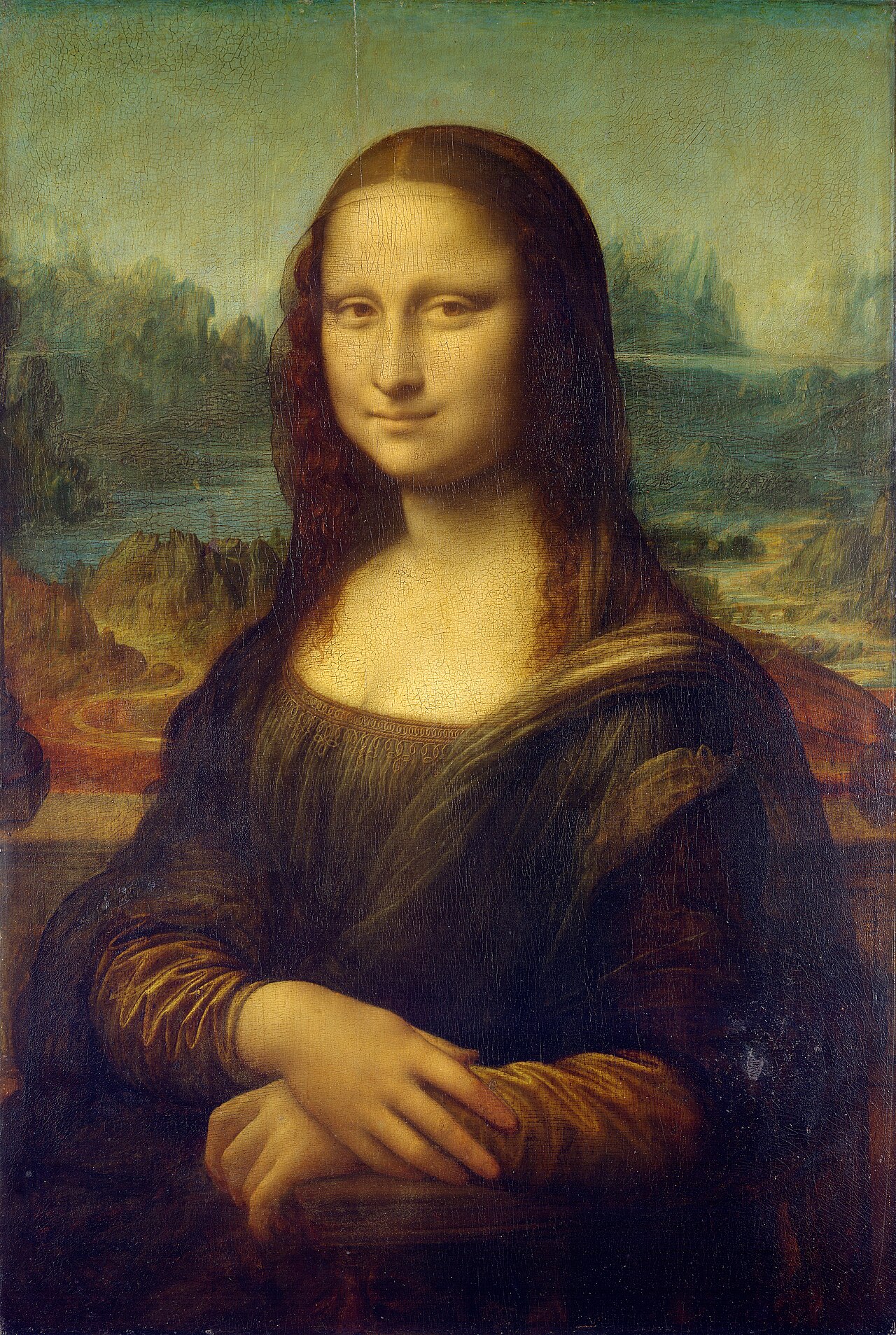 Painting
Primary source
Mona Lisa
Leonardo da Vinci · c. 1503-1519
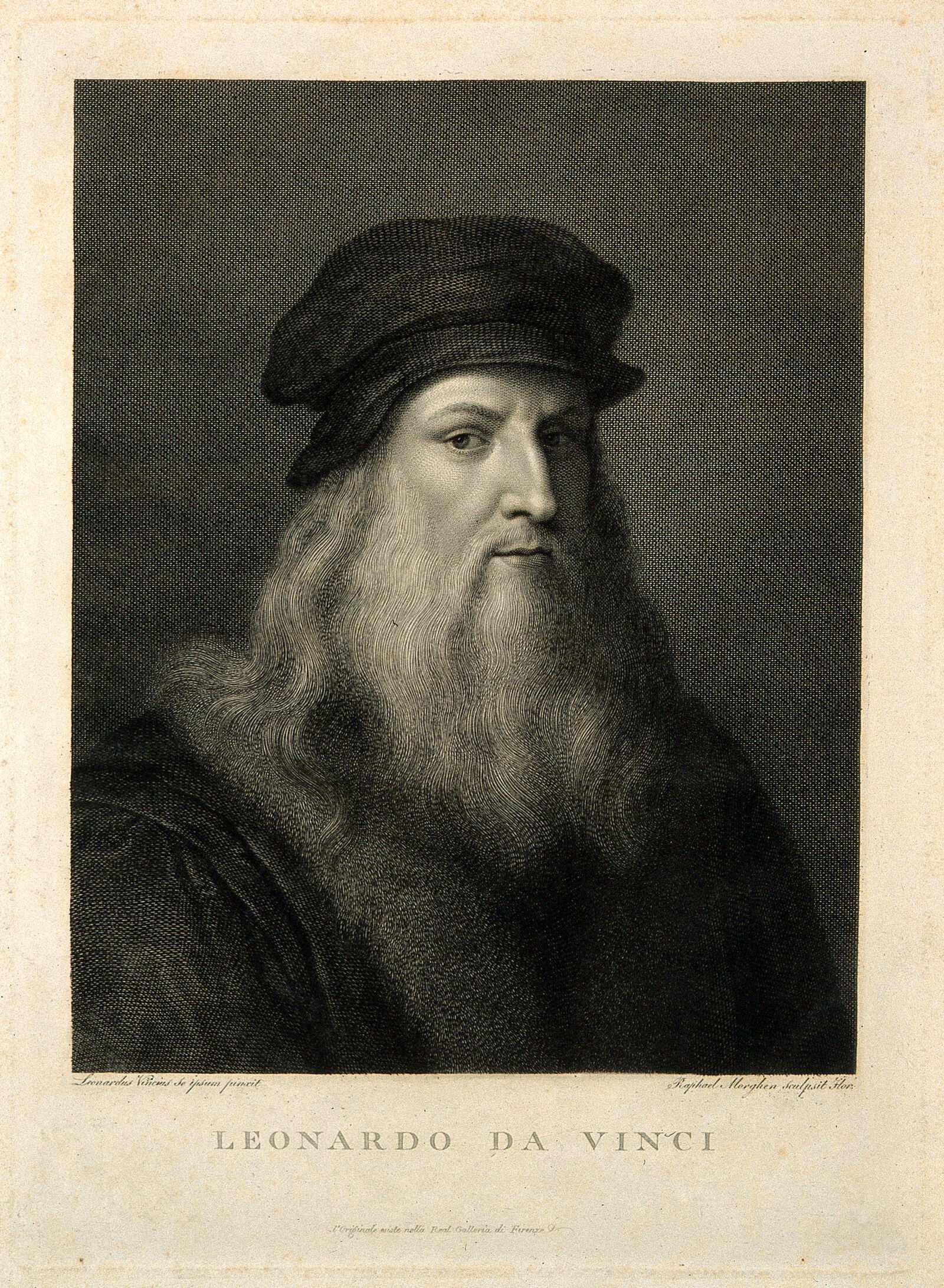 Painting
Secondary source
Leonardo da Vinci portrait line engraving by Raphael Morghen
R. Morghen
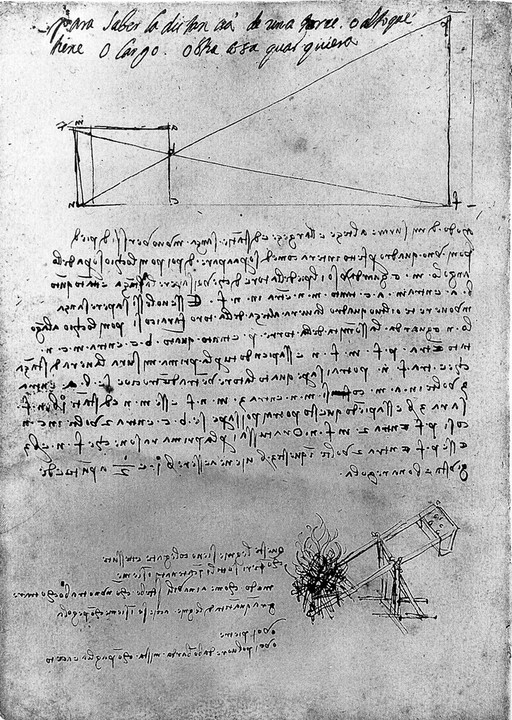 Book
Primary source
Manuscript Notebook MS B
Leonardo da Vinci
 Painting
Primary source
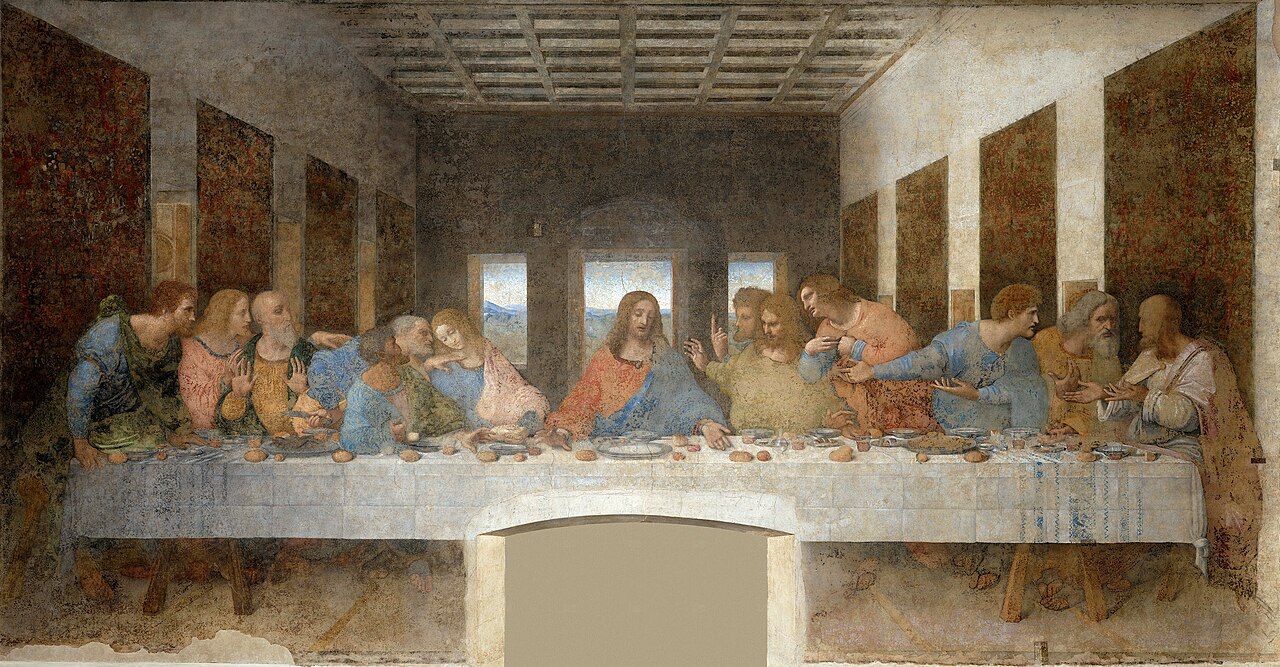
The Last Supper
Leonardo da Vinci · c. 1495-1498
 Painting
Primary source
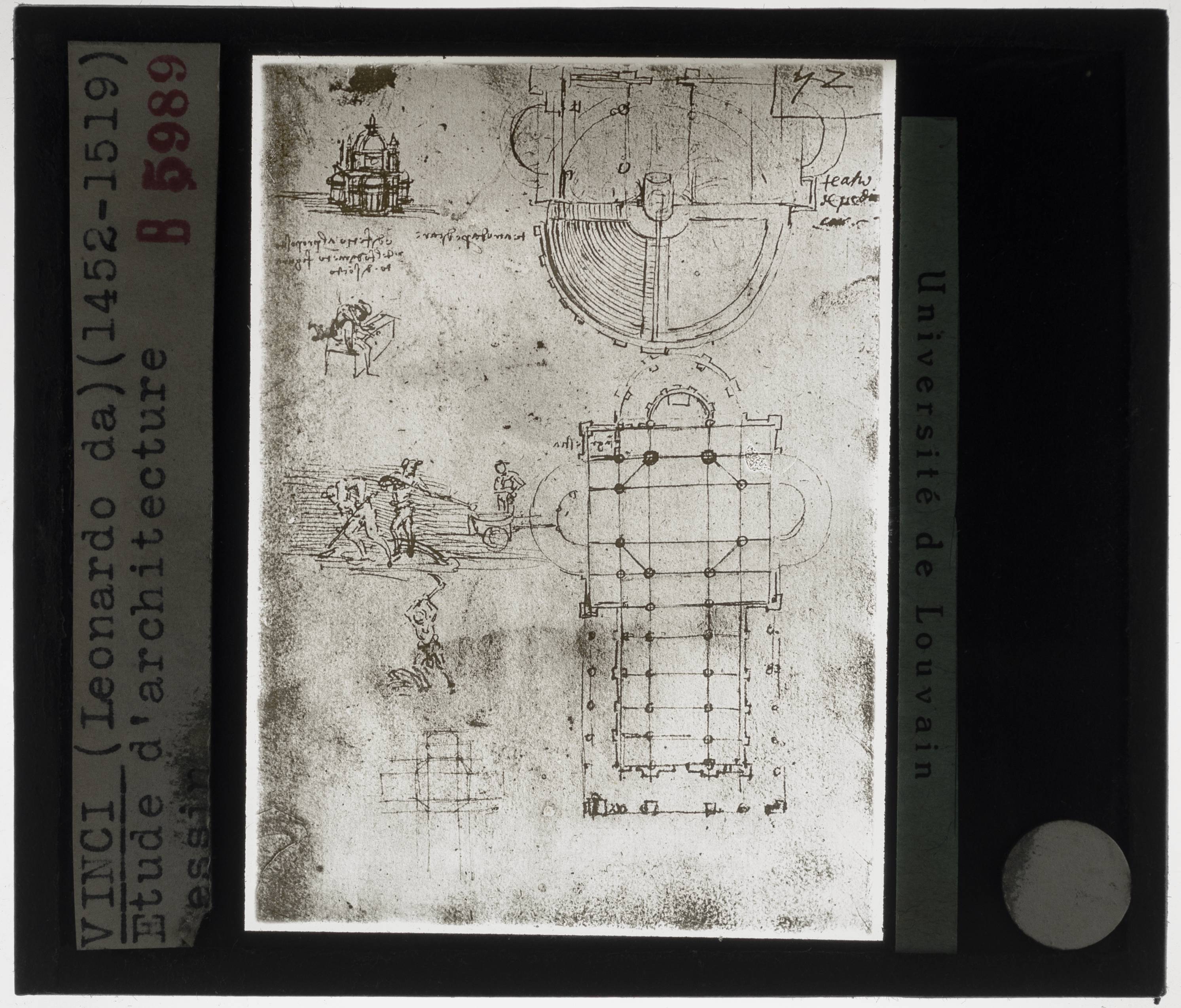
Architectural Studies
Leonardo da Vinci · c. 1500
Ready when you are
Start chatting with Leonardo da Vinci now.
20 messages free · No credit card · Available in 50+ languages.