


Primary sourceBook1921
Vivekachudamani, translated by Swami Madhavananda
Ādi Shankara; translated by Swami Madhavananda · 1921
A Sanskrit verse work attributed to Shankara on discrimination between the real and unreal, with facing English translation and notes.
This is Shankara's own treatise on discriminating between the real and the unreal, with English translation.
About this source
What it is
This is an edition of the Vivekachudamani, a Sanskrit verse treatise attributed to Sri Sankaracharya, printed with an English translation, notes, and an index by Swami Madhavananda in 1921. It opens with a verse of salutation to the divine and to the teacher, and explains its title as meaning 'Crest-jewel of discrimination'.
Why it matters
The text addresses the distinction between what is real (Brahman) and what is unreal (the everyday world), a central idea in Shankara's Advaita Vedanta. The notes mention that Shankara's own teacher was named Govindapada, connecting the opening verse to Shankara's personal lineage of learning.
Look closer
- What does the opening verse's salutation tell you about who Shankara considered his teacher?
- Why might a philosophical text open with a verse of devotion rather than an argument?
- How does the translator's note about the title help a reader understand the text's purpose?
This book is part of the curated material that grounds the AI version of Adi Shankaracharya on Humy.ai — when students ask about related events, the AI can quote it and cite it.
More Adi Shankaracharya sources
Meet the AI Adi Shankaracharya →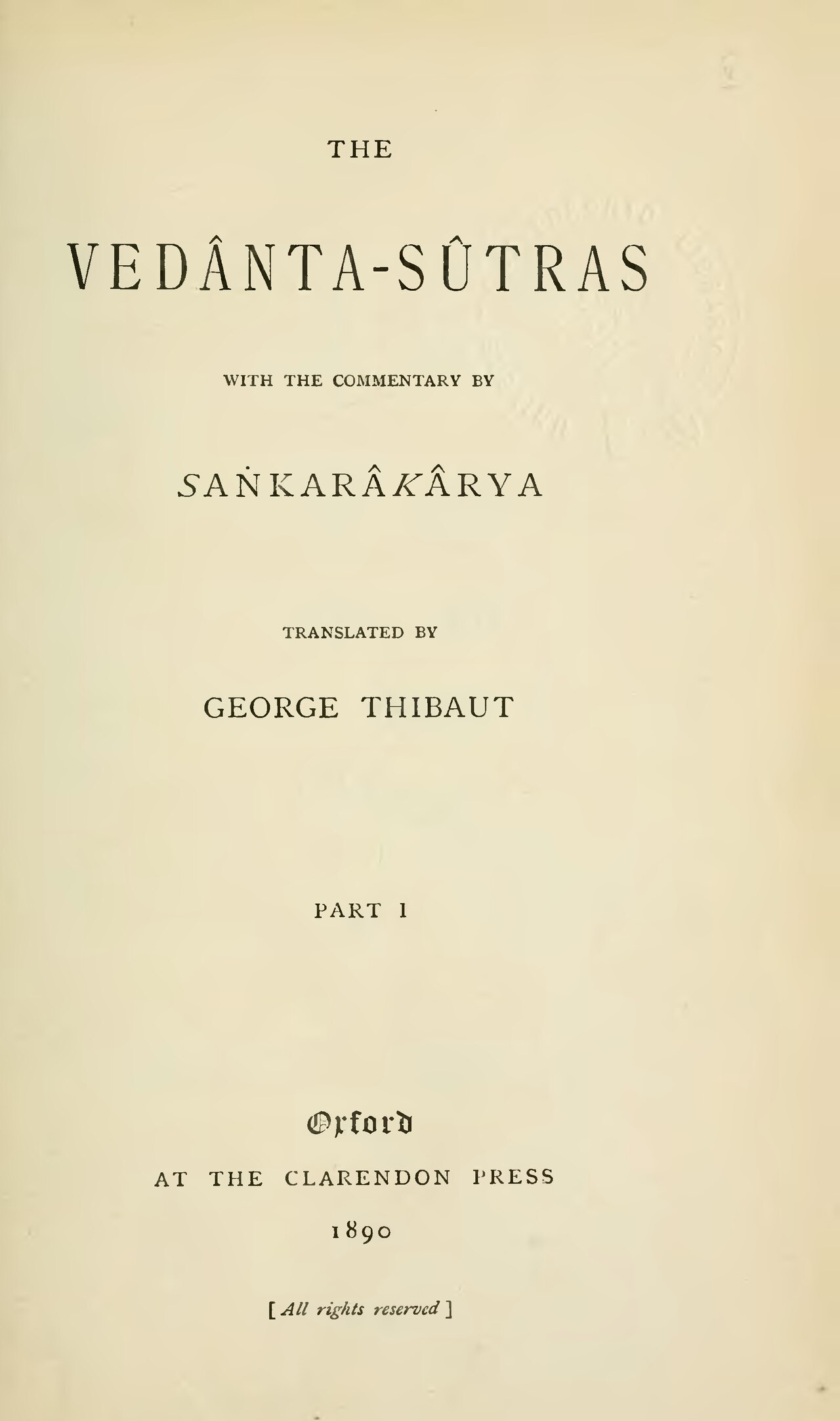 Book
Primary source
Brahma Sutra Bhashya
Adi Shankara · c. early 8th century
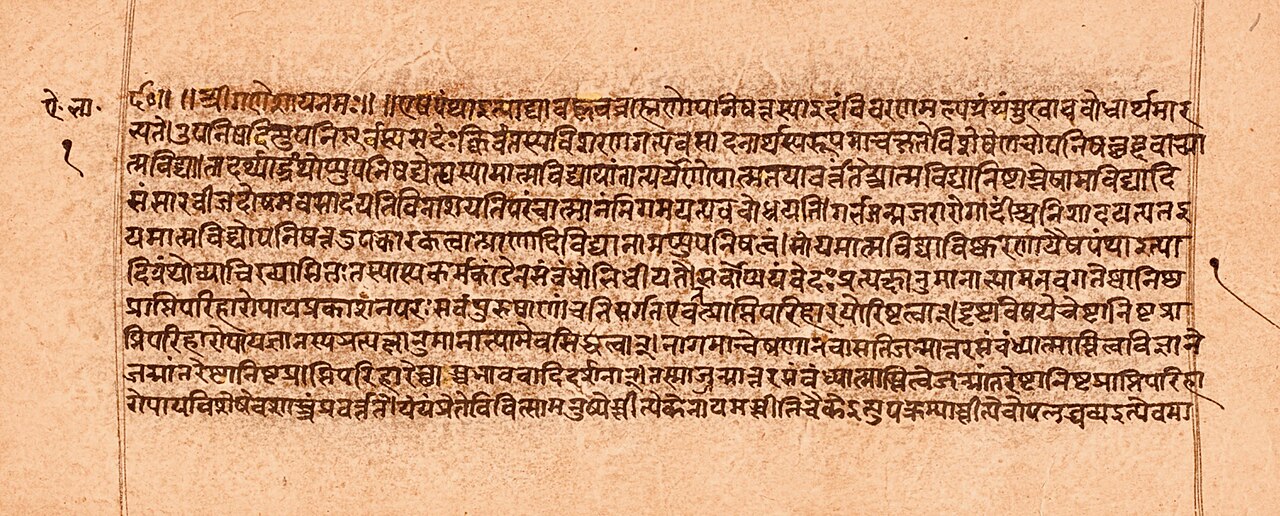 Document
Secondary source
Manuscript of Shankara's Aitareya Upanishad Commentary
1593 CE (manuscript copy)
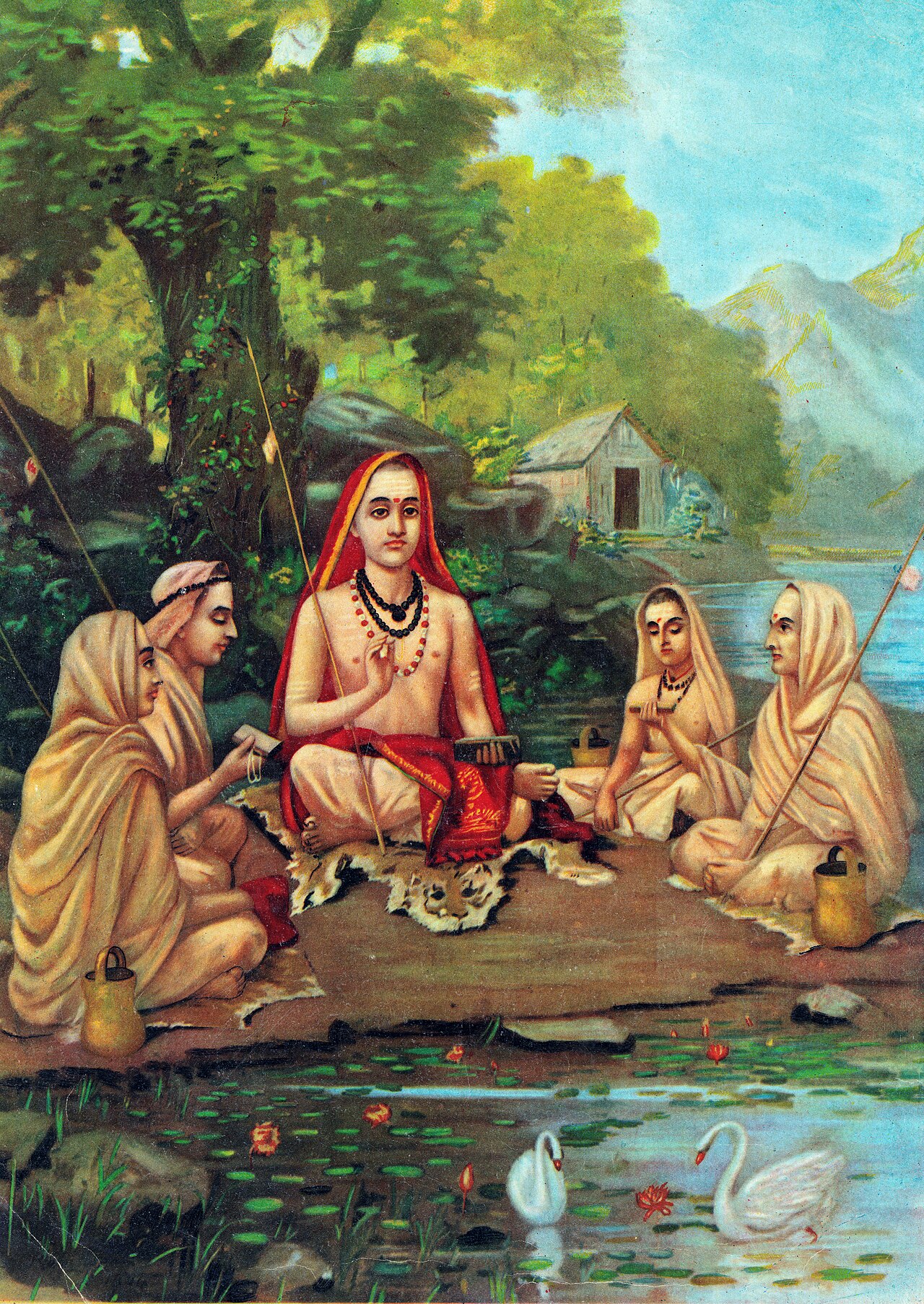 Painting
Secondary source
Portrait of Adi Shankara with Disciples
Raja Ravi Varma
 Artifact
Secondary source
Kedarnath Temple
traditionally 8th century
 Artifact
Secondary source
Sringeri Sharada Peetham
traditionally 8th century; developed 14th century onward
Ready when you are
Start chatting with Adi Shankaracharya now.
20 messages free · No credit card · Available in 50+ languages.