


Secondary sourcePainting
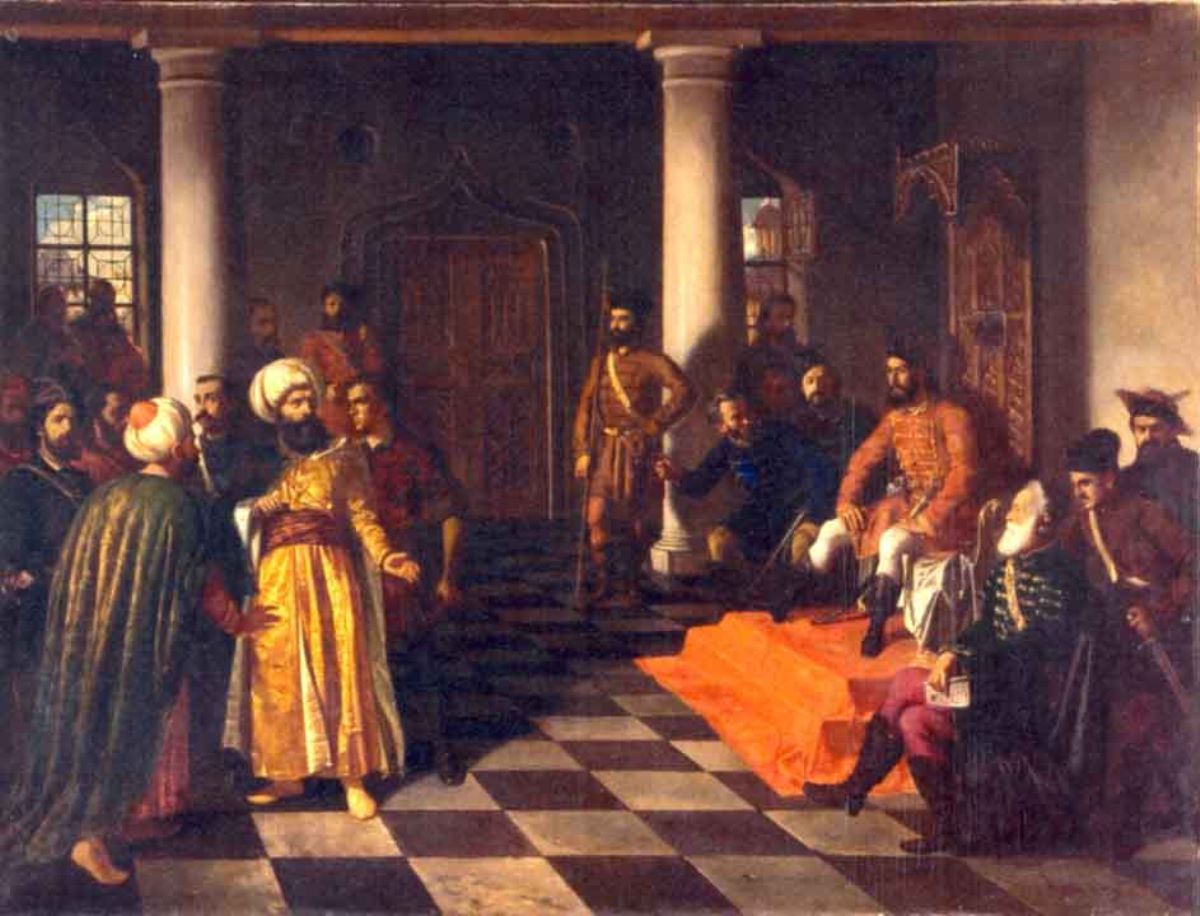
Vlad the Impaler and the Turkish Envoys
Theodor Aman
A 19th-century history painting by Theodor Aman showing Vlad receiving Ottoman envoys who refused to remove their turbans before him.
This later painting depicts a legendary episode from Vlad's reign involving his treatment of Ottoman envoys.
About this source
What it is
This is a painting by the Romanian artist Theodor Aman. It shows Vlad the Impaler seated on a throne in a grand hall, facing turbaned Ottoman envoys while armed guards look on.
Why it matters
The scene illustrates a famous story about Vlad's reign: when Ottoman envoys refused to remove their turbans in his presence, he is said to have had the turbans nailed to their heads. The painting was made centuries after Vlad's death, so it reflects how later Romanians remembered and dramatized him as a defiant ruler, rather than recording the event firsthand.
Look closer
- What does the pose and expression of Vlad suggest about how the artist wanted viewers to see him?
- Why might a 19th-century Romanian painter choose this particular story to paint?
- What details in the room suggest power and authority?
This painting is part of the curated material that grounds the AI version of Vlad the Impaler on Humy.ai — when students ask about related events, the AI can quote it and cite it.
More Vlad the Impaler sources
Browse all 83 →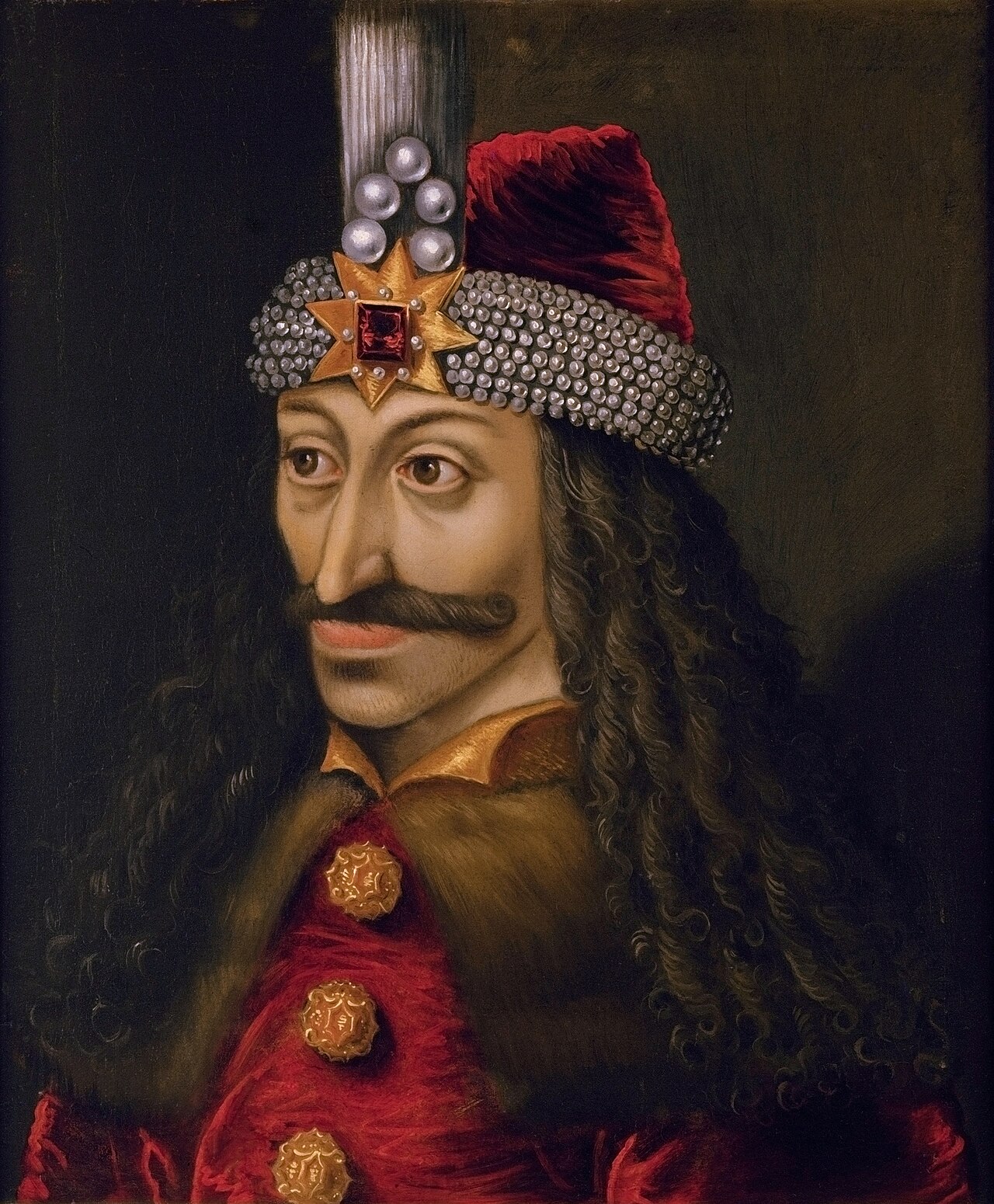 Painting
Secondary source
Portrait of Vlad Țepeș (Ambras Castle)
Unknown · c. 1560 (copy of lost original)
 Document
Primary source
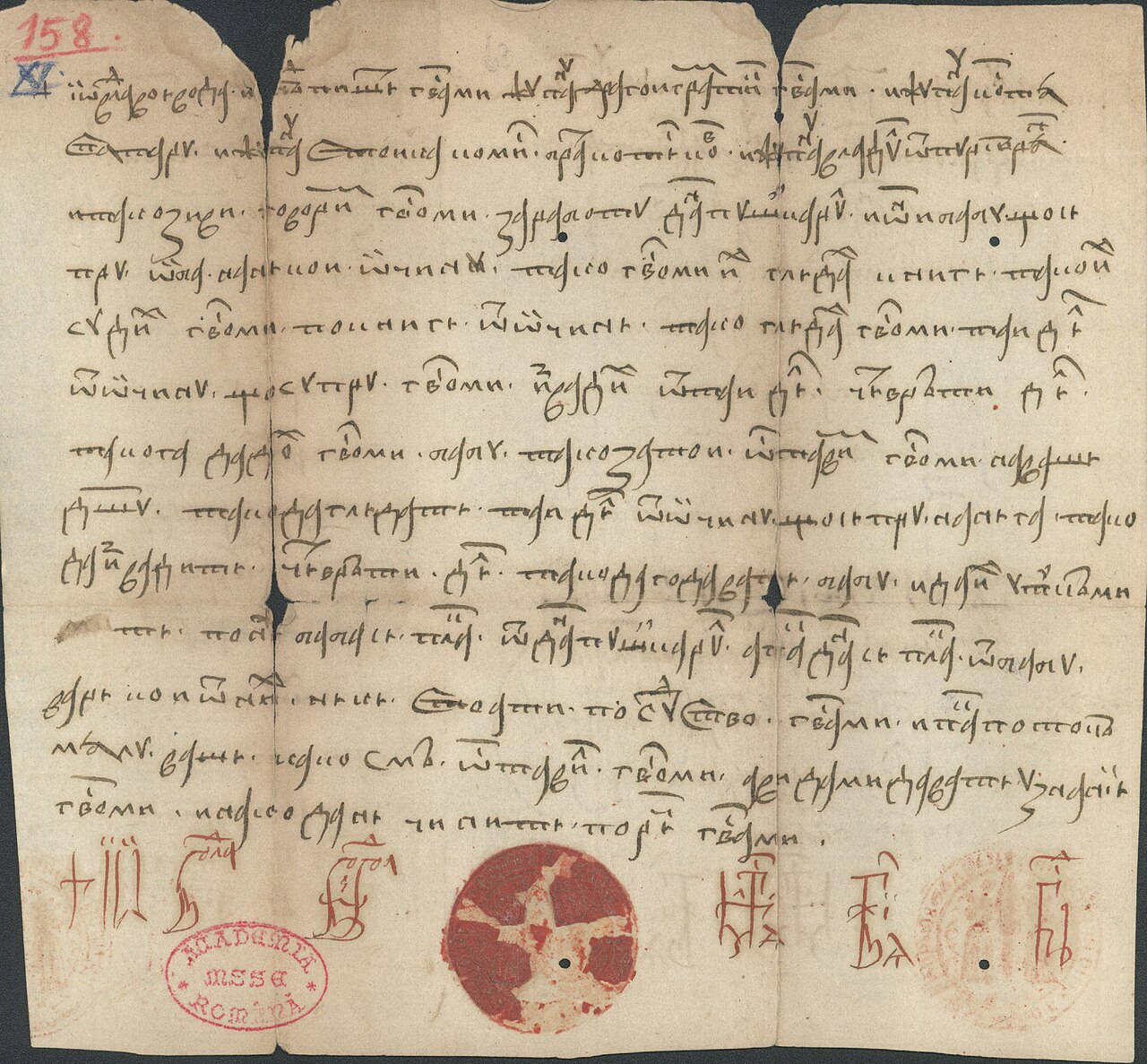
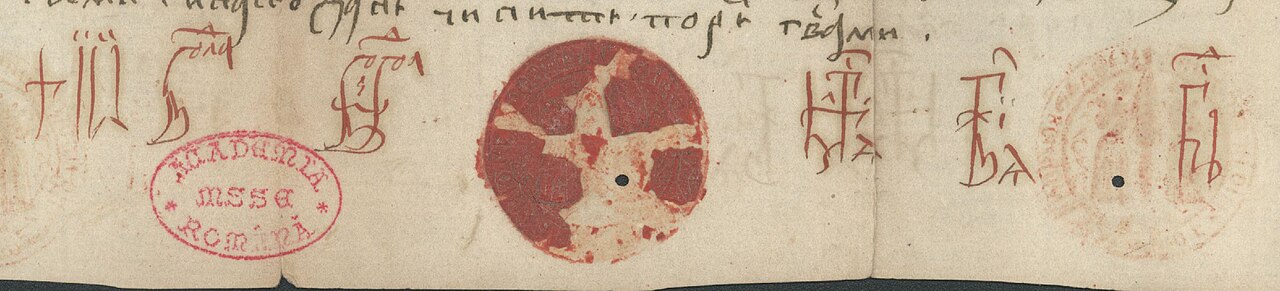
Hrisov of Vlad Țepeș to his Boyars (Baba Estate)
Vlad Țepeș · 15th century
 Letter
Primary source
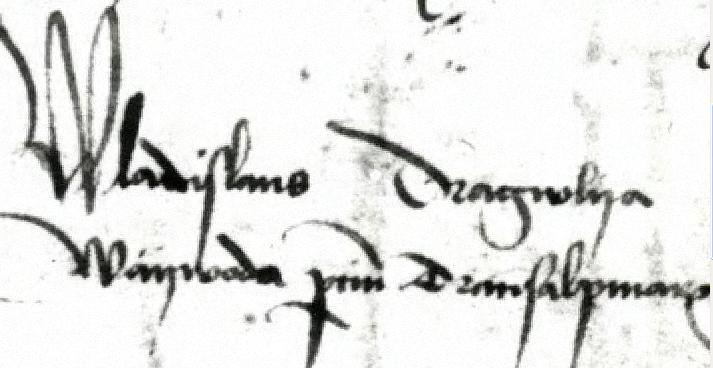
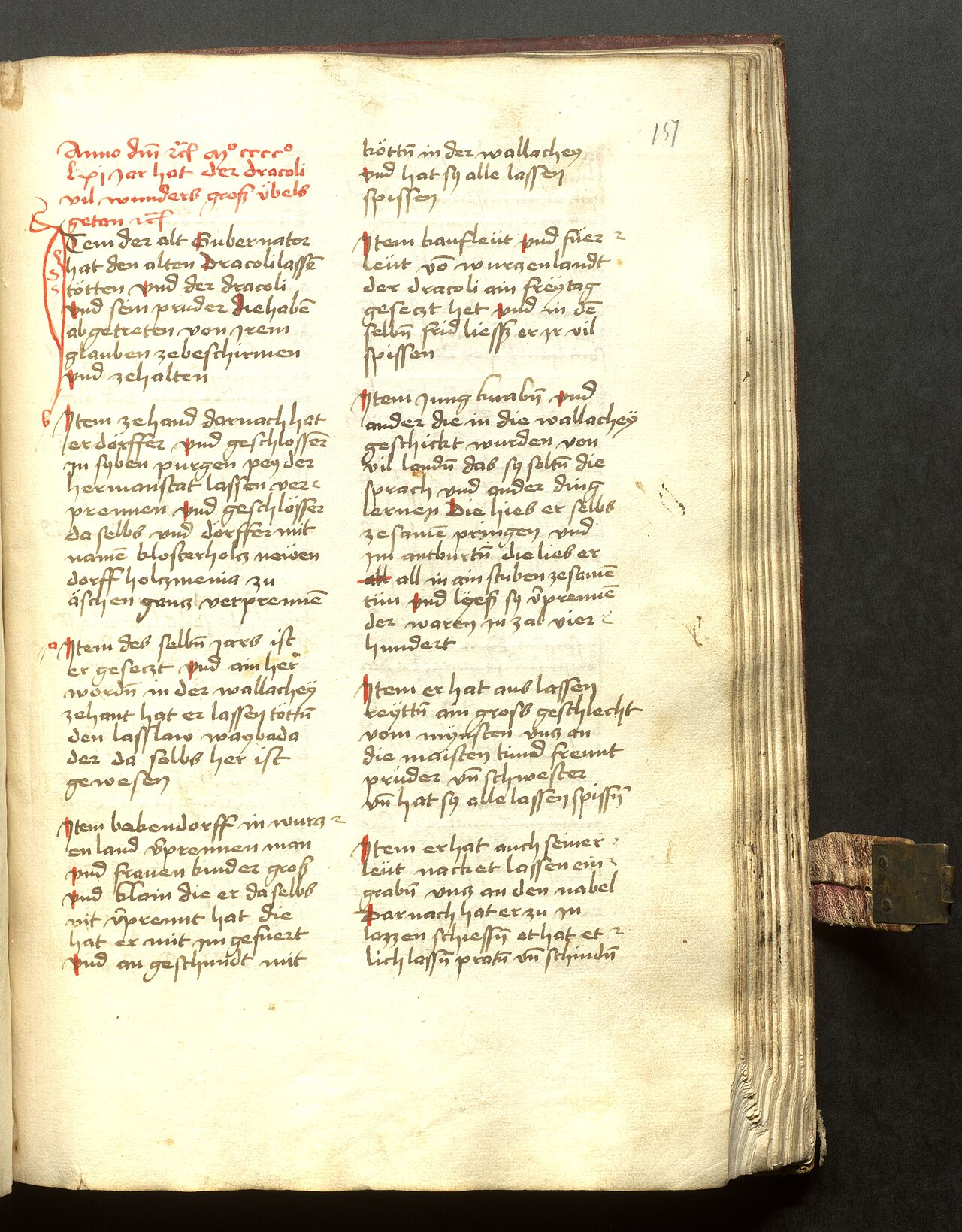
Letter Signed 'Wladislaus Dragwlya'
Vlad III of Wallachia · 15th century
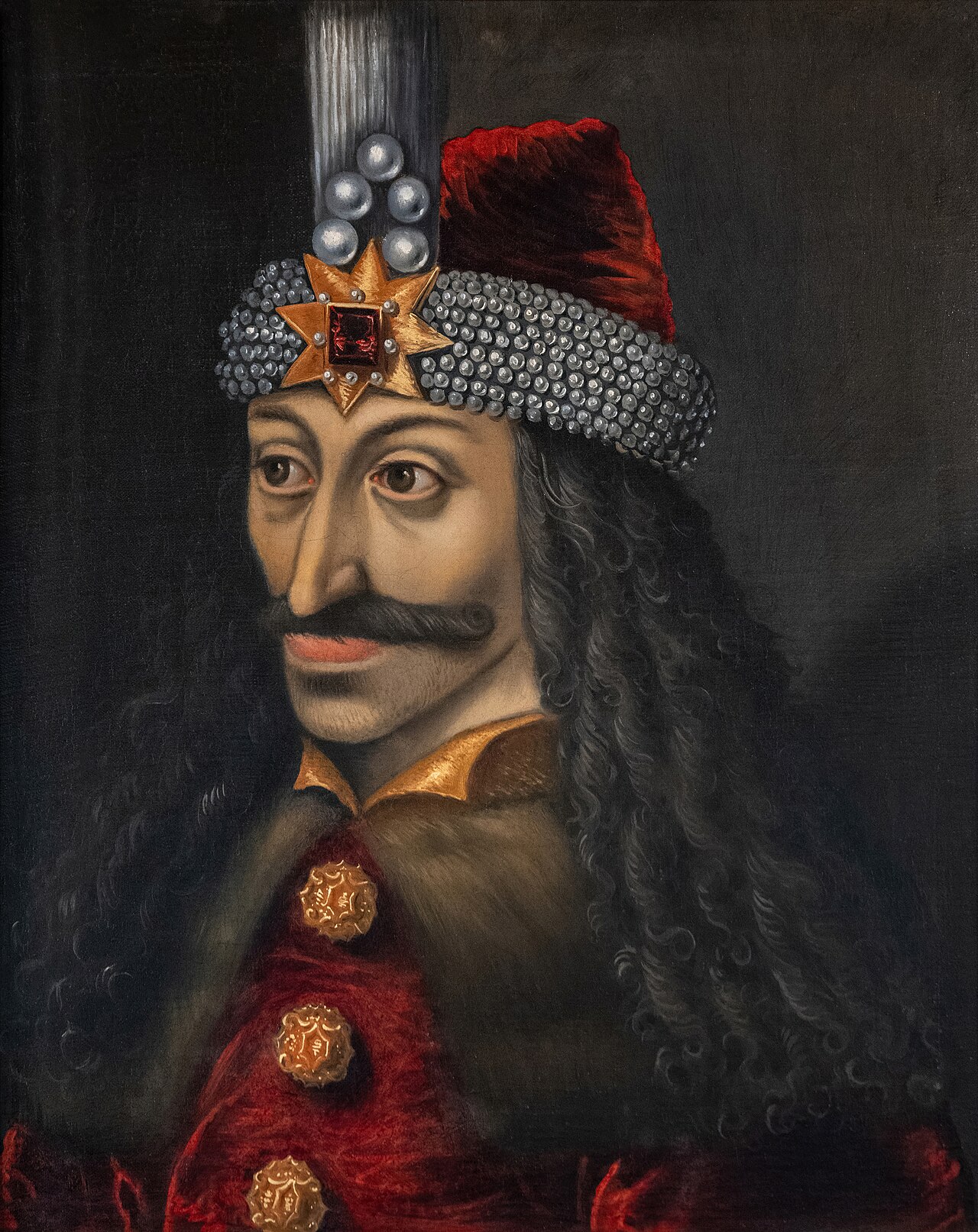 Painting
Secondary source
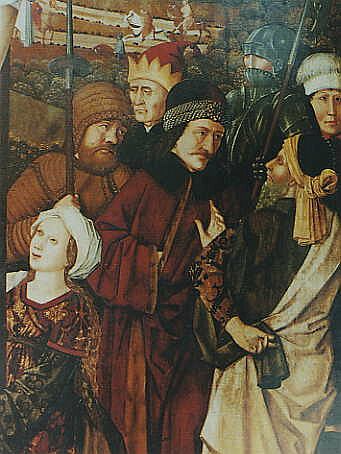
Portrait of Vlad the Impaler, Prince of Wallachia
Unknown · 16th century (copy of lost original)
Free account
Read every Vlad the Impaler source
Sign up free →
Ready when you are
Start chatting with Vlad the Impaler now.
20 messages free · No credit card · Available in 50+ languages.