


Primary sourceArtifactbetween 1248 and 1250
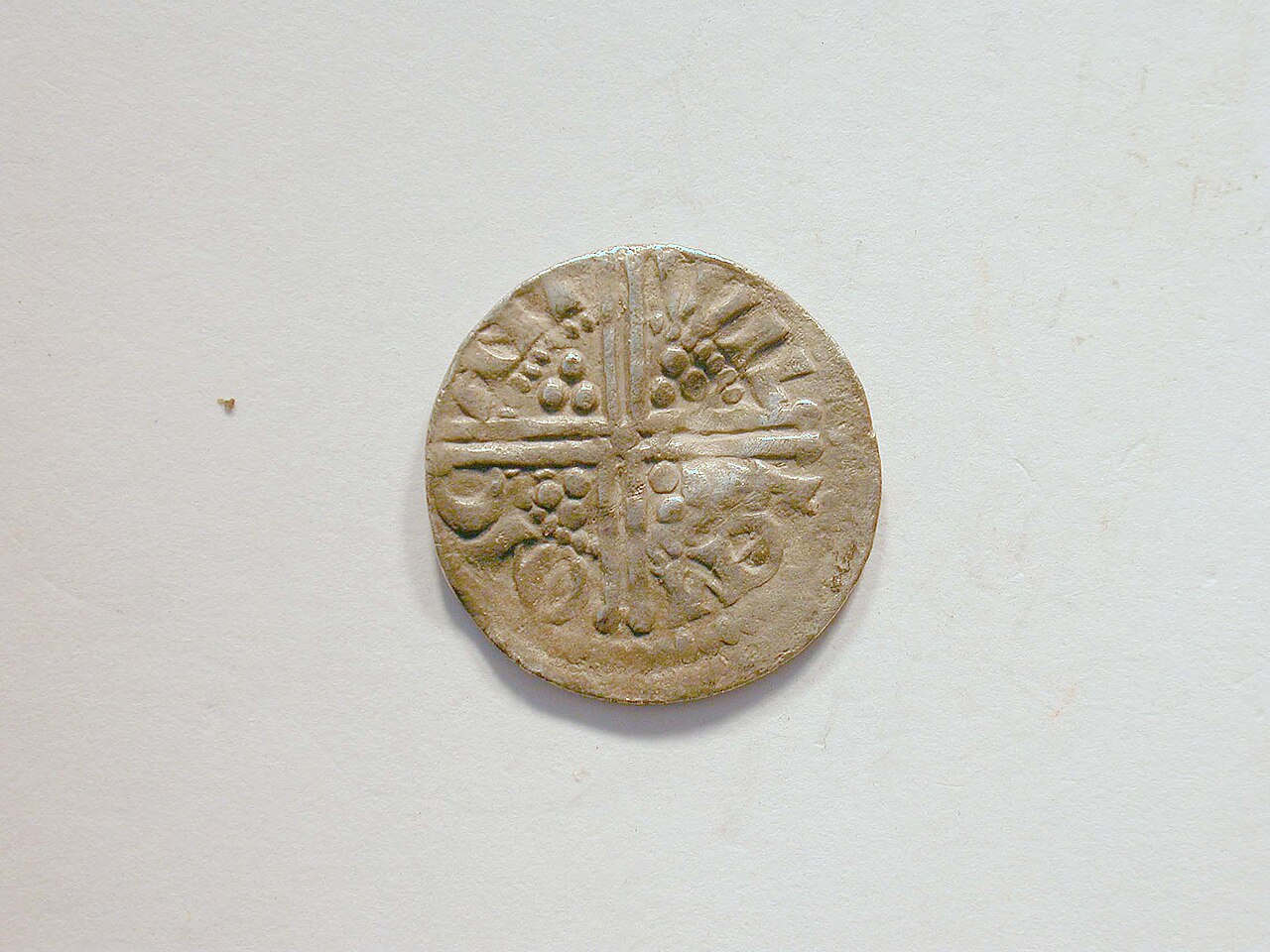
Voided Long Cross Penny of Henry III
between 1248 and 1250
A silver penny struck under Henry III around 1248-50 at Canterbury, now held by the British Museum.
This silver penny was struck in Henry III's name, showing how his authority reached into everyday coinage across England.
About this source
What it is
This is a silver penny of the 'voided long cross' type, issued during the reign of Henry III. It was struck by the moneyer Willem at the Canterbury mint, probably between 1248 and 1250. The coin is held in the British Museum's collection.
Why it matters
Coins like this were the everyday money people used across England, and they were issued in the king's name even though struck by local moneyers in towns such as Canterbury. The design, a long cross reaching to the coin's edge, was meant to make the coin harder to clip or forge, a practical royal response to problems with the currency during Henry III's reign.
Look closer
- What do the lettering and cross design tell you about how the coin was meant to be trusted by people using it?
- Why might a king care about controlling the design of coins made across many different towns?
- What is missing from this coin that might tell us more about who actually made it or when exactly?
This artifact is part of the curated material that grounds the AI version of Henry III on Humy.ai — when students ask about related events, the AI can quote it and cite it.
More Henry III sources
Browse all 96 →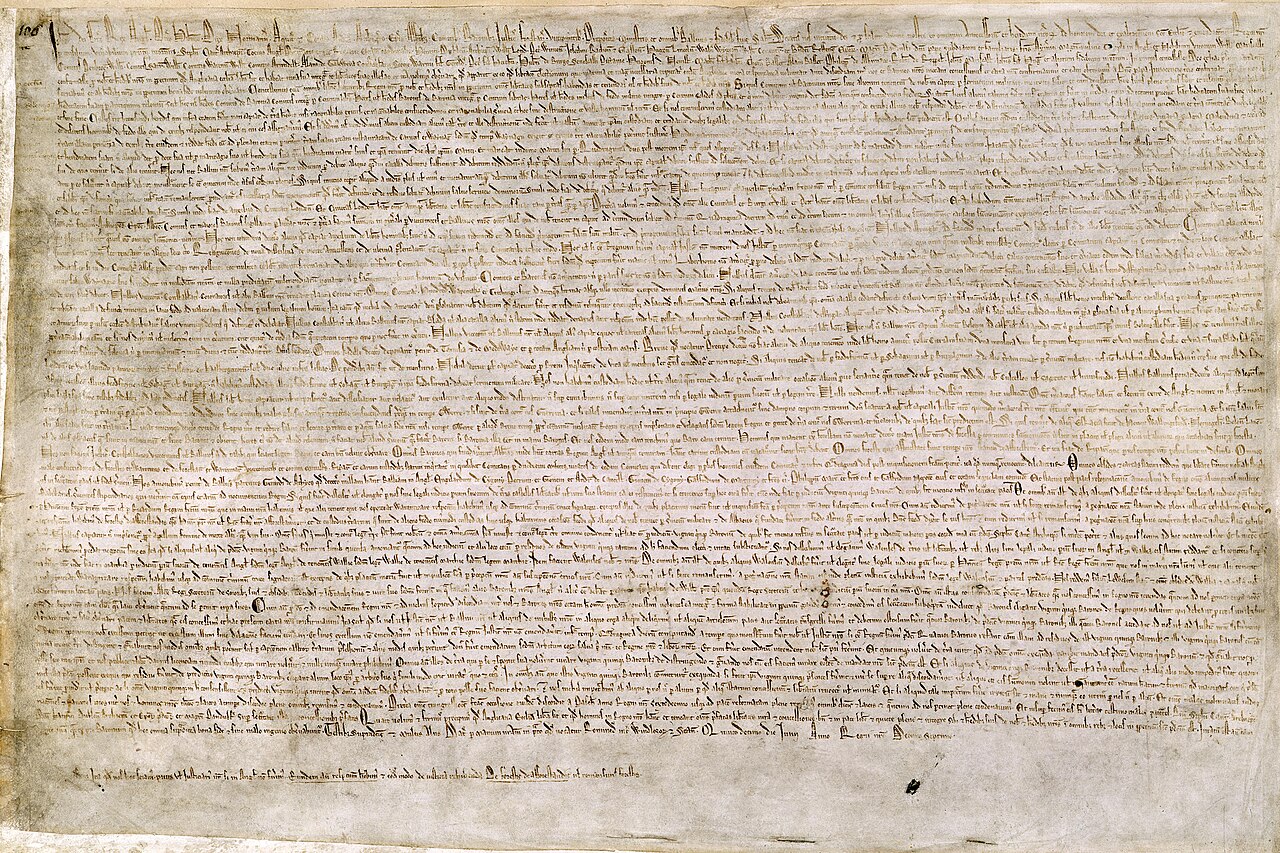 Document
Primary source
Magna Carta
1215; reissued 1216 and 1225
 Document
Primary source
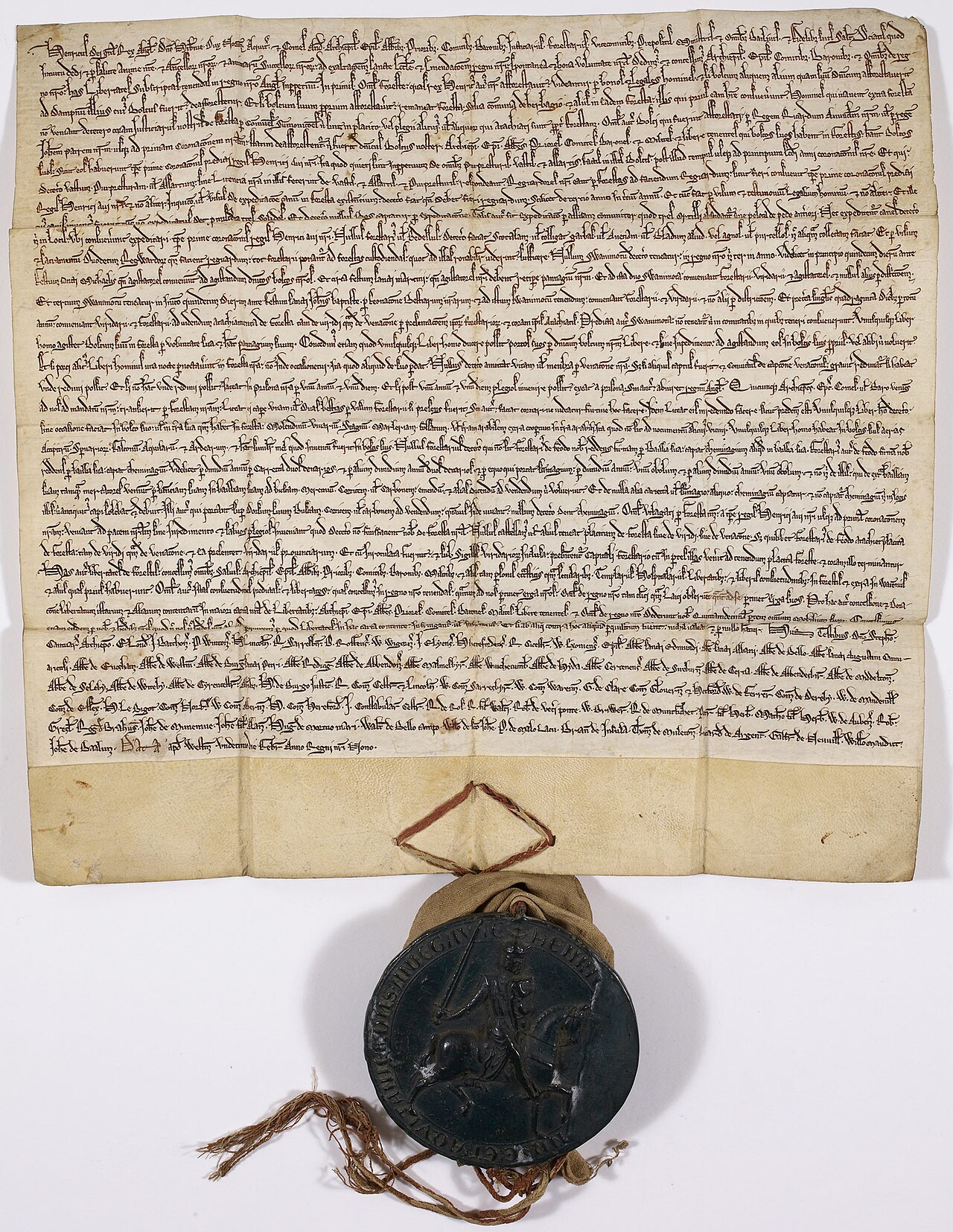
Charter of the Forest
1217
 Book
Primary source
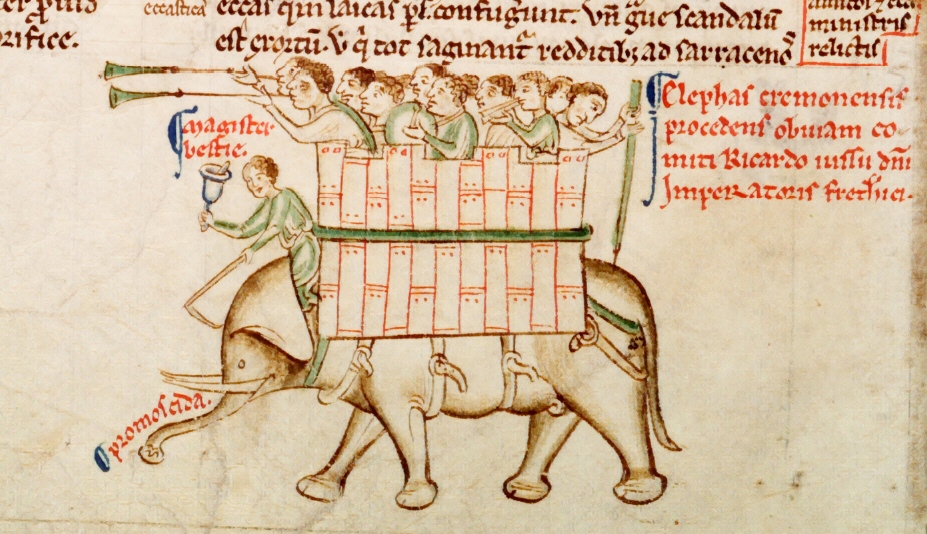
Chronica Majora
Matthew Paris · 13th century, to 1259
 Artifact
Primary source
Westminster Abbey
rebuilding begun 1245

Free account
Read every Henry III source
Sign up free →
Ready when you are
Start chatting with Henry III now.
20 messages free · No credit card · Available in 50+ languages.