


Secondary sourceArtifact1966
Voie Georges-Pompidou
1966
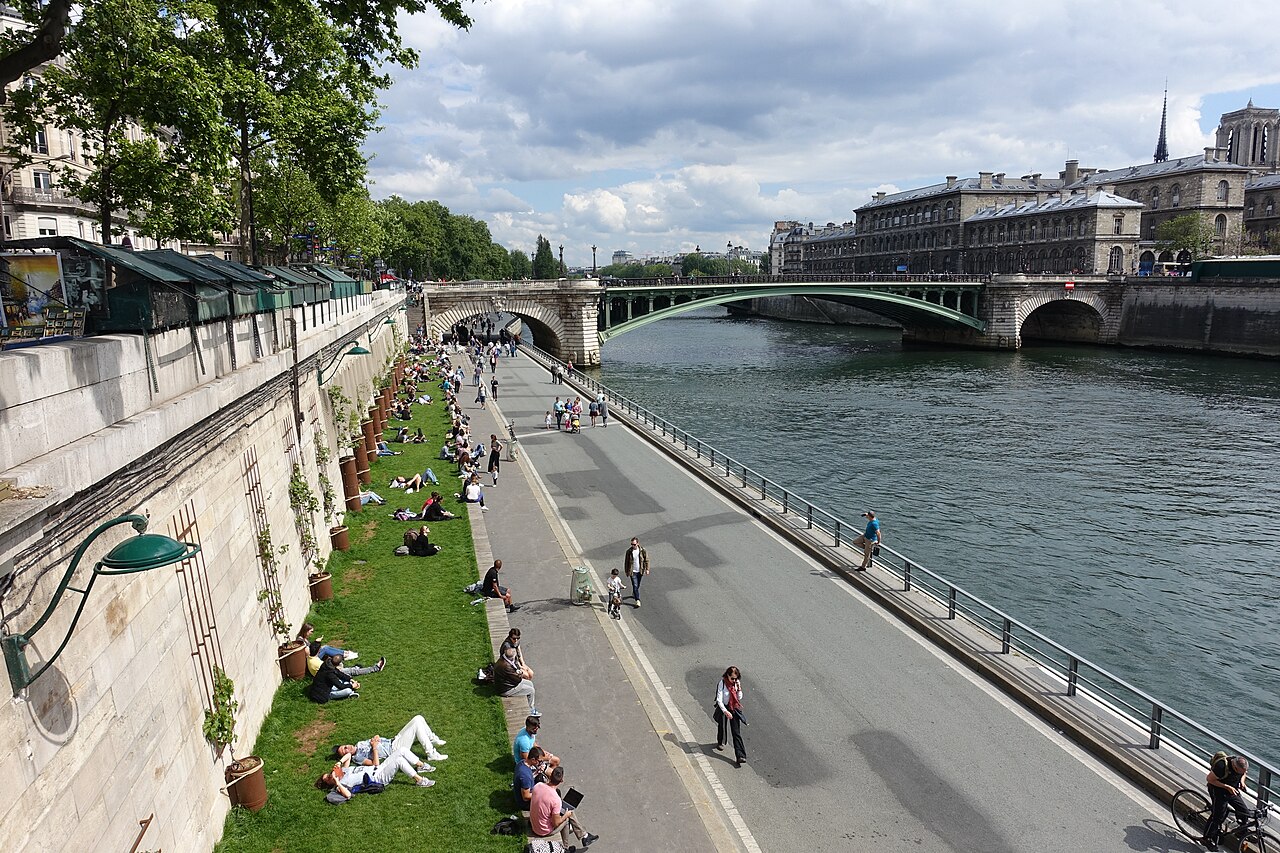
A riverside expressway in Paris named after Georges Pompidou, who opened it in 1967 as part of his plan to adapt the city to the car.
Pompidou opened this expressway in 1967 and initiated the motorway plan for Paris that it embodies.
About this source
What it is
The Voie Georges-Pompidou is a 13-kilometre route along the right bank of the Seine in Paris, mostly built as an expressway. It was opened in 1967 by Georges Pompidou, then Prime Minister, who had initiated a motorway plan for the city. Part of the road has since been turned into a car-free pedestrian and cycle street.
Why it matters
The expressway reflects Pompidou's pro-car approach to urban planning, which aimed to adapt Paris to growing automobile traffic. Decades later, under mayors Bertrand Delanoë and Anne Hidalgo, parts of the road were closed to cars, a change seen as part of a wider European trend away from car-centred cities.
Look closer
- What does naming a major road after Pompidou suggest about how his policies shaped the city?
- Why might later city leaders have reversed some of his urban planning decisions?
- What does the transformation of this road into a public space tell you about changing ideas of what cities are for?
This artifact is part of the curated material that grounds the AI version of Georges Pompidou on Humy.ai — when students ask about related events, the AI can quote it and cite it.
More Georges Pompidou sources
Browse all 92 →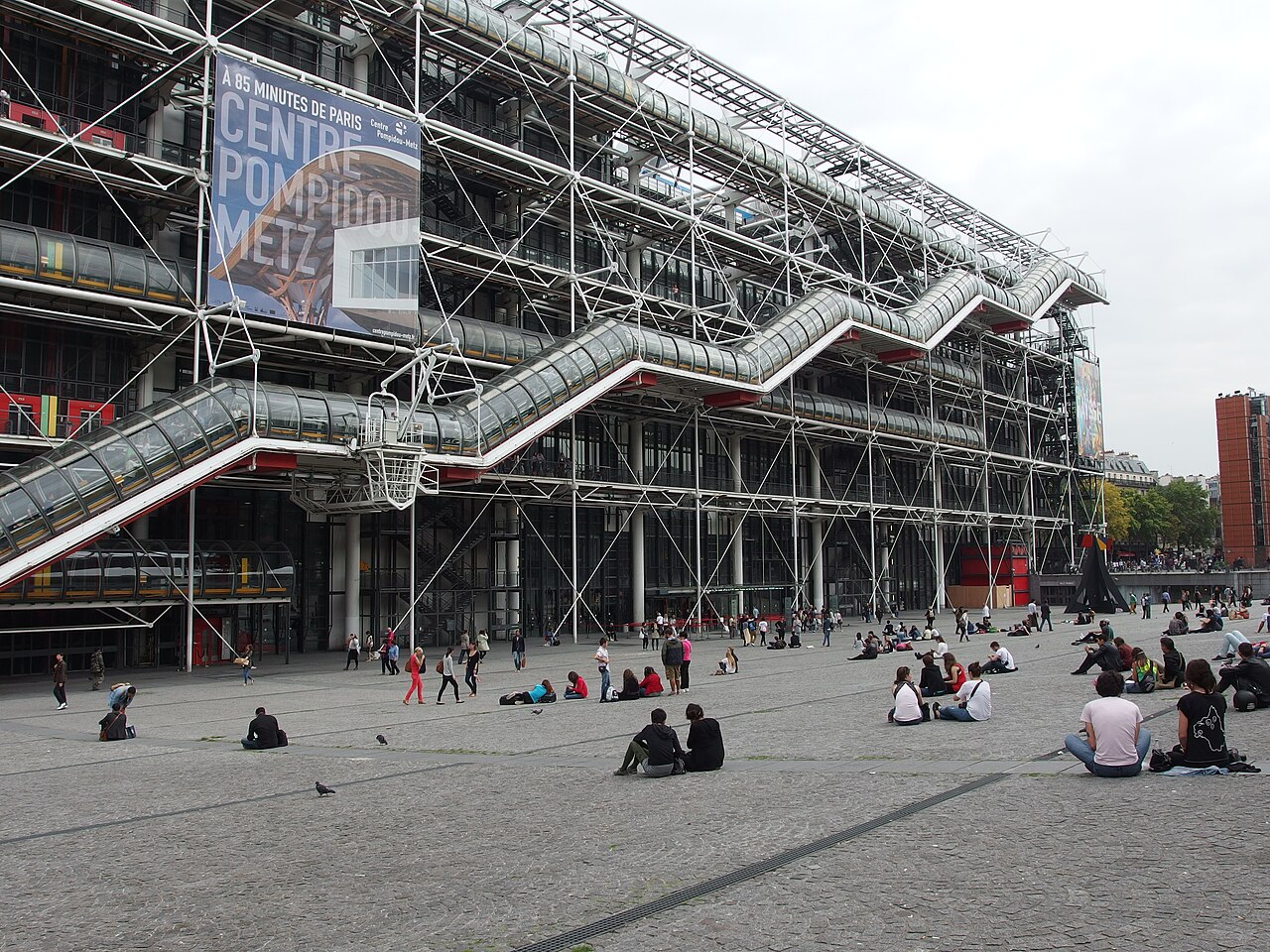 Artifact
Secondary source
Centre Georges Pompidou
Renzo Piano, Richard Rogers, Gianfranco Franchini · 1971–1977
 Photograph
Primary source
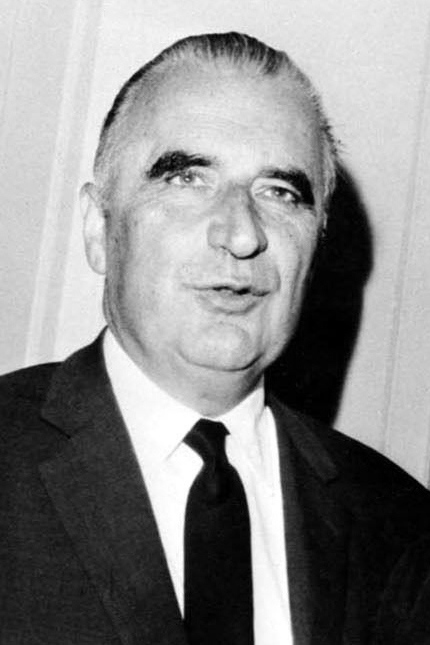
Portrait of Georges Pompidou
1969
 Document
Primary source
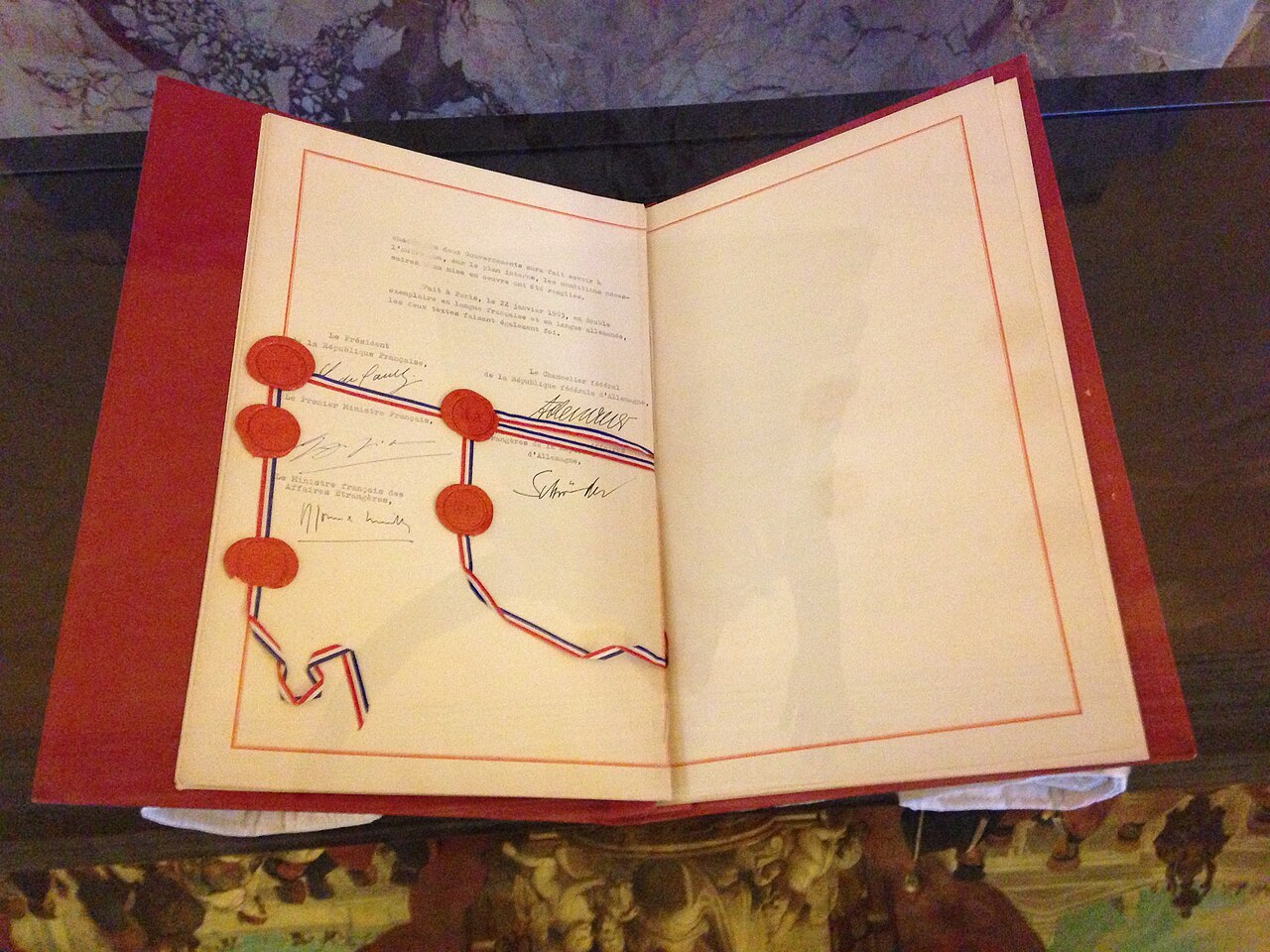
Élysée Treaty
22 January 1963
 Document
Primary source
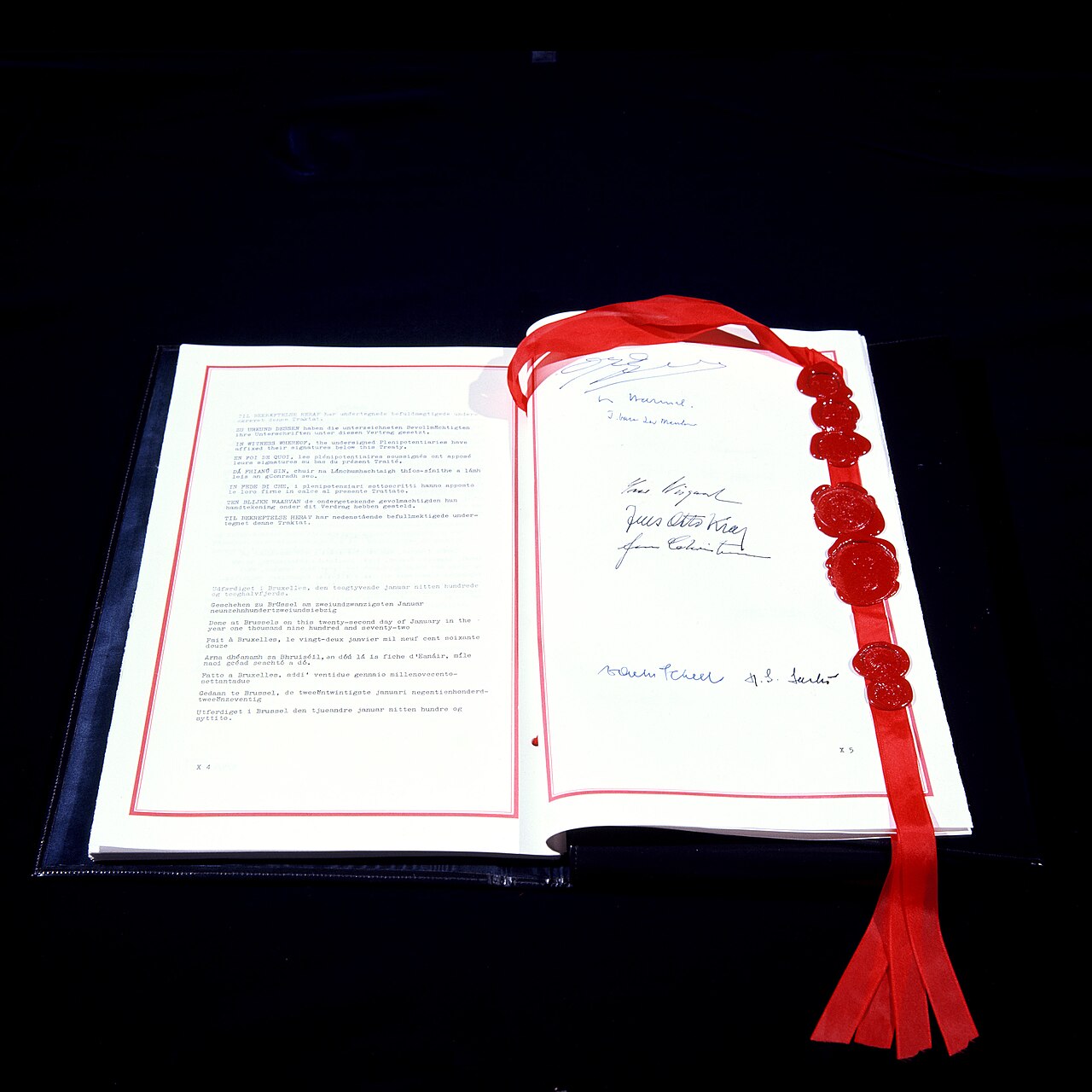
Treaty of Accession 1972
1972

Free account
Read every Georges Pompidou source
Sign up free →
Ready when you are
Start chatting with Georges Pompidou now.
20 messages free · No credit card · Available in 50+ languages.