


Secondary sourceArtifactc. 1775
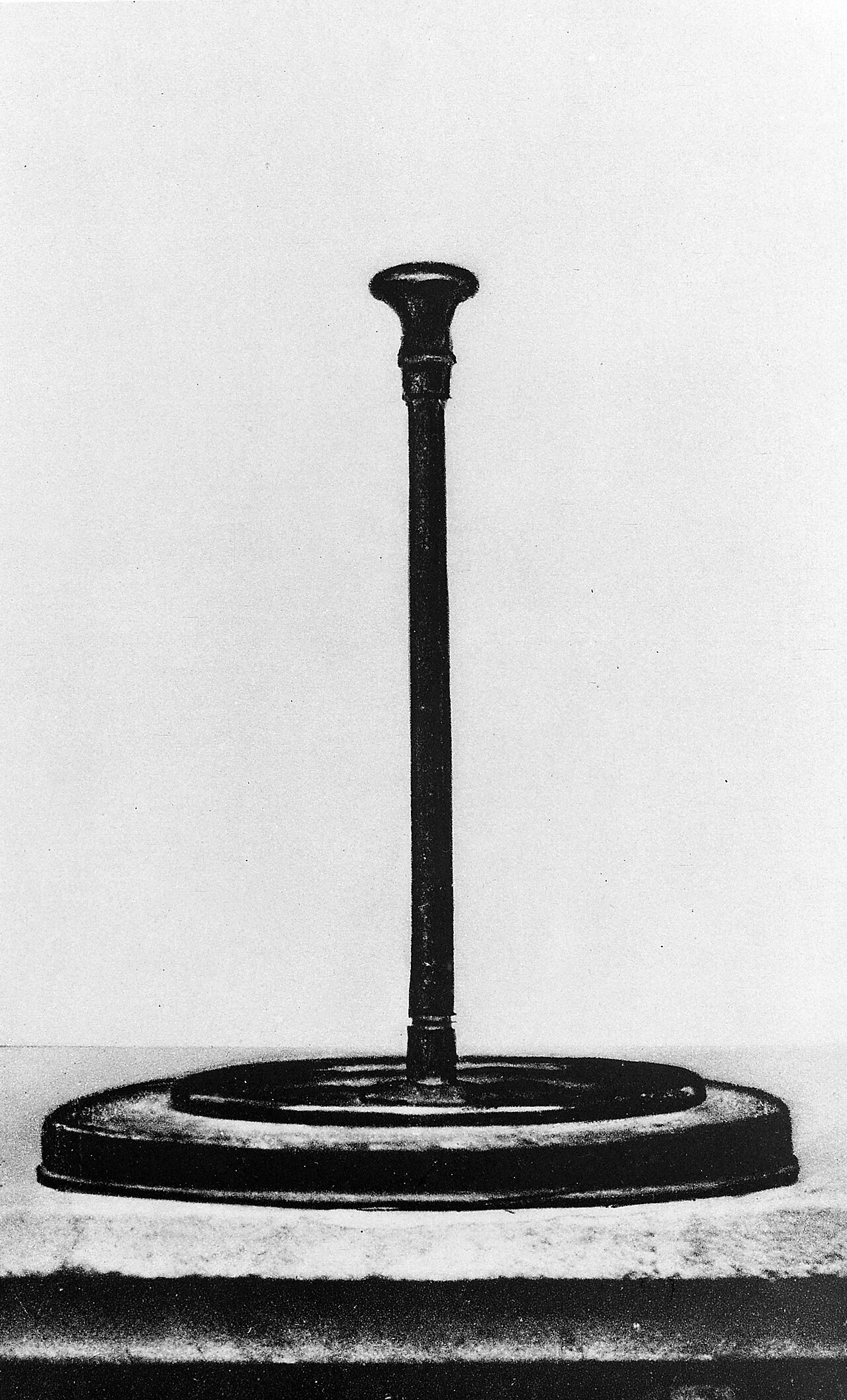
Volta's Electrophorus
Alessandro Volta · c. 1775
A static-electricity generating device that Volta improved and made popular around 1775, before his invention of the pile.
Volta's early improvement of this device established his reputation before his later, more famous invention.
Free Humy account · No credit card · 53,307 sources to read
About this source
What it is
The electrophorus is a device for generating static electricity, consisting of a flat base and a rod with a flared knob. Alessandro Volta improved and popularized this device around 1775, though he is sometimes wrongly credited with inventing it. Examples are preserved at the Museo per la Storia dell'Università di Pavia and the Tempio Voltiano in Como.
Why it matters
The electrophorus was the device that first built Volta's scientific reputation, years before his more famous voltaic pile. Studying how it was used, including as a condenser for detecting small electrical charges, shows how Volta's early work on static electricity laid groundwork for his later discoveries.
Look closer
- Why might Volta be mistakenly credited with inventing a device he only improved?
- What does the simple design of the electrophorus suggest about the scientific tools available in the 1770s?
- How might working with static electricity have led Volta toward his later invention of continuous current?
This artifact is part of the curated material that grounds the AI version of Alessandro Volta on Humy.ai — when students ask about related events, the AI can quote it and cite it.
More Alessandro Volta sources
Browse all 98 →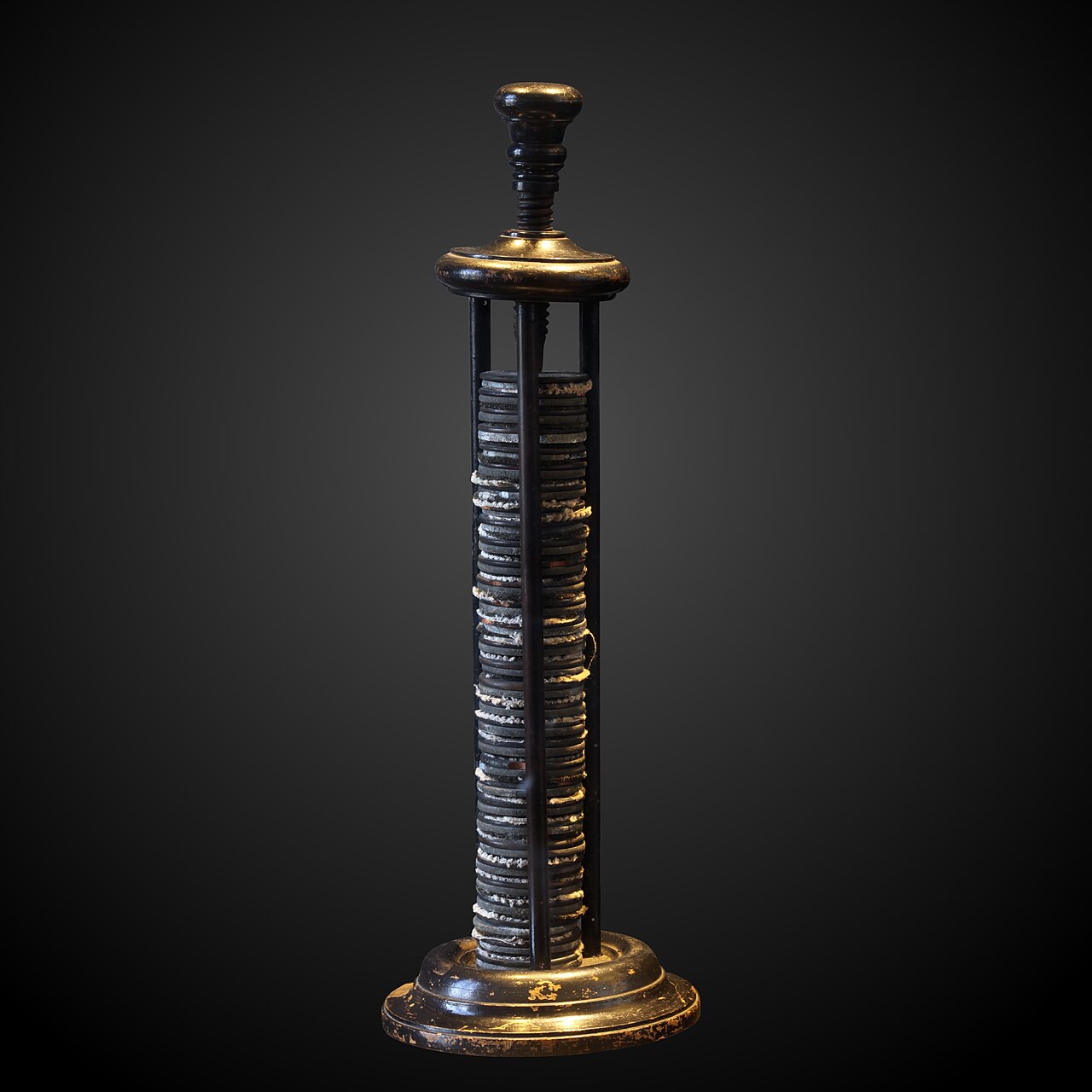 Artifact
Secondary source
Voltaic Pile
Alessandro Volta · 1800
 Document
Primary source
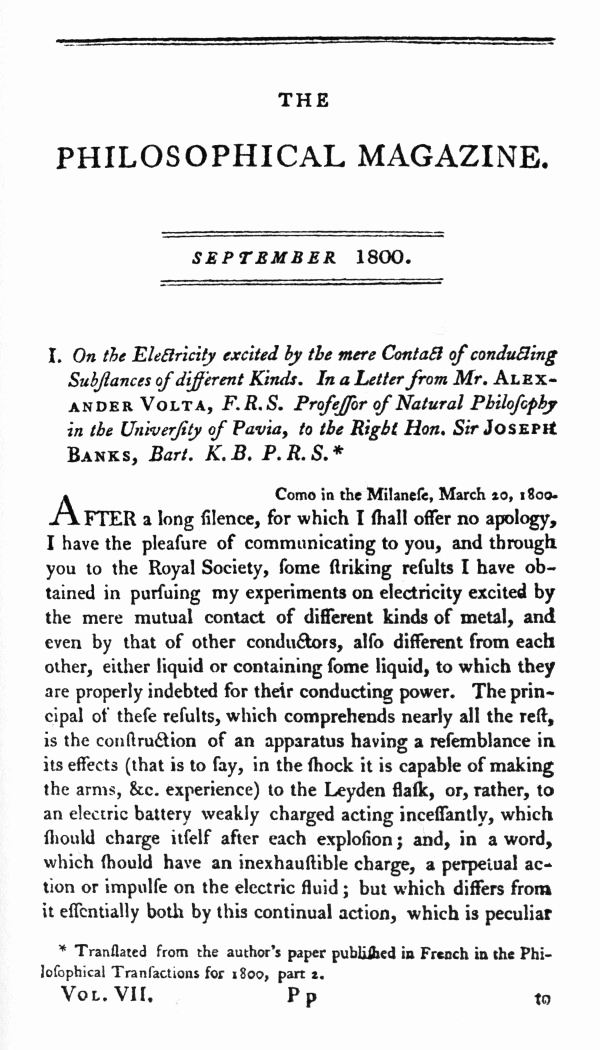
On the Electricity Excited by the Mere Contact of Conducting Substances of Different Kinds
Alessandro Volta · September 1800
ArtifactPrimary source
Voltaic Pile Given to the Saussure Family
Alessandro Volta · 1801
 Letter
Primary source
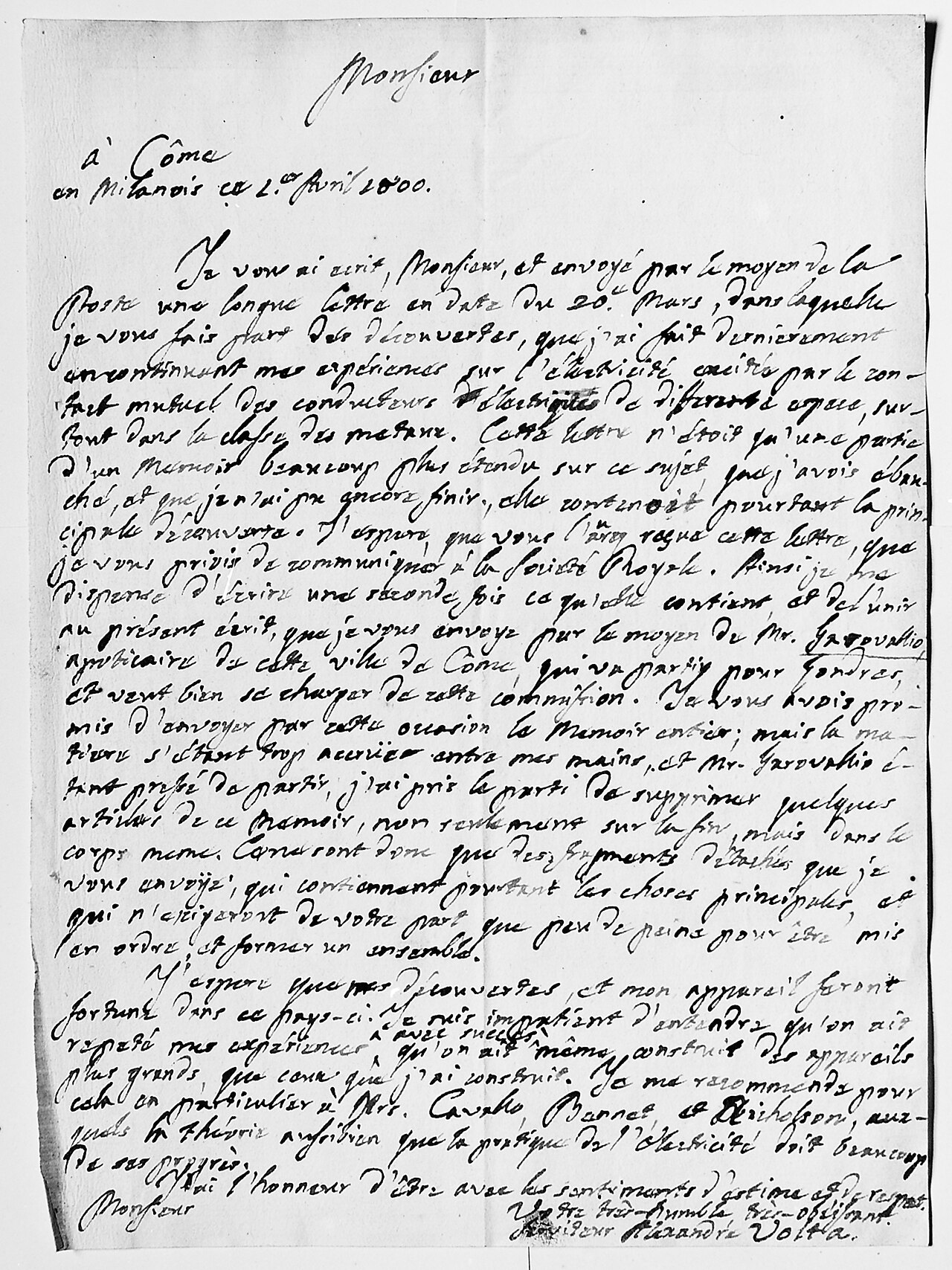
Letter from Volta to Joseph Banks, 1 April 1800
Alessandro Volta · 1 April 1800
Free account
Browse every Alessandro Volta source
Sign up free →
Ready when you are
Start chatting with Alessandro Volta now.
20 messages free · No credit card · Available in 50+ languages.