


Primary sourceDocument3 July 1519
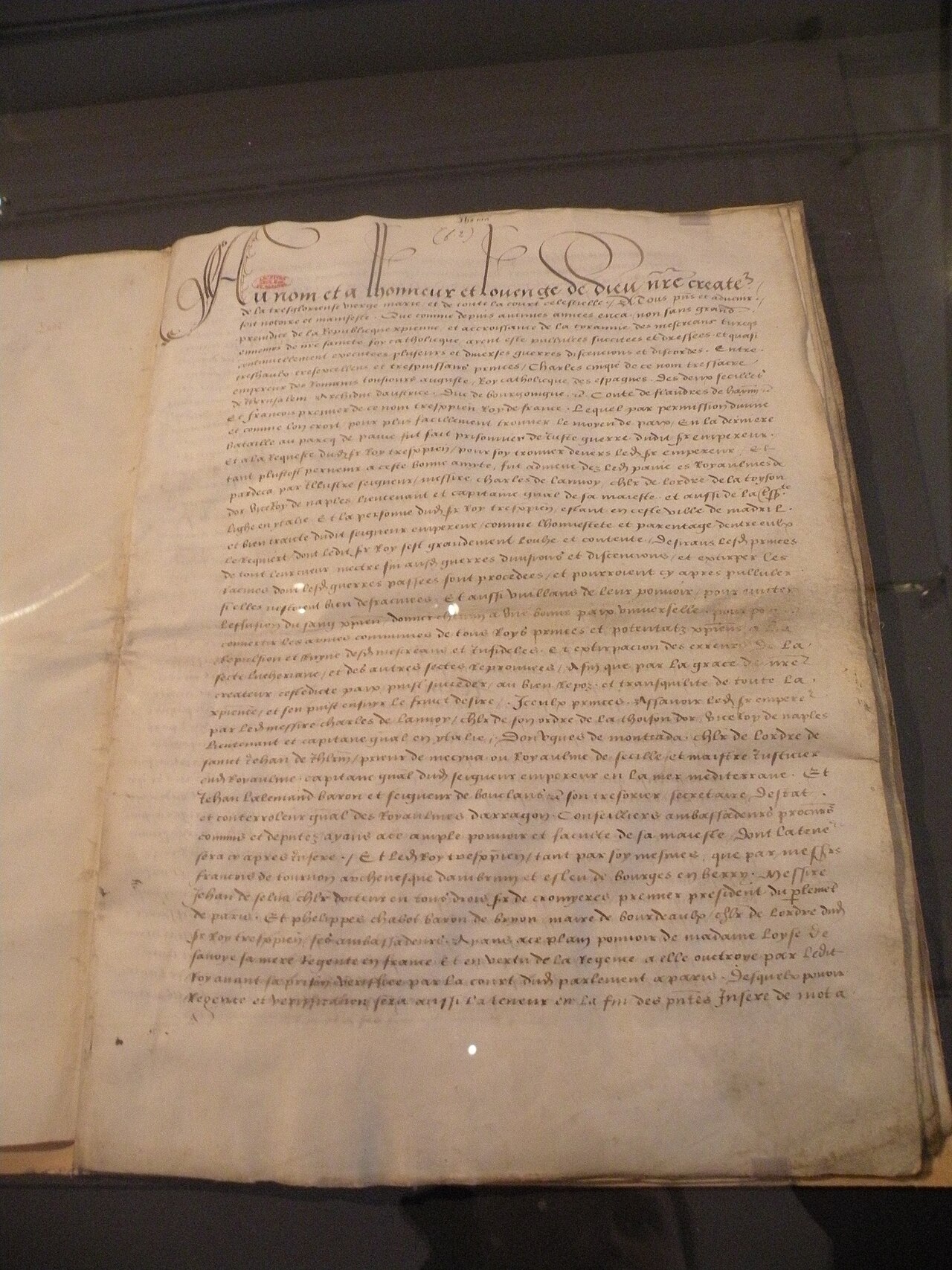
Wahlkapitulation of Charles V
3 July 1519
The 1519 electoral capitulation that Charles V swore upon his election as Holy Roman Emperor, setting out his duties.
The formal agreement Charles V swore when elected Holy Roman Emperor, defining his powers and duties.
Free Humy account · No credit card · 53,307 sources to read
About this source
What it is
This German-language document is the Wahlkapitulation, or election capitulation, sworn by Charles V on 3 July 1519 after his election as Holy Roman Emperor. It lists the conditions and obligations he accepted from the imperial electors.
Why it matters
Election capitulations show that even an emperor's power was limited by agreements with the electors who chose him. This document reveals the political bargaining behind Charles V's rise and the constitutional structure of the Holy Roman Empire at the start of his long reign.
Look closer
- Why would the electors want the new emperor to sign a list of conditions before taking power?
- What does this document suggest about the balance of power between emperor and electors?
- How might Charles V's many titles, listed at the start, reflect the scale of his inheritance?
This document is part of the curated material that grounds the AI version of Charles V, Holy Roman Emperor on Humy.ai — when students ask about related events, the AI can quote it and cite it.
More Charles V, Holy Roman Emperor sources
Browse all 97 →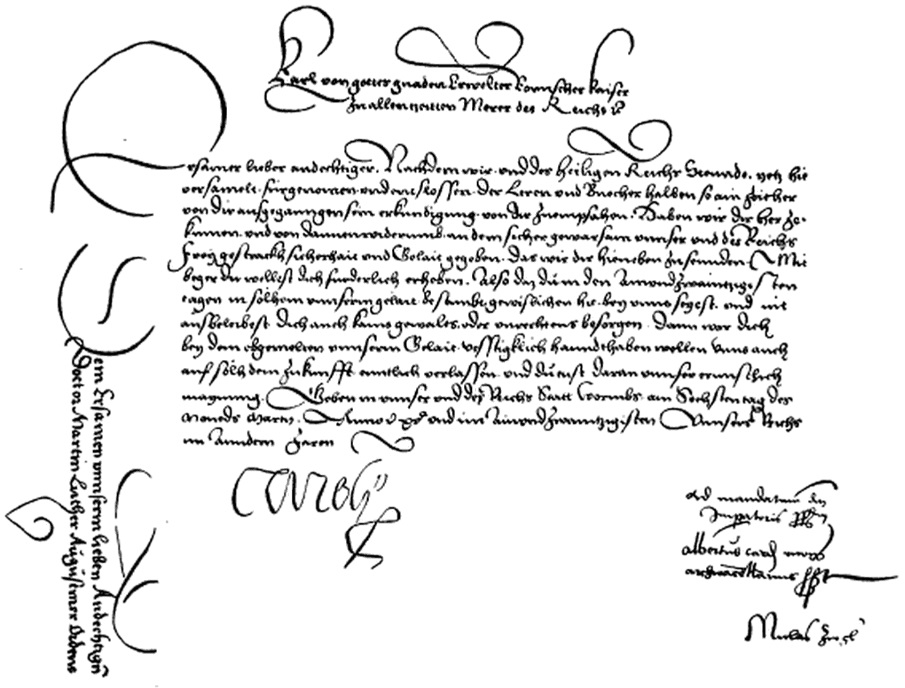 Document
Primary source
Summons for Luther to appear at the Diet of Worms
1521
 Painting
Primary source
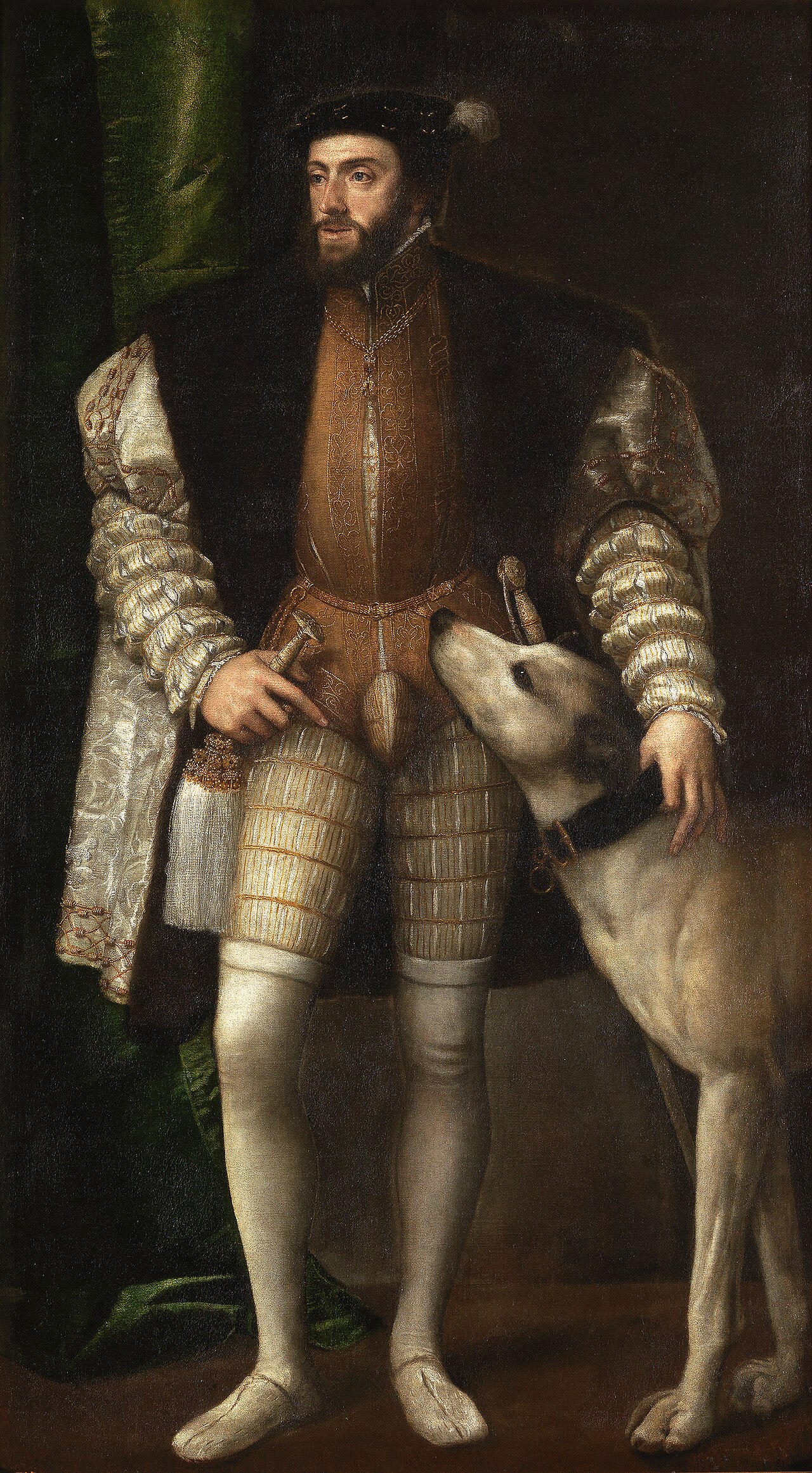
Equestrian Portrait of Charles V
Titian · 1548
 Document
Primary source
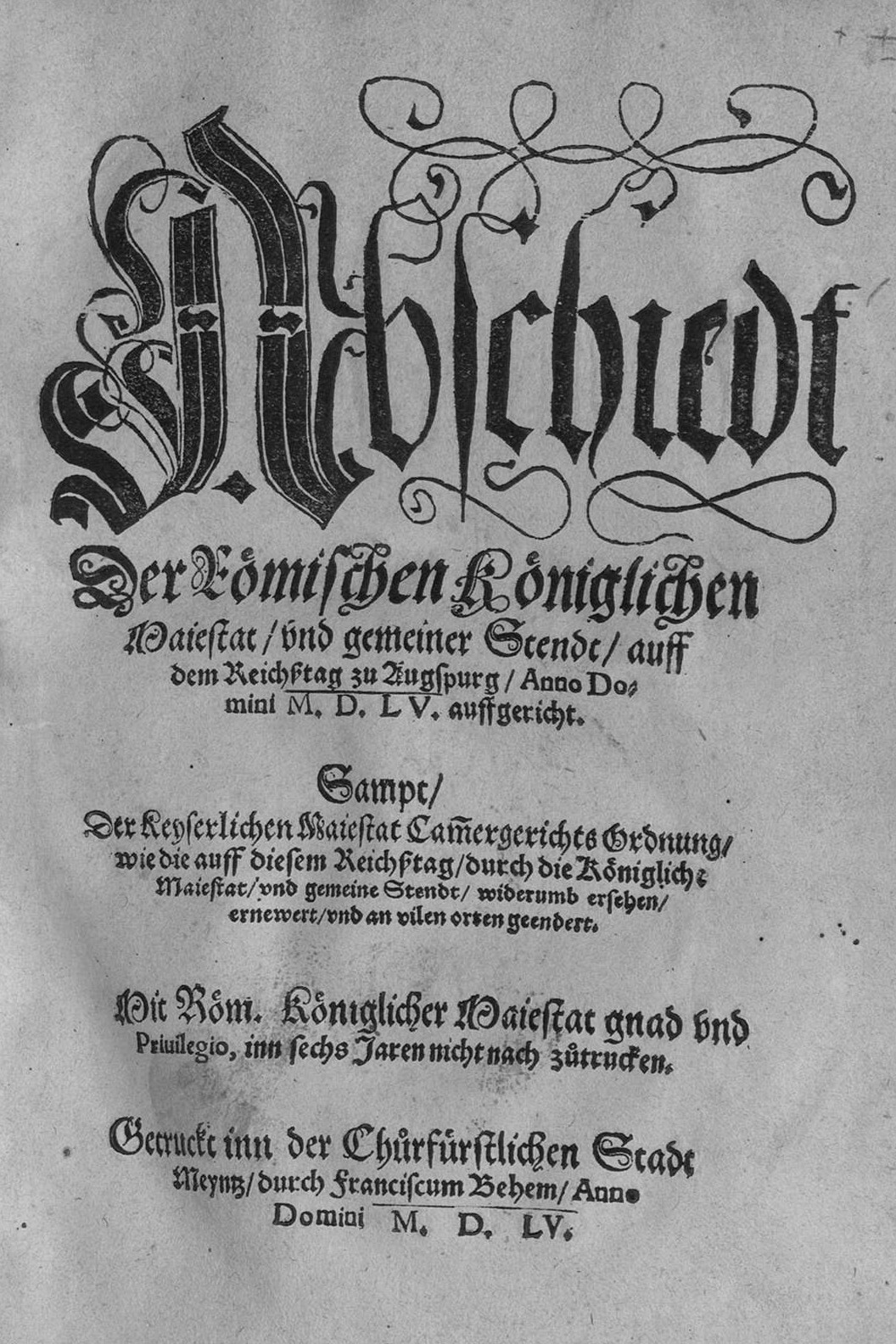
Peace of Augsburg
1555
 Letter
Primary source
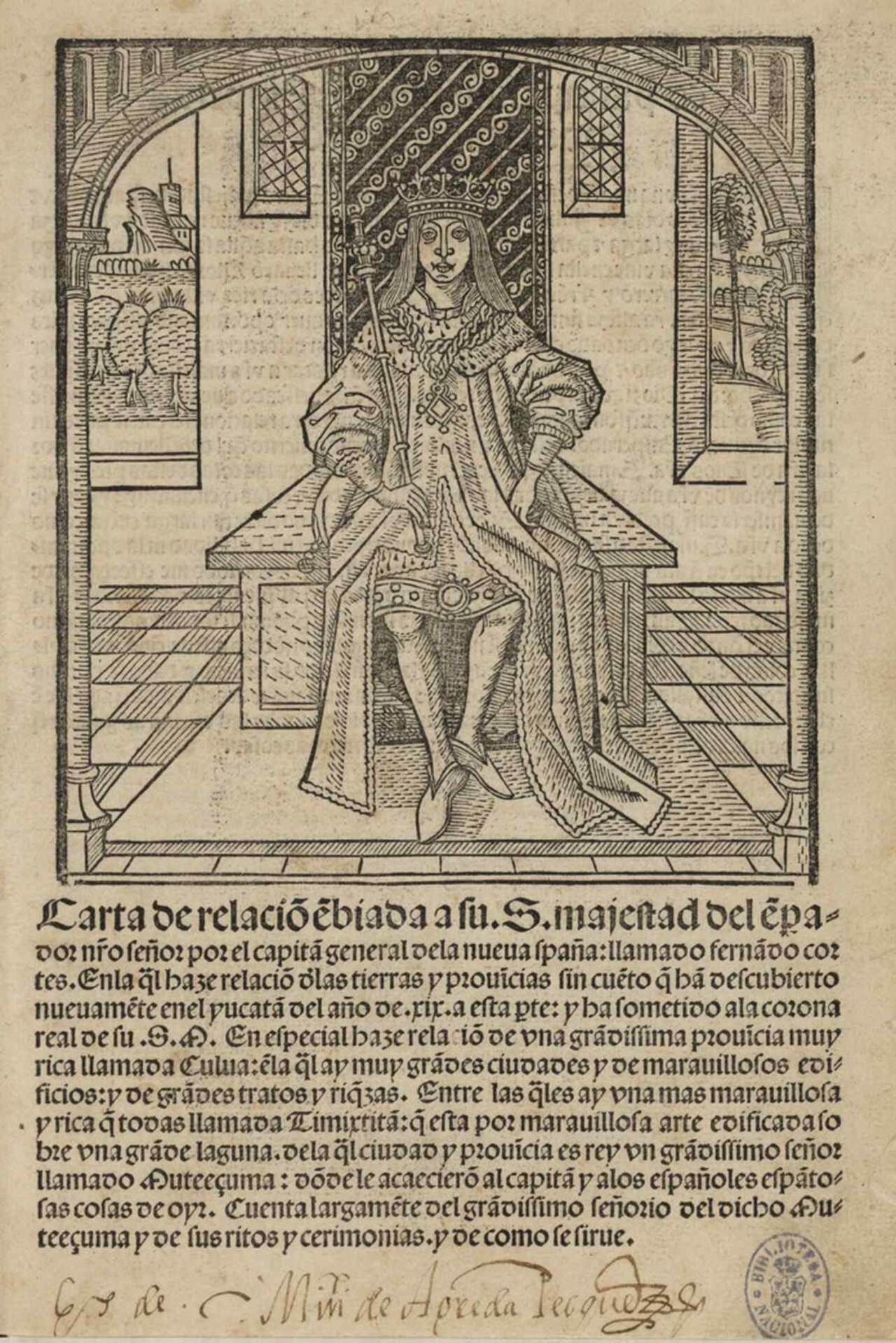
Second Letter to Charles V
Hernán Cortés · 1520 (printed 1522)

Free account
Browse every Charles V, Holy Roman Emperor source
Sign up free →
Ready when you are
Start chatting with Charles V, Holy Roman Emperor now.
20 messages free · No credit card · Available in 50+ languages.