


Secondary sourceArtifact1872–1874, restored 1976
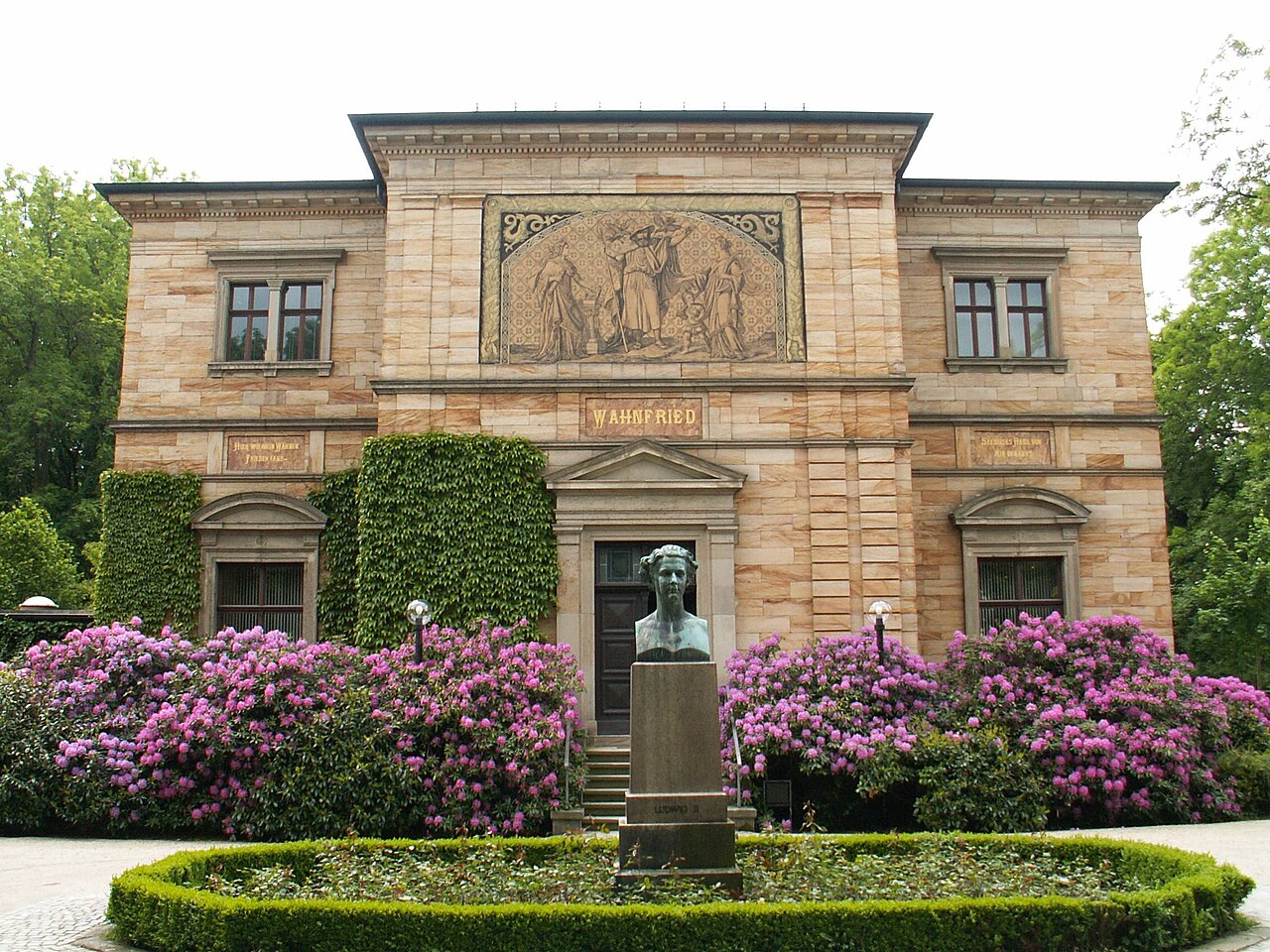
Wahnfried
1872–1874, restored 1976
The villa Richard Wagner built in Bayreuth, his home from 1874 and the site of his grave.
Wagner commissioned this villa as his home, and it is now the site of his grave.
Free Humy account · No credit card · 118,535 sources to read
About this source
What it is
Wahnfried is the villa Richard Wagner had built in Bayreuth, financed by King Ludwig II of Bavaria and constructed between 1872 and 1874. Wagner and his family moved in while it was still under construction. The house takes its name from a motto Wagner had engraved on its entrance, meaning his delusions had found peace there.
Why it matters
Wahnfried was Wagner's home during his most famous years and became closely tied to the Bayreuth Festival he founded nearby. After his death, his body was brought back to the house, and he is buried on its grounds alongside his wife Cosima. The house later became a site visited by Adolf Hitler, an admirer of Wagner, and was damaged in World War II bombing before being restored as a museum.
Look closer
- What does the house's name and motto suggest about how Wagner saw himself?
- Why might a house connected to a composer become politically significant decades after his death?
- What does the museum's restoration tell you about how societies preserve or reshape historical sites?
This artifact is part of the curated material that grounds the AI version of Richard Wagner on Humy.ai — when students ask about related events, the AI can quote it and cite it.
More Richard Wagner sources
Browse all 96 →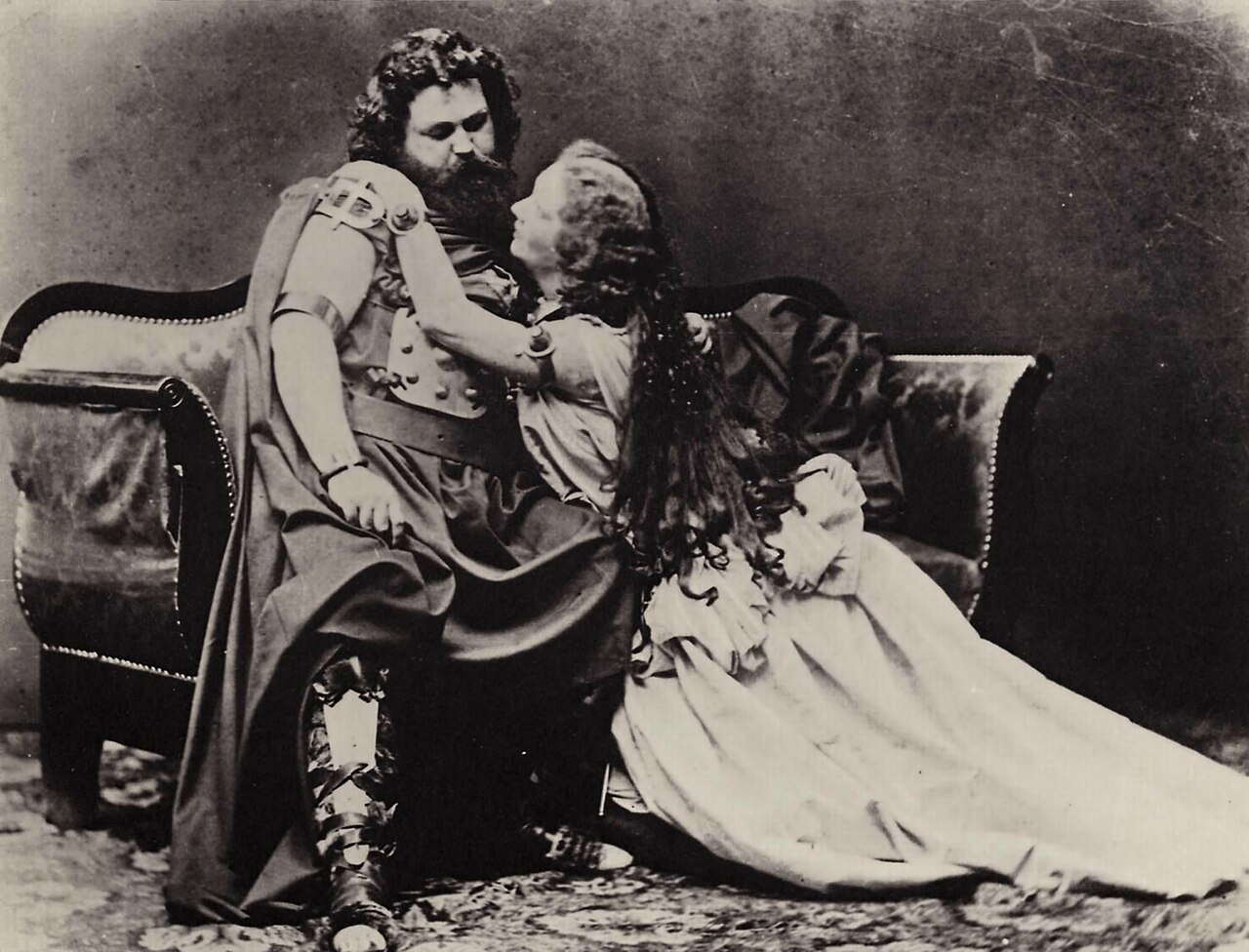 Document
Primary source
Tristan und Isolde
Richard Wagner · 1857-1859
 Document
Primary source
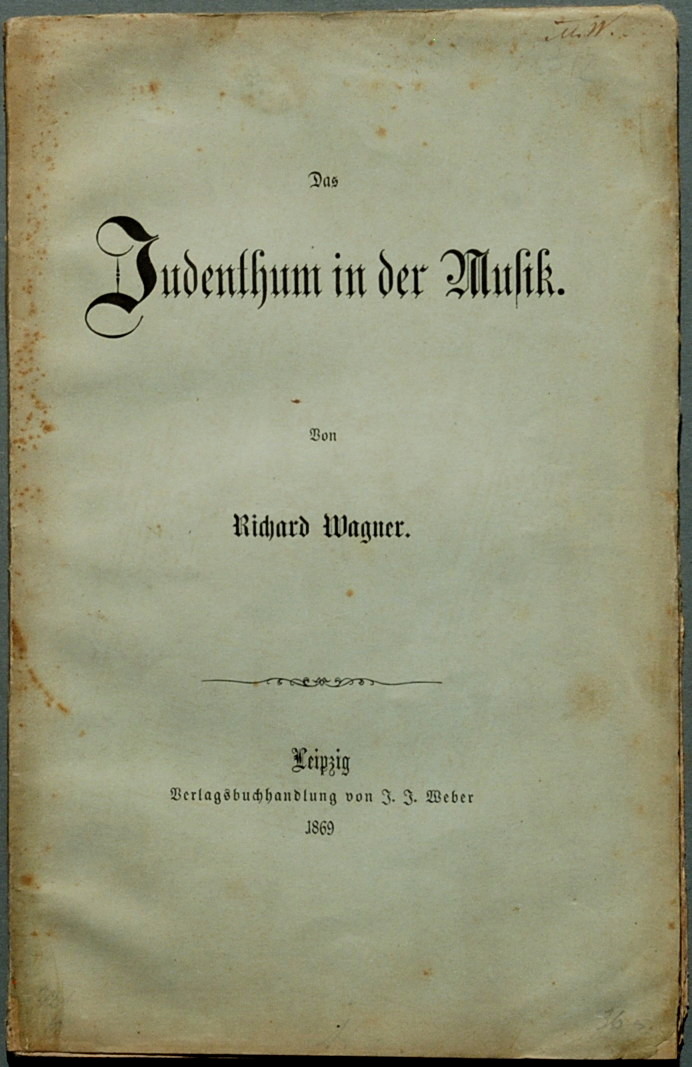
Das Judenthum in der Musik
Richard Wagner · 1850
 Artifact
Primary source
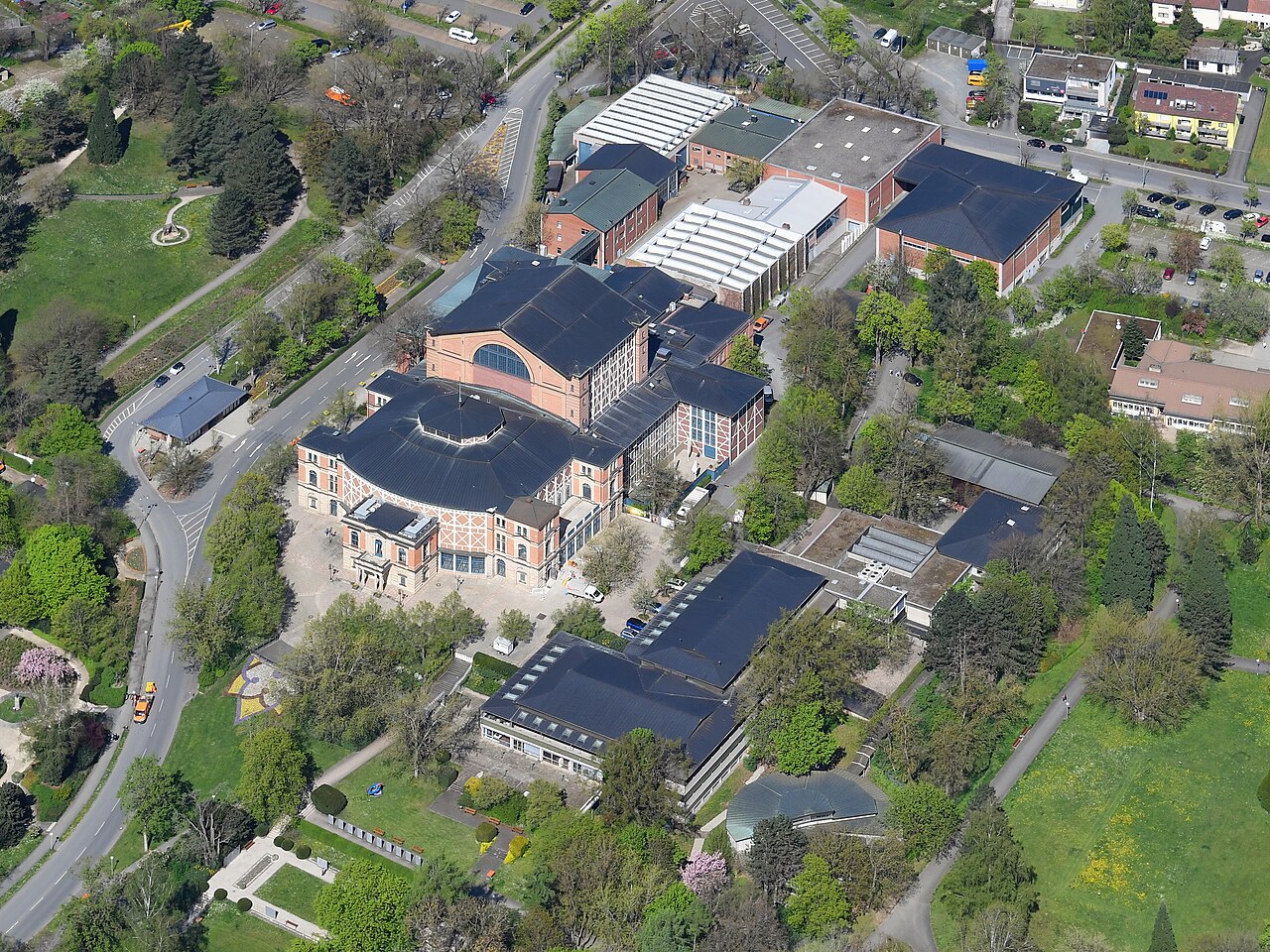
Bayreuth Festival Theatre
Richard Wagner and Otto Brückwald · 1872-1876
Primary source
Mein Leben
Richard Wagner · 1865-1880
Free account
Read every Richard Wagner source
Sign up free →
Ready when you are
Start chatting with Richard Wagner now.
20 messages free · No credit card · Available in 50+ languages.