


Primary sourcePainting1832
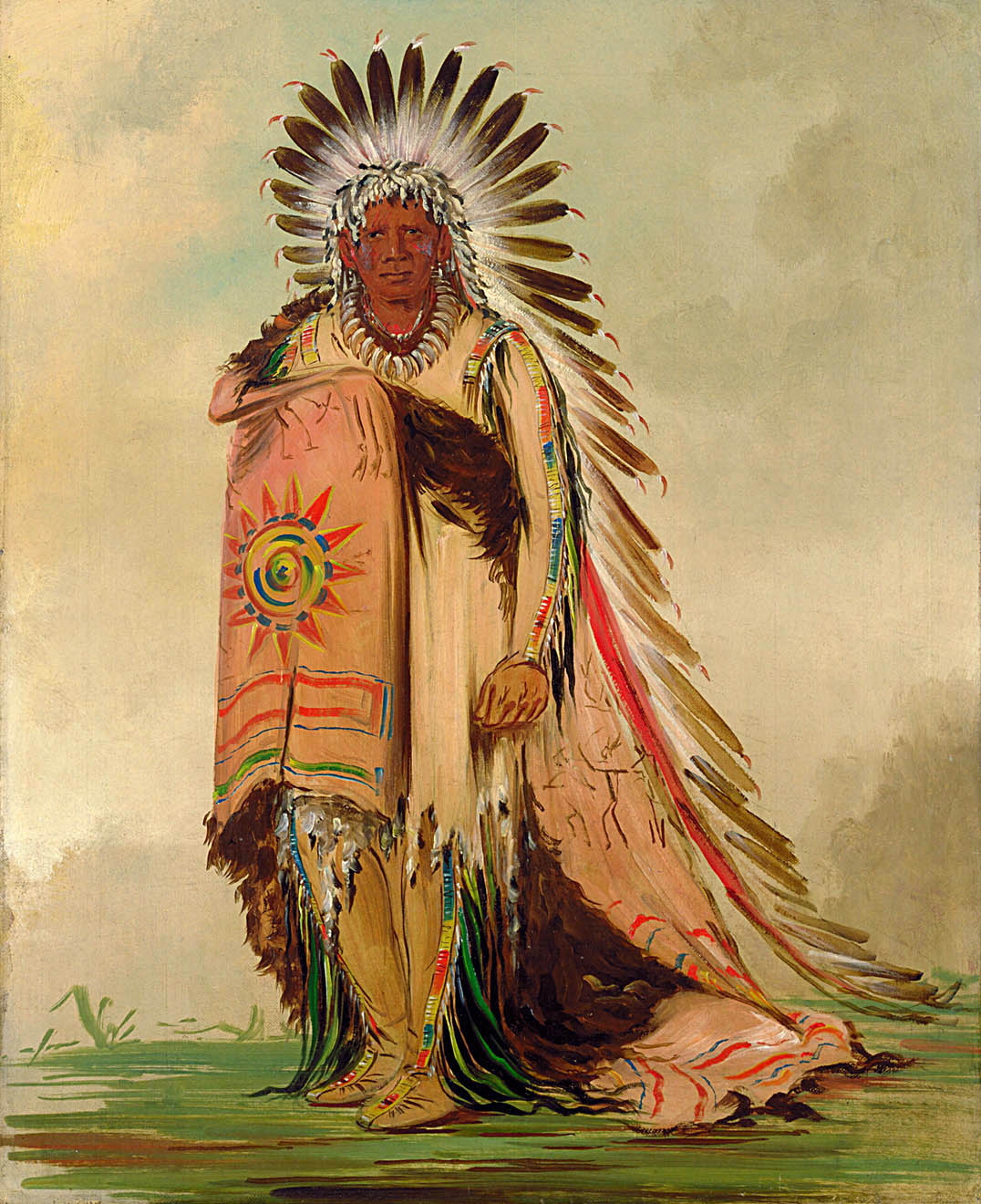
Wán-ee-ton, Chief of the Tribe
George Catlin · 1832
Catlin's 1832 portrait of Wán-ee-ton, a Yanktonai Dakota chief, painted during his Upper Missouri journey.
Painted by Catlin on his Upper Missouri journey, part of his broader effort to record Plains leaders.
About this source
What it is
This 1832 portrait by George Catlin shows Wán-ee-ton, identified as a chief of the Yanktonai Dakota. It was painted during Catlin's journey up the Upper Missouri River and is held by the Smithsonian American Art Museum.
Why it matters
Catlin painted many Plains leaders during his travels, aiming to document individuals and cultures he believed were under threat. This portrait preserves the appearance and dress of a specific Dakota leader at a particular moment in the 1830s.
Look closer
- What details of the feathered war bonnet and painted robe stand out to you, and what might they represent?
- Why did Catlin travel so far to paint portraits like this one?
- What is missing from a portrait like this that would help us understand Wán-ee-ton's own perspective?
This painting is part of the curated material that grounds the AI version of George Catlin on Humy.ai — when students ask about related events, the AI can quote it and cite it.
More George Catlin sources
Meet the AI George Catlin →Secondary source
Letters and Notes on the Manners, Customs, and Condition of the North American Indians
George Catlin · 1841
 Painting
Primary source
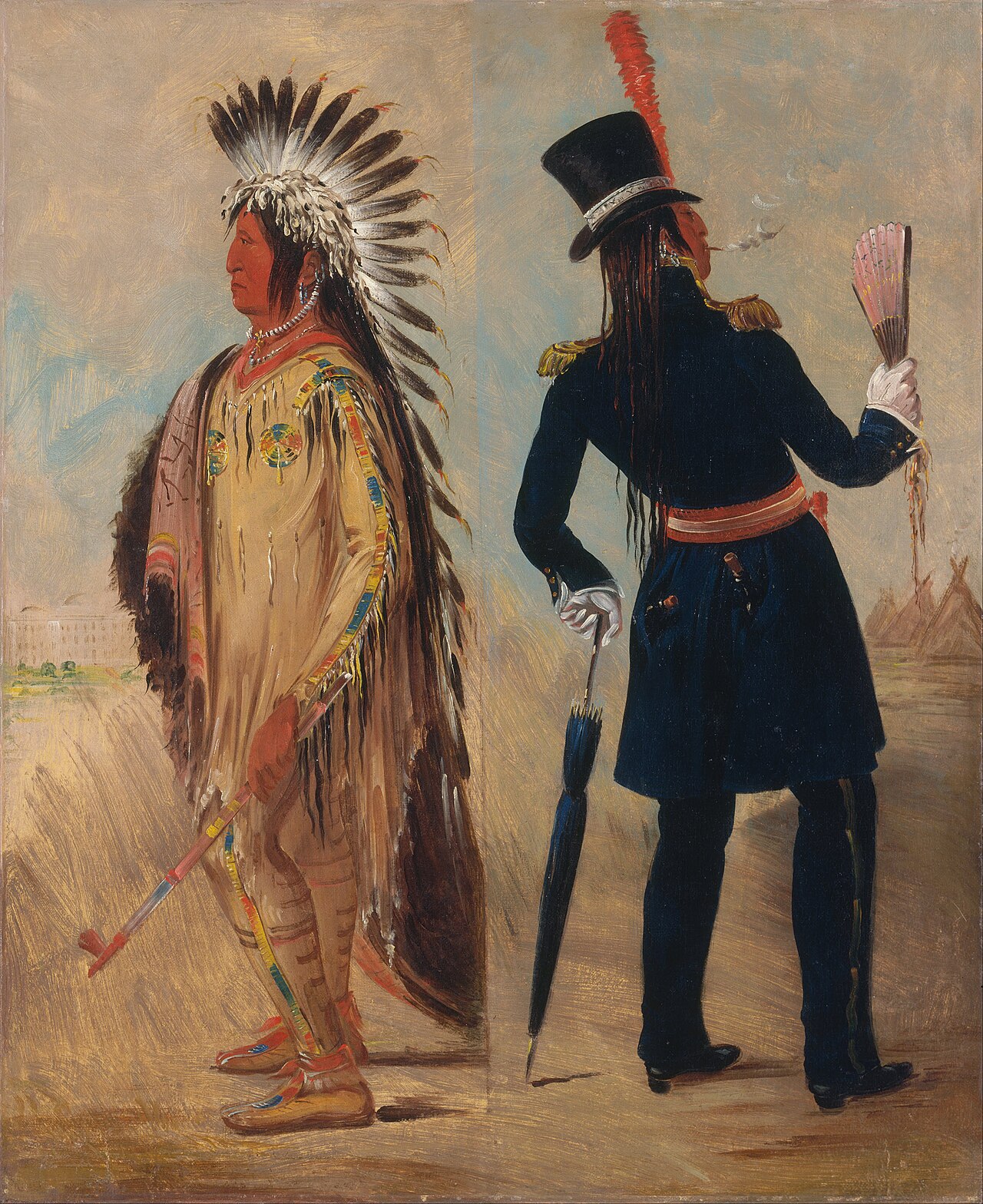
Wi-jún-jon, Pigeon's Egg Head, Going To and Returning From Washington
George Catlin · 1837
 Painting
Primary source
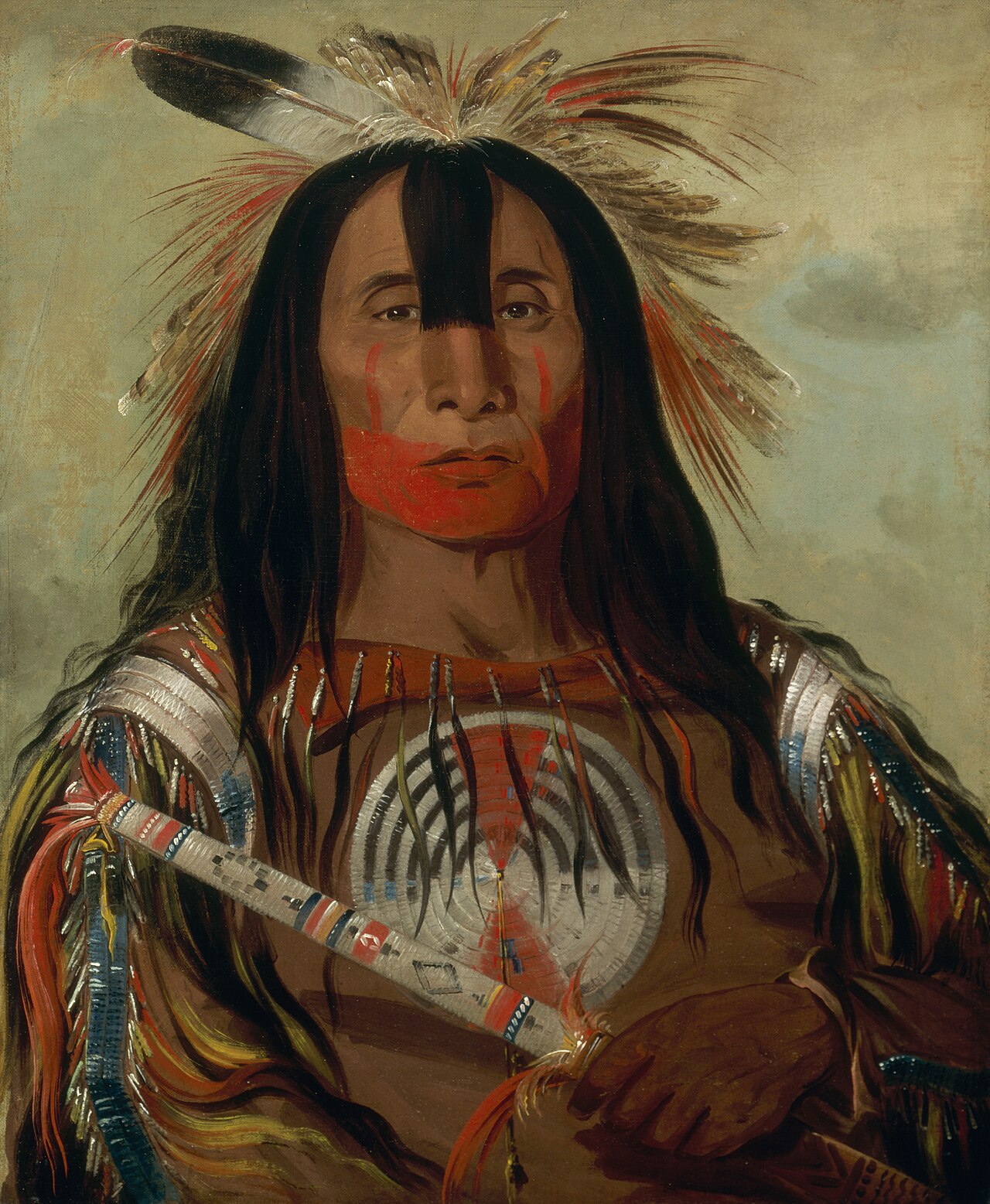
Stu-mick-o-súcks, Buffalo Bull's Back Fat, Head Chief, Blood Tribe
George Catlin · 1832
 Painting
Primary source
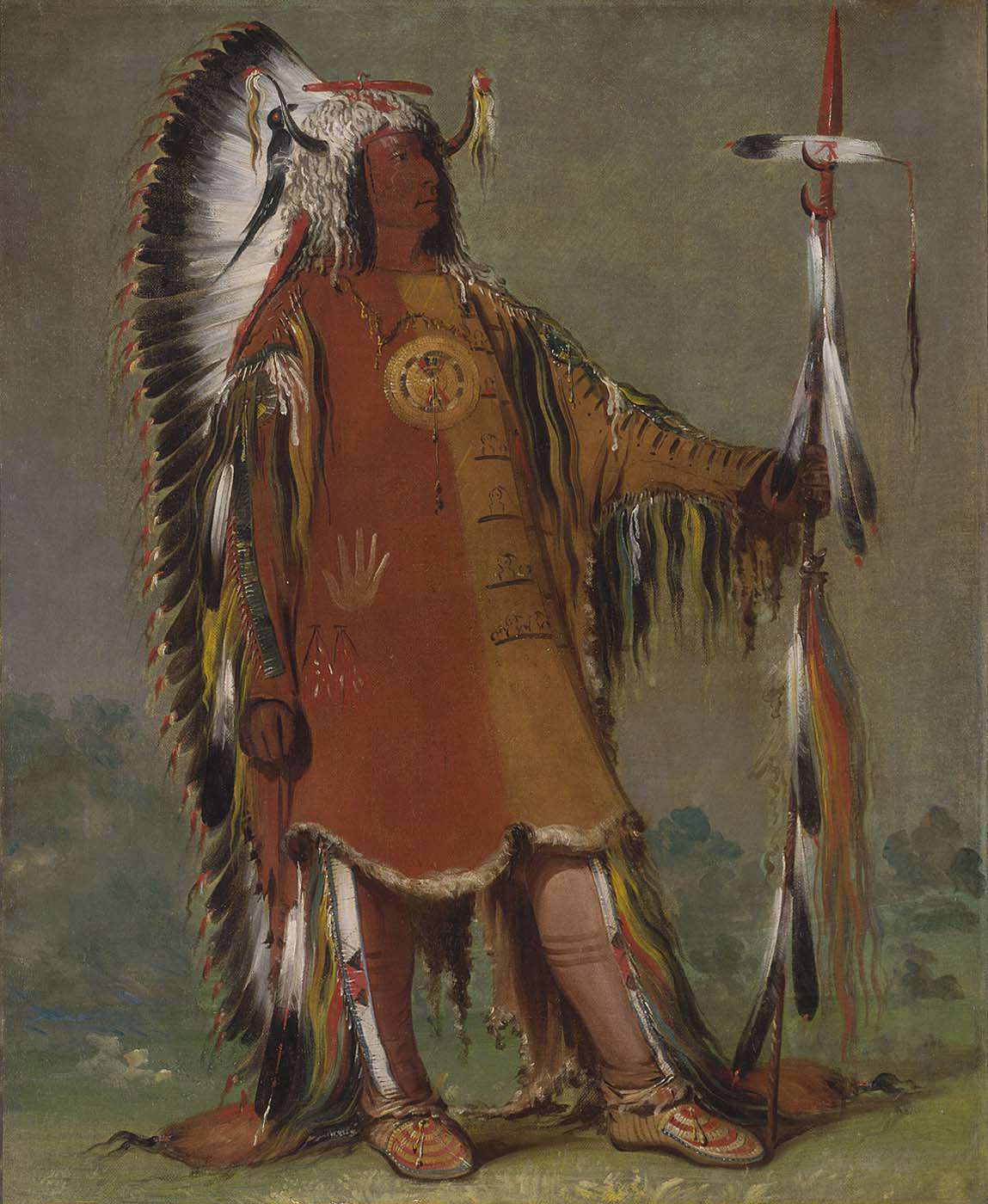
Máh-to-tóh-pa, Four Bears, Second Chief, in Full Dress
George Catlin · 1832
 Painting
Primary source
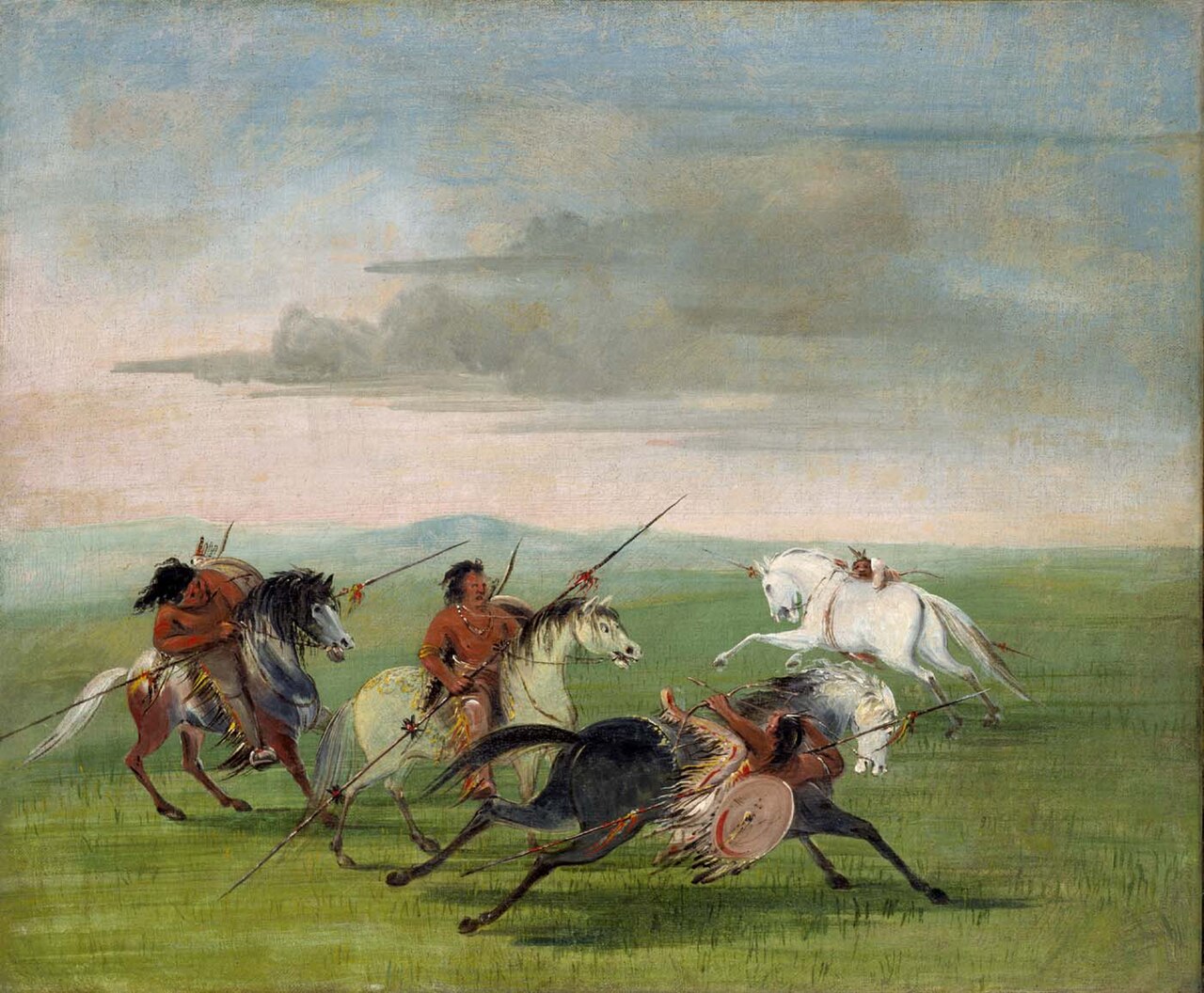
Comanche Feats of Horsemanship
George Catlin · 1834
Ready when you are
Start chatting with George Catlin now.
20 messages free · No credit card · Available in 50+ languages.