


Primary sourceSpeech1922
Warren G. Harding's Second State of the Union Address
Warren G. Harding · 1922
Harding's 1922 message to Congress, which opens by saying the world has barely begun to readjust four years after World War I ended.
Harding wrote and delivered this message as president, so it shows his own view of the problems facing the country in 1922.
About this source
What it is
This is Warren G. Harding's second State of the Union address, delivered to Congress in 1922 and held by the archive as a speech by the president. Its opening lines say that four years after the World War ended, the social and economic order had barely begun to readjust. The archive's curator summarizes the message as addressing labor strife, Prohibition enforcement and farm distress.
Why it matters
Presidents use these annual messages to set out their agenda for Congress and the public. This one shows how the aftermath of World War I shaped American politics. Harding describes a world in which people wanted wartime pay and prices to continue while spending as they had before the war. Readers can compare it with Woodrow Wilson's wartime program, which Harding had opposed in the Senate.
Look closer
- What does Harding mean when he says that everyone craves readjustment for everybody except himself?
- Which problems does the speech name, and which does it mention only briefly or leave out?
- Who was the audience for this message, and what might they have wanted to hear from their president?
This speech is part of the curated material that grounds the AI version of Warren G. Harding on Humy.ai — when students ask about related events, the AI can quote it and cite it.
More Warren G. Harding sources
Meet the AI Warren G. Harding →Primary source
Readjustment
Warren G. Harding · May 1920
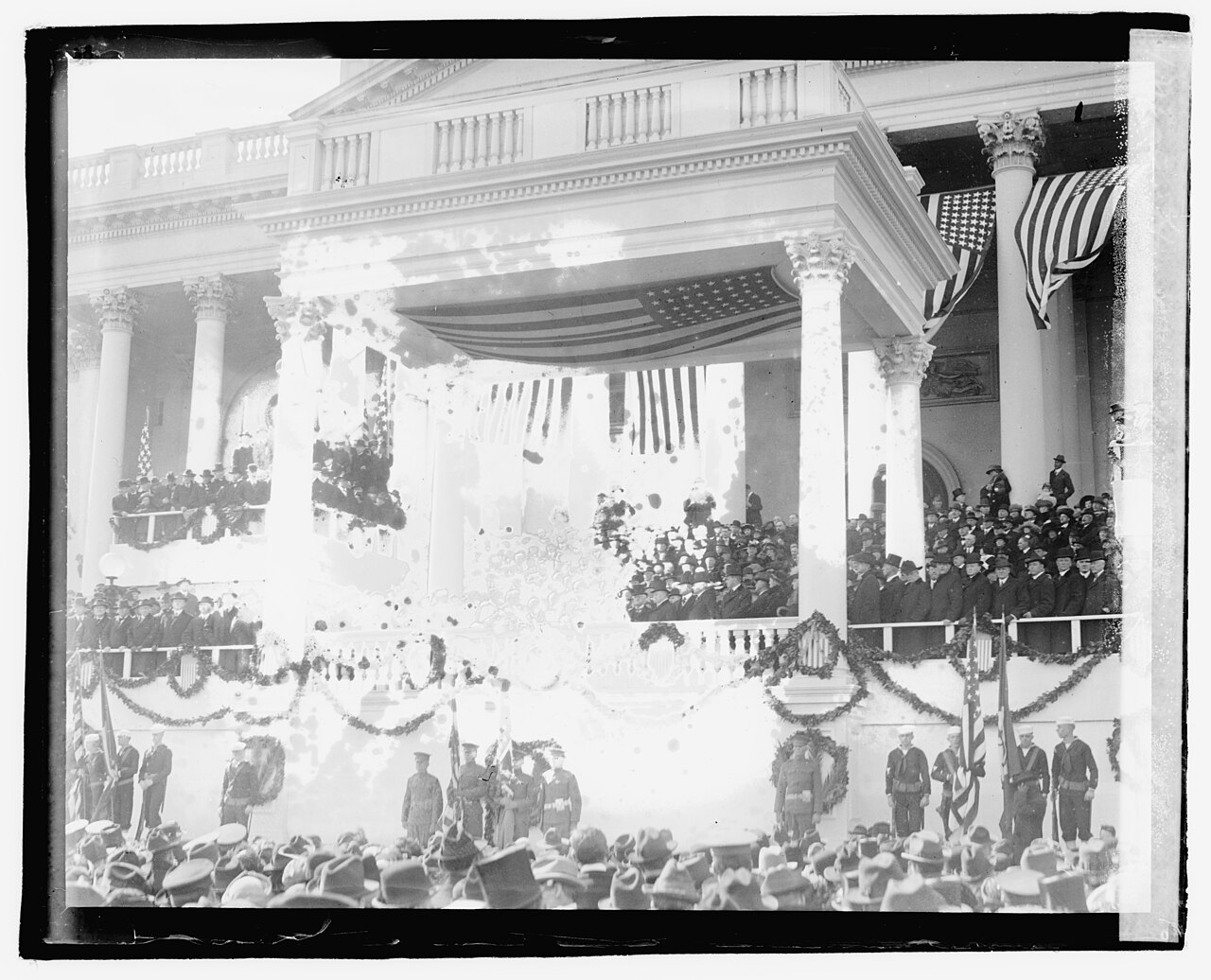 Speech
Primary source
Inaugural Address of Warren G. Harding
Warren G. Harding · 4 March 1921
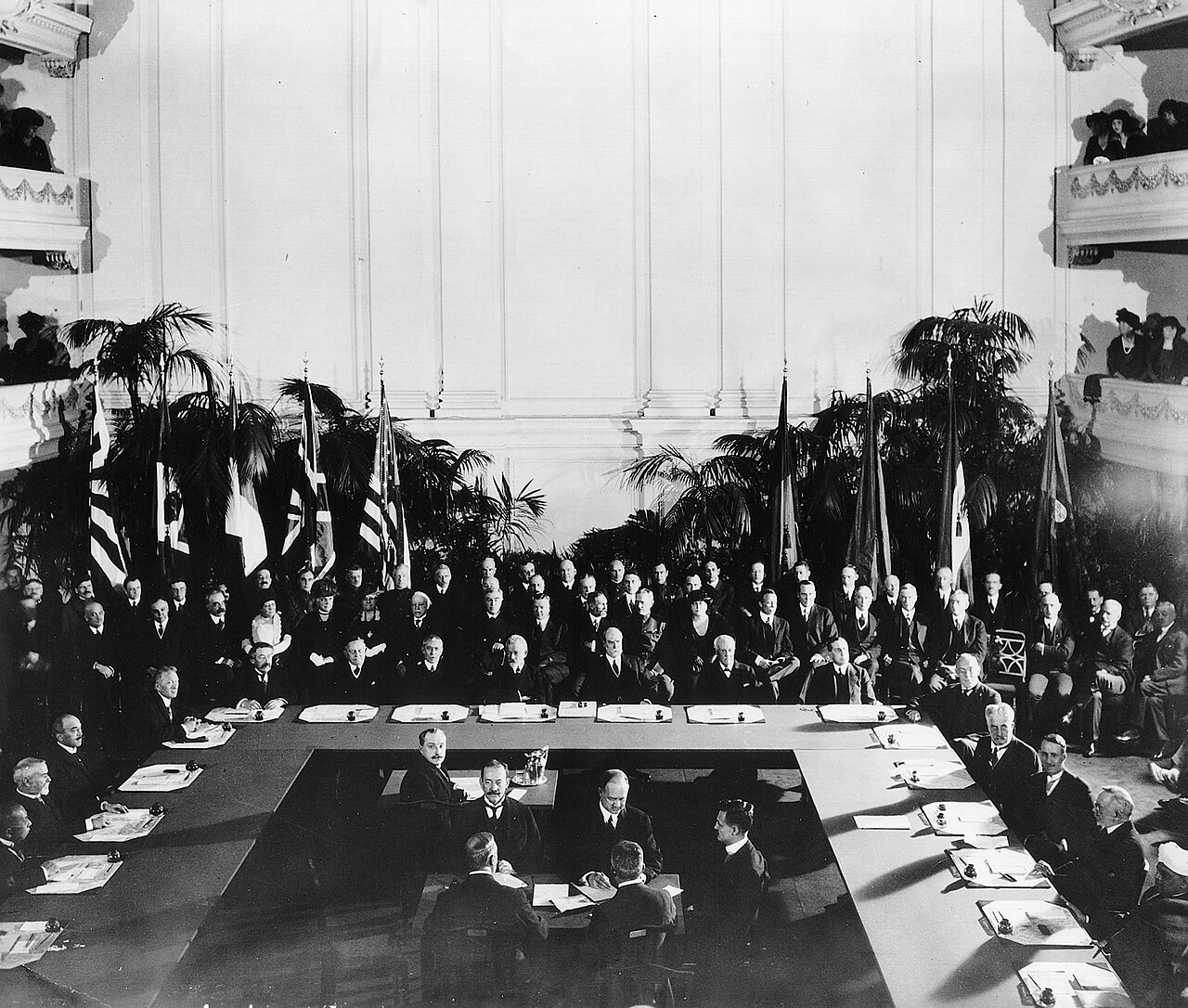 Document
Primary source
Washington Naval Treaty
1922
Primary source
Recording of the voice of Warren G. Harding
Warren G. Harding
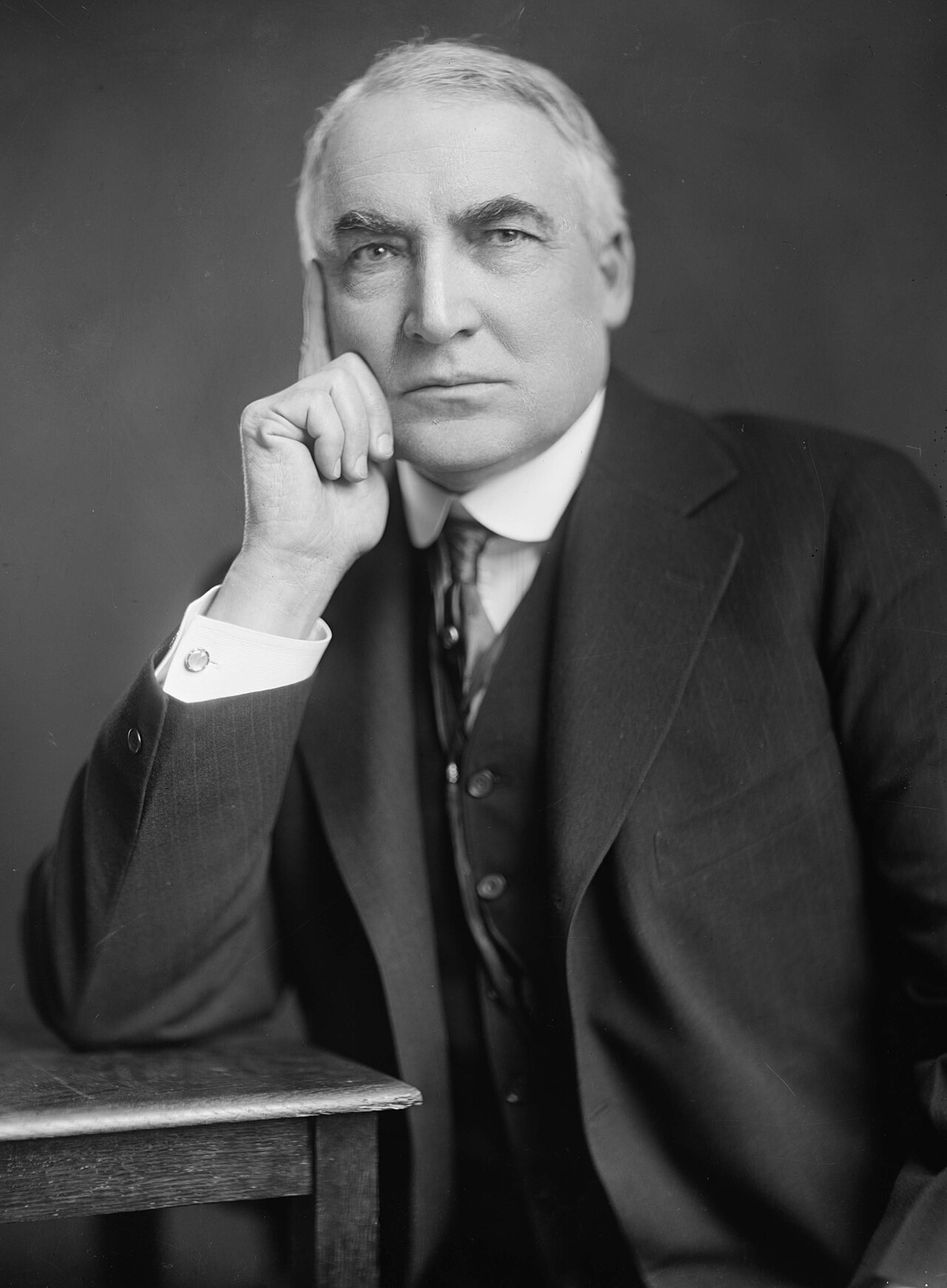 Photograph
Primary source
Warren G Harding by Harris & Ewing
Harris & Ewing
Ready when you are
Start chatting with Warren G. Harding now.
20 messages free · No credit card · Available in 50+ languages.