


Secondary sourcePainting1860
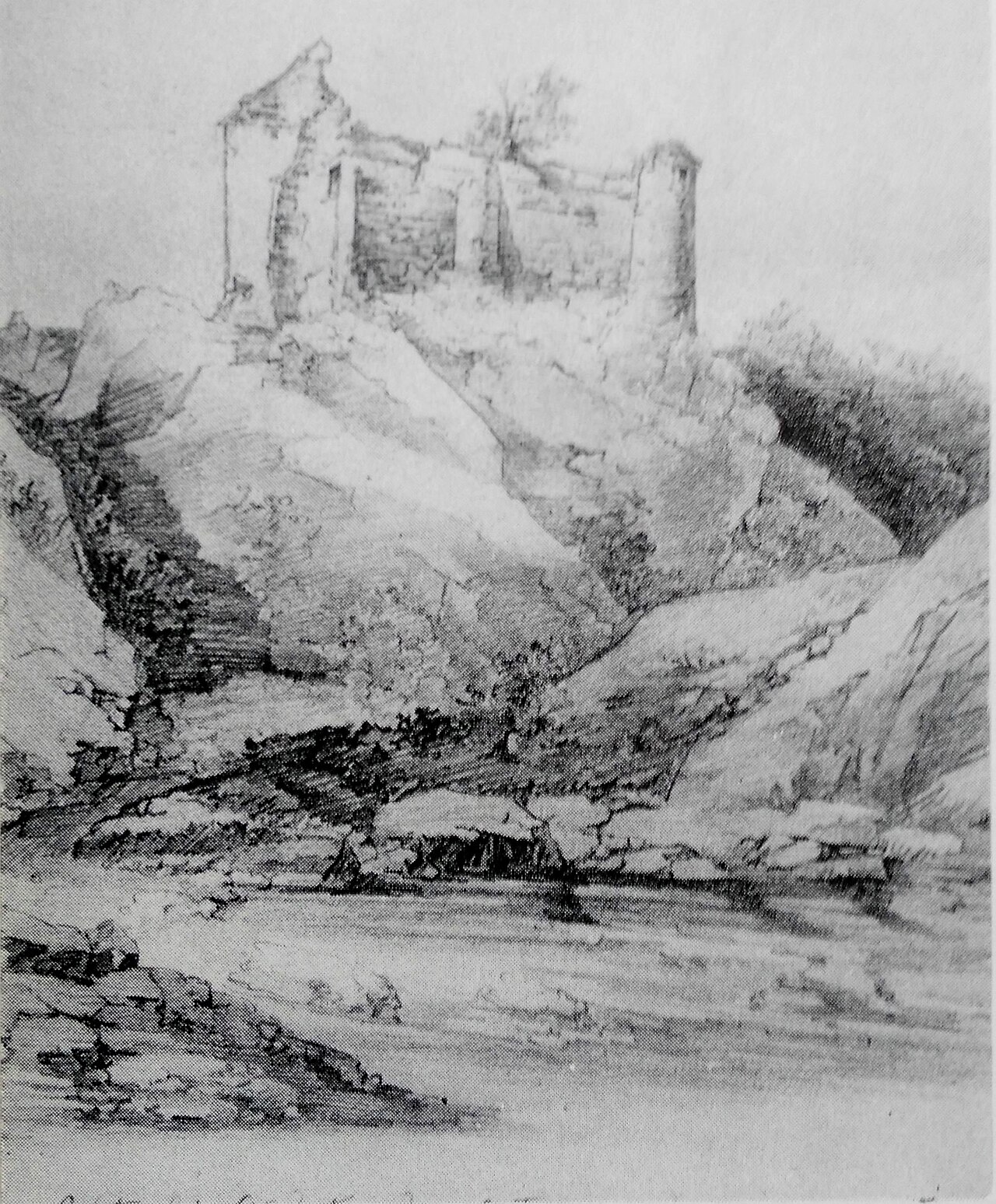
Watercolour of Cetatea Poenari
Gheorghe Tatarescu · 1860
A 19th-century artist's watercolour of the ruined fortress of Poenari, a stronghold linked to Vlad the Impaler's reign.
Depicts Poenari fortress, a site traditionally associated with Vlad the Impaler's reign, as imagined centuries later.
About this source
What it is
This is a watercolour painted by Gheorghe Tatarescu in 1860, showing the ruined fortress of Cetatea Poenari on a rocky hilltop above a river.
Why it matters
Poenari is traditionally connected to Vlad the Impaler, who is said to have used the fortress during his rule of Wallachia. This image was made centuries after Vlad's lifetime, so it shows how 19th-century Romanians imagined and remembered the ruins, rather than how the site looked in Vlad's own time.
Look closer
- What details suggest this is a ruin rather than a working fortress?
- Why might an artist in 1860 want to paint this site?
- What does the image NOT tell us about the fortress's history?
This painting is part of the curated material that grounds the AI version of Vlad the Impaler on Humy.ai — when students ask about related events, the AI can quote it and cite it.
More Vlad the Impaler sources
Browse all 83 →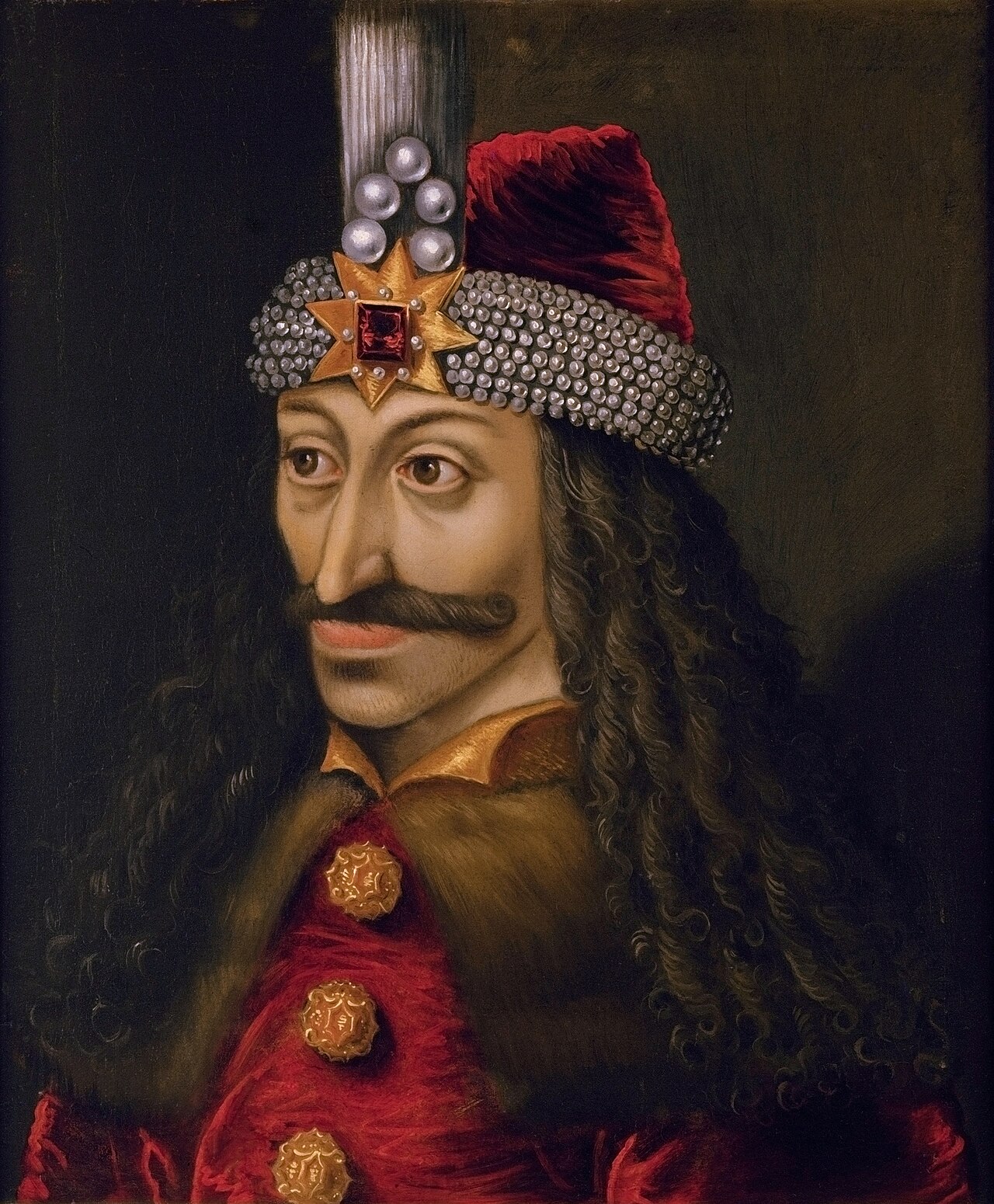 Painting
Secondary source
Portrait of Vlad Țepeș (Ambras Castle)
Unknown · c. 1560 (copy of lost original)
 Document
Primary source
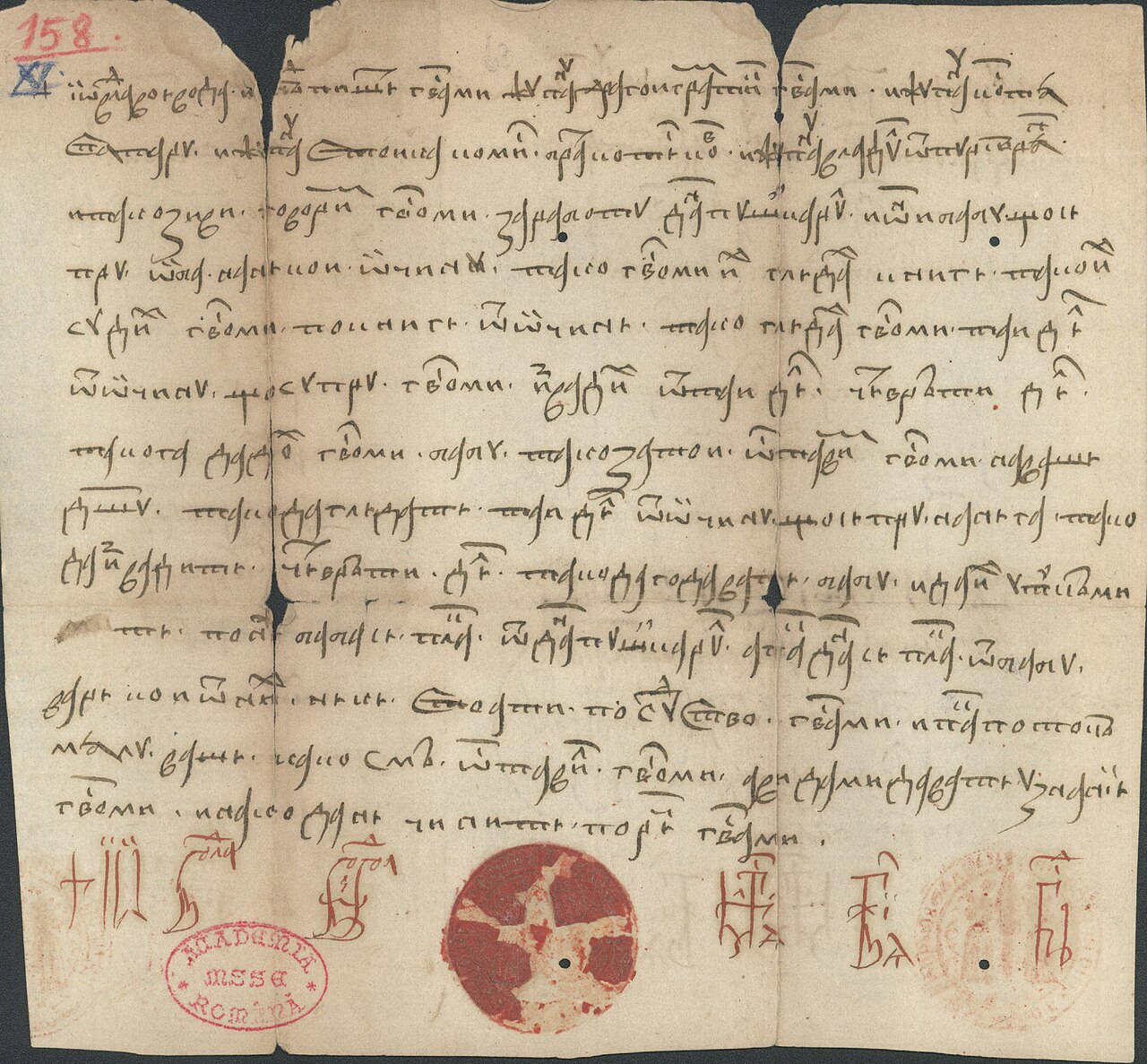
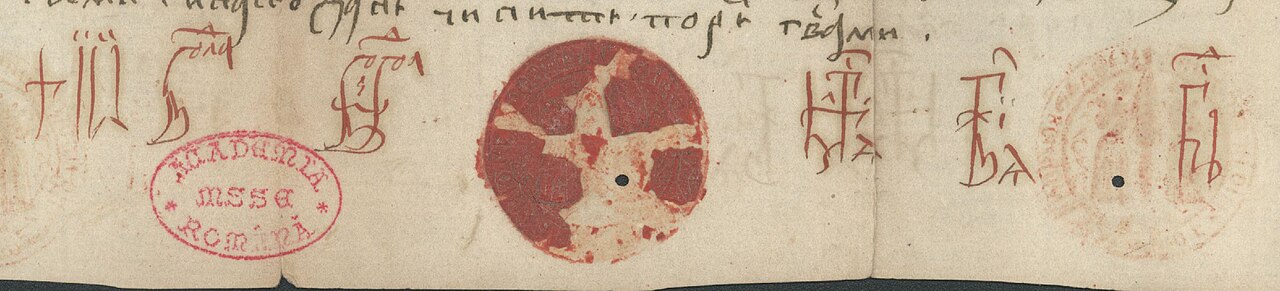
Hrisov of Vlad Țepeș to his Boyars (Baba Estate)
Vlad Țepeș · 15th century
 Letter
Primary source
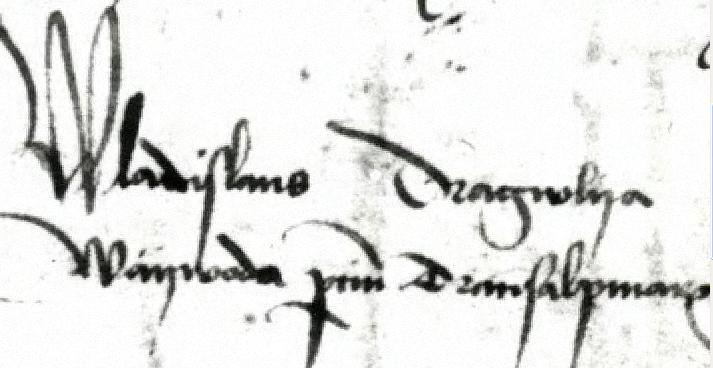
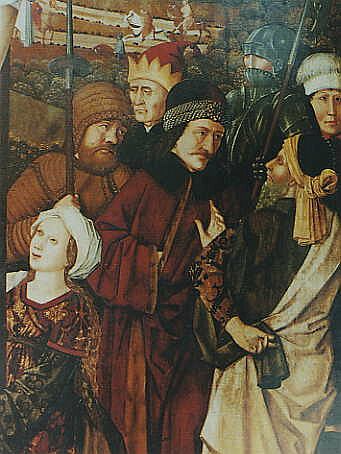
Letter Signed 'Wladislaus Dragwlya'
Vlad III of Wallachia · 15th century
 Painting
Secondary source
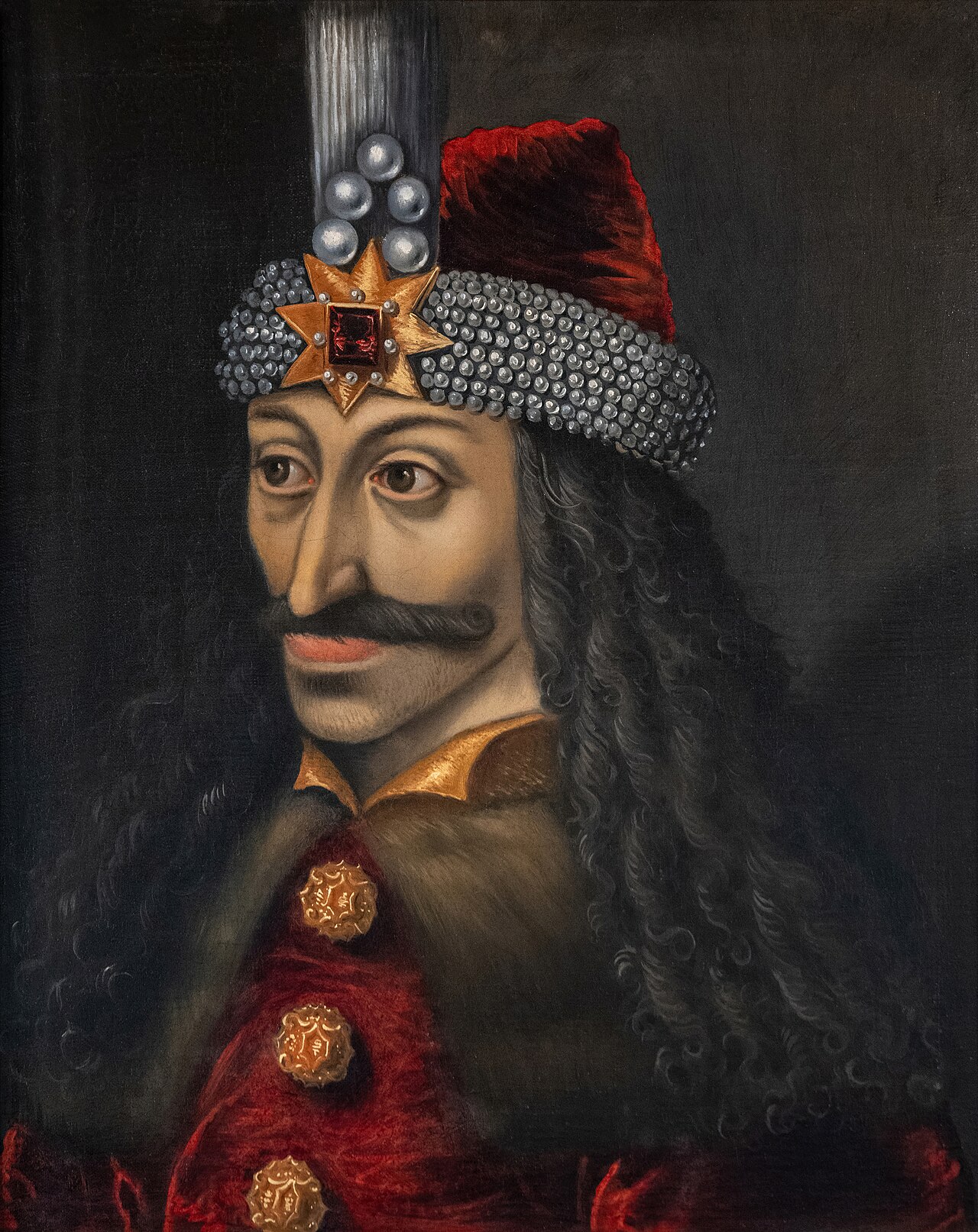
Portrait of Vlad the Impaler, Prince of Wallachia
Unknown · 16th century (copy of lost original)
Free account
Read every Vlad the Impaler source
Sign up free →
Ready when you are
Start chatting with Vlad the Impaler now.
20 messages free · No credit card · Available in 50+ languages.