


Primary sourceArtifact1820
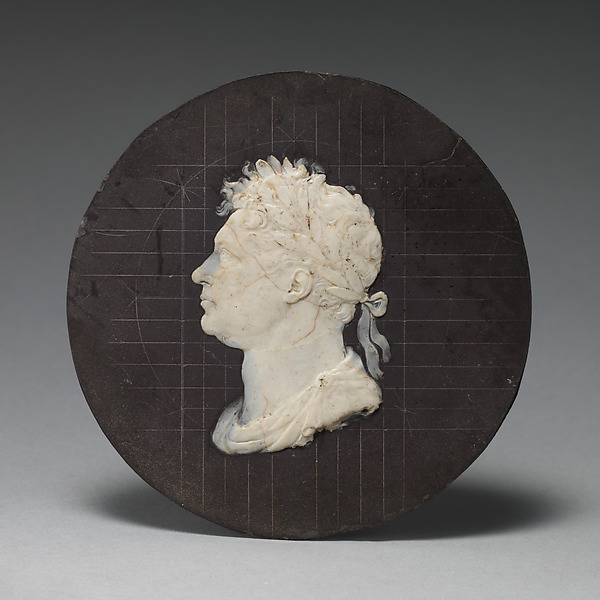
Wax Model for a Portrait of King George IV
Benedetto Pistrucci · 1820
A wax relief model made in 1820 by Benedetto Pistrucci, showing King George IV's profile in a classical style.
This wax model depicts King George IV in profile, likely as a study for an official portrait made during his reign.
About this source
What it is
This is a small wax model on slate made by the sculptor and medallist Benedetto Pistrucci in 1820, during George IV's reign. It was likely a preparatory study for a portrait, perhaps intended for a medal or coin. It is now held by The Metropolitan Museum of Art.
Why it matters
Pistrucci was a noted medal and coin designer of the period, and this wax model shows the careful preparatory work behind royal portraiture used on official objects. The classical laurel wreath and drapery present George IV in the style of a Roman emperor, a common way to show authority and dignity in royal imagery of the time.
Look closer
- Why might an artist model a king's portrait in wax before making it in metal or stone?
- Why does the king appear with a laurel wreath, like an ancient Roman ruler?
- What can this object tell us about how royal images were created and approved?
This artifact is part of the curated material that grounds the AI version of George IV on Humy.ai — when students ask about related events, the AI can quote it and cite it.
More George IV sources
Browse all 99 →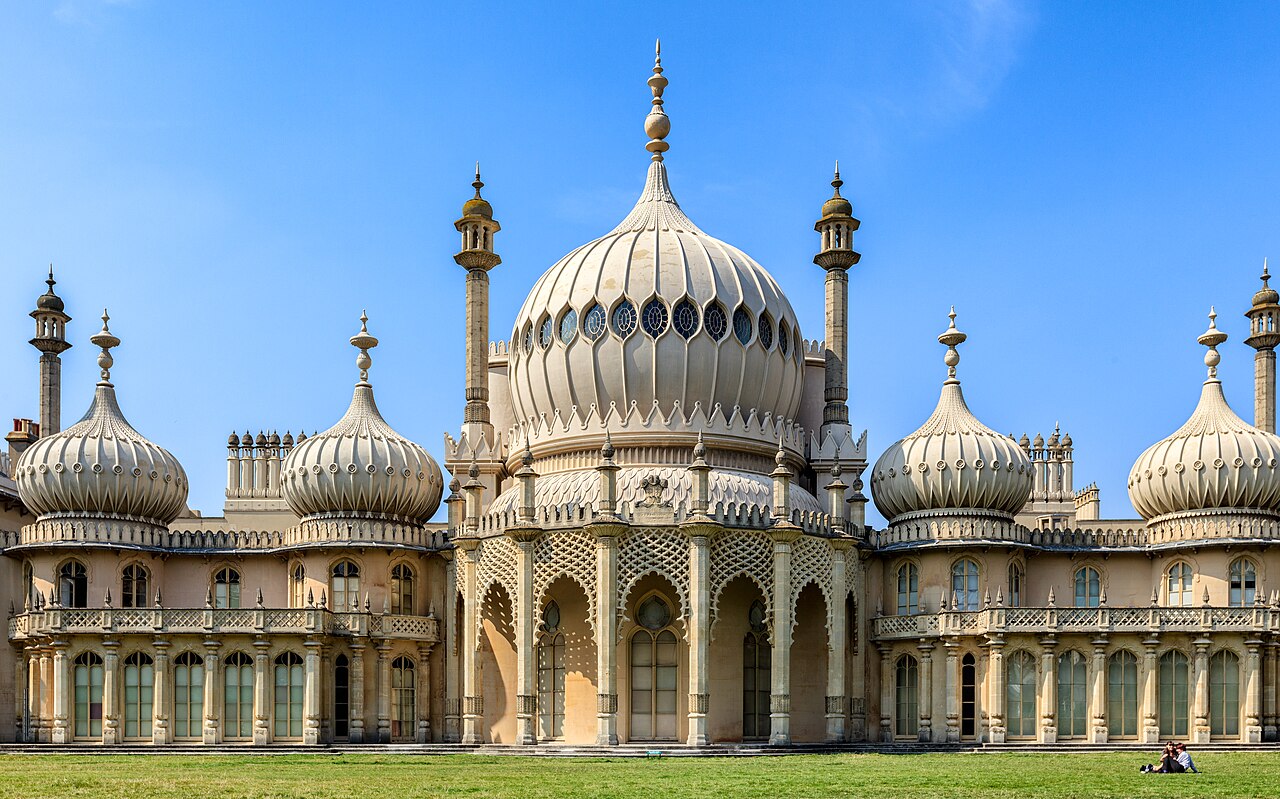 Artifact
Primary source
Royal Pavilion
John Nash · 1787 (extended 1815-1822)
 Painting
Primary source
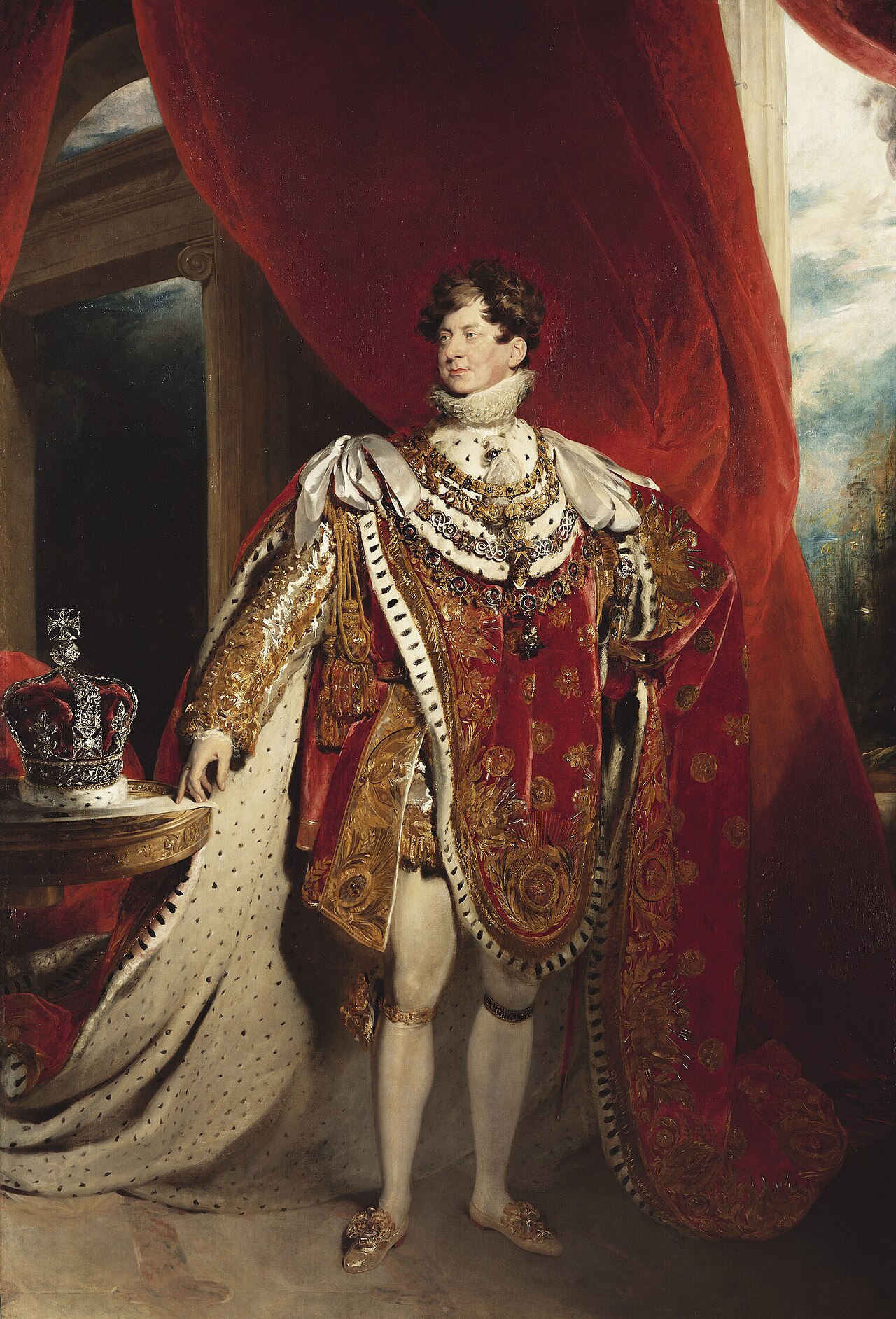
George IV
Thomas Lawrence · 1821
 Painting
Primary source
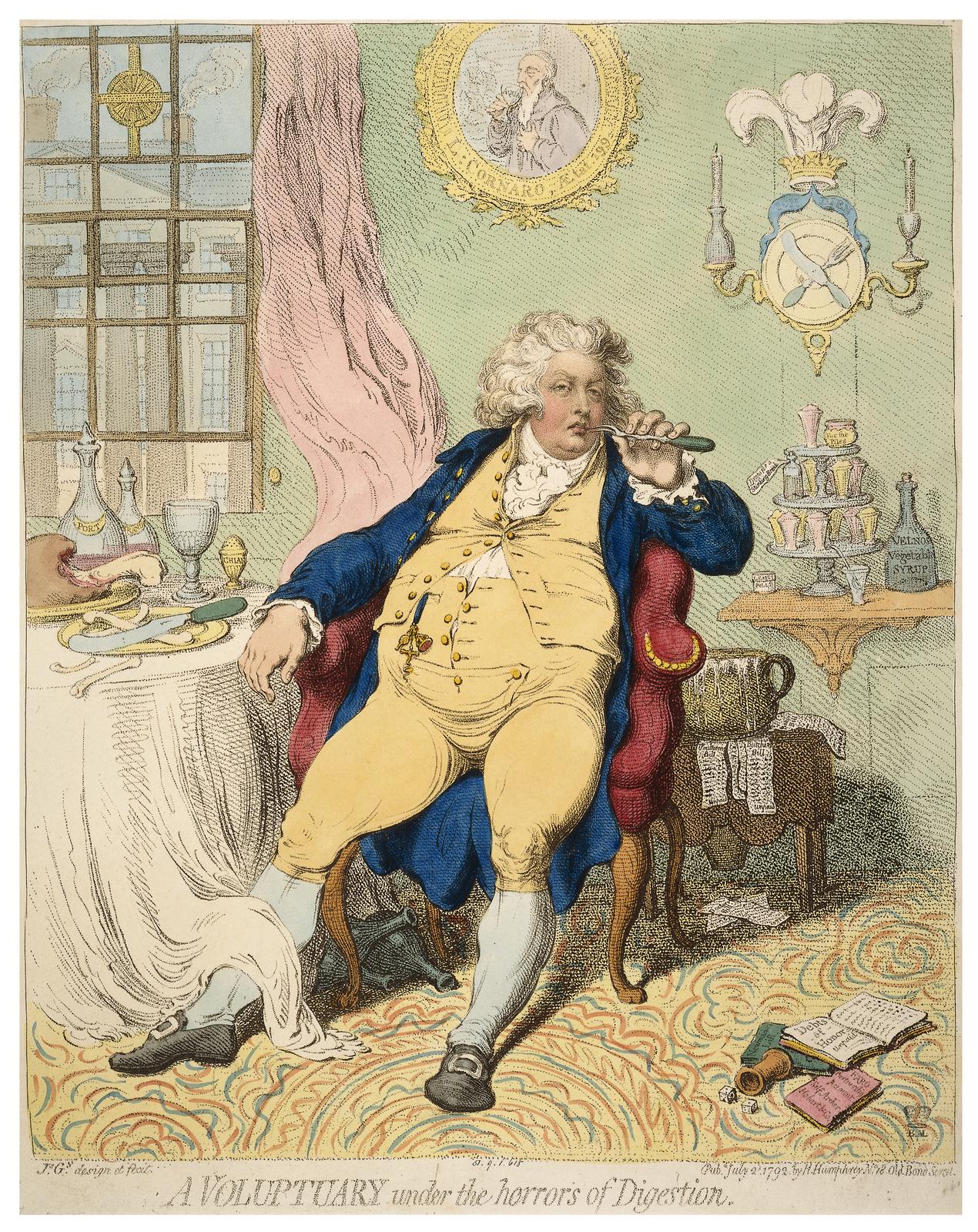
A Voluptuary under the Horrors of Digestion
James Gillray · 1792
 Document
Primary source
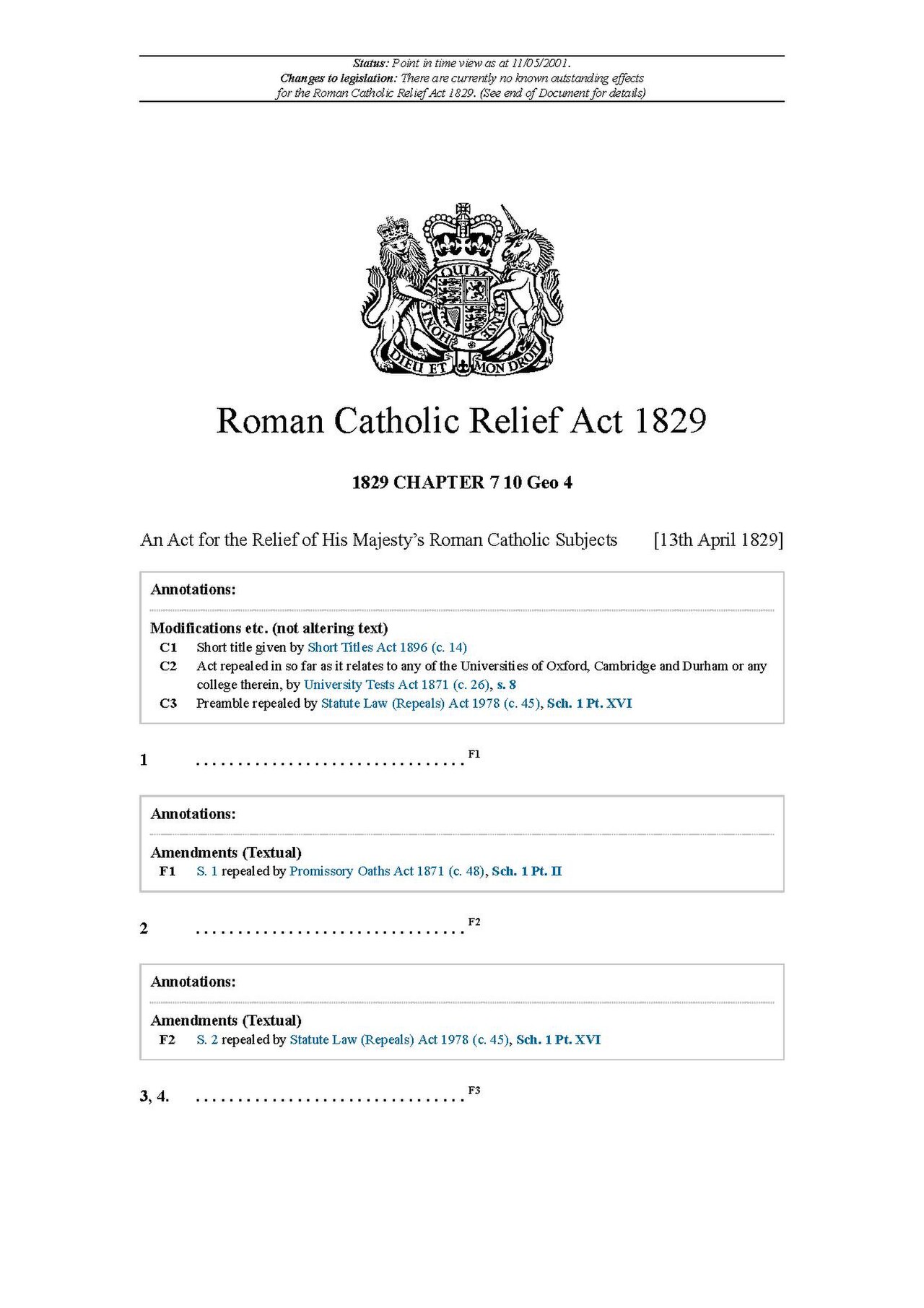
Roman Catholic Relief Act 1829
1829
Free account
Browse every George IV source
Sign up free →
Ready when you are
Start chatting with George IV now.
20 messages free · No credit card · Available in 50+ languages.