


Secondary sourceSculpture2011
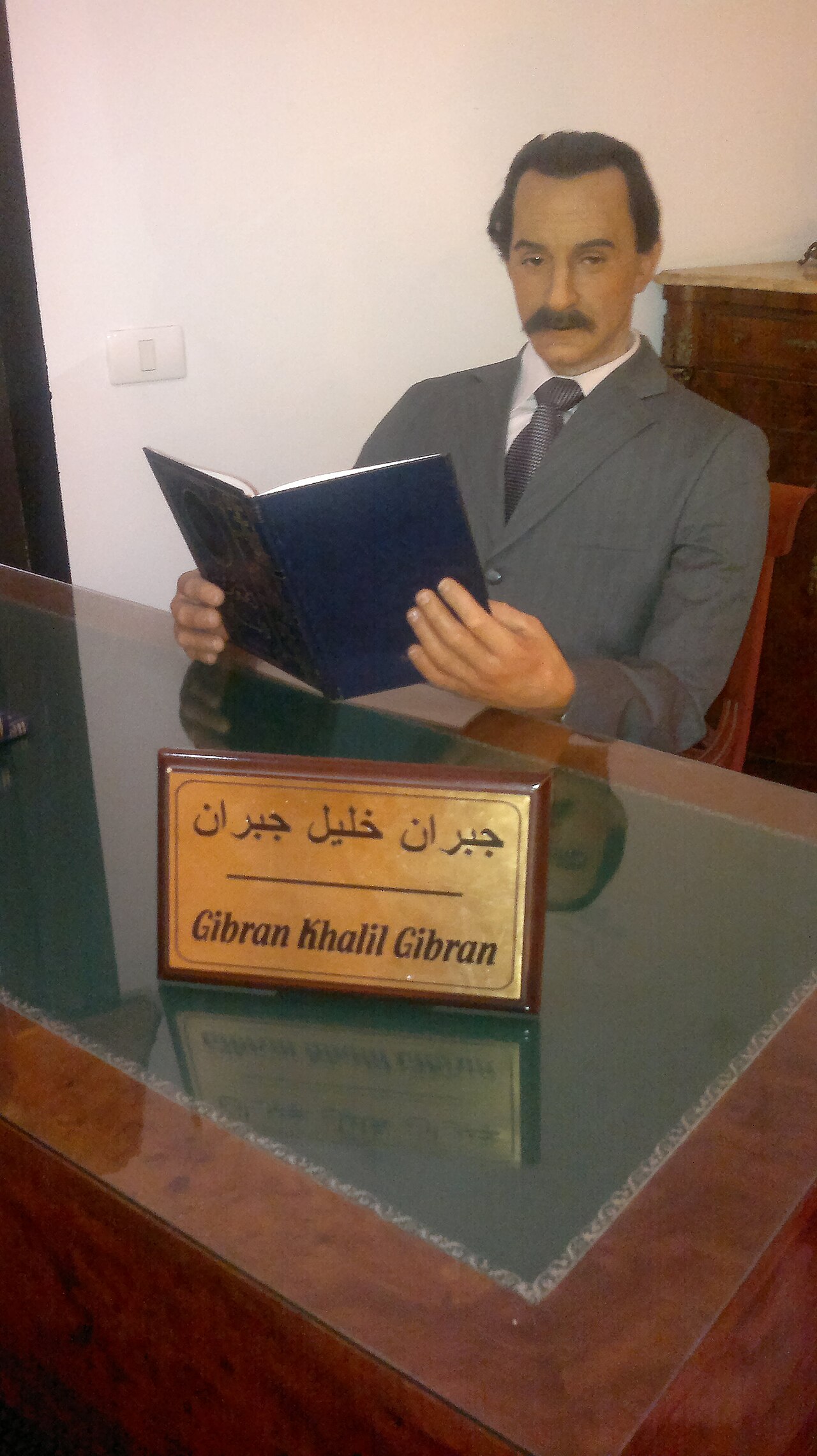
Wax Model of Khalil Gibran at a Lebanese Wax Museum
2011
A modern wax figure of Kahlil Gibran, shown seated at a table reading a book, displayed in a museum in Lebanon. It is a later likeness of the writer, not an object from his lifetime.
A later wax likeness that commemorates Gibran in a Lebanese museum, showing how he is remembered rather than documenting his own life.
About this source
What it is
This is a photograph of a wax figure of Gibran displayed at a wax museum in Lebanon. The figure shows a man with dark hair and a mustache, wearing a grey suit, white shirt and patterned tie. He sits at a glass-topped table reading an open dark blue book, and a brass plaque in Arabic and English reads "Gibran Khalil Gibran." The photograph was uploaded to Wikimedia Commons in 2011 by a user named Freedom's Falcon.
Why it matters
The wax figure is a modern tribute, not a historic object. It was made long after Gibran's death in 1931, so it shows how later generations chose to picture him. Gibran wrote and painted in both Arabic and English and lived much of his adult life in the United States, and his books, including The Prophet, remain widely read. A museum likeness like this one tells us what people admire about him today, rather than what he looked like or how he behaved.
Look closer
- What details of the pose, clothing and book did the makers choose to show Gibran as a reader and thinker?
- Why do you think the plaque uses both Arabic and English?
- What can a wax figure never tell us about the real person, and what would you need to learn from his own writing instead?
This sculpture is part of the curated material that grounds the AI version of Kahlil Gibran on Humy.ai — when students ask about related events, the AI can quote it and cite it.
More Kahlil Gibran sources
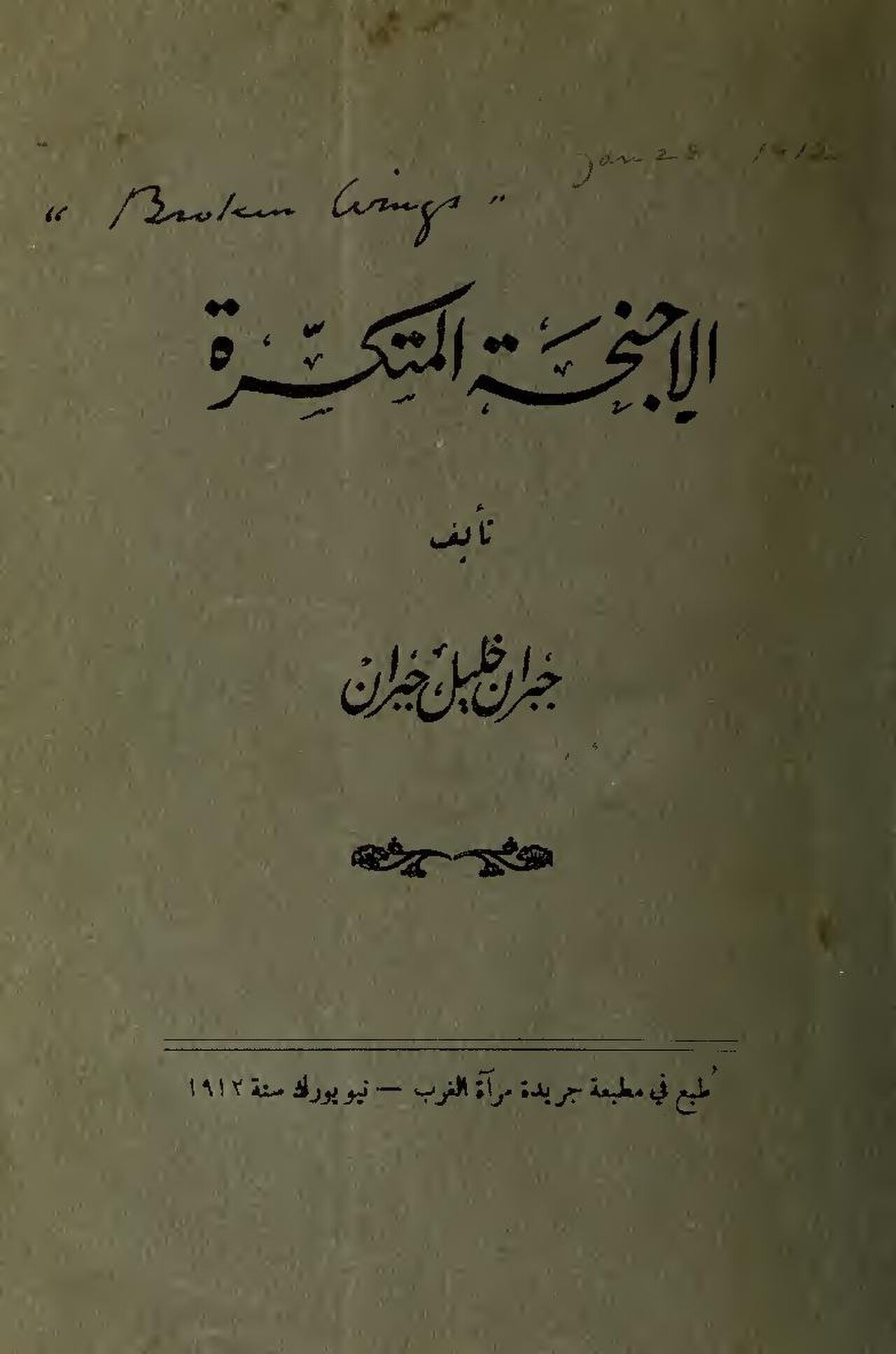
Browse all 87 →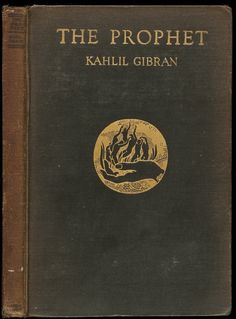
Ready when you are
Start chatting with Kahlil Gibran now.
20 messages free · No credit card · Available in 50+ languages.