


Secondary sourcePainting1871
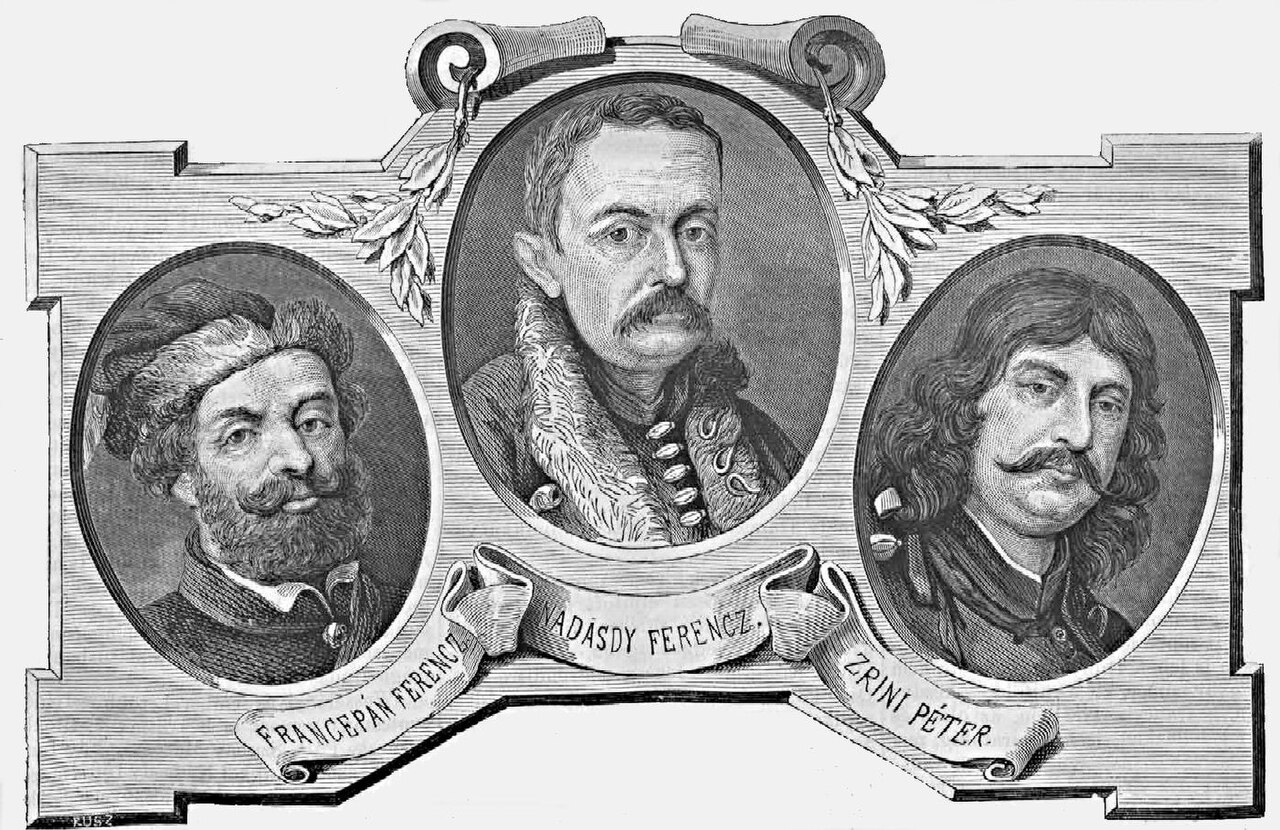
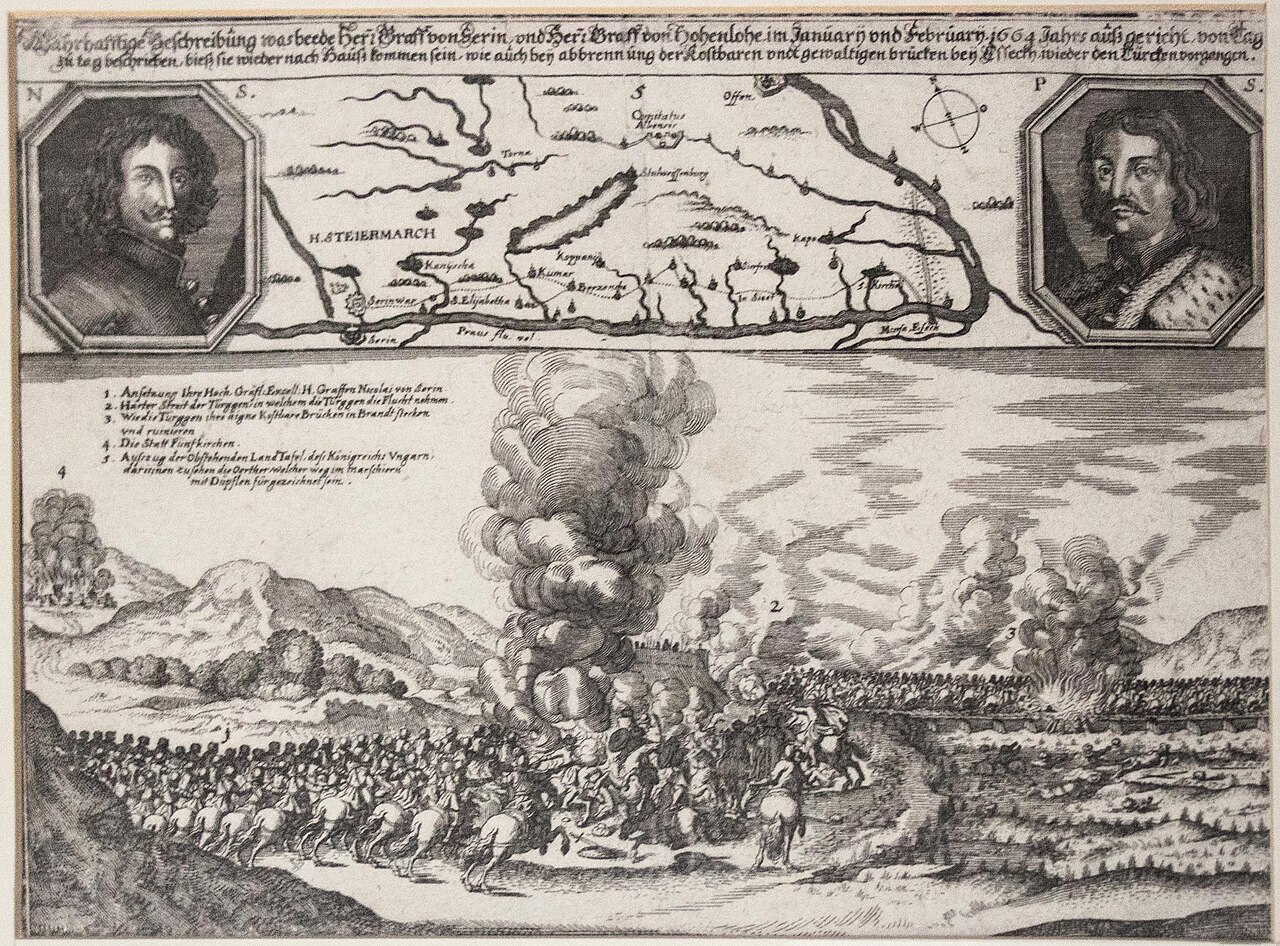
Wesselényi Conspiracy Martyrs Engraving
Károly Rusz · 1871
An 1871 Hungarian magazine engraving honoring Petar Zrinski and two fellow nobles executed in 1671 for conspiring against Habsburg rule.
Zrinski is one of the three executed conspirators portrayed and named in this commemorative engraving.
About this source
What it is
This engraving by Károly Rusz was printed in the Hungarian weekly Vasárnapi Ujság in 1871, two centuries after the events it depicts. It shows three oval portraits labeled with the names of the executed conspirators, including Petar Zrinski (shown as Zrini Péter).
Why it matters
The image was made to commemorate the so-called Wesselényi conspiracy, a plot by Hungarian and Croatian nobles against Habsburg authority that ended in the execution of its leaders in 1671. Created long after the fact, it shows how later generations remembered these men as martyrs for their cause.
Look closer
- Why might a 19th-century magazine choose to publish this image two hundred years after the events?
- What does the oval-portrait format suggest about how the artist wanted viewers to see these men?
- What is left out of this image that a more detailed account might include?
This painting is part of the curated material that grounds the AI version of Petar Zrinski on Humy.ai — when students ask about related events, the AI can quote it and cite it.
More Petar Zrinski sources
Browse all 64 →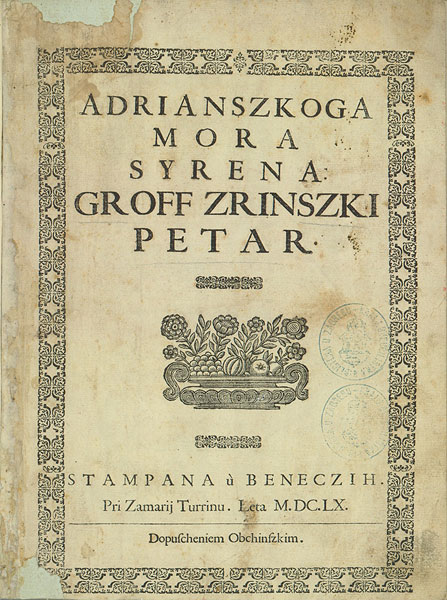 Book
Primary source
Adrianszkoga mora Syrena
Petar Zrinski · 1660
 Document
Primary source
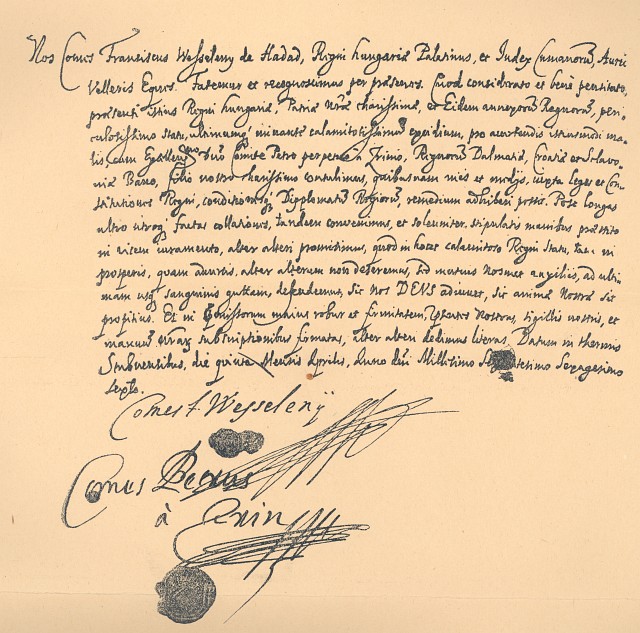
Alliance Charter of Wesselényi and Zrinski
Ferenc Wesselényi; Petar Zrinski · 1664
 Painting
Primary source
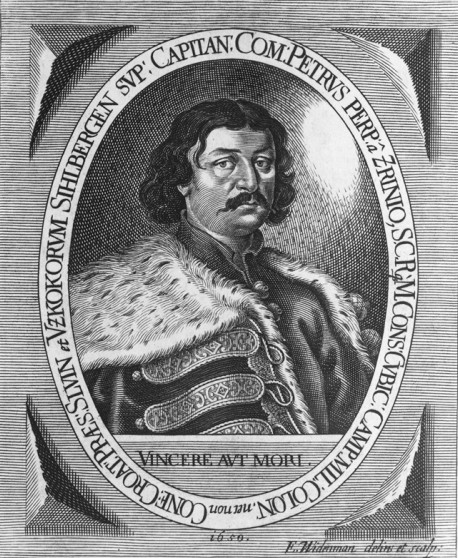
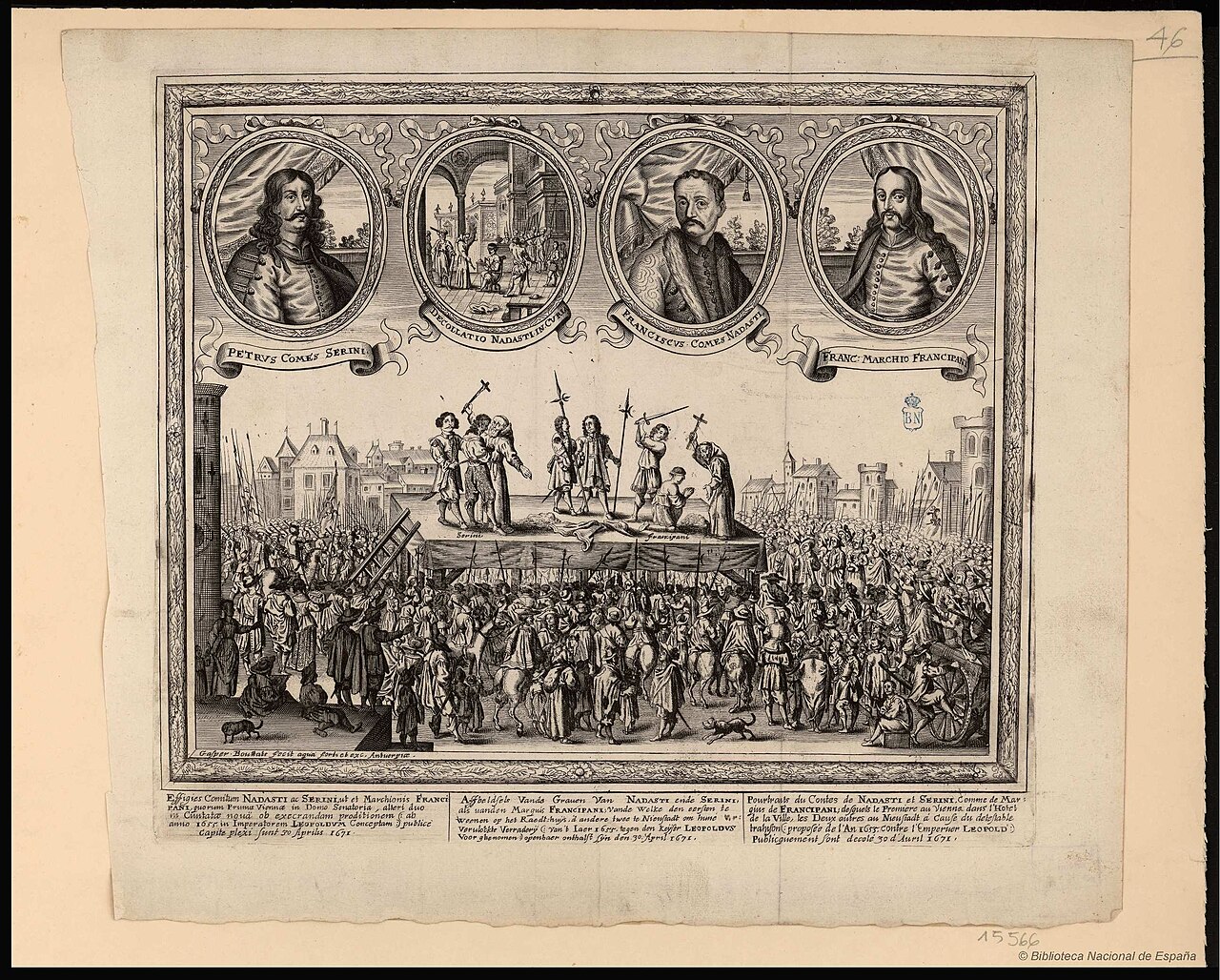
Portrait of Petar Zrinski
Elias Widemann · 1650
 Painting
Primary source
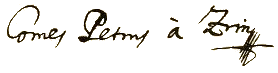
Execution of the Counts Nádasdy, Zrinski and the Marquis Frankopan
Gaspar Bouttats · 30 April 1671
Free account
Browse every Petar Zrinski source
Sign up free →
Ready when you are
Start chatting with Petar Zrinski now.
20 messages free · No credit card · Available in 50+ languages.