


Secondary sourceArtifactc. 1038-1227
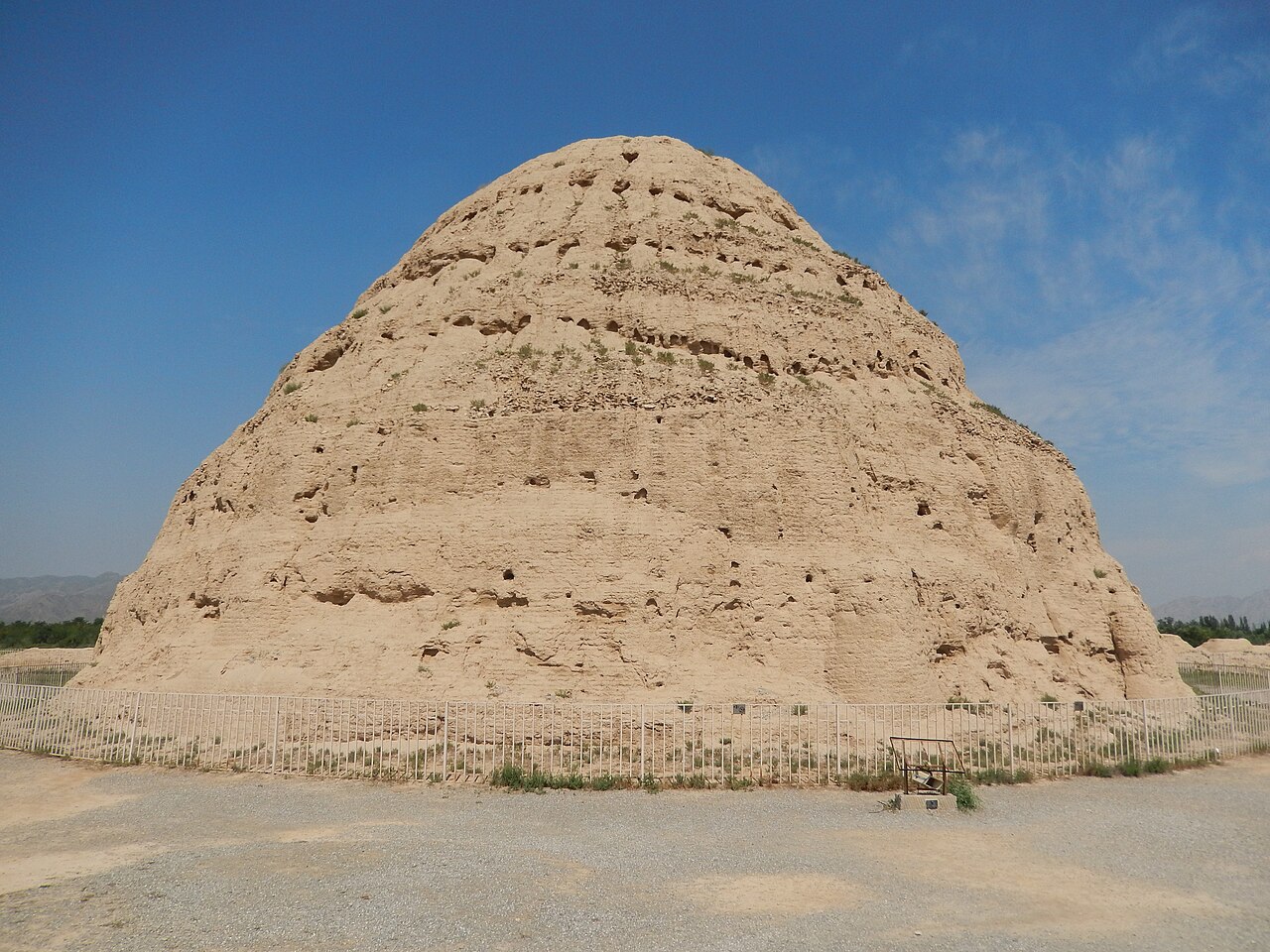
Western Xia Mausoleums
c. 1038-1227
The imperial tombs of the Tangut-ruled Western Xia state, whose fall and destruction by Genghis Khan's armies coincided with his death in 1227.
The Western Xia state was destroyed by Genghis Khan's final military campaign, which ended with his death in 1227.
About this source
What it is
The Western Xia mausoleums are a group of nine imperial tombs and about 250 smaller tombs near Yinchuan in northwestern China, built for the rulers of the Western Xia dynasty between about 1038 and 1227. The tombs feature rammed-earth mounds that were originally covered with brick, tile, and decoration, set inside walled enclosures with gate towers.
Why it matters
The Western Xia dynasty, founded by the Tangut people, was conquered by Genghis Khan's Mongol forces, and the campaign against it occupied his final years; he died in 1227 as the conquest was completed. No mausoleums were built for the last three Western Xia emperors because the state collapsed before there was time, making the empty final burial ground physical evidence of the destruction Genghis Khan's campaigns caused.
Look closer
- What does the absence of tombs for the last three Western Xia emperors tell us about how suddenly their state fell?
- Why might studying the conquered side of history be as important as studying the conqueror's story?
- What questions can an archaeological site like this answer that written chronicles cannot?
This artifact is part of the curated material that grounds the AI version of Genghis Khan on Humy.ai — when students ask about related events, the AI can quote it and cite it.
More Genghis Khan sources
Meet the AI Genghis Khan →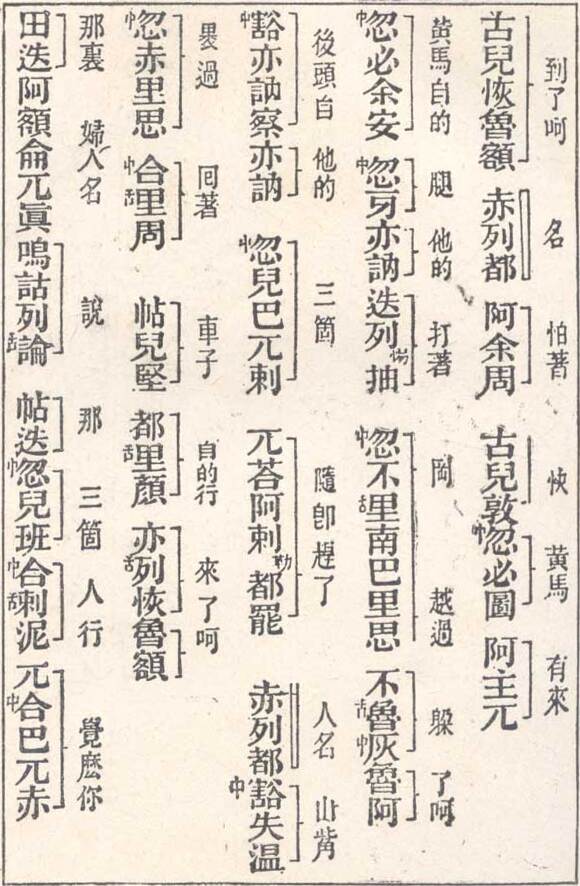 Book
Secondary source
The Secret History of the Mongols
c. 1228 (completed after 1227)
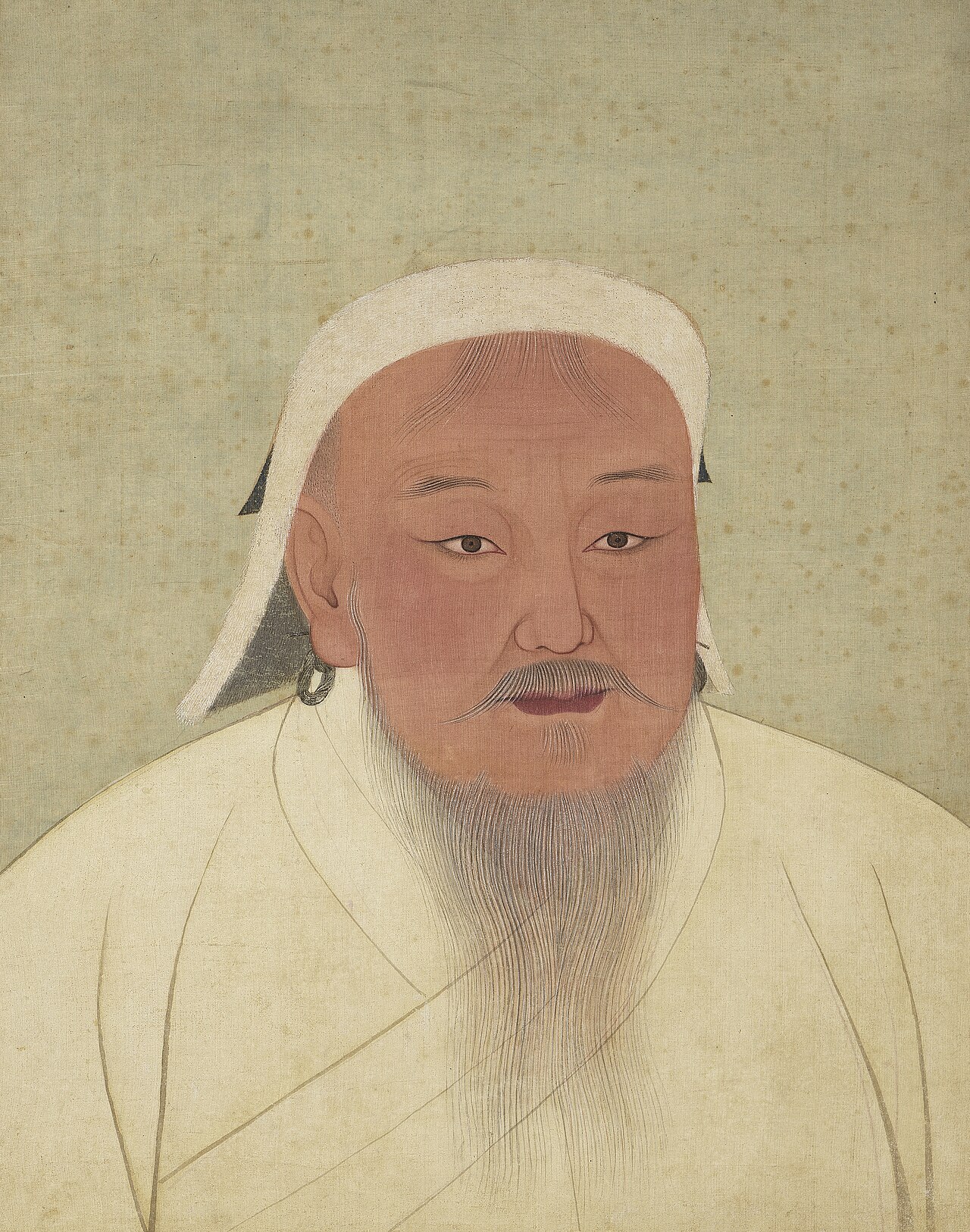 Painting
Secondary source
Portrait of Genghis Khan
Unknown Yuan court painter
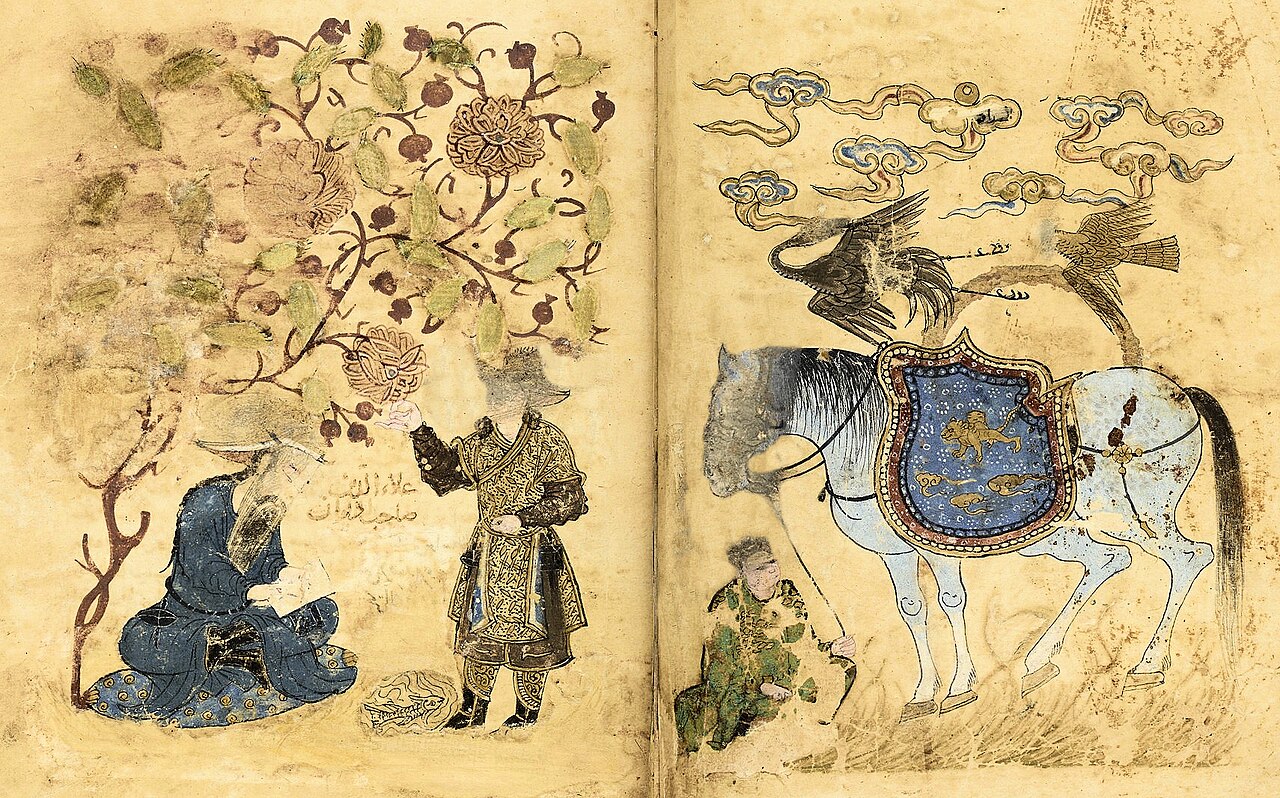 Book
Secondary source
Tarikh-i Jahangushay-i Juvaini
Ata-Malik Juvayni
 Book
Secondary source
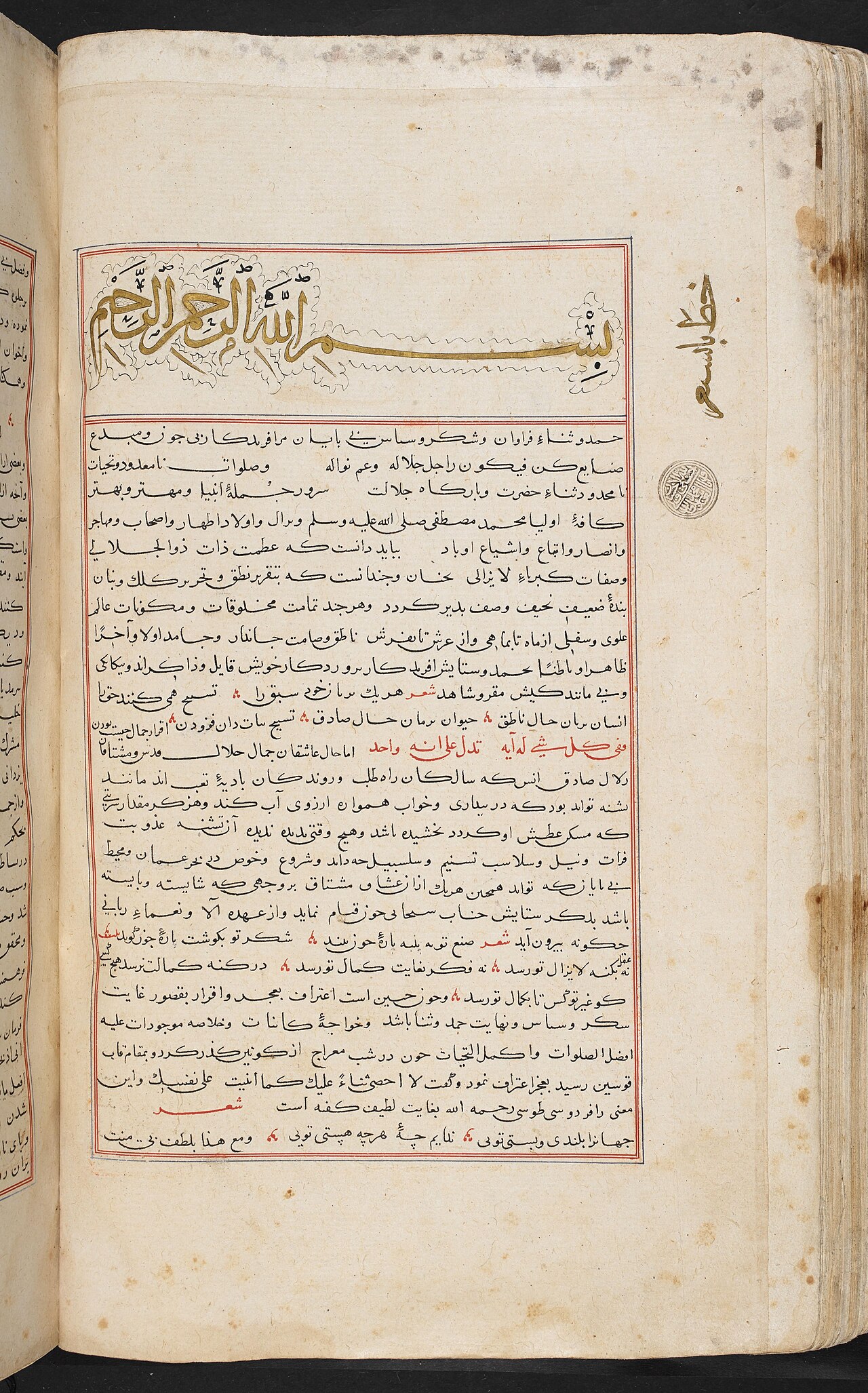
Jami' al-tawarikh
Rashid al-Din Hamadani · c. 1400 (manuscript copy)
 Artifact
Primary source
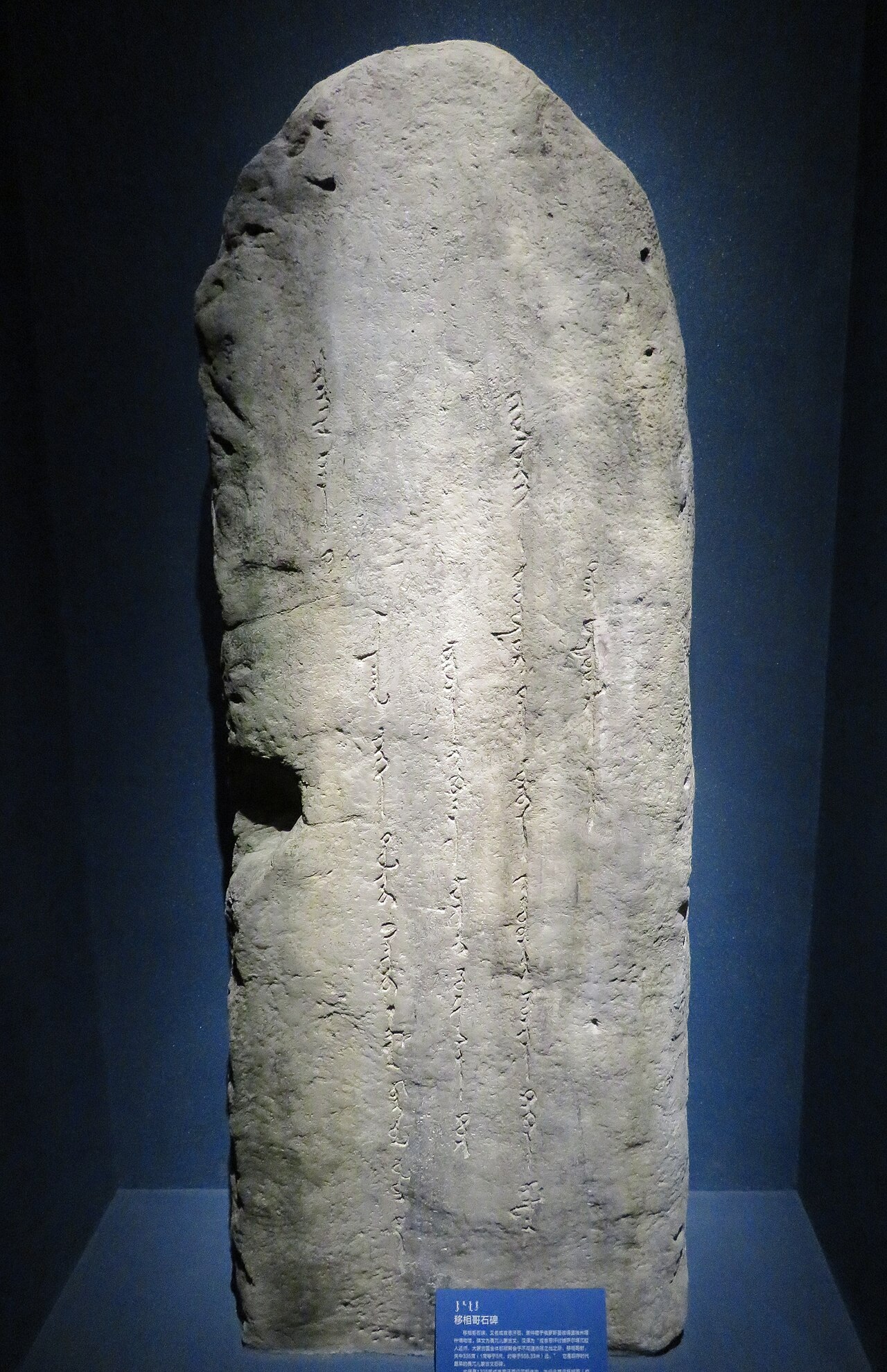
Stele of Genghis Khan
c. 1224-1225
Ready when you are
Start chatting with Genghis Khan now.
20 messages free · No credit card · Available in 50+ languages.