


Primary sourceDocument1873
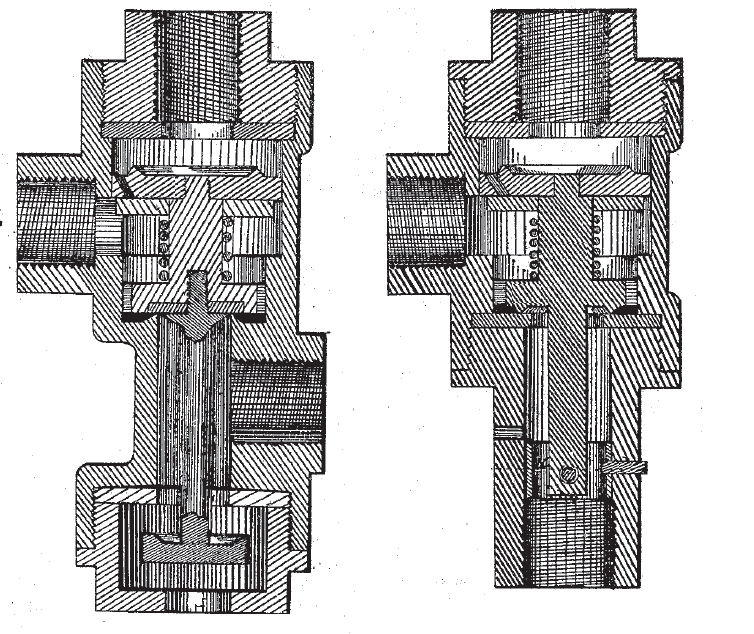
Westinghouse Steam and Air Brakes Patent Drawing
George Westinghouse · 1873
A patent drawing for Westinghouse's improved automatic air brake, the fail-safe railway braking system he invented.
This patent drawing documents Westinghouse's own invention, the automatic air brake, that built his fortune and reputation.
About this source
What it is
This is a technical patent drawing, numbered US144006, showing cross-section views of a valve assembly for an improved automatic air brake system. It relates to George Westinghouse's railway braking inventions from the 1870s.
Why it matters
Westinghouse's automatic air brake was a major safety breakthrough: unlike earlier brakes, it applied automatically if air pressure was lost, meaning a broken hose or disconnected train car would trigger braking rather than runaway disaster. This invention made railroads dramatically safer and became standard across the industry, forming the basis of the business empire Westinghouse built.
Look closer
- What details in the drawing show how the valve was designed to fail safely rather than fail dangerously?
- Why would a drawing like this need to be so precise and detailed?
- What does a patent document tell us about how inventors protected and proved ownership of their ideas?
This document is part of the curated material that grounds the AI version of George Westinghouse on Humy.ai — when students ask about related events, the AI can quote it and cite it.
More George Westinghouse sources
Meet the AI George Westinghouse →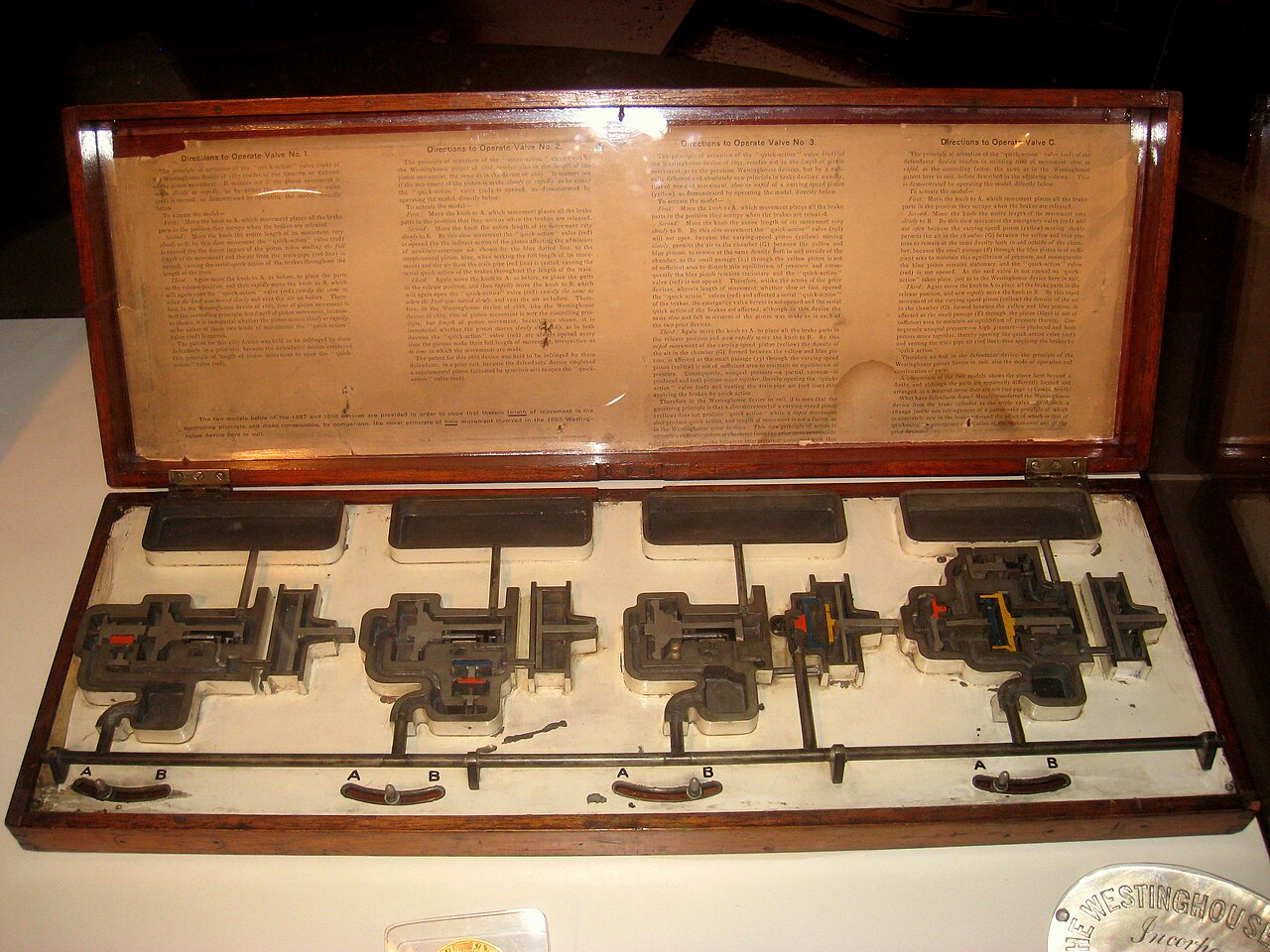 Artifact
Primary source
Patent Model for Westinghouse's Air Brake
George Westinghouse · 1869
 Document
Primary source
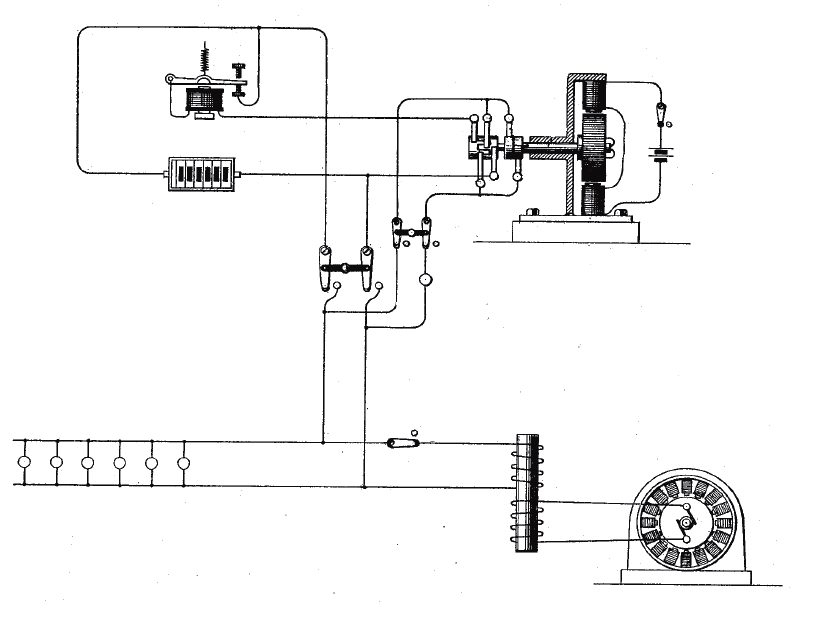
Early AC Power Distribution System Patent Drawing
George Westinghouse · 1887
 Photograph
Primary source
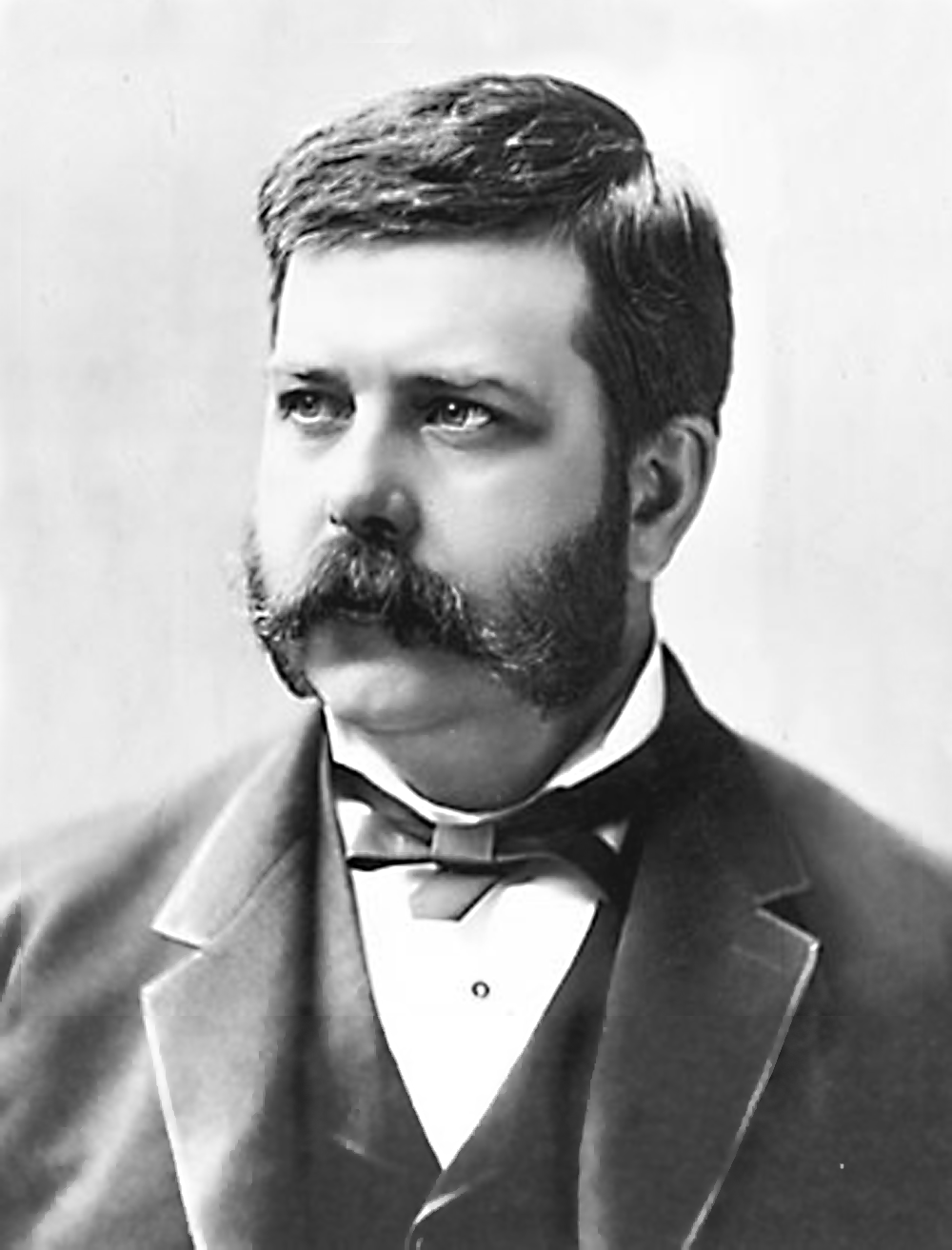
Portrait of George Westinghouse, 1884
unknown · 1884
 Photograph
Primary source
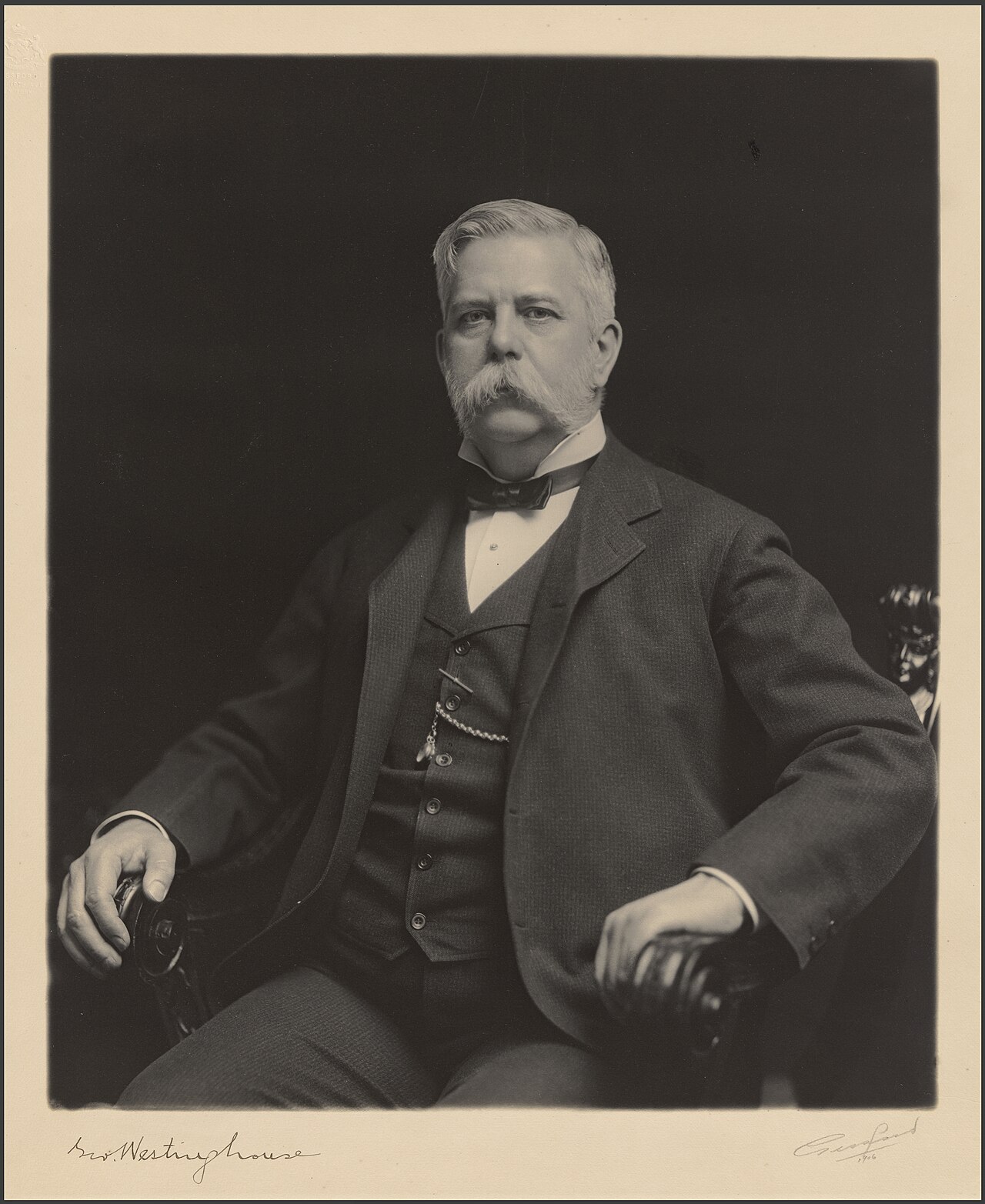
Portrait of George Westinghouse, 1906
Joseph Gaylord Gessford · 1906
 Document
Primary source
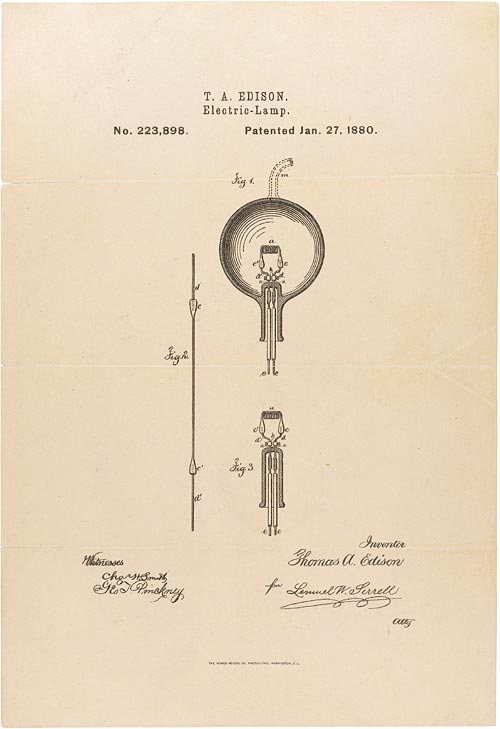
Thomas Edison's Patent Application for the Light Bulb
Thomas Edison · 27 January 1880
Ready when you are
Start chatting with George Westinghouse now.
20 messages free · No credit card · Available in 50+ languages.