


Secondary sourcePainting
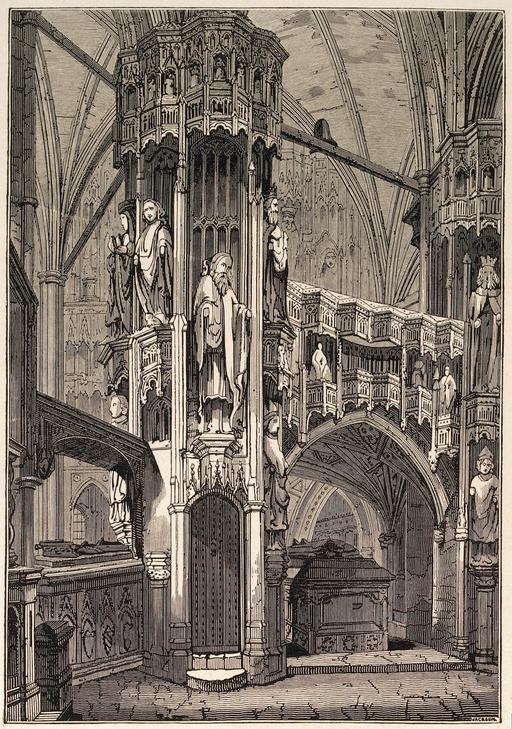
Westminster Abbey: Shrine of Henry V
W.F. Smallwood
A wood engraving of Henry V's shrine in Westminster Abbey, made by J. Jackson after a drawing by W.F. Smallwood. It shows how the king's tomb was remembered in print.
It shows how Henry V's shrine in Westminster Abbey was pictured for later viewers after his death in 1422.
About this source
What it is
This is a black and white wood engraving of a Gothic chantry or shrine interior. It has a tall pinnacled stone canopy, niches holding carved standing figures, a pointed doorway, and a tomb chest behind an arch. The engraving was cut by J. Jackson after a drawing by W.F. Smallwood. The Wellcome Collection in the United Kingdom holds it.
Why it matters
Henry V was buried in Westminster Abbey, and his chantry chapel there was a famous monument. Prints like this one were a way for people who could not visit the abbey to see the tomb. The image was made after the king's time and shows how later artists and publishers remembered his memorial. It says more about the tastes of its makers than about Henry's own life.
Look closer
- Which details of the shrine do the carved figures and arches draw your eye to, and why?
- Why would a printmaker copy a drawing of a tomb rather than visit it?
- What does this engraving leave out, such as colour, people, or the everyday life of the abbey?
This painting is part of the curated material that grounds the AI version of Henry V on Humy.ai — when students ask about related events, the AI can quote it and cite it.
More Henry V sources
Browse all 94 →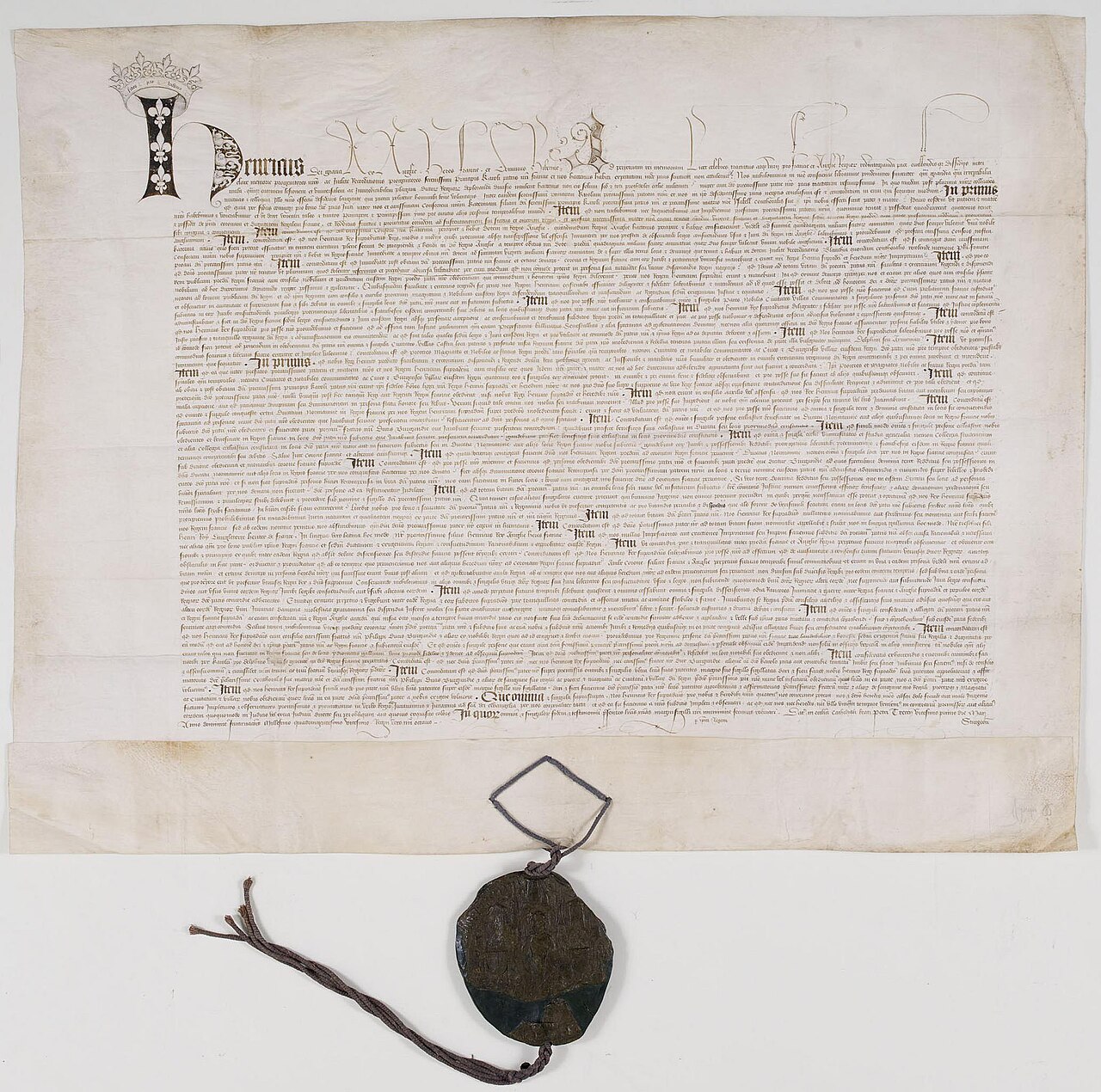 Document
Primary source
Treaty of Troyes
21 May 1420
 Painting
Primary source
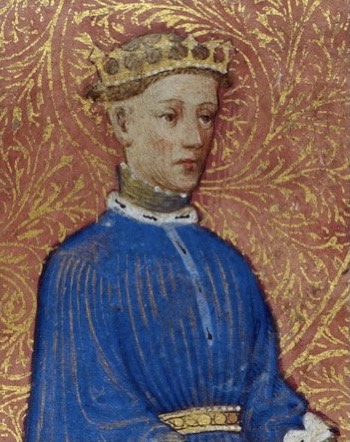
Henry V of England miniature
Unknown · 1411/1412
 Painting
Secondary source
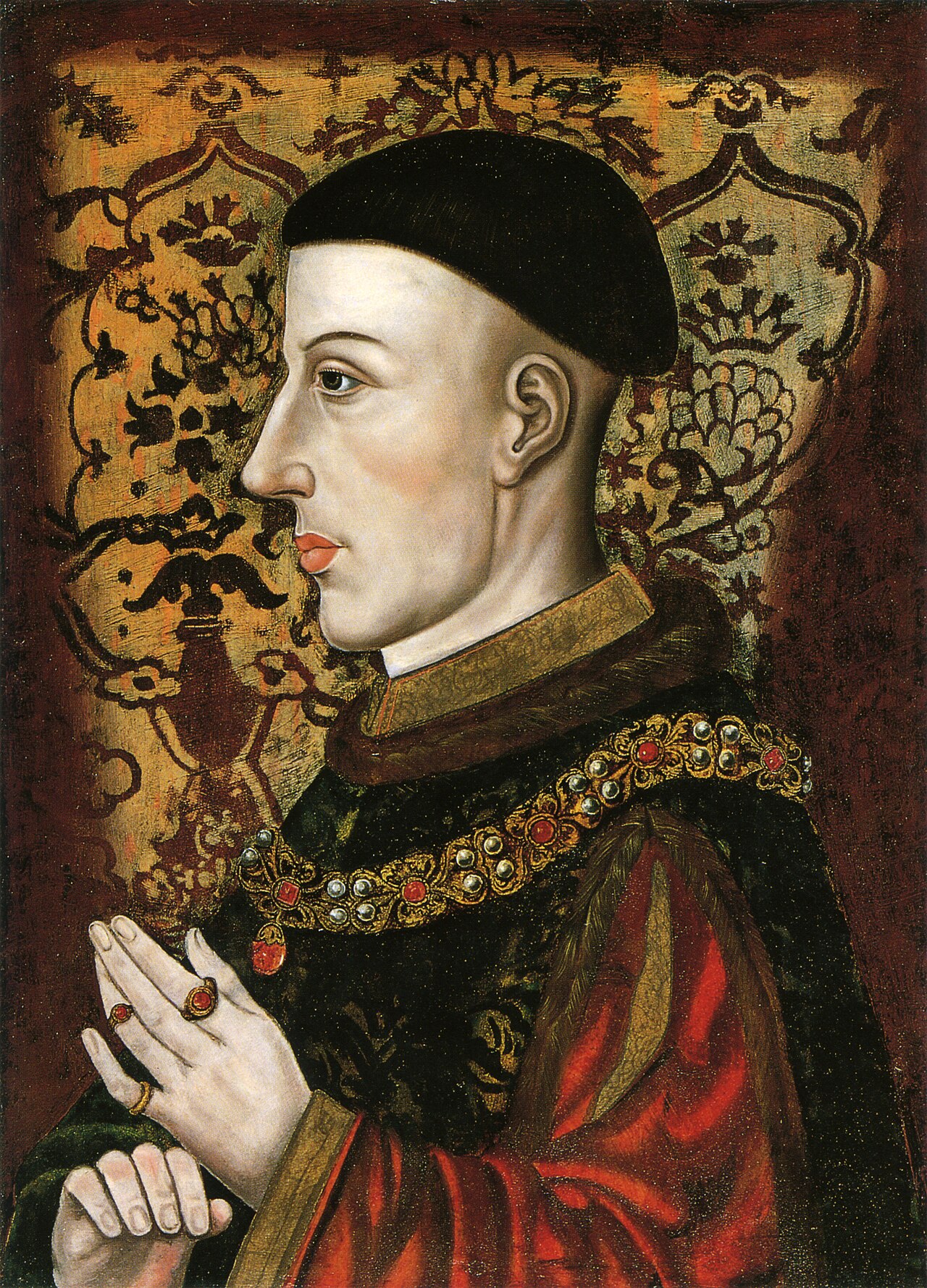
King Henry V
Unknown · late 16th or early 17th century
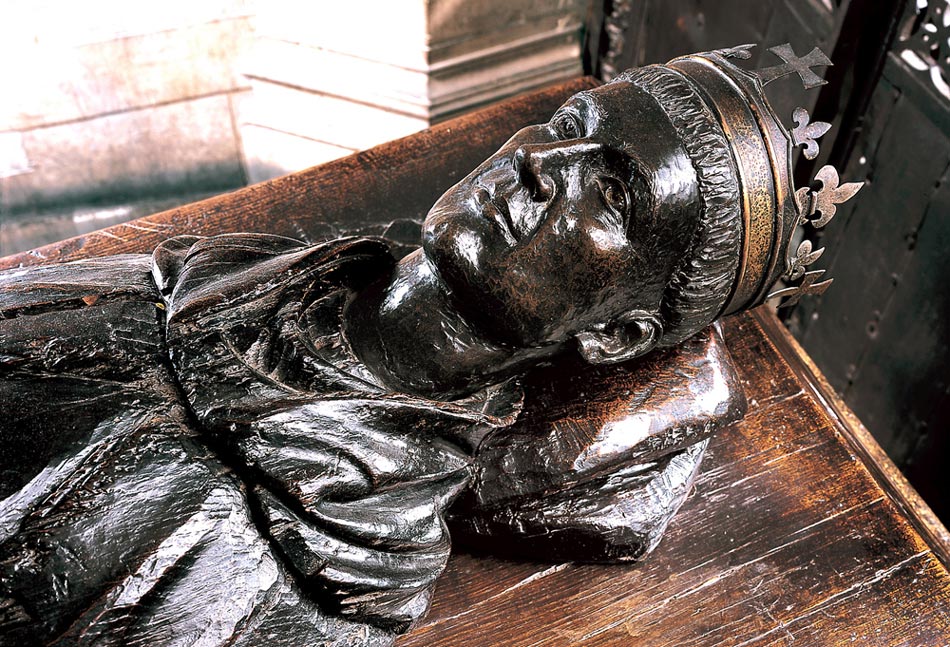 Sculpture
Secondary source
Tomb of Henry V of England
Free account
Browse every Henry V source
Sign up free →
Ready when you are
Start chatting with Henry V now.
20 messages free · No credit card · Available in 50+ languages.