


Secondary sourceArtifact1647
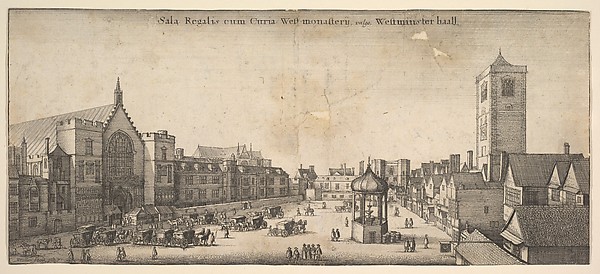
Westminster Hall, etching by Wenceslaus Hollar
Wenceslaus Hollar · 1647
A 1647 etching by Wenceslaus Hollar showing Westminster Hall, the great hall built by William II. It is a later view of the building, not a contemporary record of the king.
This etching shows Westminster Hall, the building William II constructed, as a later artist pictured it.
About this source
What it is
This is an etching by Wenceslaus Hollar, made in 1647. The Metropolitan Museum of Art holds this first or second of four states, bought with the Joseph Pulitzer Bequest in 1917. It shows Westminster Hall, with its Gothic facade and tall buttresses on the left, a clock tower on the right, and carriages and figures filling the open square. The Latin inscription at the top reads 'Sala Regalis cum Curia West-monasterÿ', with the common name 'Westminster haal' below it.
Why it matters
Westminster Hall was built by William II, the son of William I, who ruled England from 1087 to 1100. The hall was a major royal building, and this print shows it as it looked to a seventeenth-century artist. Hollar made the view about 550 years after the building's creation, so it records the building's appearance in his own time, not the king's.
Look closer
- Which parts of the building and the square does the artist show most clearly, and why might he choose them?
- How does the Latin title shape the way a viewer understands the building?
- What does this view leave out about how the hall was used in the king's own time?
This artifact is part of the curated material that grounds the AI version of William II of England and Richard II of England on Humy.ai — when students ask about related events, the AI can quote it and cite it.
More William II of England sources
Browse all 71 →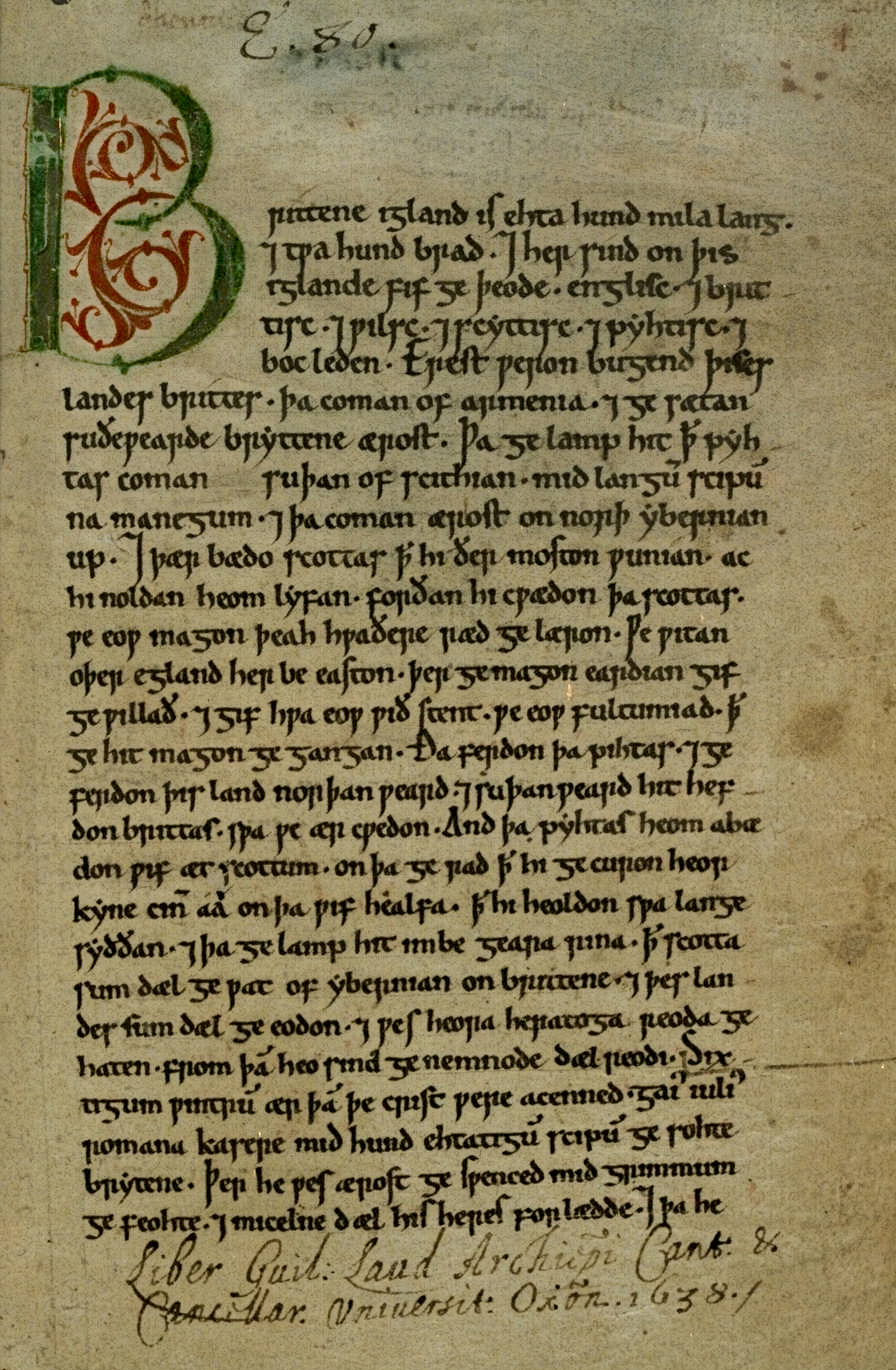 Book
Primary source
Peterborough Chronicle
c. 1130
 Artifact
Primary source
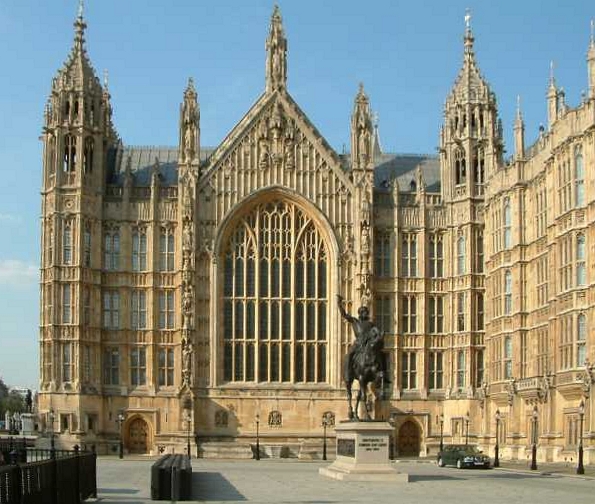
Westminster Hall
built 1097-1099, remodelled 1393
 Artifact
Primary source
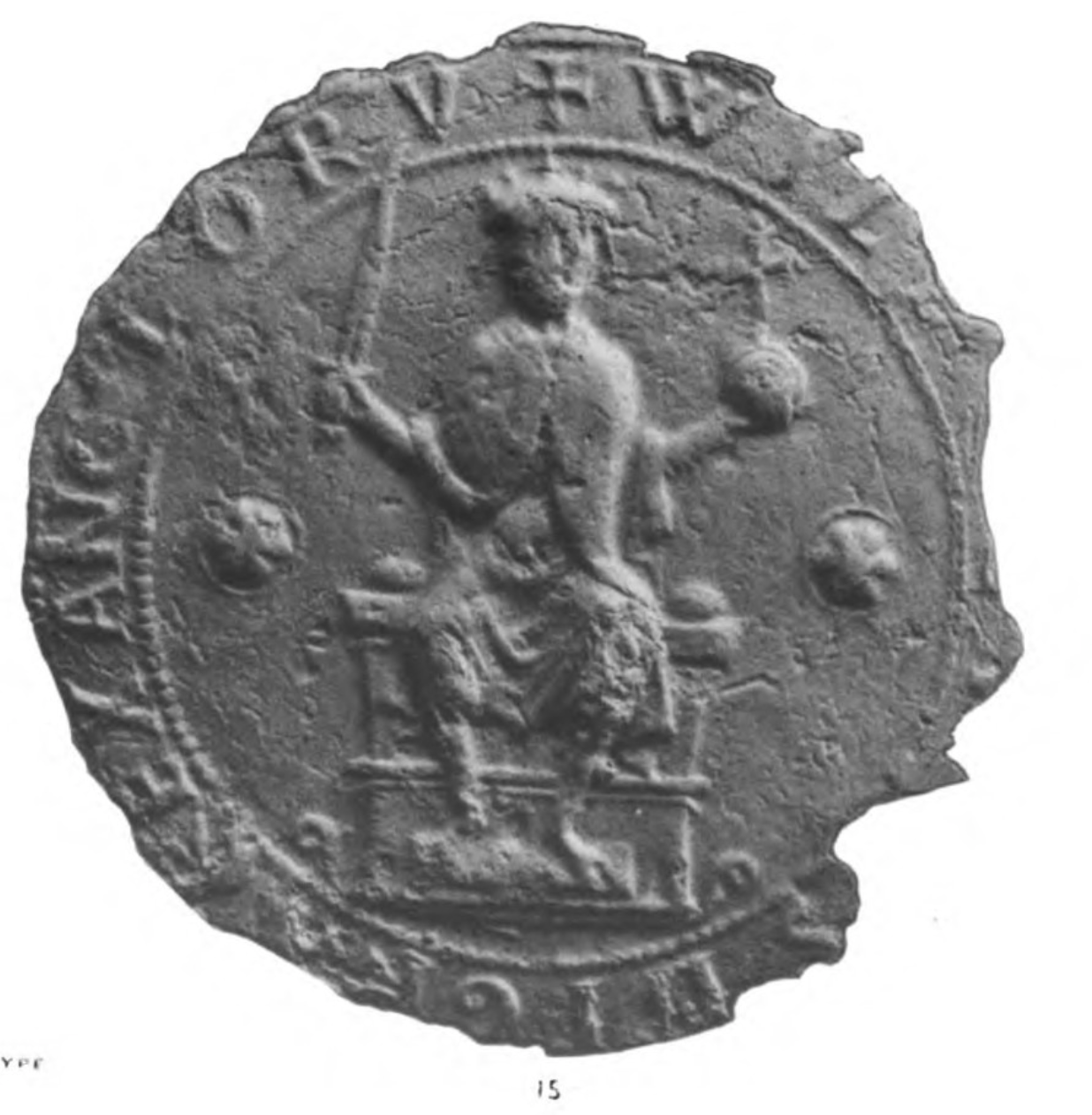
Great Seal of William II
Royal chancery of William II · c. 1087–1100
 Artifact
Primary source
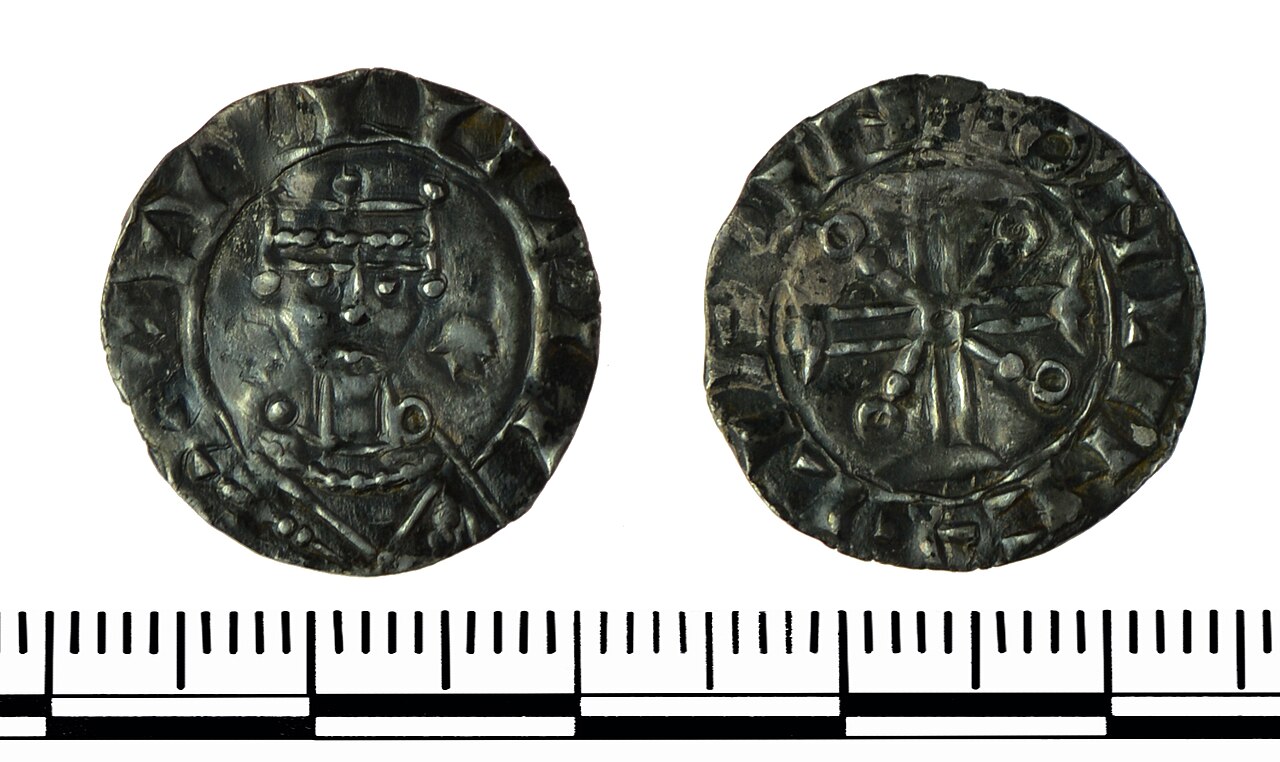
Silver pennies of William II
Royal moneyers under William II · 1087–1100
Free account
Read every William II of England source
Sign up free →
Ready when you are
Start chatting with William II of England now.
20 messages free · No credit card · Available in 50+ languages.