


Primary sourceSpeech5 July 1852
What to the Slave Is the Fourth of July?
Frederick Douglass · 5 July 1852
Douglass's 1852 Rochester speech attacking the hypocrisy of American celebrations of liberty while millions remained enslaved.
Douglass delivered this speech himself, making it a direct record of his oratory and ideas about slavery and liberty.
About this source
What it is
This speech was delivered by Frederick Douglass on July 5, 1852, at Corinthian Hall in Rochester, New York, at an event organized by the Rochester Ladies' Anti-Slavery Society.
Why it matters
Douglass used sharp irony to argue that the Fourth of July celebrations meant nothing to enslaved Americans, since the freedoms celebrated did not apply to them. He praised the Founding Fathers' principles but condemned the nation for betraying them through slavery. It is one of Douglass's most famous and widely studied speeches, showing his skill as an orator and his close reading of the Declaration of Independence, the Constitution, and the Bible.
Look closer
- Why does Douglass praise the Founding Fathers before criticizing the nation?
- What effect does his repeated use of the word 'your' (your liberty, your nation) have on the audience?
- Who was in the audience, and how might that have shaped his words?
This speech is part of the curated material that grounds the AI version of Frederick Douglass and Millard Fillmore on Humy.ai — when students ask about related events, the AI can quote it and cite it.
More Frederick Douglass sources
Meet the AI Frederick Douglass →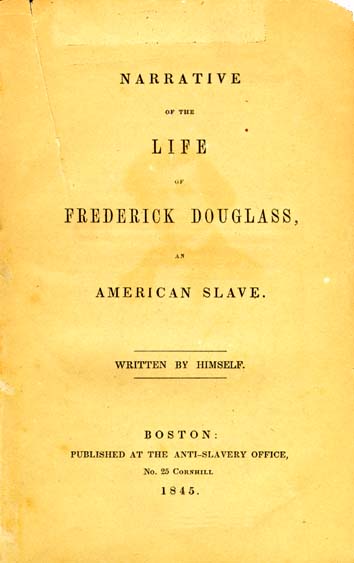 Book
Primary source
Narrative of the Life of Frederick Douglass, an American Slave
Frederick Douglass · 1845
 Document
Primary source
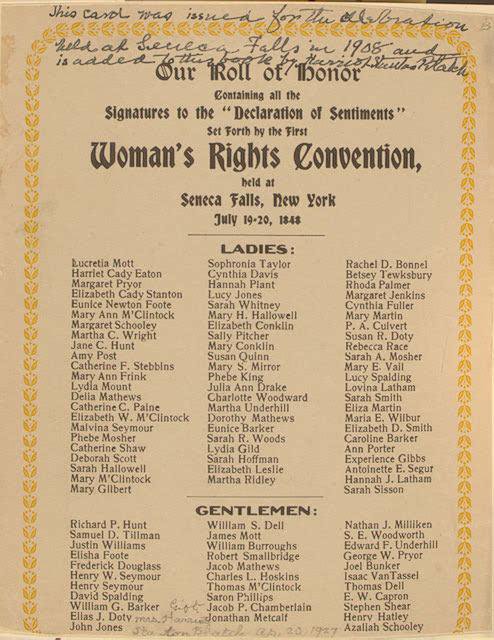
Declaration of Sentiments
Elizabeth Cady Stanton · 1848
 Newspaper article
Primary source
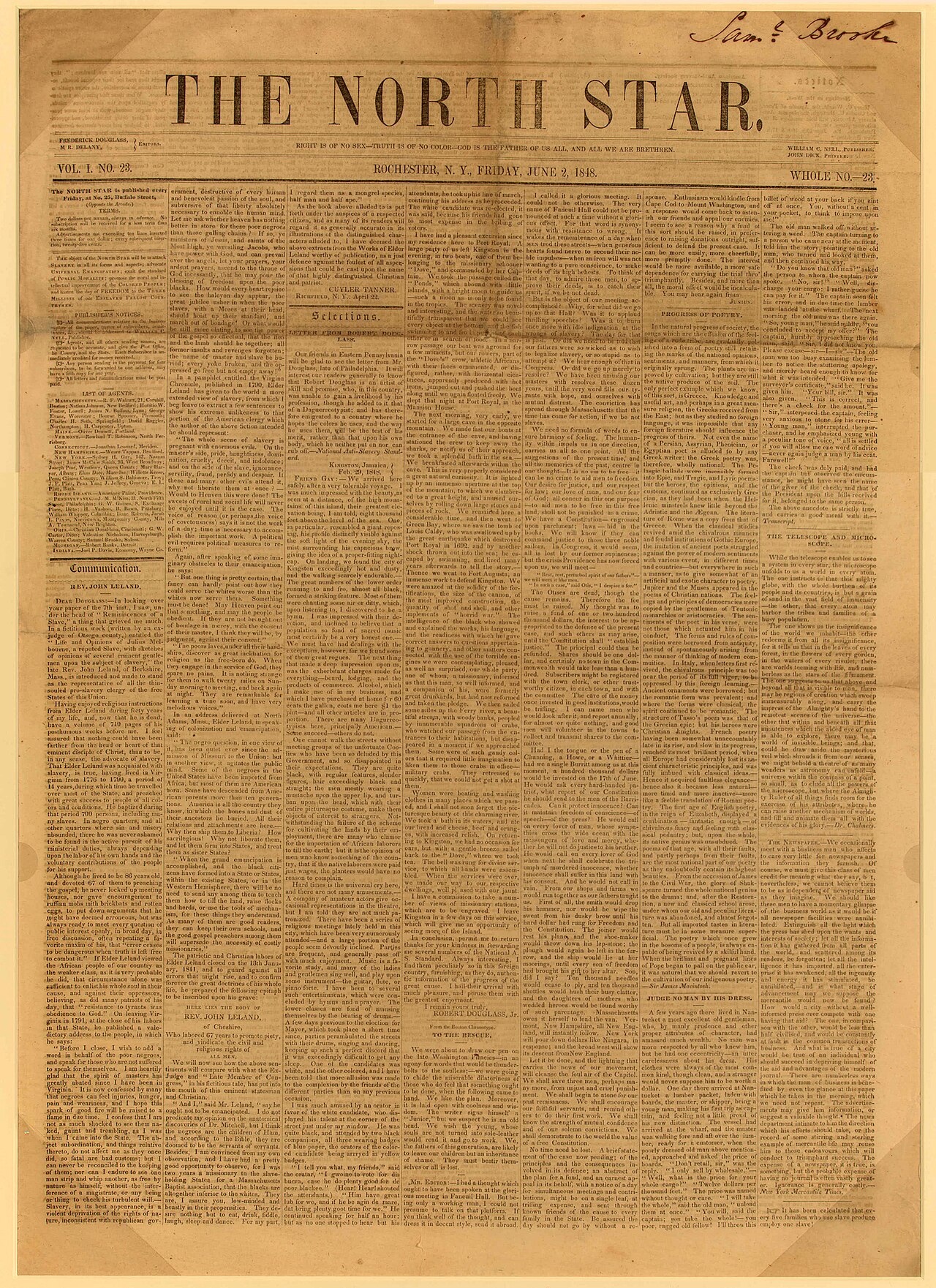
The North Star
Frederick Douglass · 1847
Primary source
My Bondage and My Freedom
Frederick Douglass · 1855
 Document
Primary source
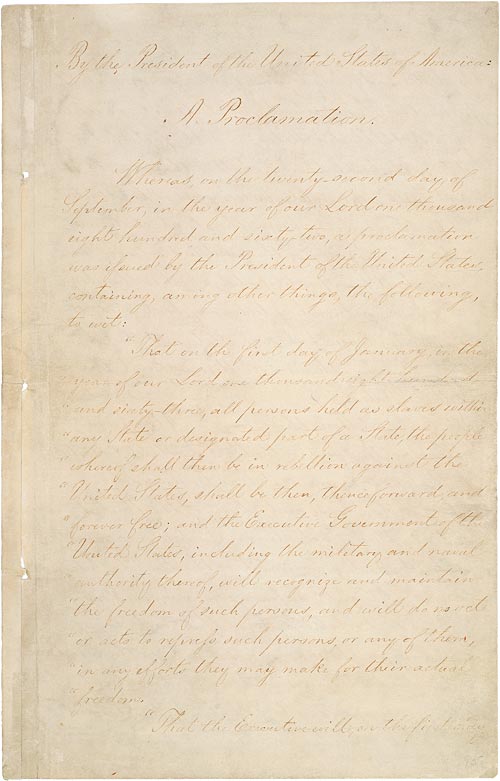
Emancipation Proclamation
Abraham Lincoln · 1 January 1863
Ready when you are
Start chatting with Frederick Douglass now.
20 messages free · No credit card · Available in 50+ languages.