


Primary sourceArtifactc. 1500
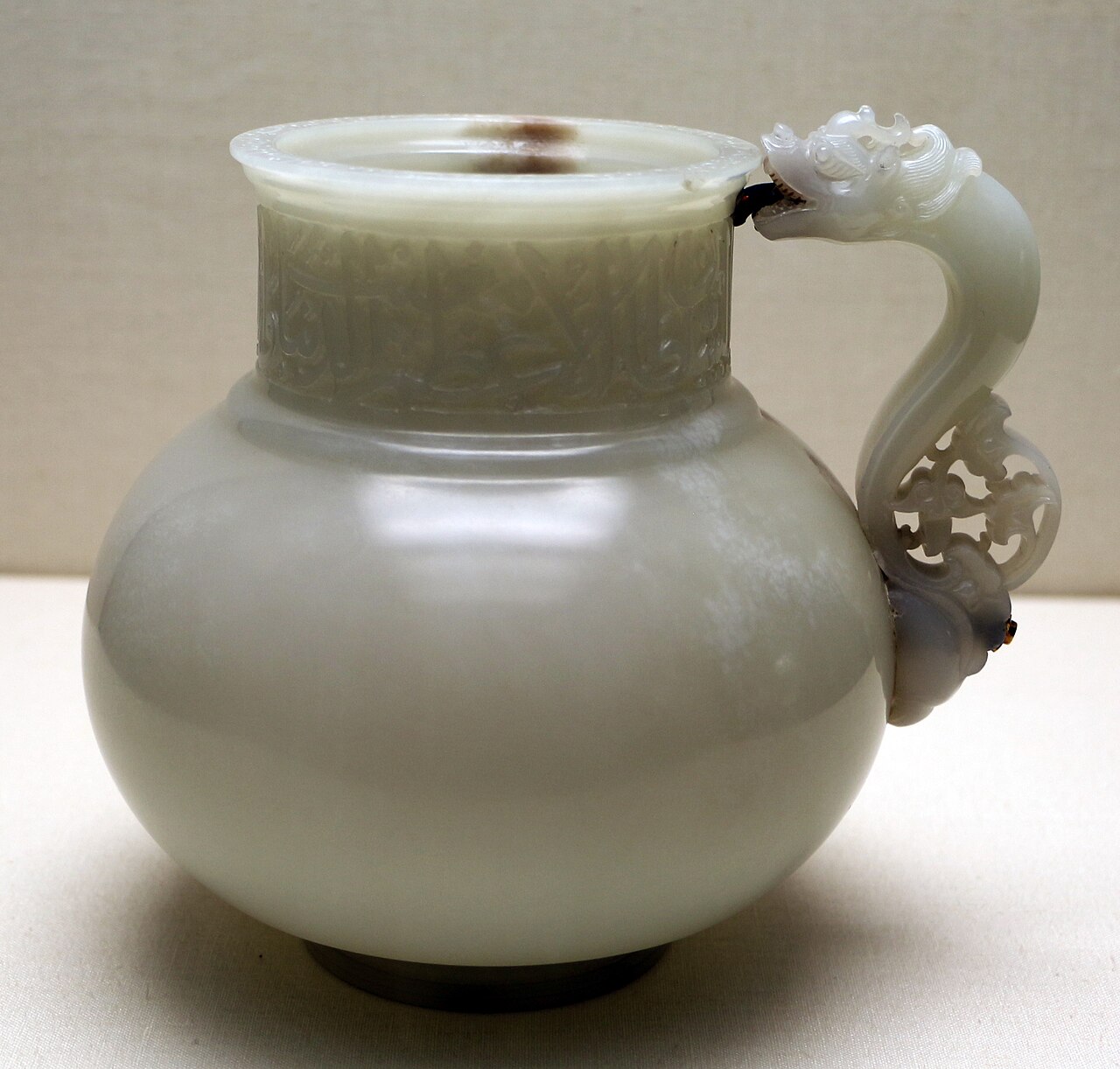
White Nephrite Jug
c. 1500
A white jade jug originally made for the Timurid ruler Ulugh Beg and later inscribed for Jahangir, linking him to his Timurid ancestors.
Jahangir later owned and inscribed this Timurid jug to emphasize his descent from Ulugh Beg's dynasty.
About this source
What it is
This is a white nephrite jug with a rounded body, a carved band of inscriptions and foliage, and a dragon-headed handle. It dates from around 1500 and is now in the Calouste Gulbenkian Museum.
Why it matters
The jug was originally made for Ulugh Beg, a Timurid ruler, and was later inscribed for Jahangir. Collecting and re-inscribing such heirloom objects was a way for Mughal emperors like Jahangir to stress their descent from the Timurid dynasty and claim its prestige and legitimacy.
Look closer
- Why would Jahangir want to own and inscribe an object originally made for a Timurid ruler?
- What does the dragon-headed handle and decoration suggest about the skill of the craftsmen who made it?
- How can an object's later inscriptions change its meaning over time?
This artifact is part of the curated material that grounds the AI version of Jahangir I on Humy.ai — when students ask about related events, the AI can quote it and cite it.
More Jahangir I sources
Browse all 98 →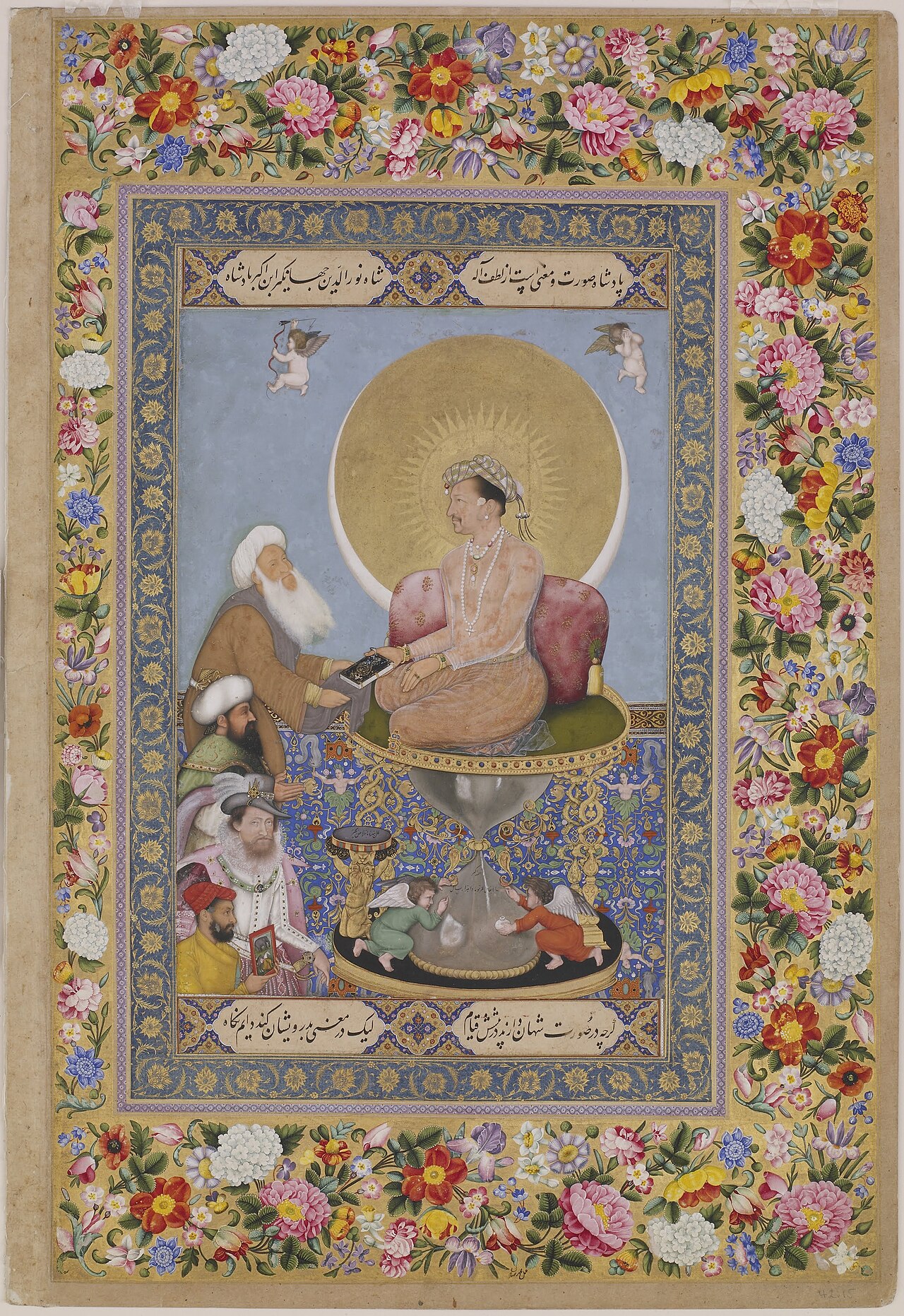 Painting
Primary source
Jahangir Preferring a Sufi Shaikh to Kings
Bichitr · c. 1615-1618
 Painting
Primary source
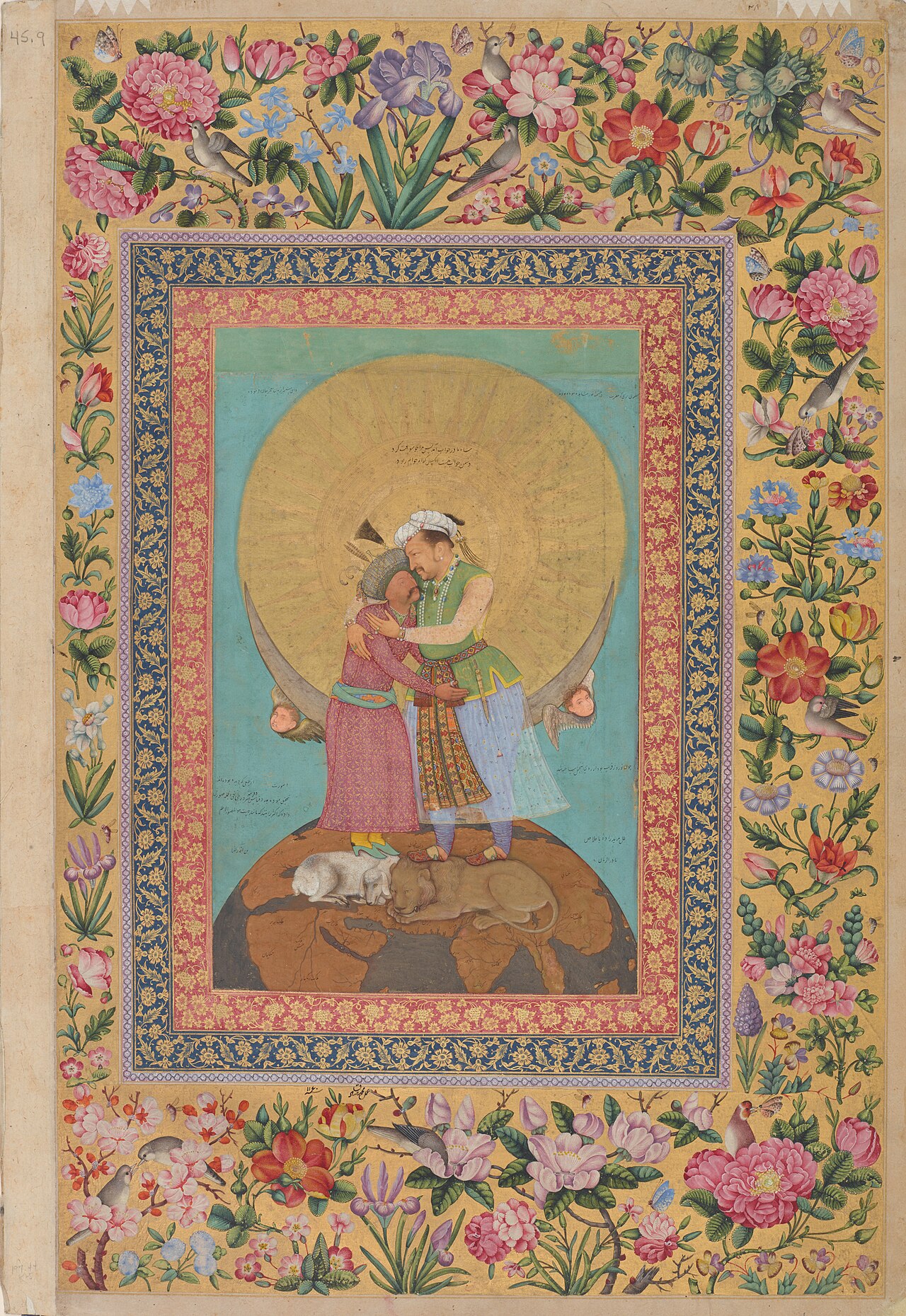
Jahangir Embracing Shah Abbas
Abu'l Hasan · c. 1618
 Painting
Primary source
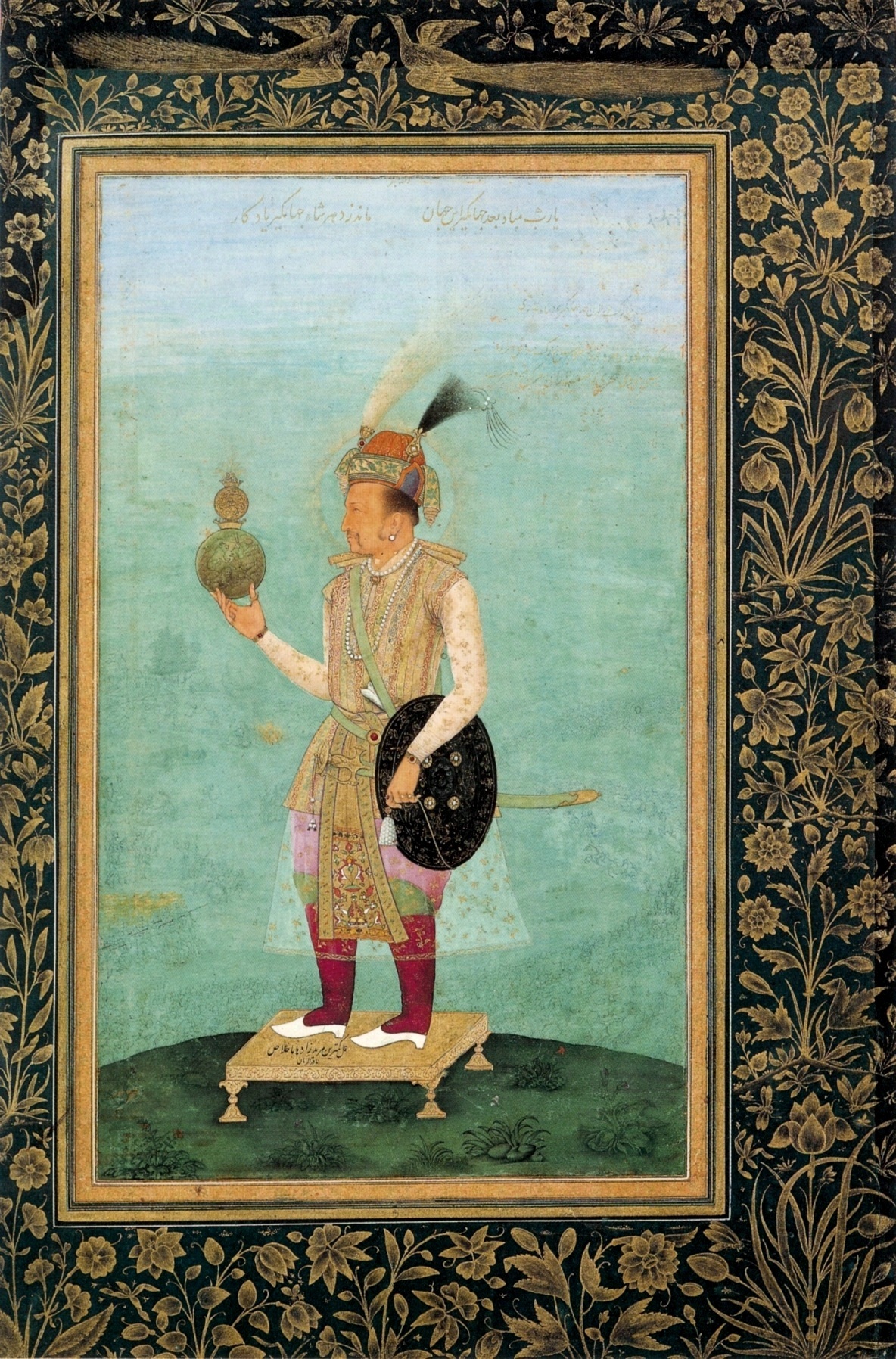
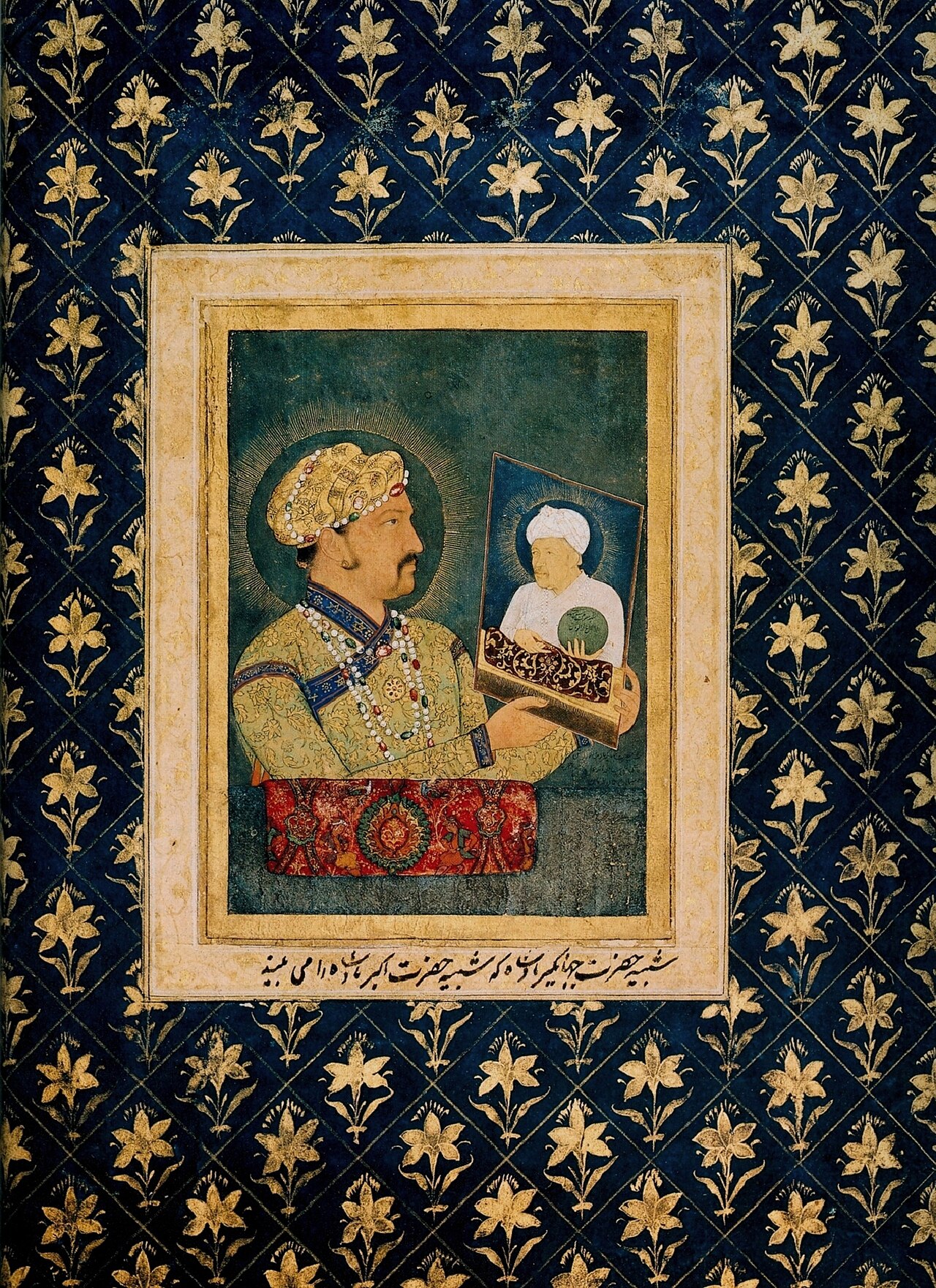
Jahangir Holding a Globe
Abu'l Hasan · c. 1620
 Painting
Primary source
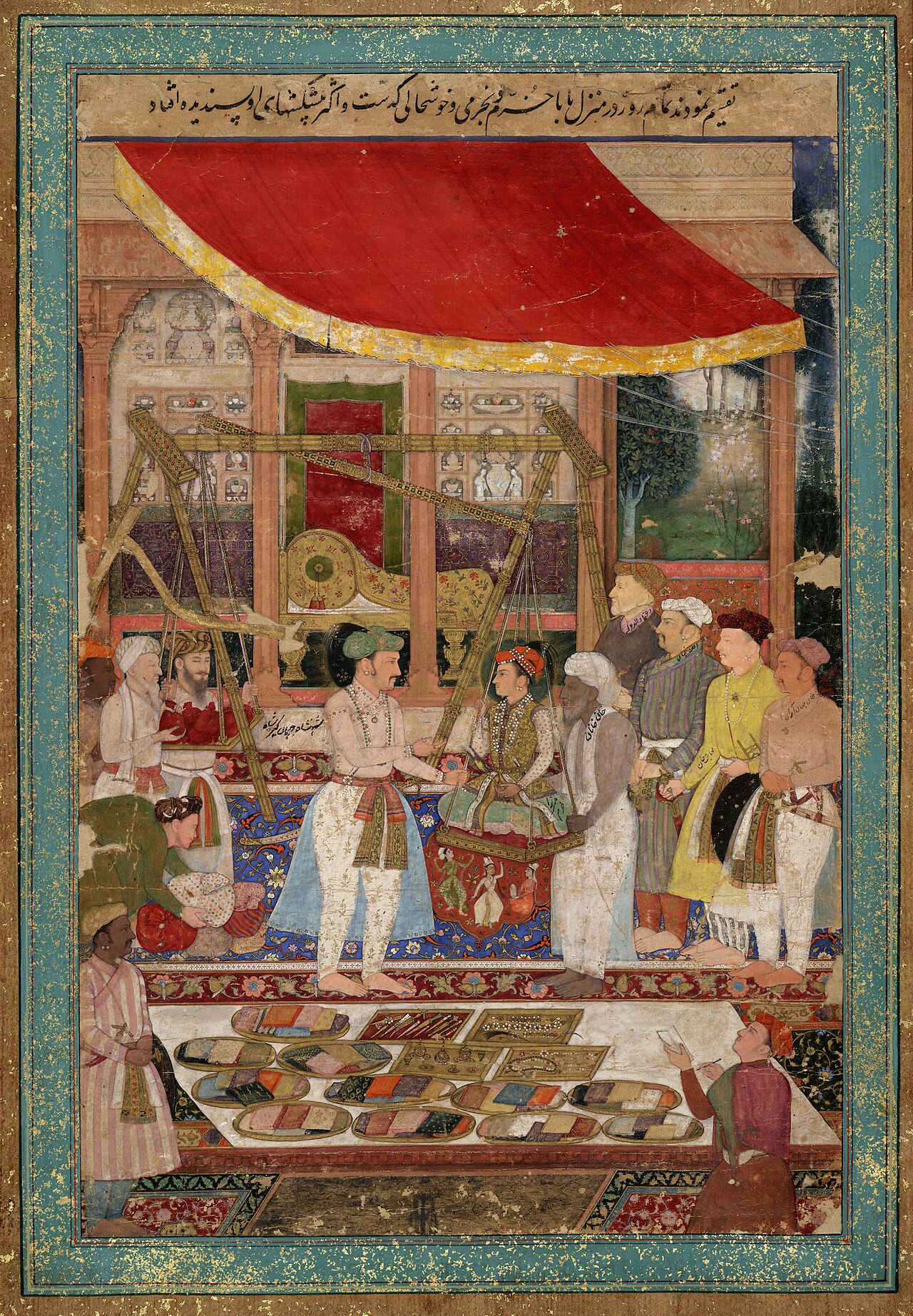
Jahangir Weighing Prince Khurram Against Gold and Silver
Manohar Das · c. 1610-1615
Free account
Read every Jahangir I source
Sign up free →
Ready when you are
Start chatting with Jahangir I now.
20 messages free · No credit card · Available in 50+ languages.