


Secondary sourcePainting19th century
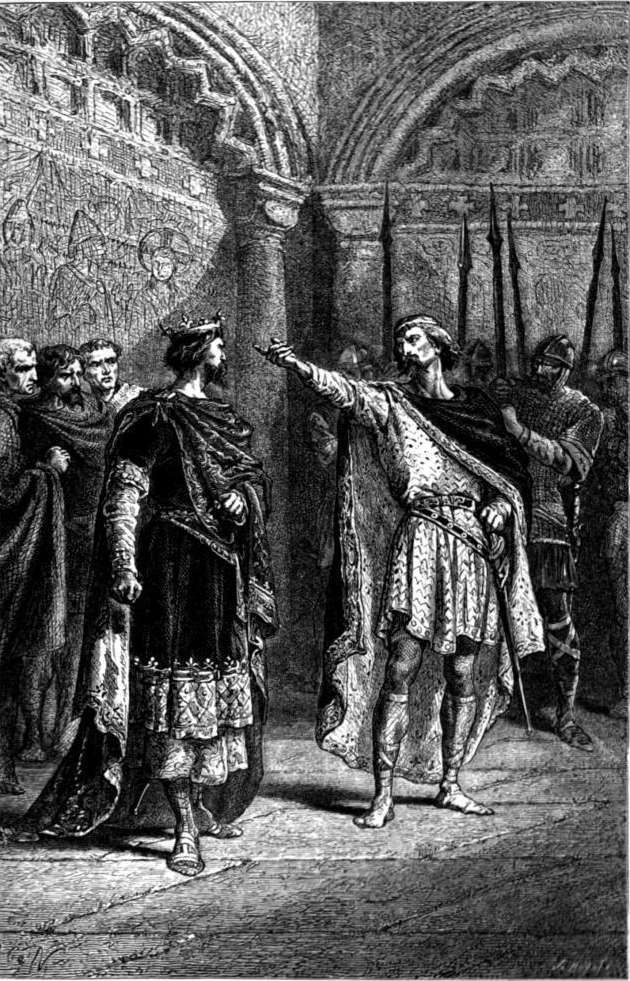
Who Made Thee King?
Alphonse de Neuville · 19th century
A 19th-century engraving by Alphonse de Neuville illustrating a chronicle anecdote about the limits of Hugh Capet's royal authority.
Depicts a famous chronicle story challenging Hugh Capet's authority as king, shaping his historical reputation.
About this source
What it is
This is a black-and-white engraving by the French illustrator Alphonse de Neuville, made in the 19th century. It shows a crowned man confronted by another figure who points at him, in a stone hall filled with onlookers and armed guards. The scene illustrates a famous chronicle anecdote in which someone challenges Hugh Capet's right to rule by asking 'Who made thee King?'
Why it matters
The image shows how 19th-century textbooks turned an old medieval story into a popular lesson about royal power. It reflects the idea, repeated for centuries, that Hugh Capet's authority as king was weaker than it looked, since he depended on the support of powerful nobles.
Look closer
- Who is pointing, and what does his gesture suggest about the balance of power in the room?
- Why might a 19th-century artist choose to illustrate this particular story about a medieval king?
- What does the crowd of guards and onlookers add to the meaning of the scene?
This painting is part of the curated material that grounds the AI version of Hugh Capet on Humy.ai — when students ask about related events, the AI can quote it and cite it.
More Hugh Capet sources
Browse all 43 →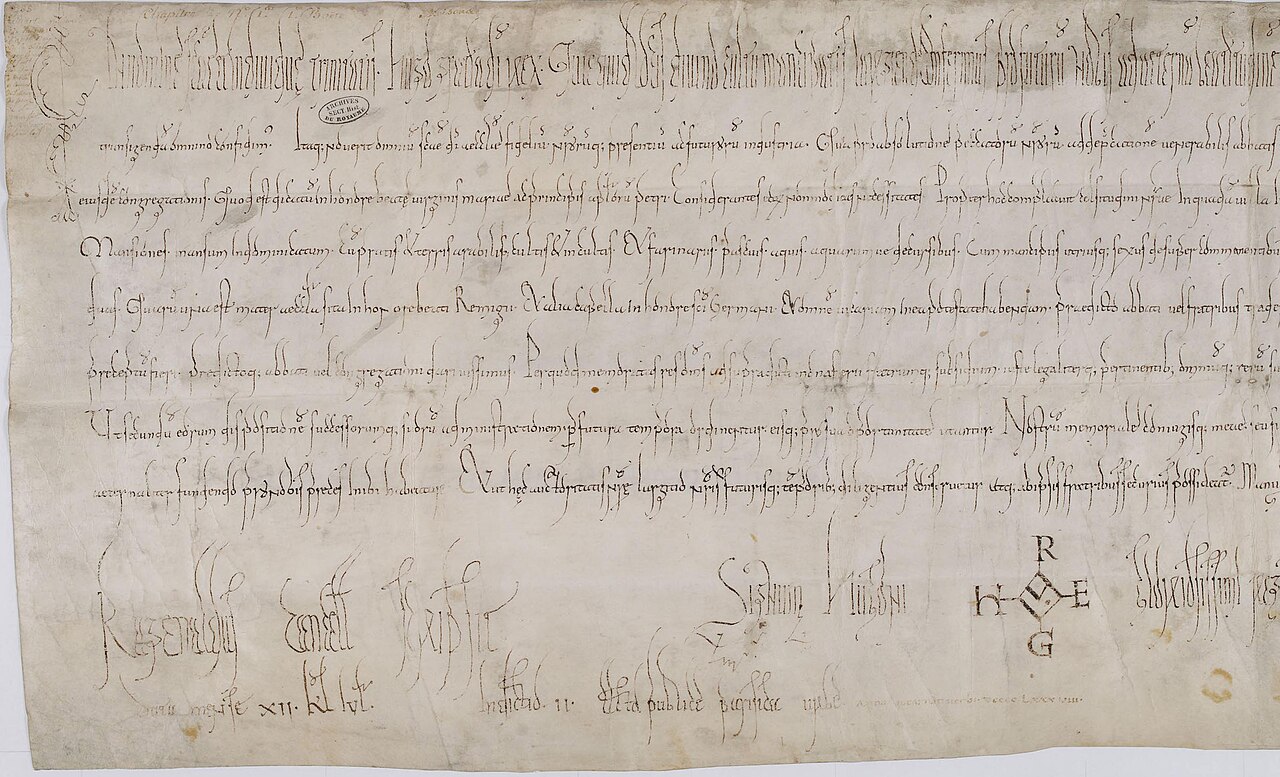 Document
Primary source
Donation by Hugh Capet to Saint-Maur-des-Fossés
Hugh Capet · 988
 Document
Primary source
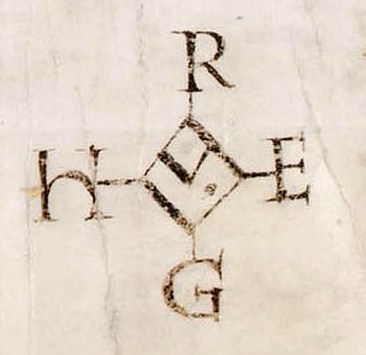
Signature Monogram of Hugh Capet
Hugh Capet · 988
 Artifact
Primary source
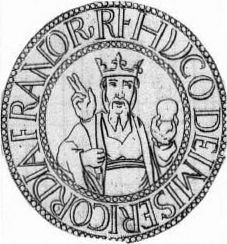
Seal of Hugh Capet
 Artifact
Primary source
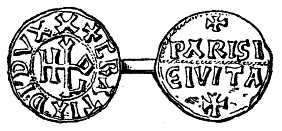
Silver Denier of Hugh Capet
Free account
Read every Hugh Capet source
Sign up free →
Ready when you are
Start chatting with Hugh Capet now.
20 messages free · No credit card · Available in 50+ languages.