


Primary sourceBook1892
Widowers' Houses
George Bernard Shaw · 1892
George Bernard Shaw's first staged play (1892), attacking slum landlordism and exposing how respectable wealth could be built on exploiting the poor.
Shaw's first staged play, directly expressing his Fabian socialist critique of slum landlordism.
Free Humy account · No credit card · 120,912 sources to read
About this source
What it is
Widowers' Houses was the first play by George Bernard Shaw to be staged, premiering in 1892 at the Royalty Theatre under the Independent Theatre Society, a club formed to avoid official censorship. Shaw had begun it years earlier as a collaboration with William Archer before reworking it himself.
Why it matters
The play exposes how respectable fortunes, including those of a young doctor's own income, could be tied to slum landlordism and the exploitation of the poor. Shaw published it among his "Plays Unpleasant," works meant not to entertain but to raise awareness of social problems such as the exploitation of labourers by the wealthy. It reflects Shaw's Fabian socialist beliefs and his use of theatre as a tool for social criticism.
Look closer
- Why might Shaw have called this and similar plays "unpleasant"?
- How does the play link the comfort of the wealthy to the suffering of the poor?
- What title did Shaw take from the Bible, and why might he have chosen it?
This book is part of the curated material that grounds the AI version of George Bernard Shaw on Humy.ai — when students ask about related events, the AI can quote it and cite it.
More George Bernard Shaw sources
Browse all 94 →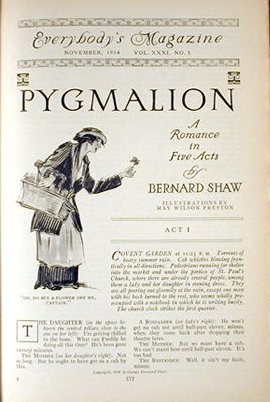 Book
Primary source
Pygmalion
George Bernard Shaw · 1912
 Book
Secondary source
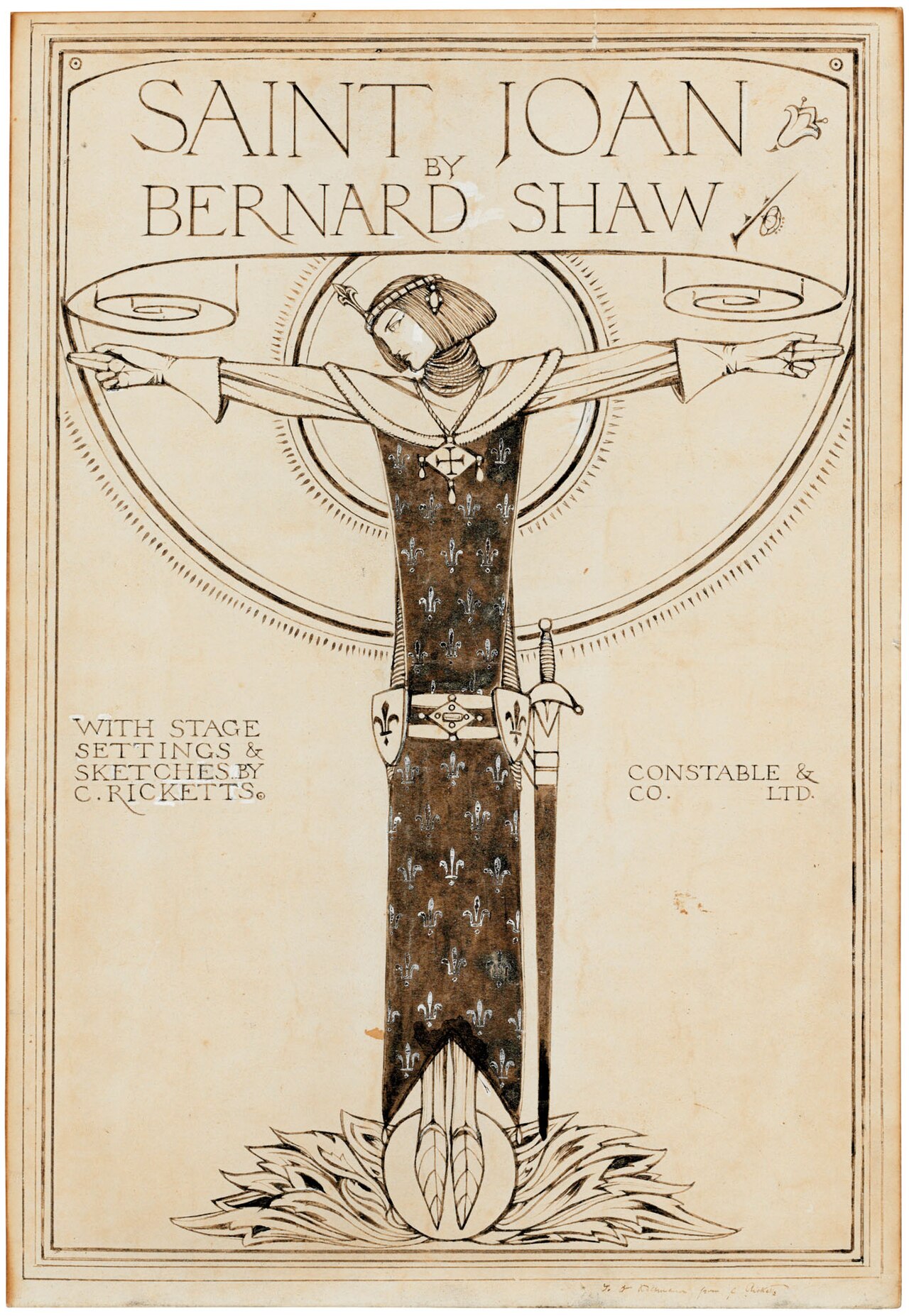
Saint Joan
George Bernard Shaw · 1923
Primary source
Man and Superman
George Bernard Shaw · 1903
Primary source
Major Barbara
George Bernard Shaw · 1905

Free account
Read every George Bernard Shaw source
Sign up free →
Ready when you are
Start chatting with George Bernard Shaw now.
20 messages free · No credit card · Available in 50+ languages.