


Primary sourcePainting1830
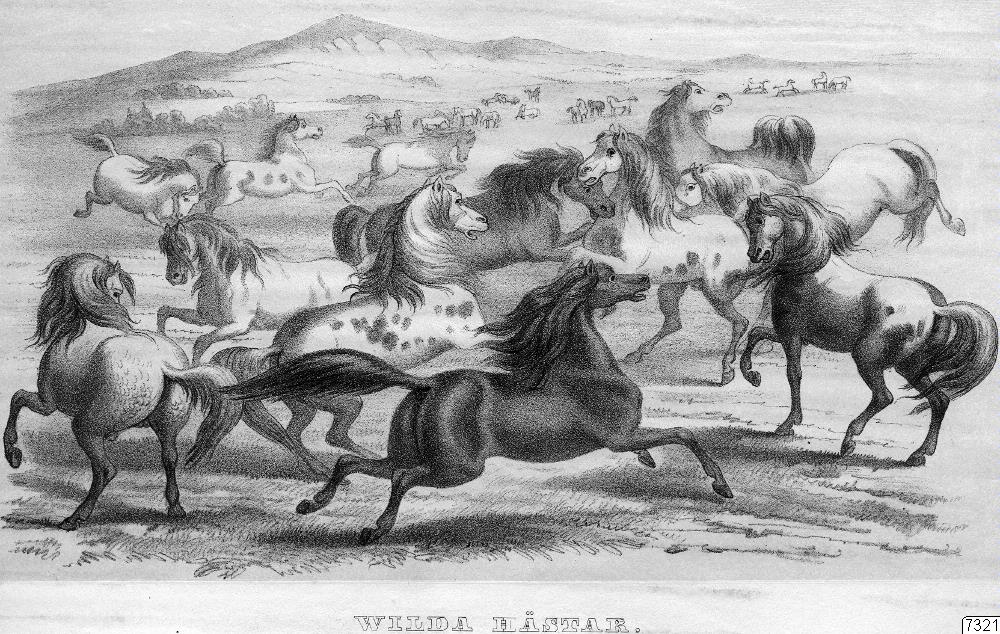
Wild Horses
George Catlin · 1830
A black and white lithograph by George Catlin from 1830 showing a herd of wild horses galloping across a plain. It is held by the Museum of World Culture in Sweden.
Shows horses on the plains, a landscape and animal subject Catlin recorded during his time among Plains peoples.
About this source
What it is
This is a black and white lithograph, a printed image, by George Catlin dated 1830. Titled Wilda Hastar, it shows a herd of wild horses galloping across a plain toward the viewer. Mountains and more distant horses appear on the horizon. Several horses have spotted or dappled coats, and one rears at the left. The Museum of World Culture in Sweden holds it under number 007321.
Why it matters
Horses changed life on the American plains after they were brought by Europeans, and many Plains peoples became skilled horse riders. Catlin included horses often in his images of the region. This print shows the animals as a striking landscape subject, which tells students how an outside painter saw the plains and its wildlife.
Look closer
- How does the artist create a sense of motion across the picture?
- What does this scene show about the plains landscape, and what might it leave out?
- Why might a print like this have been popular with people far from the plains?
This painting is part of the curated material that grounds the AI version of George Catlin on Humy.ai — when students ask about related events, the AI can quote it and cite it.
More George Catlin sources
Meet the AI George Catlin →Secondary source
Letters and Notes on the Manners, Customs, and Condition of the North American Indians
George Catlin · 1841
 Painting
Primary source
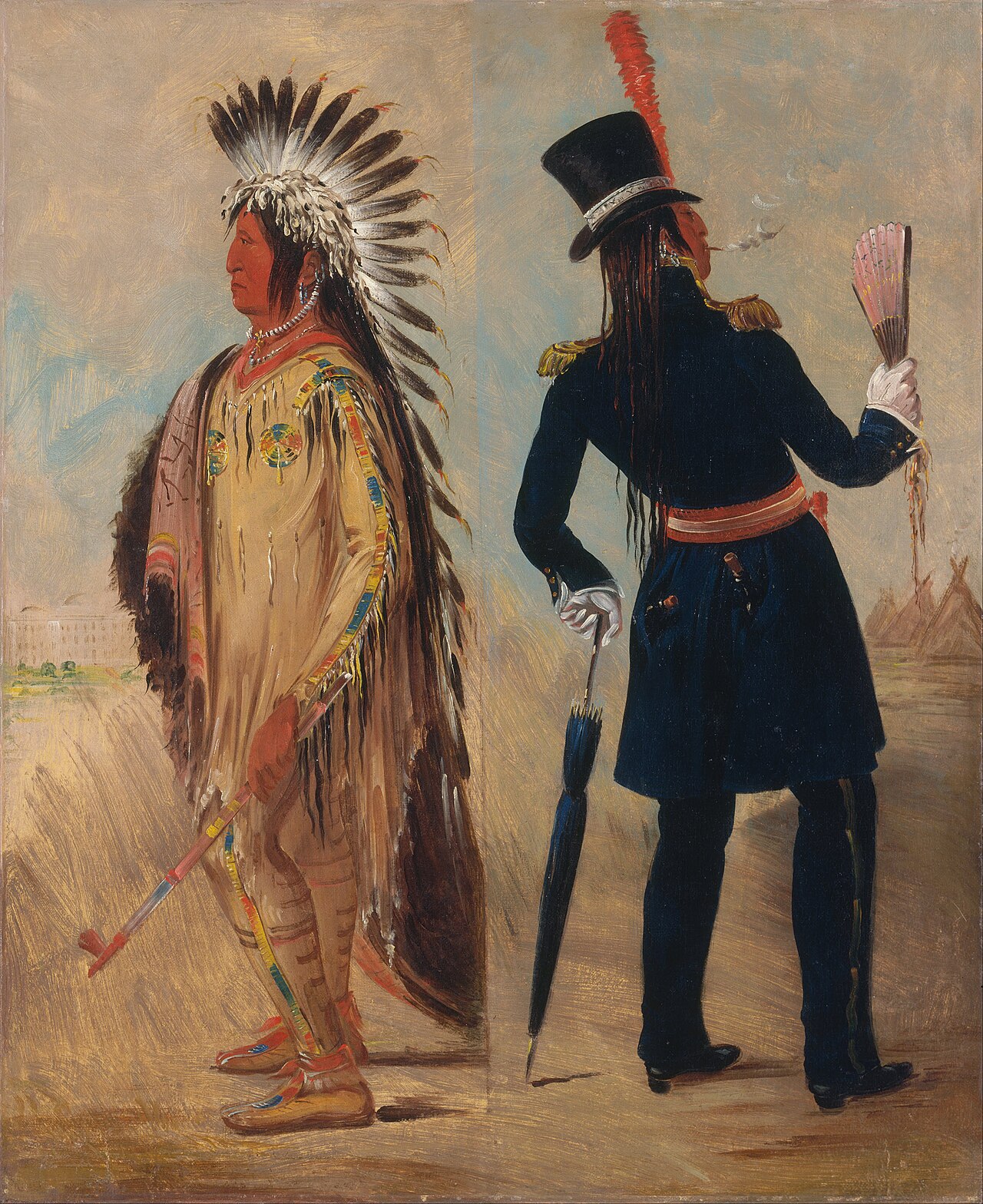
Wi-jún-jon, Pigeon's Egg Head, Going To and Returning From Washington
George Catlin · 1837
 Painting
Primary source
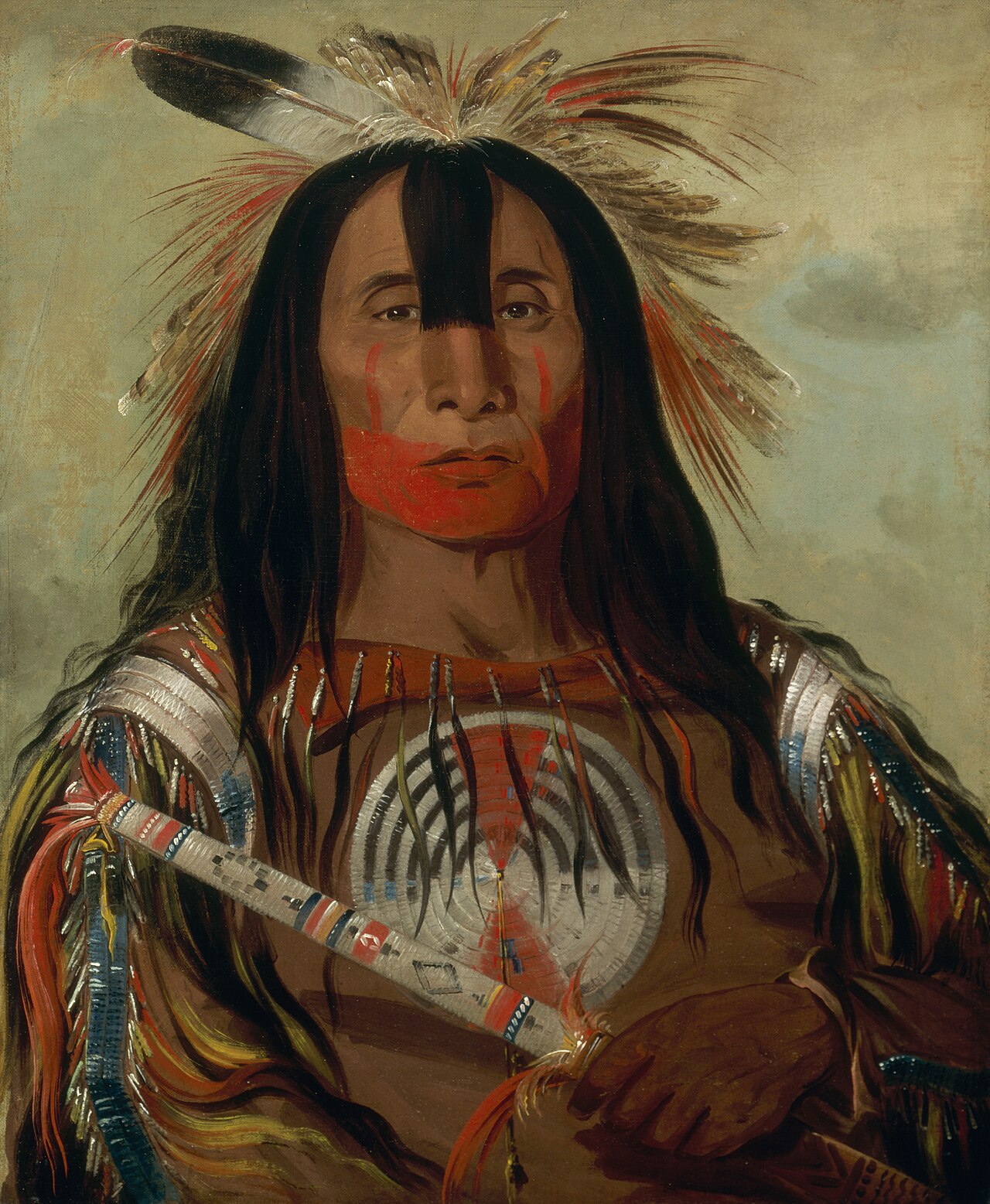
Stu-mick-o-súcks, Buffalo Bull's Back Fat, Head Chief, Blood Tribe
George Catlin · 1832
 Painting
Primary source
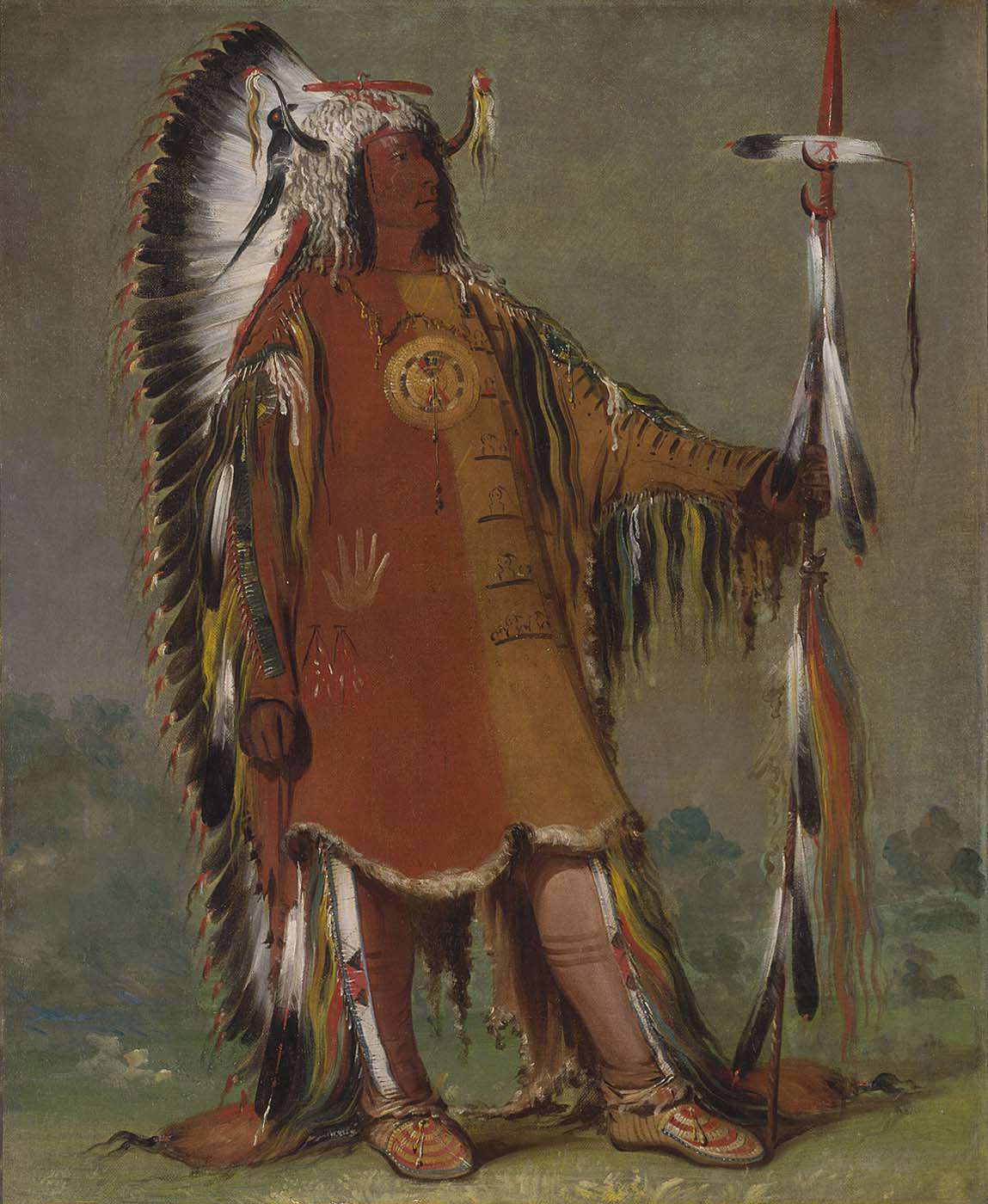
Máh-to-tóh-pa, Four Bears, Second Chief, in Full Dress
George Catlin · 1832
 Painting
Primary source
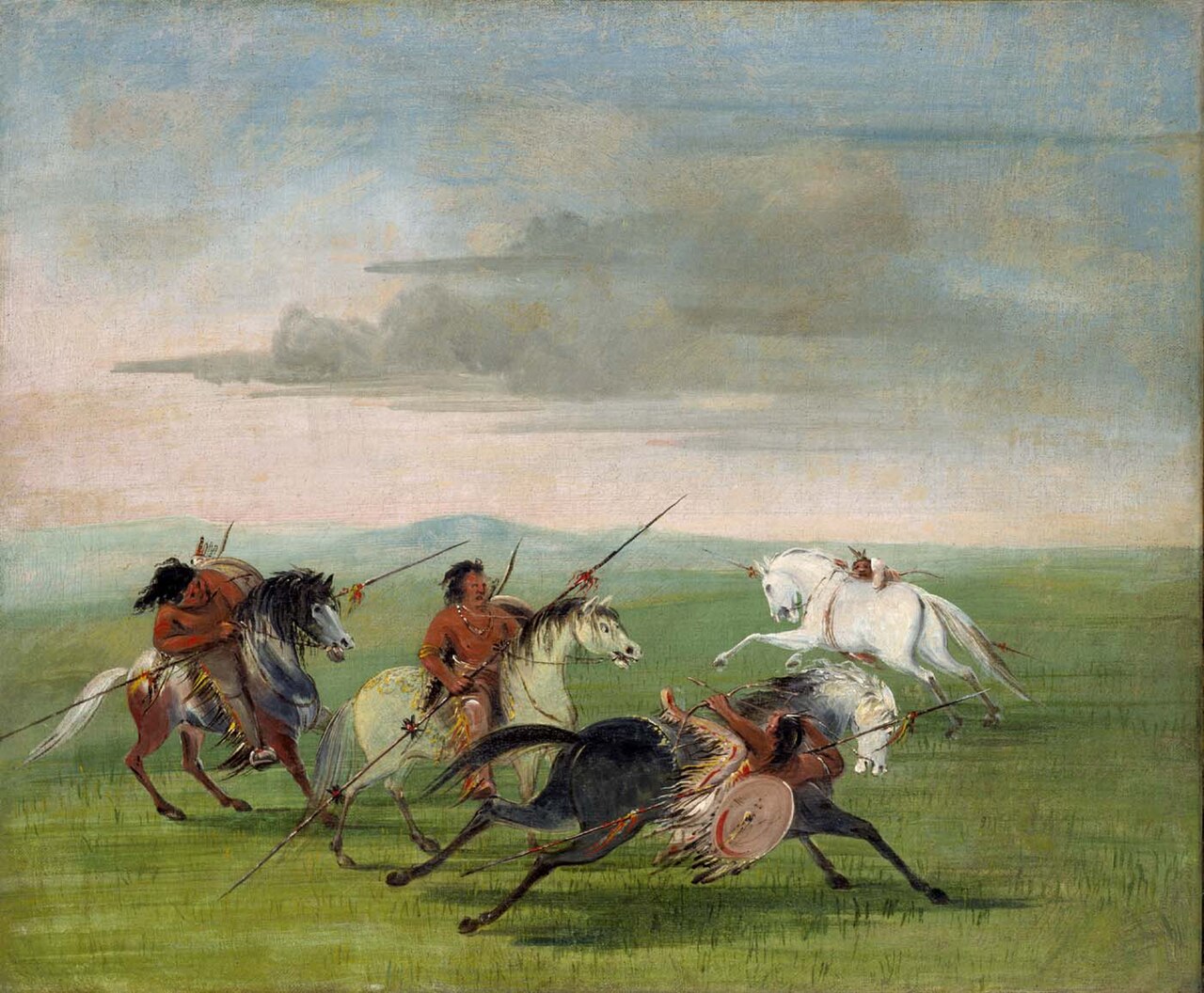
Comanche Feats of Horsemanship
George Catlin · 1834
Ready when you are
Start chatting with George Catlin now.
20 messages free · No credit card · Available in 50+ languages.