


Primary sourceDocument11 October 1785
Will of General Nathanael Greene
Nathanael Greene · 11 October 1785
Greene's own last will and testament, written in 1785, dividing his property among his wife, children, and brothers.
Greene's own will, written shortly before his death, records his final wishes for his family and property.
About this source
What it is
This is the text of the last will and testament of Nathanael Greene, written in Newport, Rhode Island, on 11 October 1785. In it Greene leaves his carriages, plate, and furniture to his wife, and divides the rest of his property between his wife and children, with provisions for his brothers if his family line failed.
Why it matters
A will is a direct record of a person's own wishes about family and property at the end of their life. Greene's will shows his care for his wife and children and names his five brothers, giving a glimpse into his family relationships shortly before his death in 1786.
Look closer
- What does the order in which Greene lists his bequests suggest about his priorities?
- Why might Greene include detailed instructions for what happens if his children died without heirs?
- What does a will reveal about a person that a letter or biography might not?
This document is part of the curated material that grounds the AI version of Nathanael Greene on Humy.ai — when students ask about related events, the AI can quote it and cite it.
More Nathanael Greene sources
Meet the AI Nathanael Greene →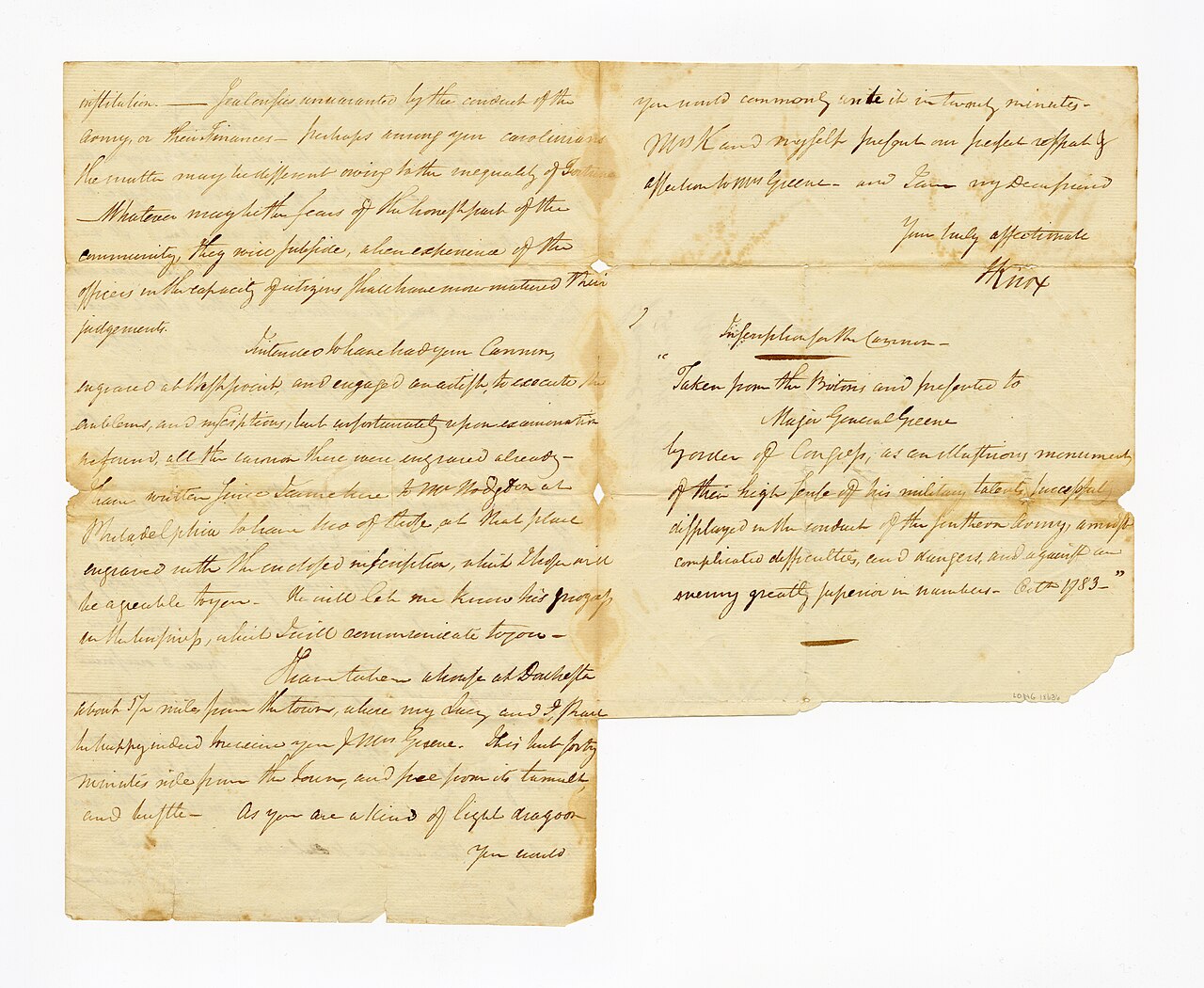 Letter
Primary source
Nathanael Greene Papers
Nathanael Greene · 1775–1786
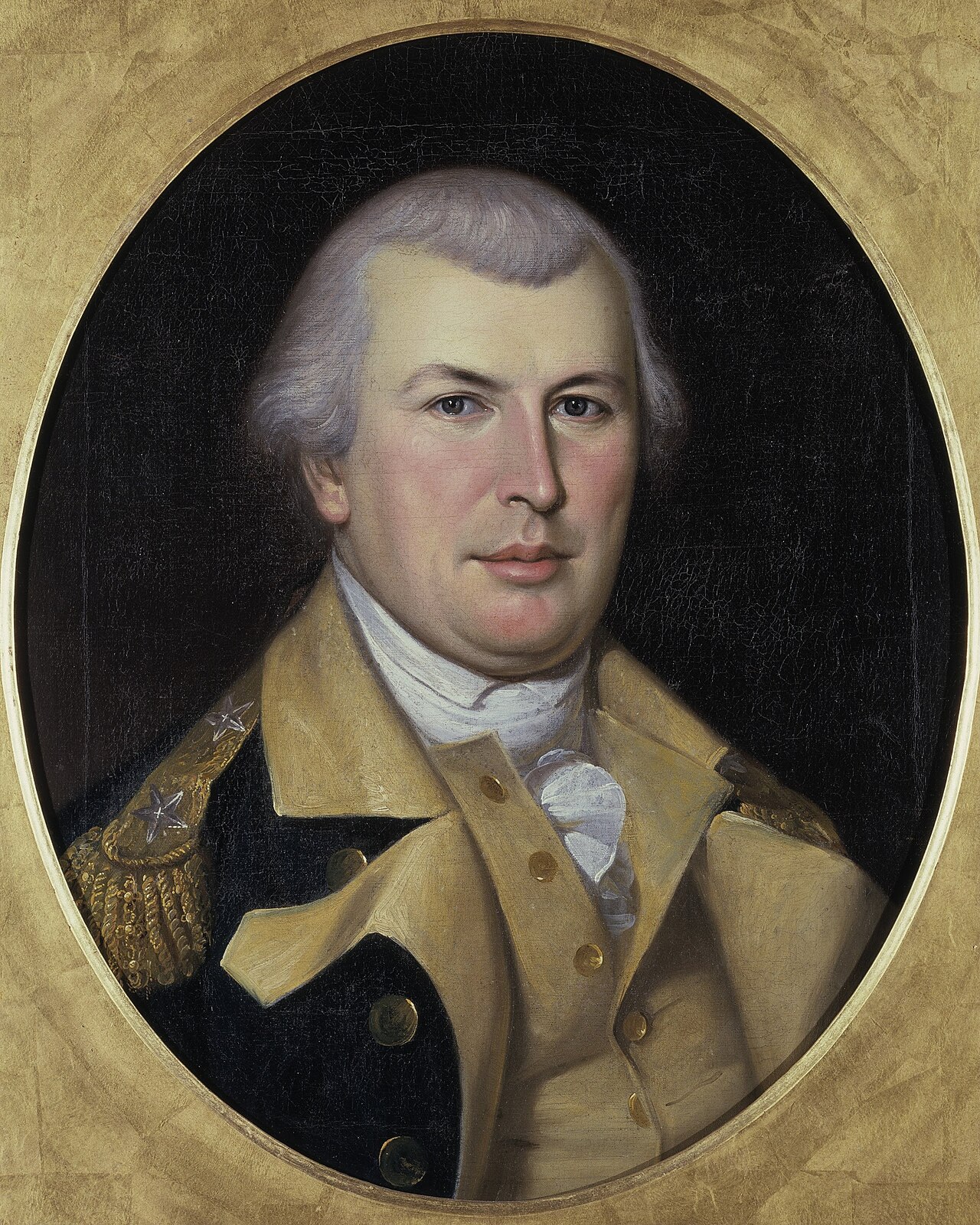 Painting
Primary source
Maj. Gen. Nathanael Greene
Charles Willson Peale · 1783
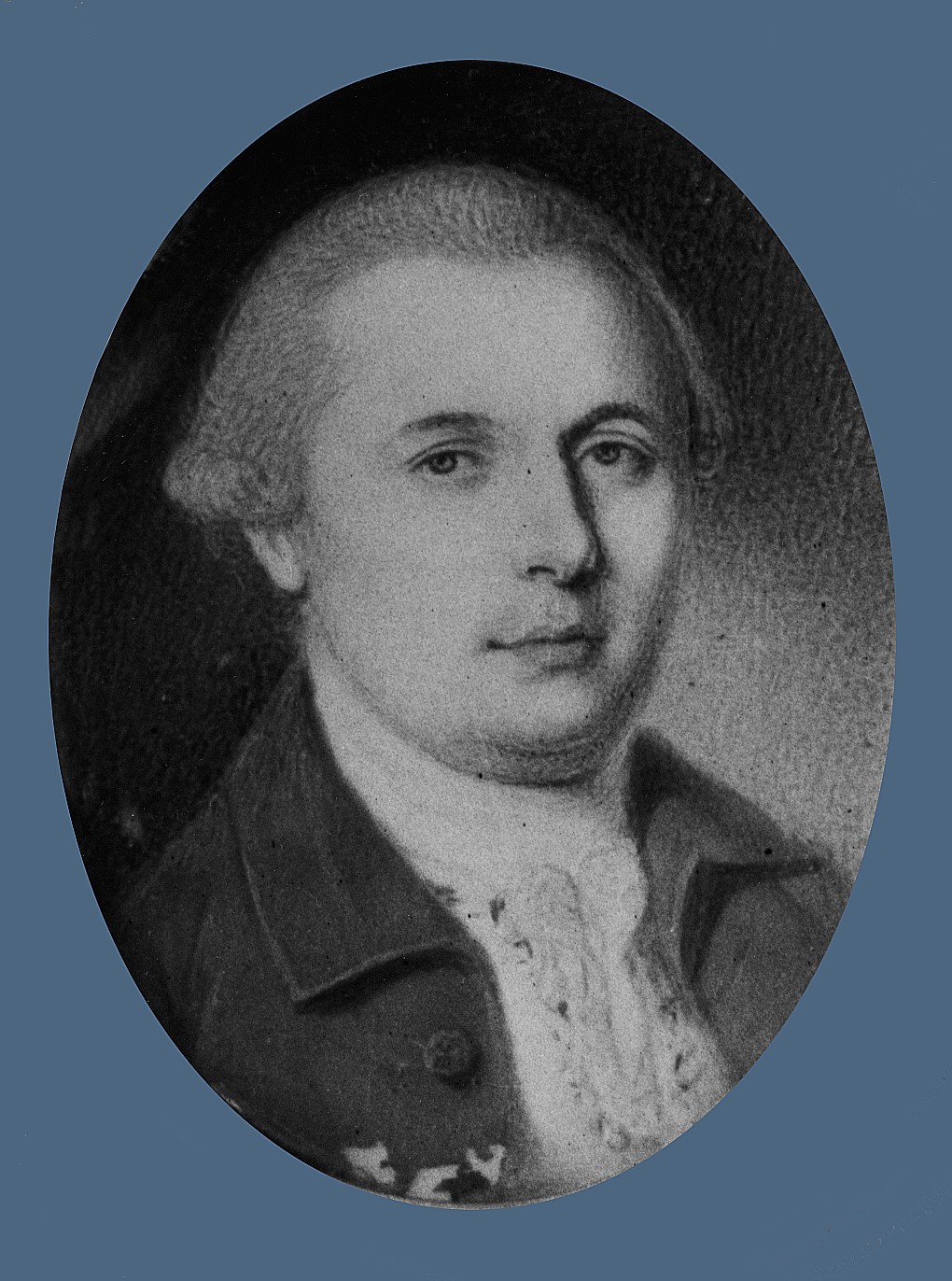 Painting
Primary source
Nathanael Greene
Charles Willson Peale · 1778
PaintingPrimary source
Portrait of Nathanael Greene
Charles Willson Peale
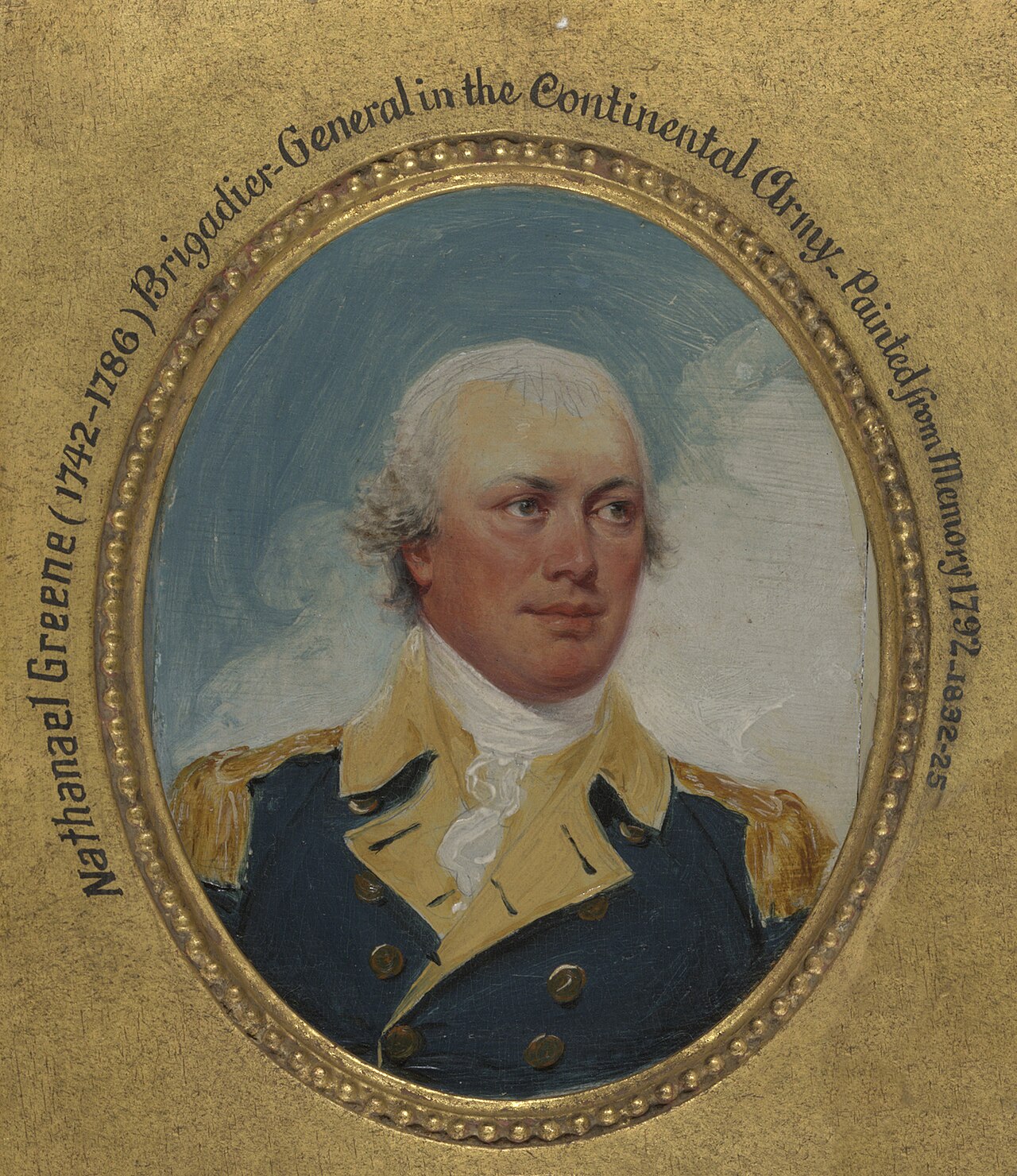 Painting
Secondary source
Nathanael Greene (1742-1786)
John Trumbull · 1792
Ready when you are
Start chatting with Nathanael Greene now.
20 messages free · No credit card · Available in 50+ languages.