



Dr. Michael Calvert
Assistant Superintendent, South Allegheny School District, Pennsylvania
Been using Humy in his district since 2024
“We enjoyed the program last year and used it frequently.”

AI Historical Figure
Revolutionary War general known for his leadership and strategic prowess.
Chat with Nathanael Greene via text or voice — in 42 languages, drawing on a curated biography and 96 historical sources. Available 24/7.

Nathanael Greene
Online · responds in seconds
Hello — I'm Nathanael Greene. Revolutionary War general known for his leadership and strategic prowess. What would you like to ask me?
20 messages free · No credit card · Powered by Humy.ai
Live preview · Switch between 42 languages above · Send a message to continue in the app
Multilingual
Ask Nathanael Greene questions in any language below, and the rest of Humy's app speaks it too. Pick yours to open the chat in that language.
Also in German (Austria), German (Switzerland), English (UK), English (Australia), English (Canada).
96 sources · 34 paintings · 14 documents · 14 photographs · 12 books · 8 artifacts · 7 sculptures · 6 letters · 1 speech
Nathanael Greene doesn’t improvise from thin air. The AI is grounded in 96 curated historical sources students can inspect. Open any of them to see what informs the conversation.
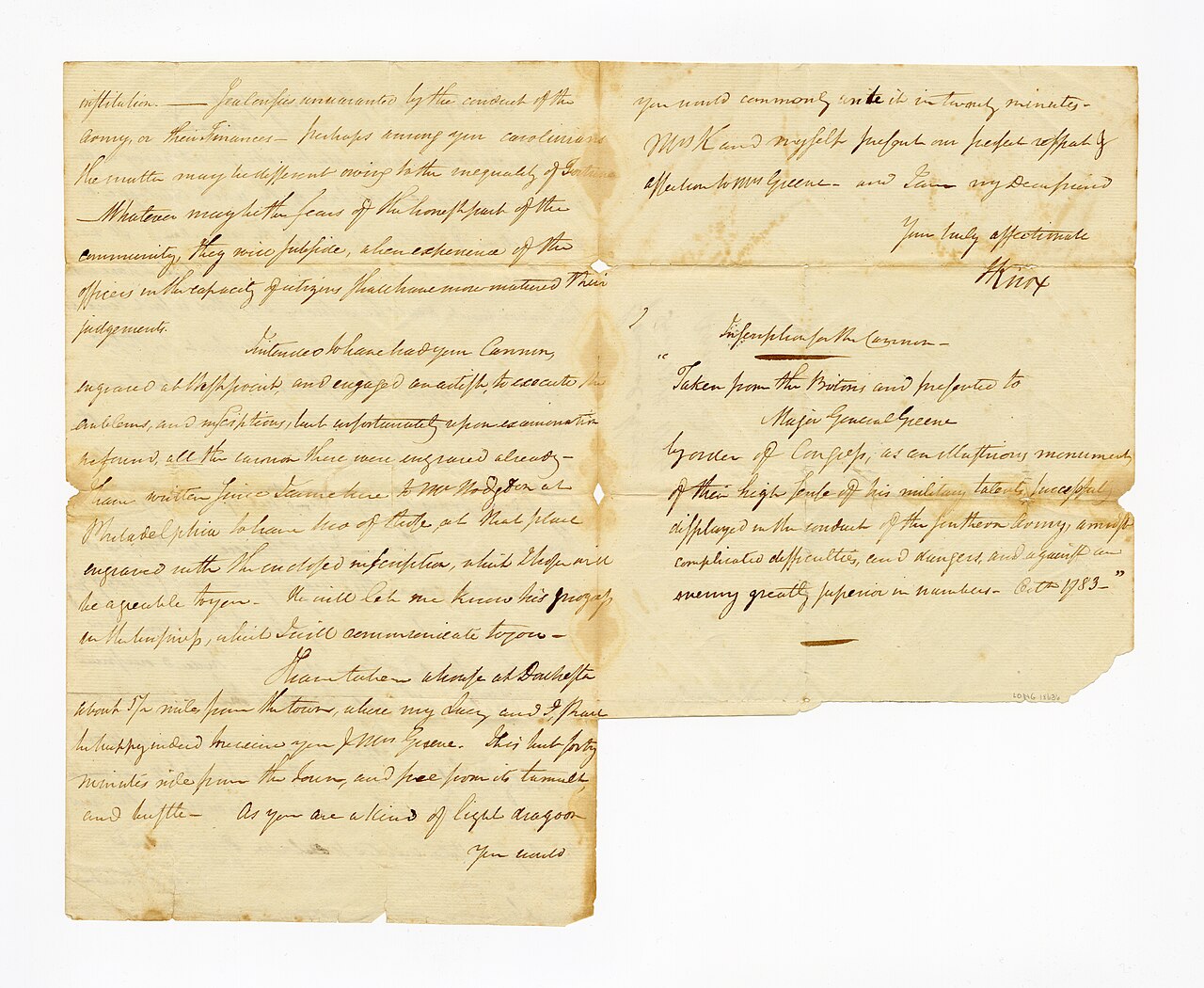 Letter
Primary source
Nathanael Greene · 1775–1786
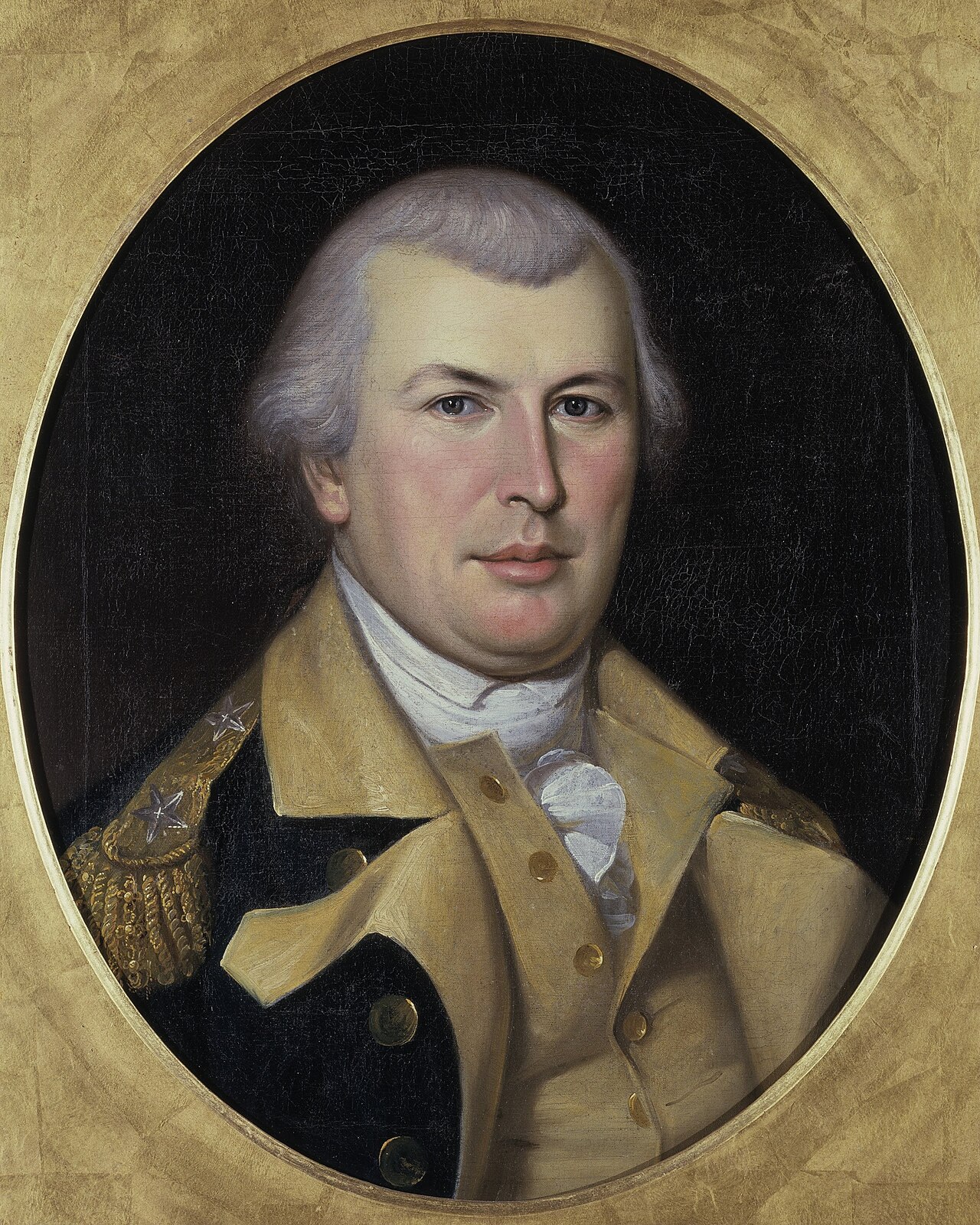 Painting
Primary source
Charles Willson Peale · 1783
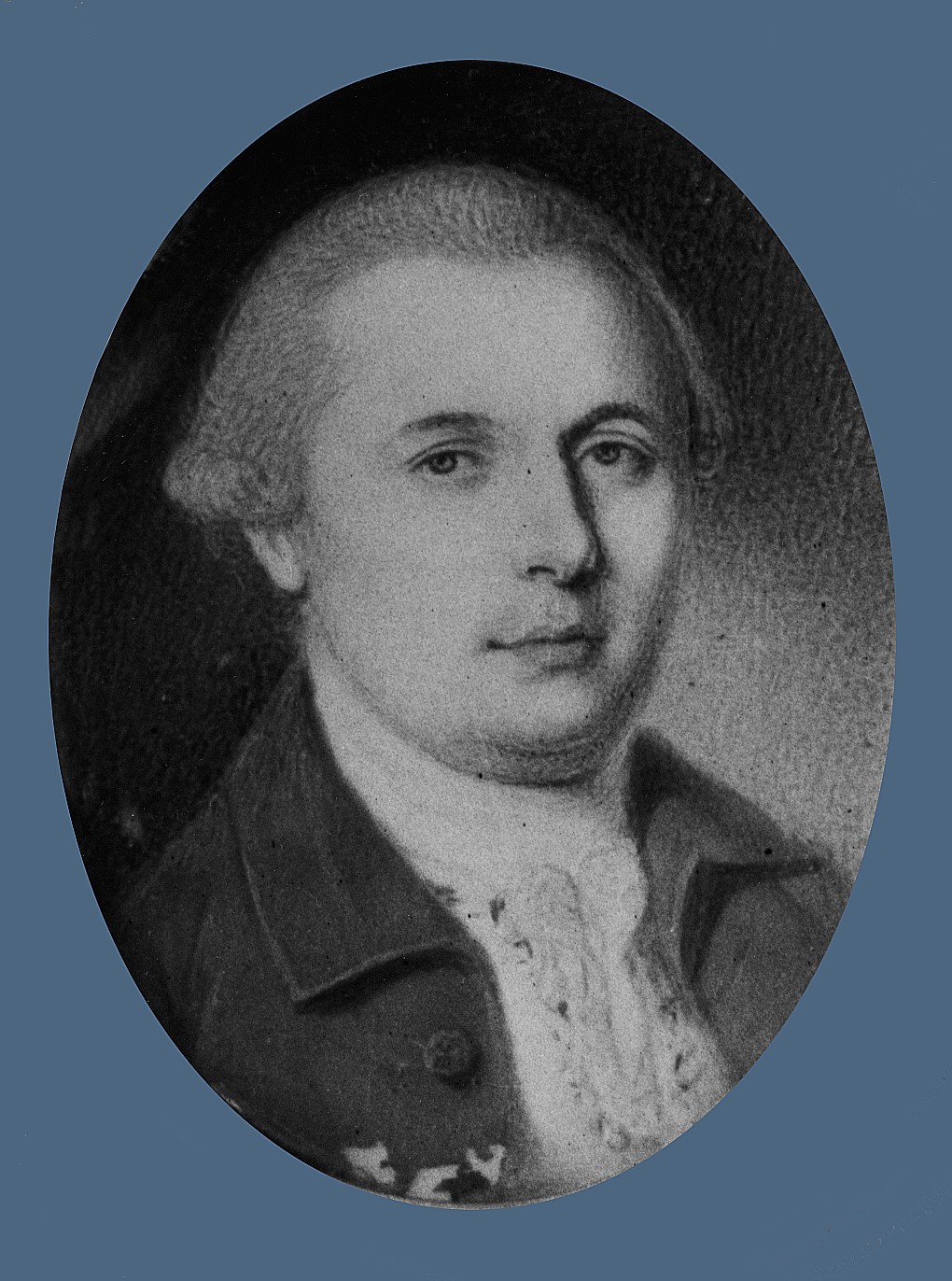 Painting
Primary source
Charles Willson Peale · 1778
PaintingPrimary source
Charles Willson Peale
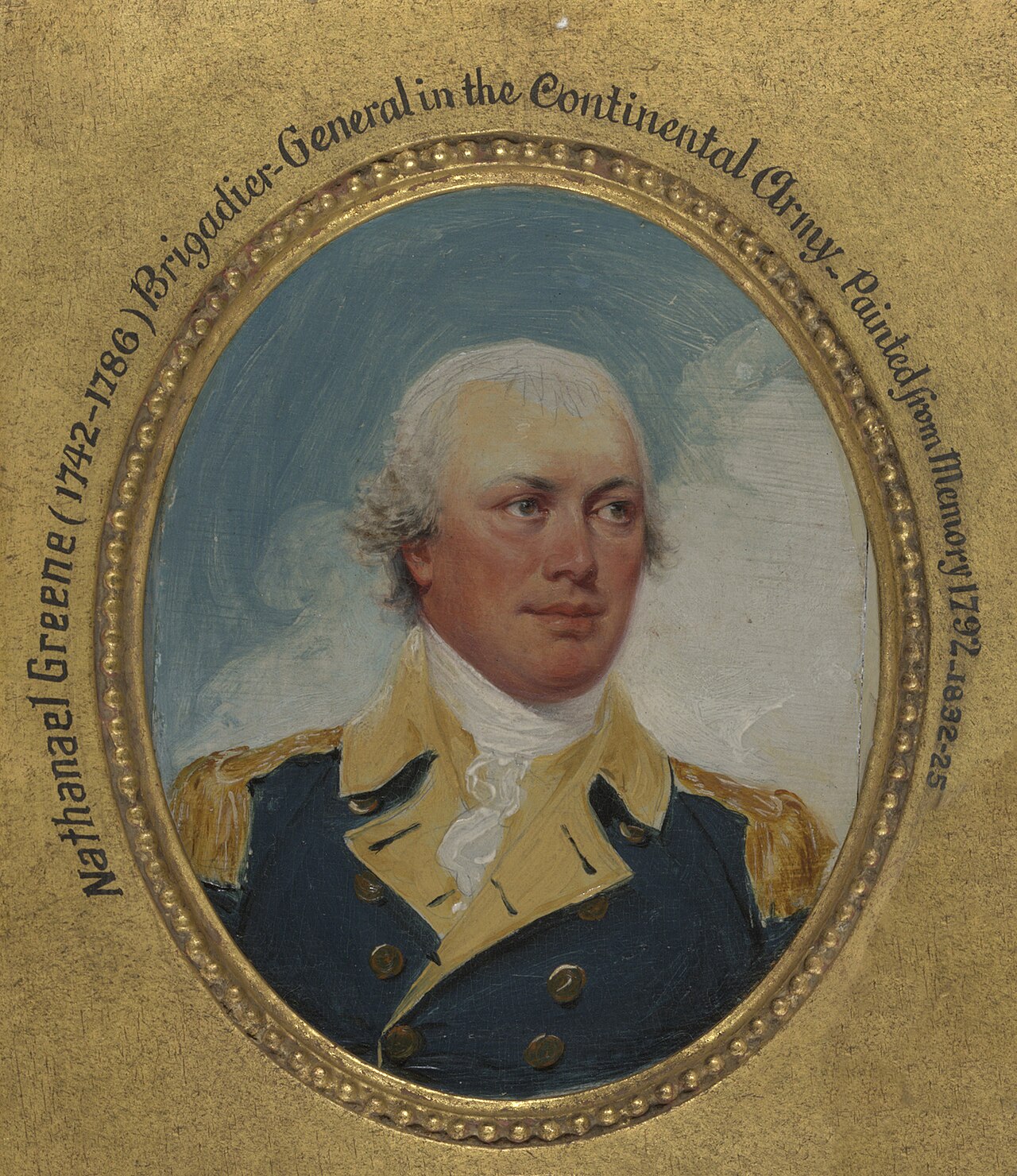 Painting
Secondary source
John Trumbull · 1792
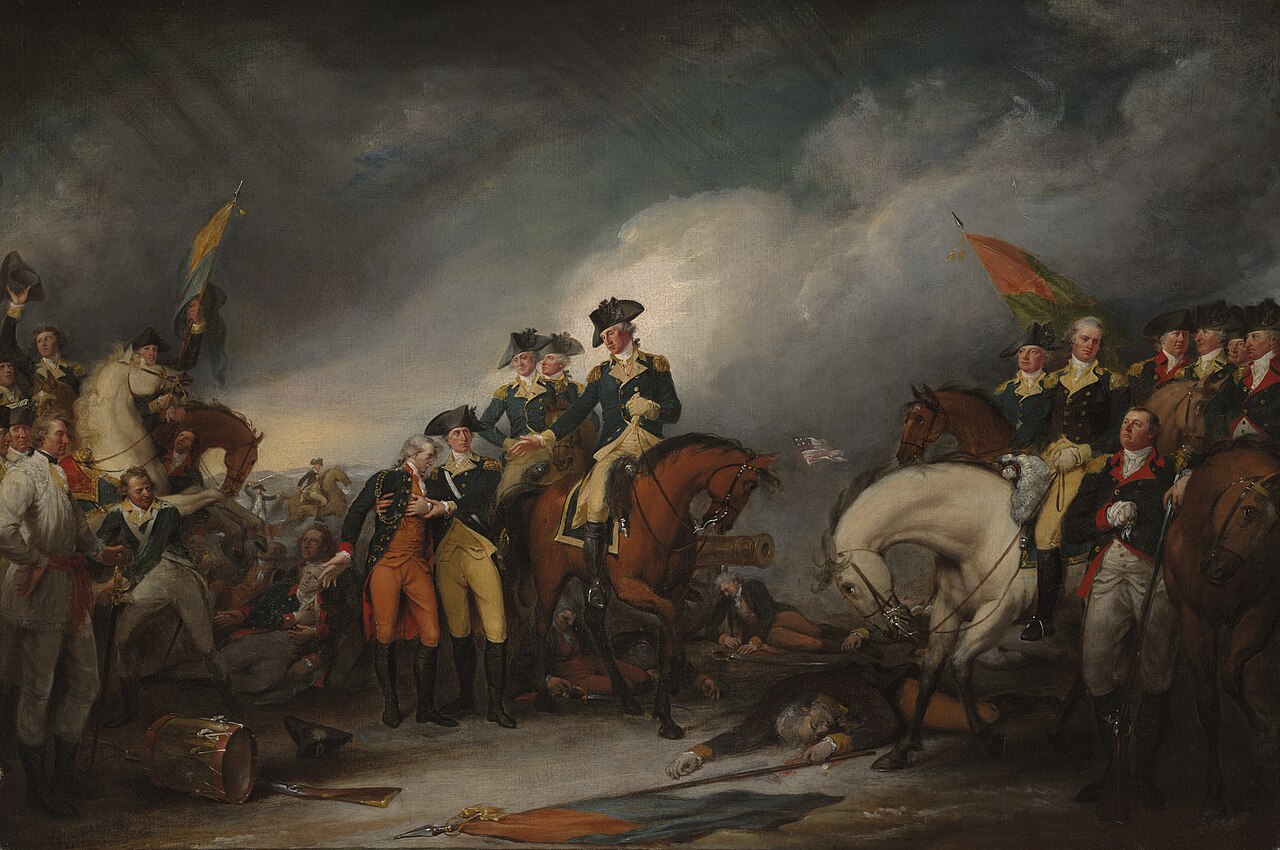 Painting
Secondary source
John Trumbull · 1786 (begun), completed 1828
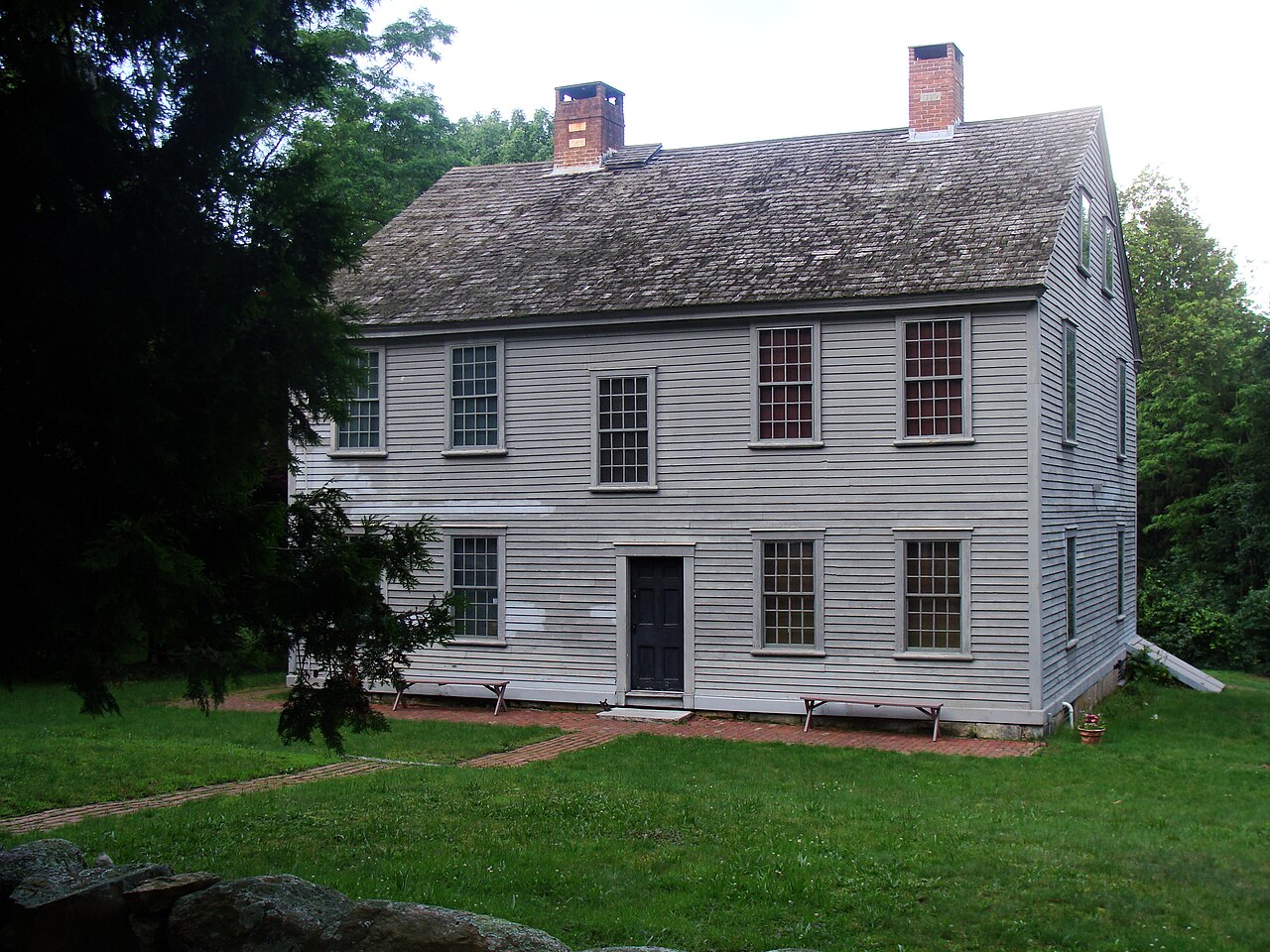 Artifact
Primary source
Nathanael Greene · 1770
Primary source
Banastre Tarleton · 1787
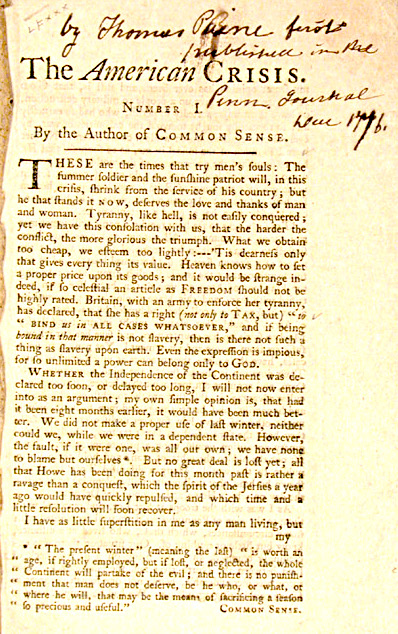 Book
Primary source
Thomas Paine · 1776-1783
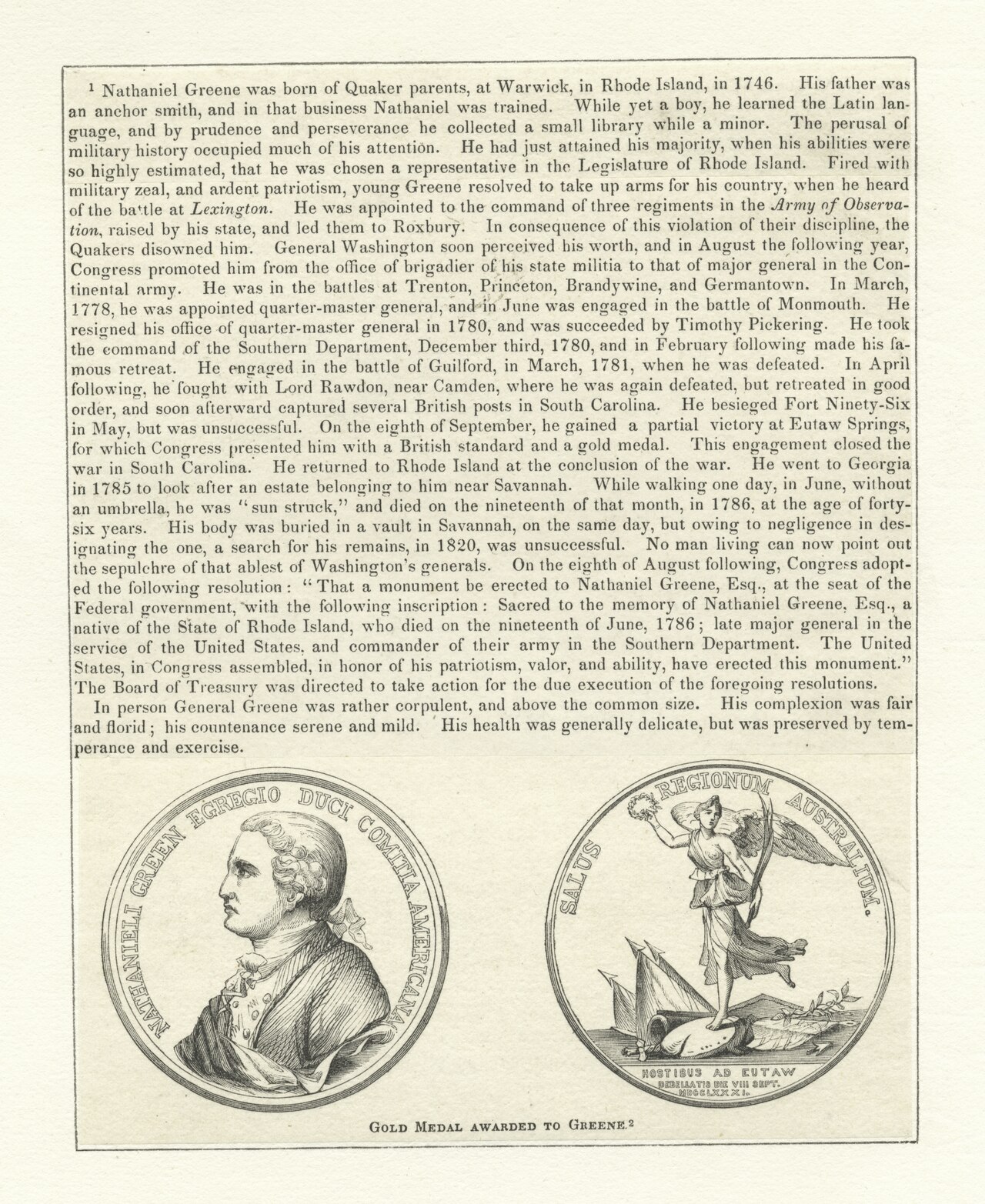 Artifact
Secondary source
A.B. Durand, H.B. Hall, Max Rosenthal
Secondary source
William Johnson · 1822
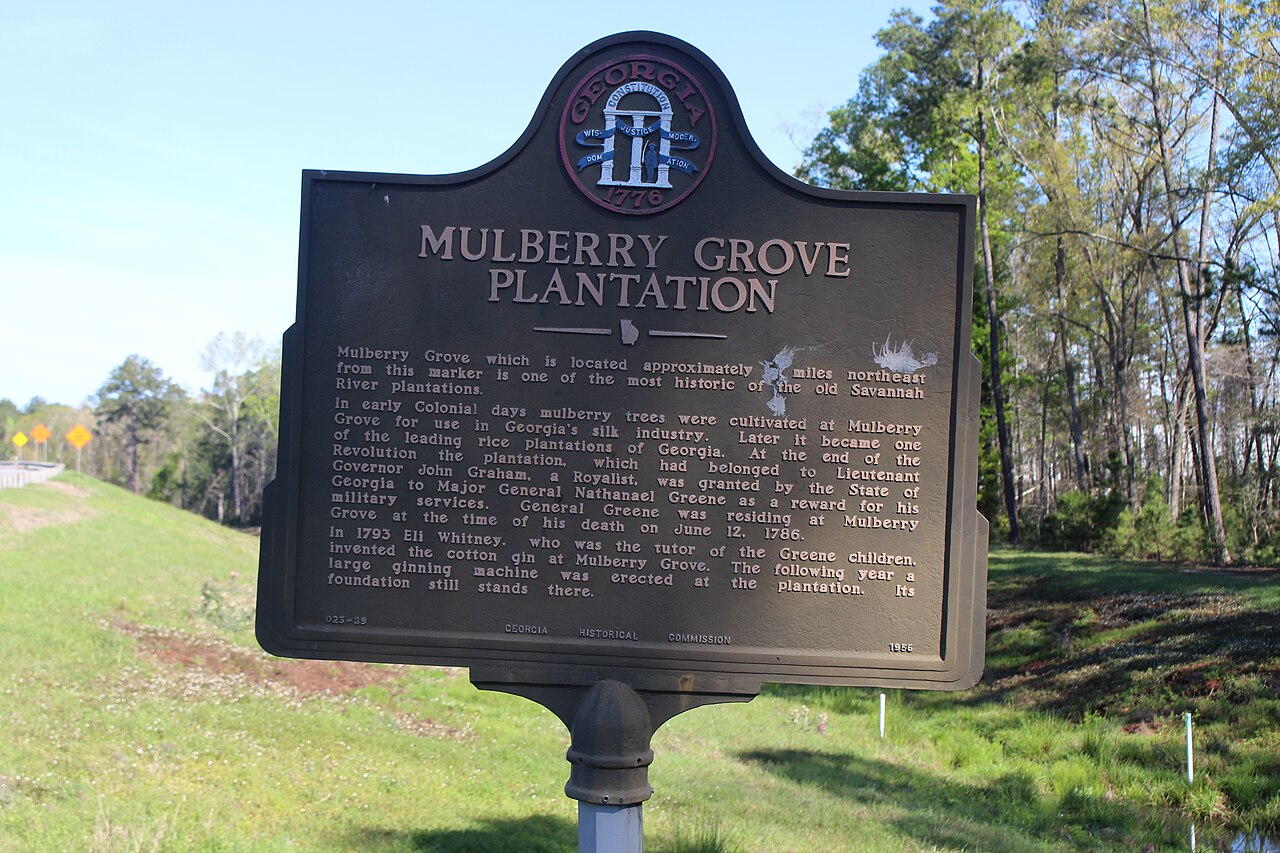 Artifact
Primary source
1794
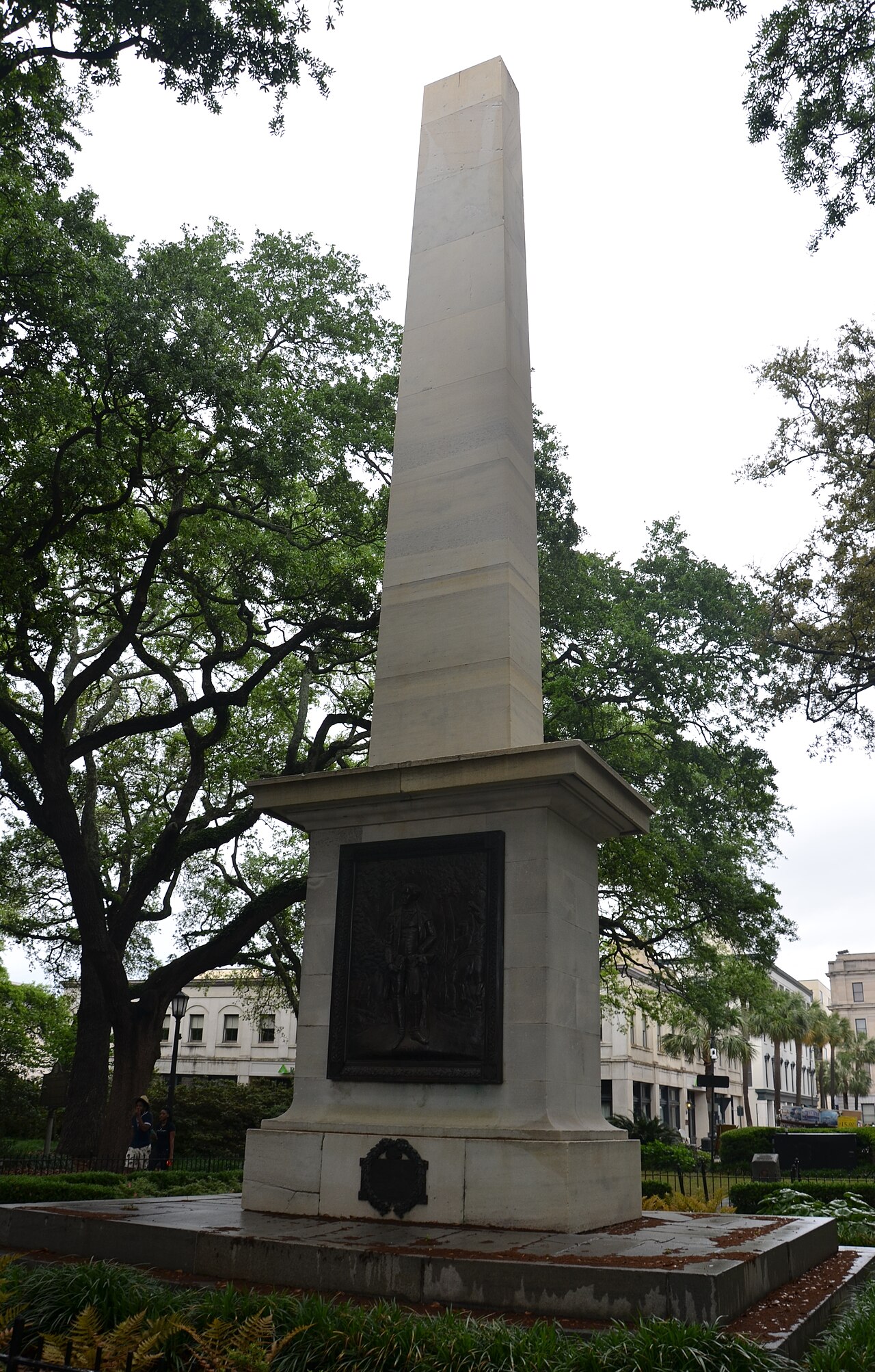 Artifact
Secondary source
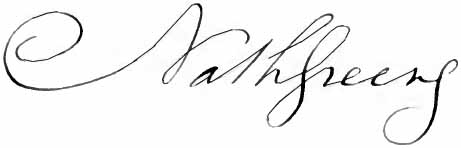 Document
Primary source
Nathanael Greene
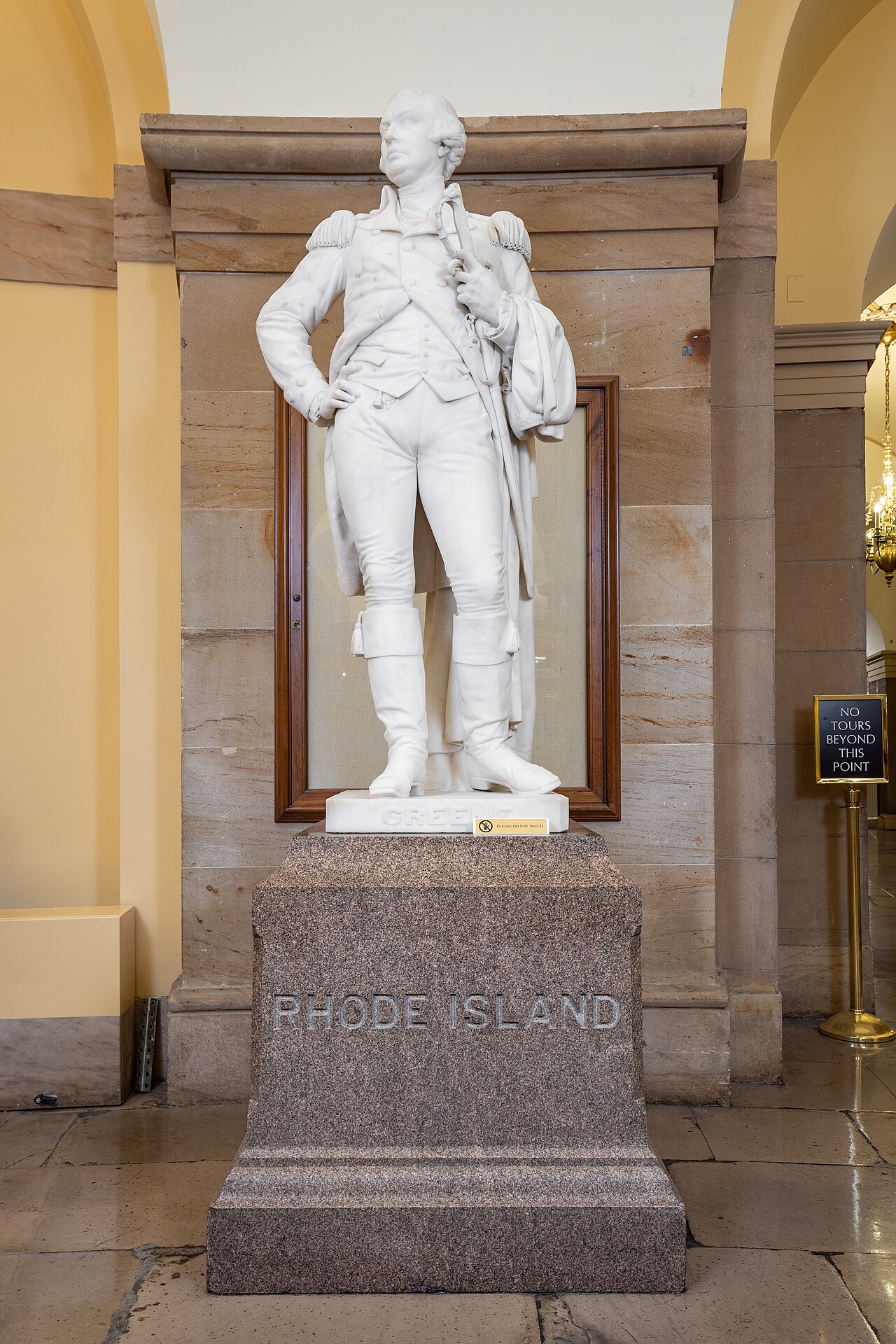 Sculpture
Secondary source
Henry Kirke Brown · 1870
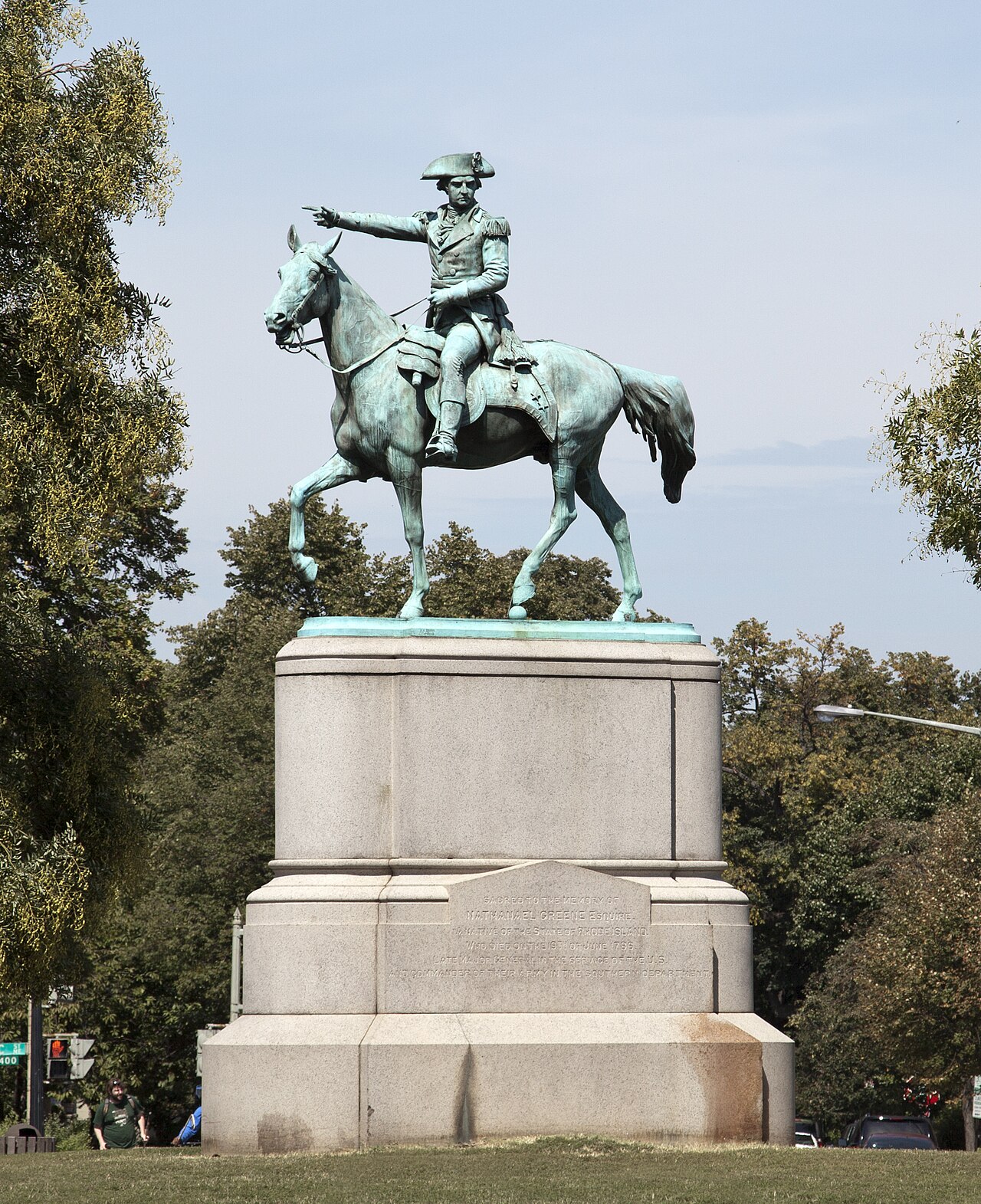 Sculpture
Secondary source
Henry Kirke Brown · 1877
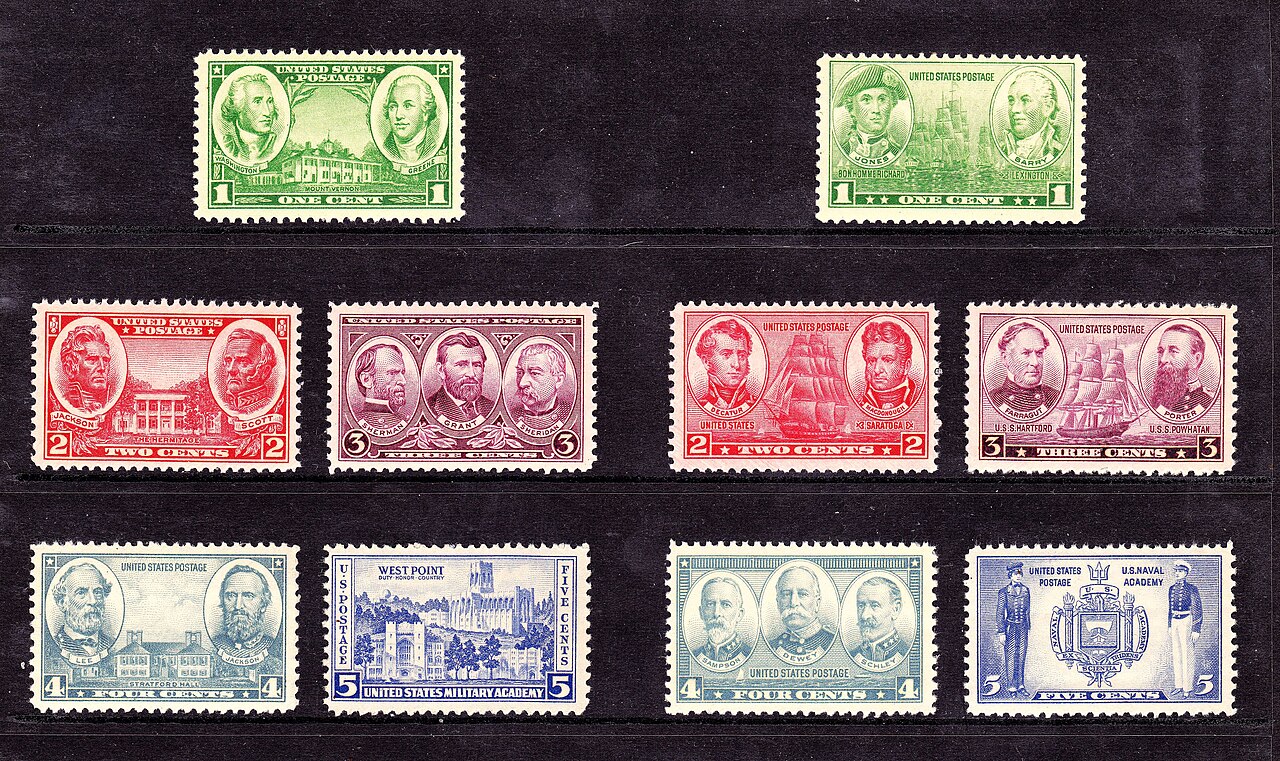 Artifact
Secondary source
Bureau of Engraving and Printing · 1937
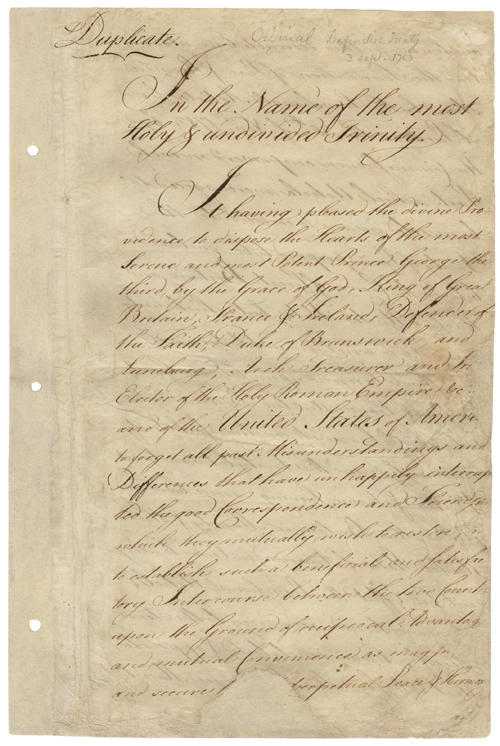 Document
Primary source
3 September 1783
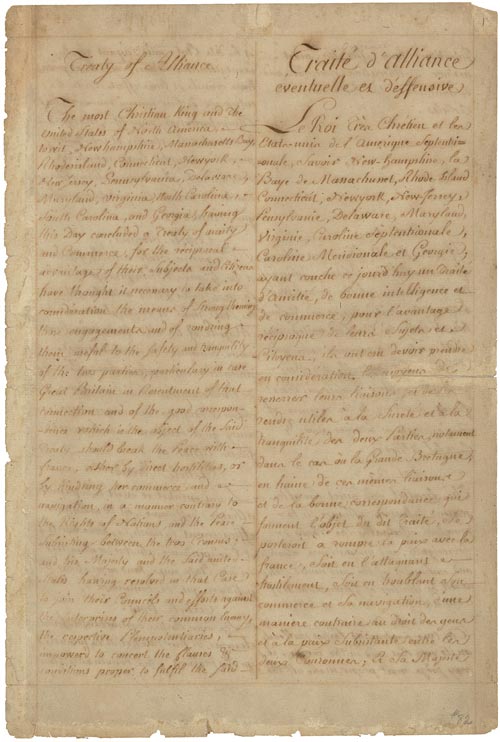 Document
Primary source
6 February 1778
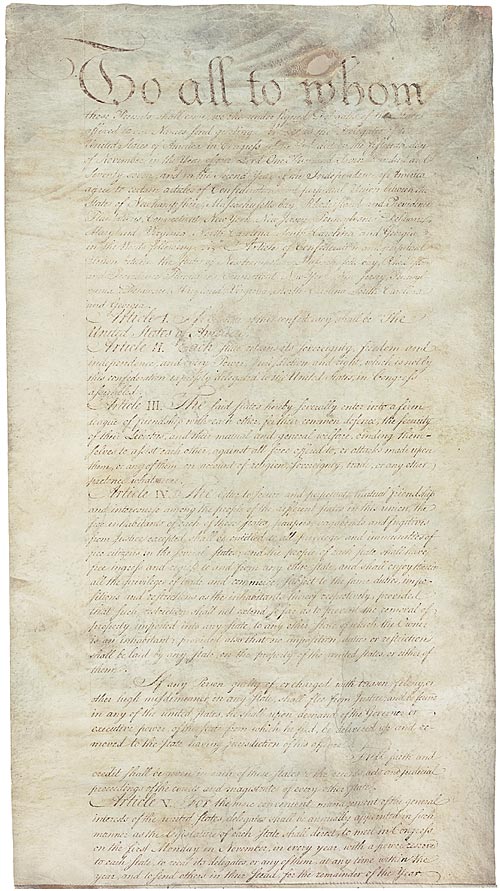 Document
Primary source
Continental Congress · 1777
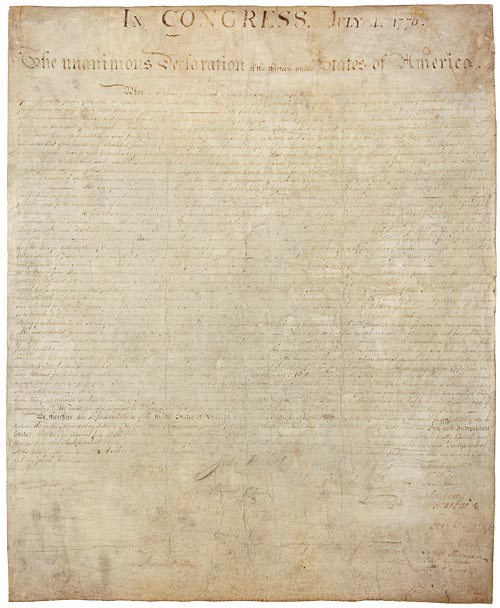 Document
Primary source
Continental Congress (drafted by Thomas Jefferson) · 1776
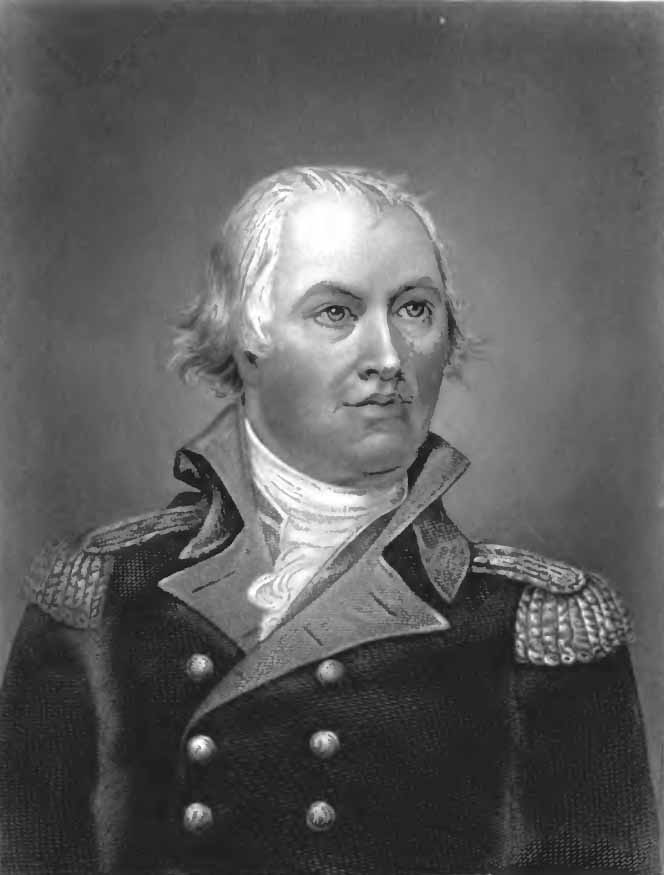 Painting
Secondary source
After John Trumbull
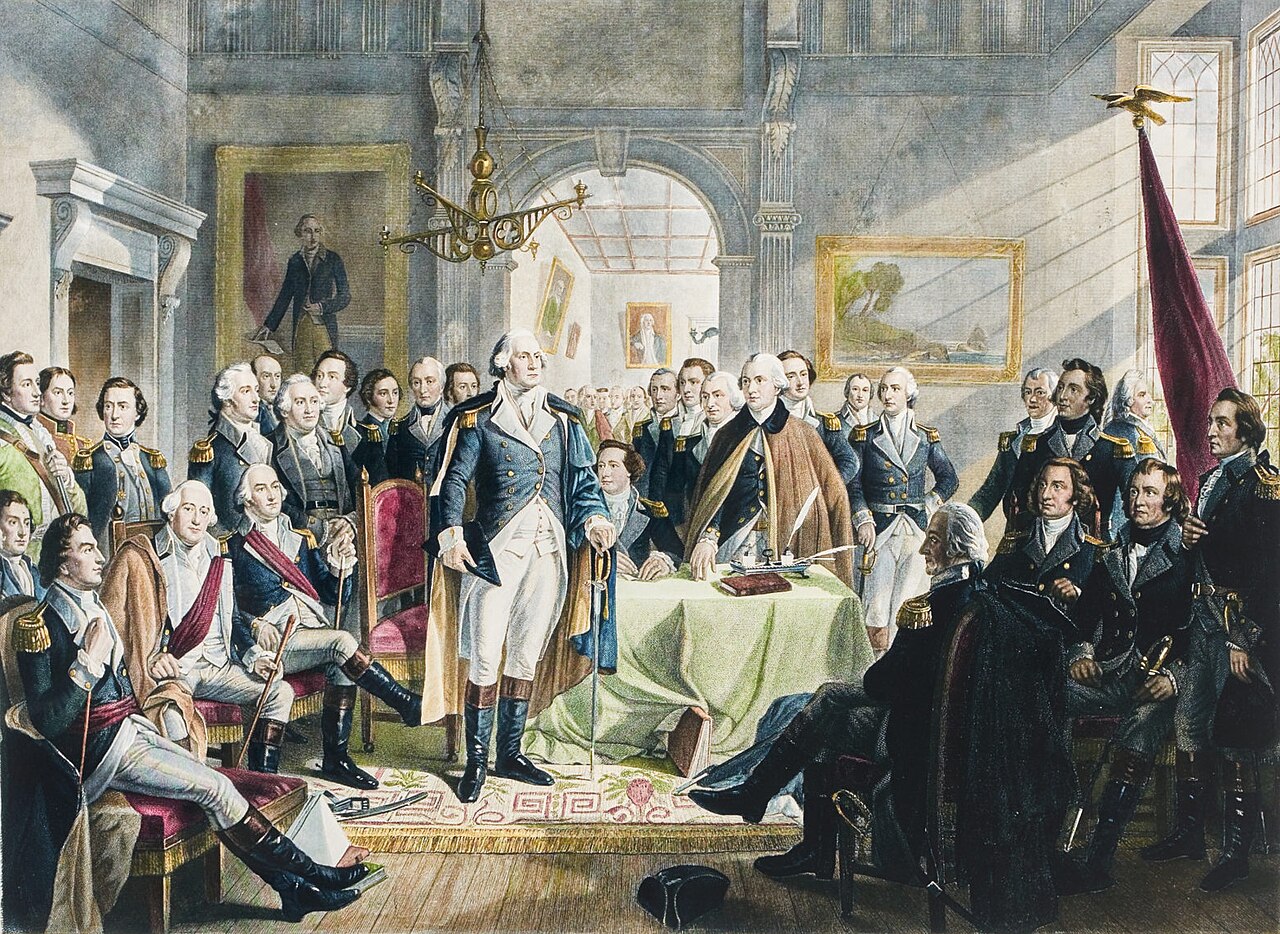 Painting
Secondary source
Alexander Hay Ritchie · 1870
ArtifactSecondary source
William Strickland · 1825-1830
 Book
Secondary source
George Washington Greene
Secondary source
George Washington Greene · 1867
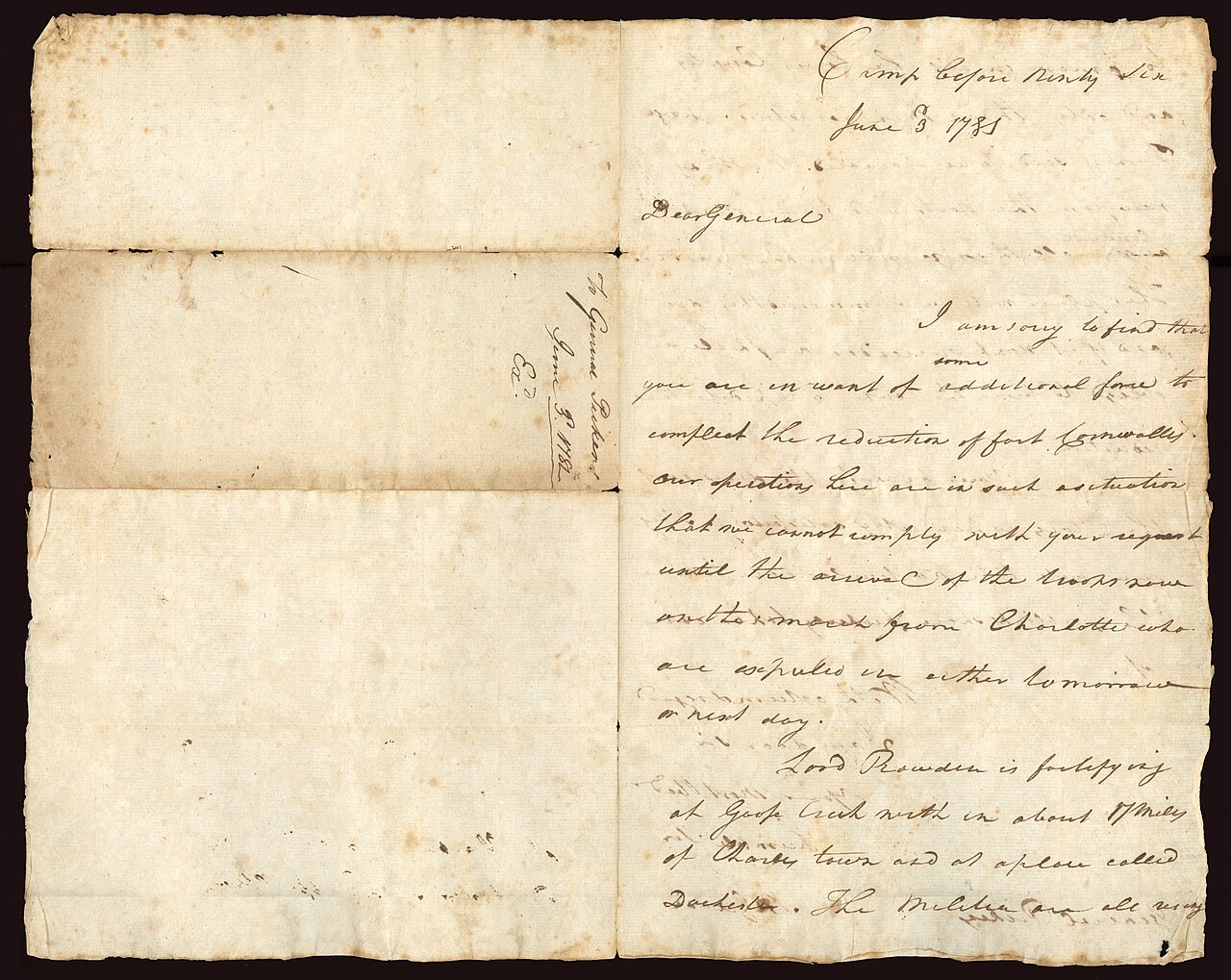 Letter
Primary source
Nathanael Greene · 3 June 1781
 Book
Primary source
Henry Lee · 1812
Primary source
Nathanael Greene · 1783
Primary source
Nathanael Greene · 11 October 1785
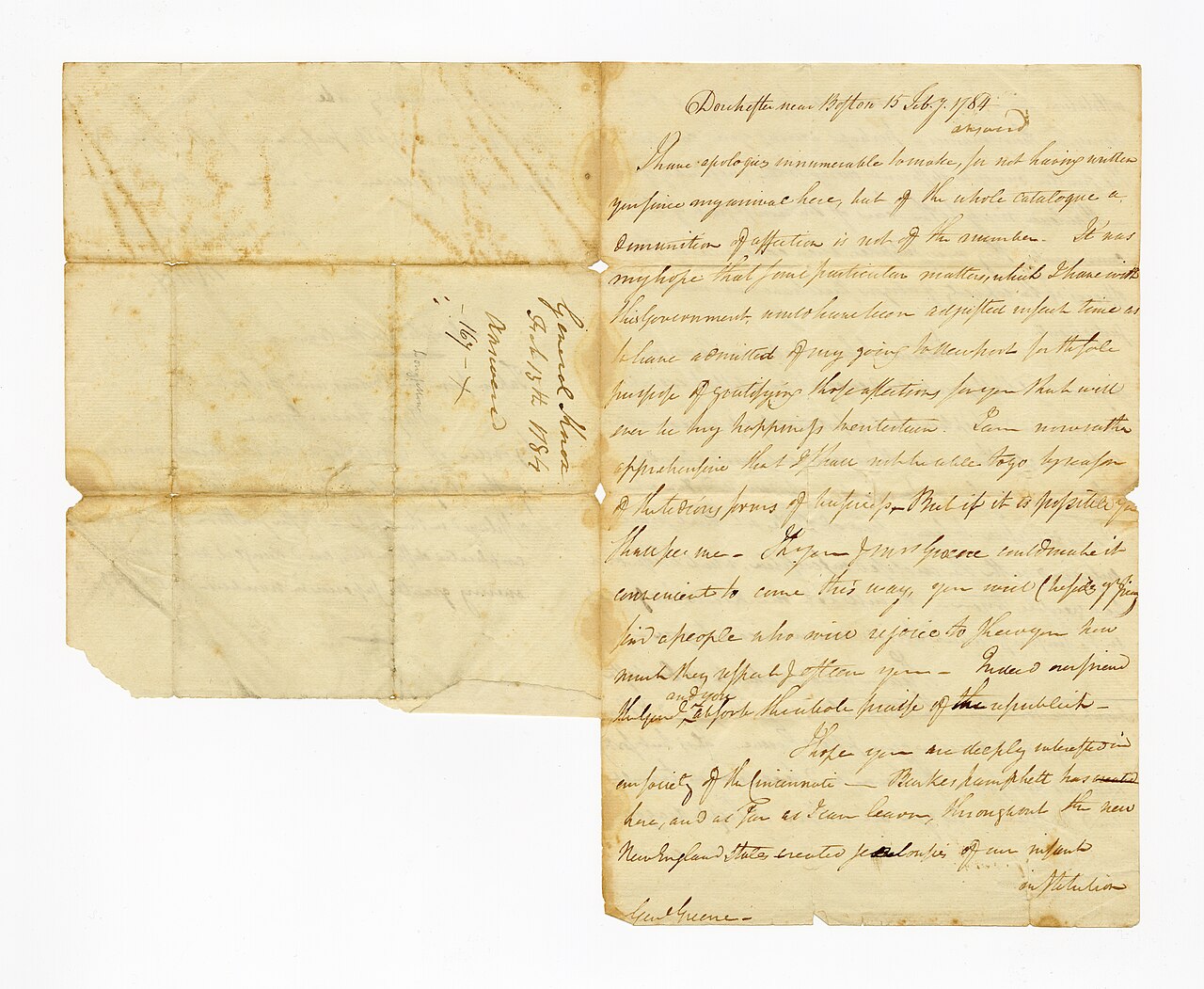 Letter
Primary source
Henry Knox · 15 February 1784
 Document
Secondary source
Rhode Island General Assembly Joint Special Committee · 1903
 Book
Secondary source
Charles Colcock Jones · 1885
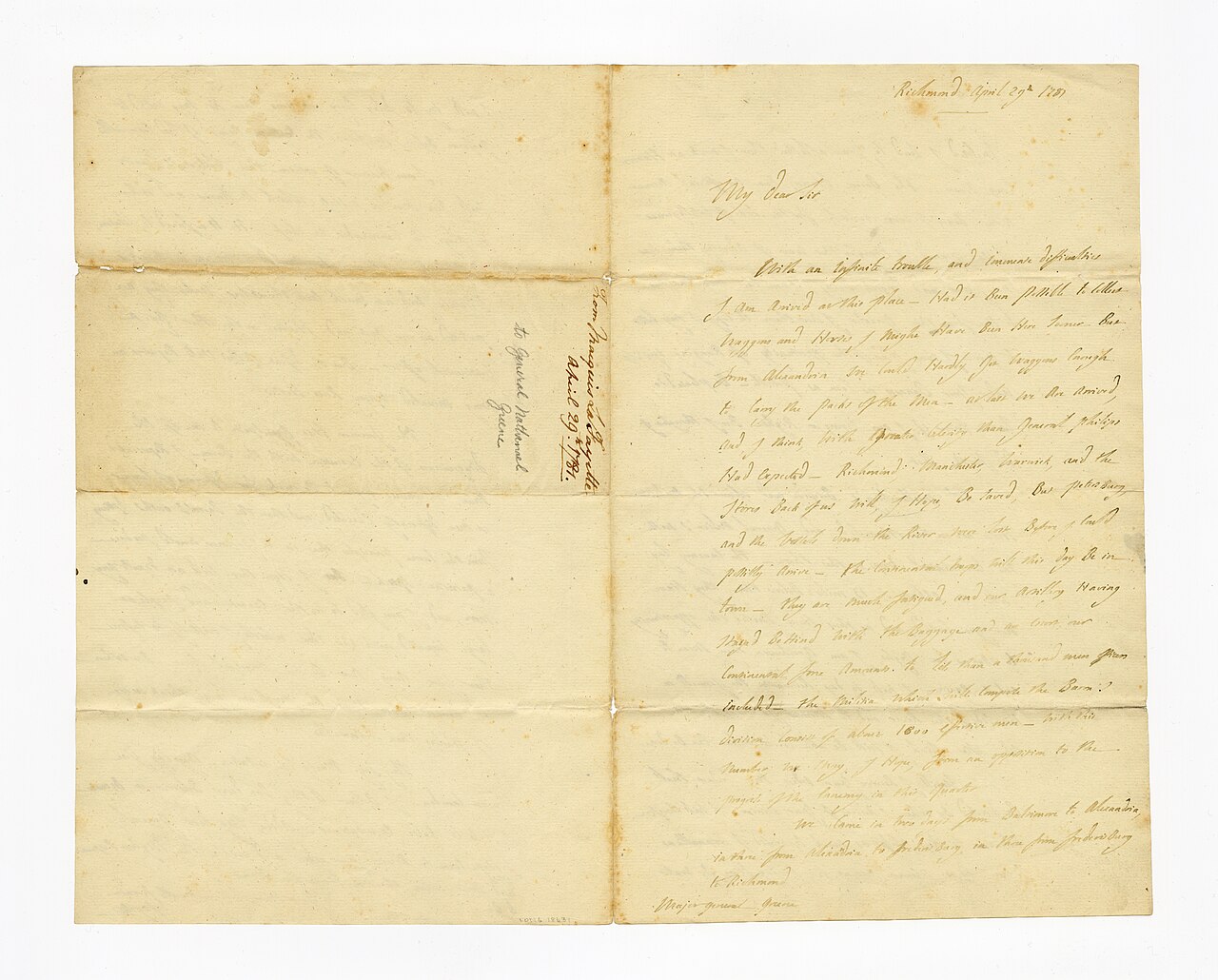 Letter
Primary source
Marquis de Lafayette · 29 April 1781
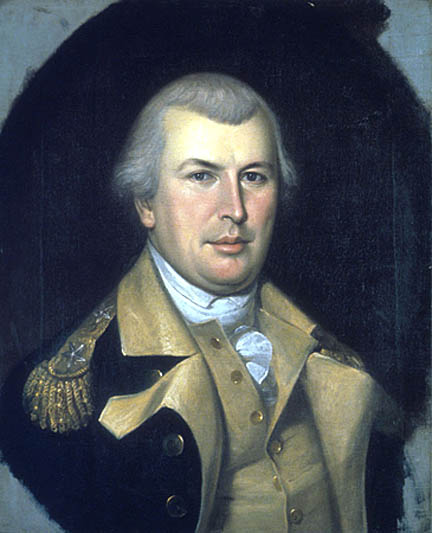 Painting
Primary source
Charles Willson Peale · 1783
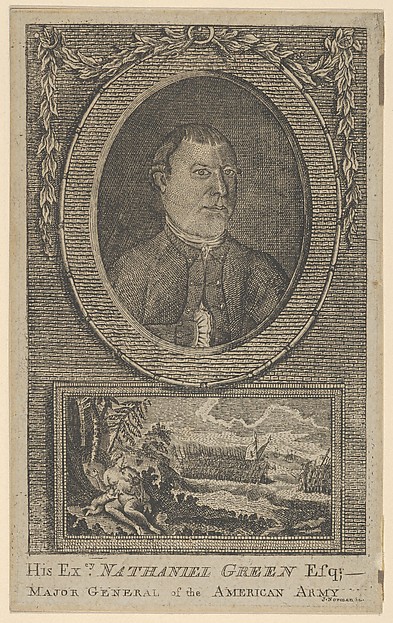 Painting
Primary source
John Norman · 1781
Secondary source
1880
Secondary source
1911
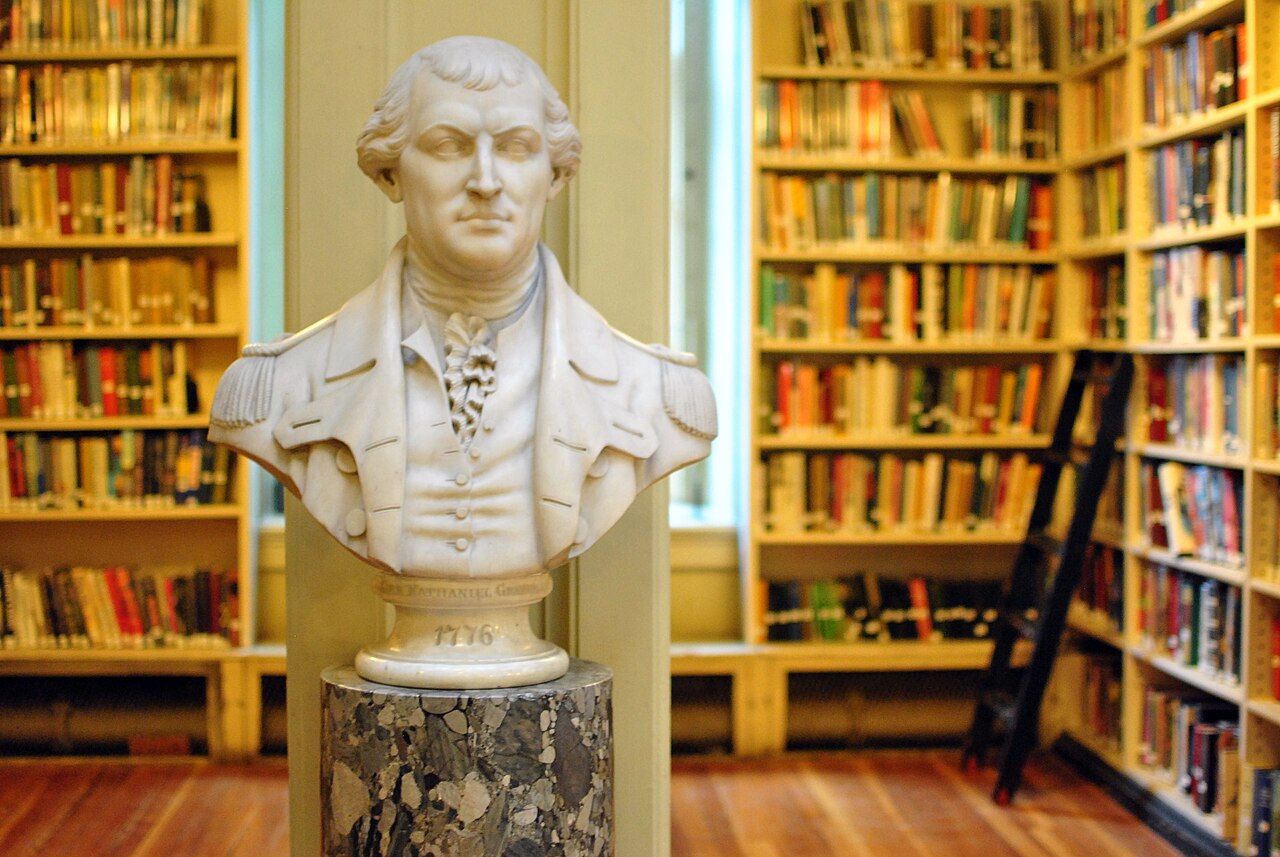 Sculpture
Primary source
1776
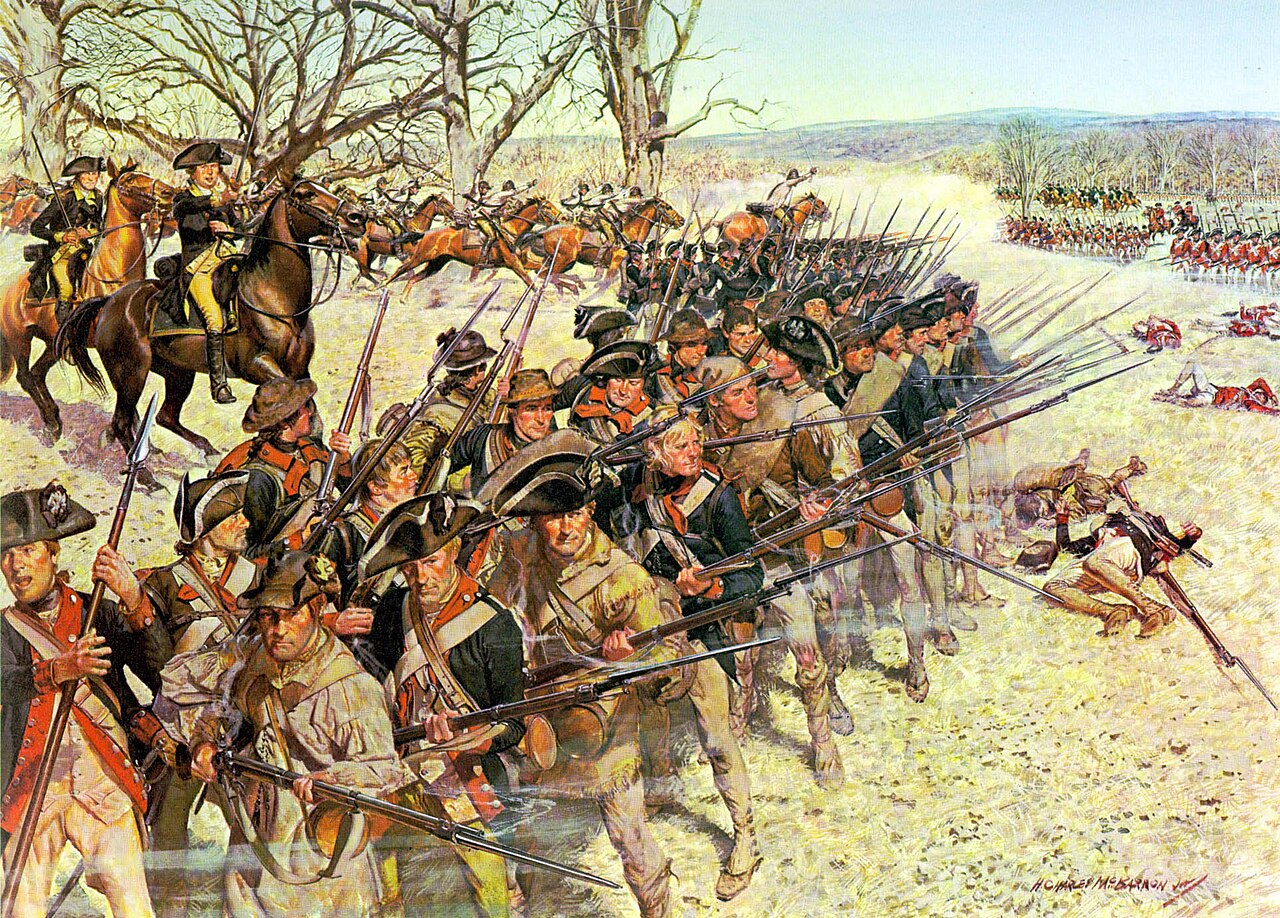 Painting
Secondary source
H. Charles McBarron · before 1992
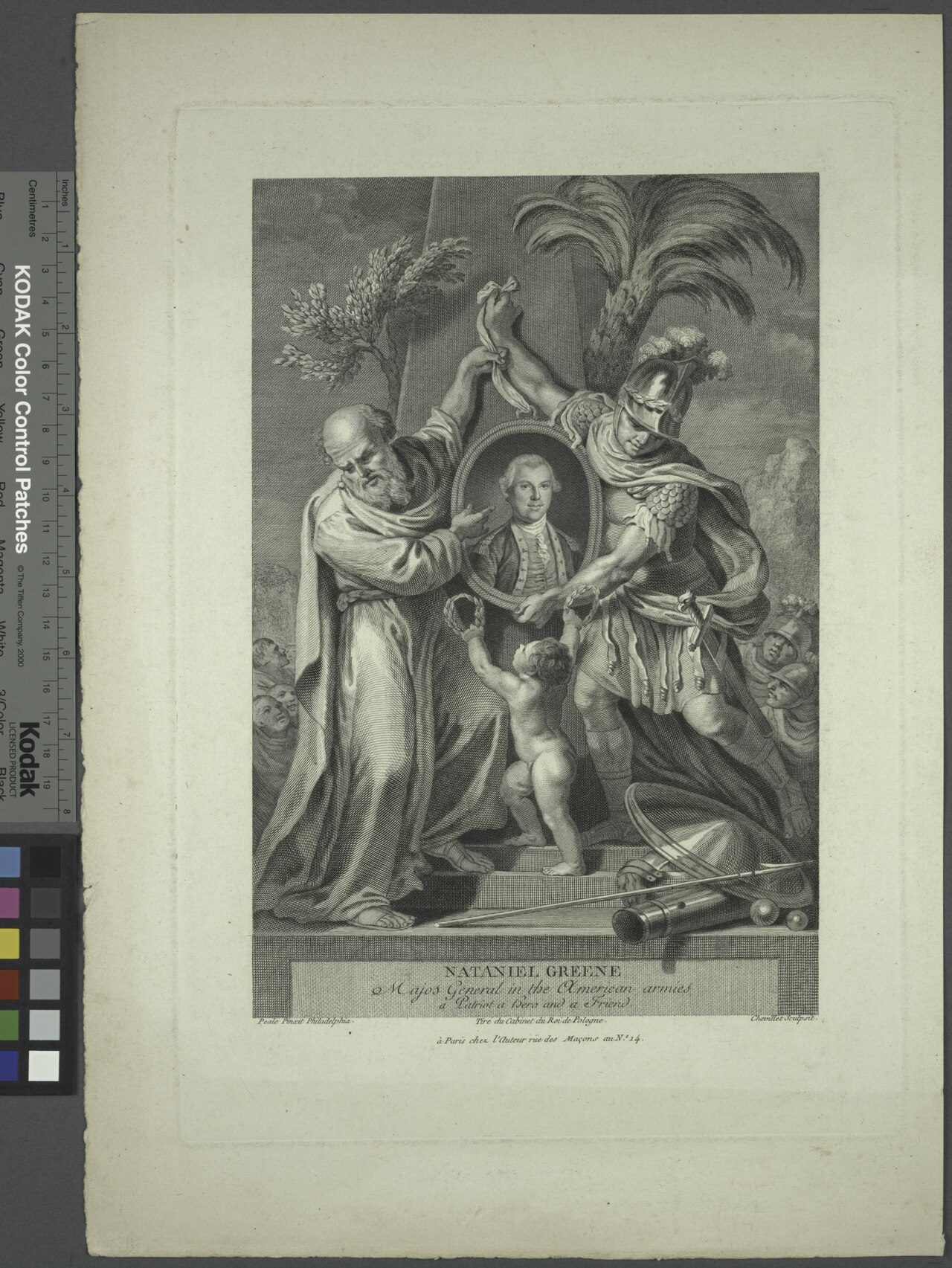 Painting
Primary source
1780
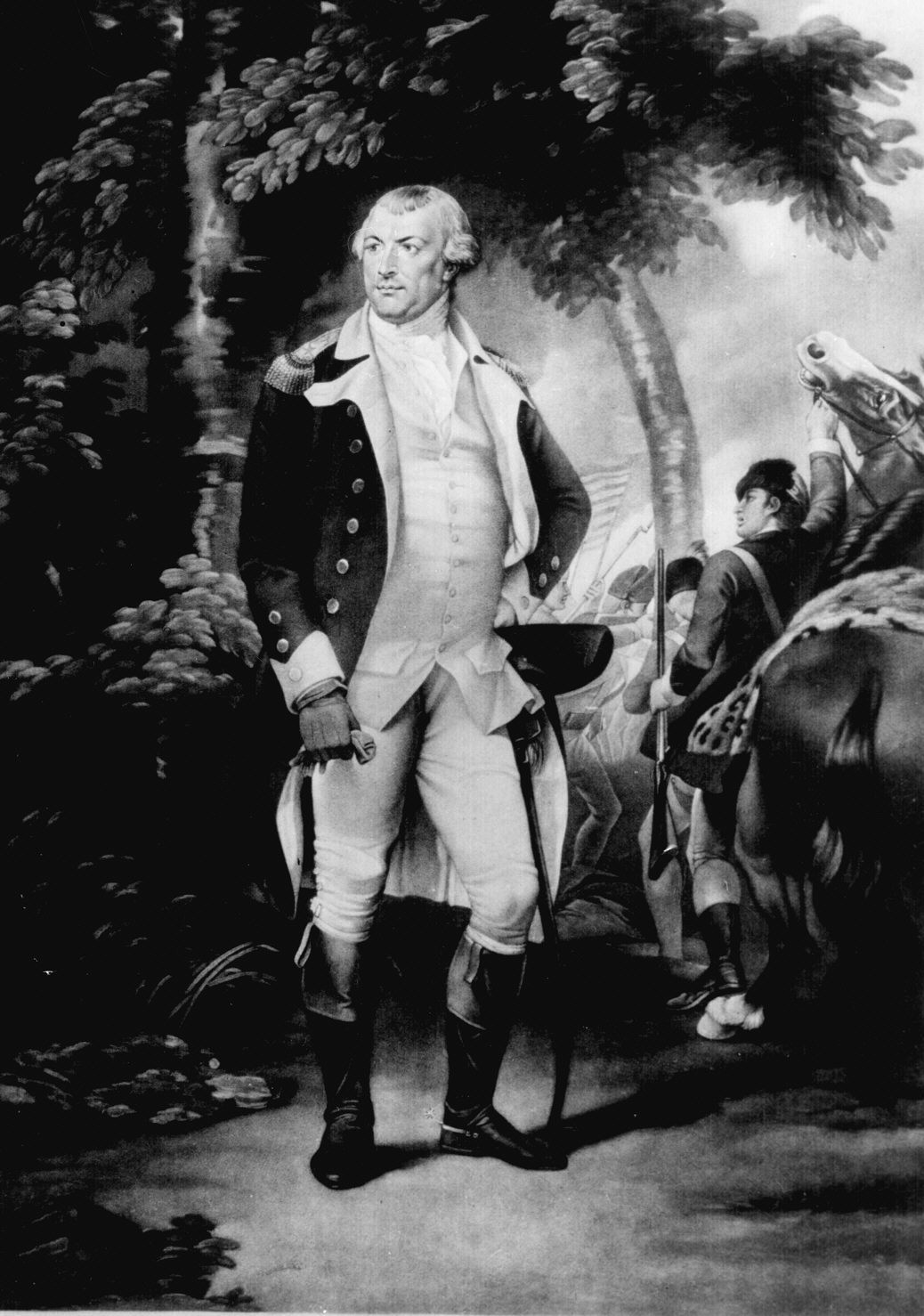 Painting
Secondary source
After Charles Willson Peale
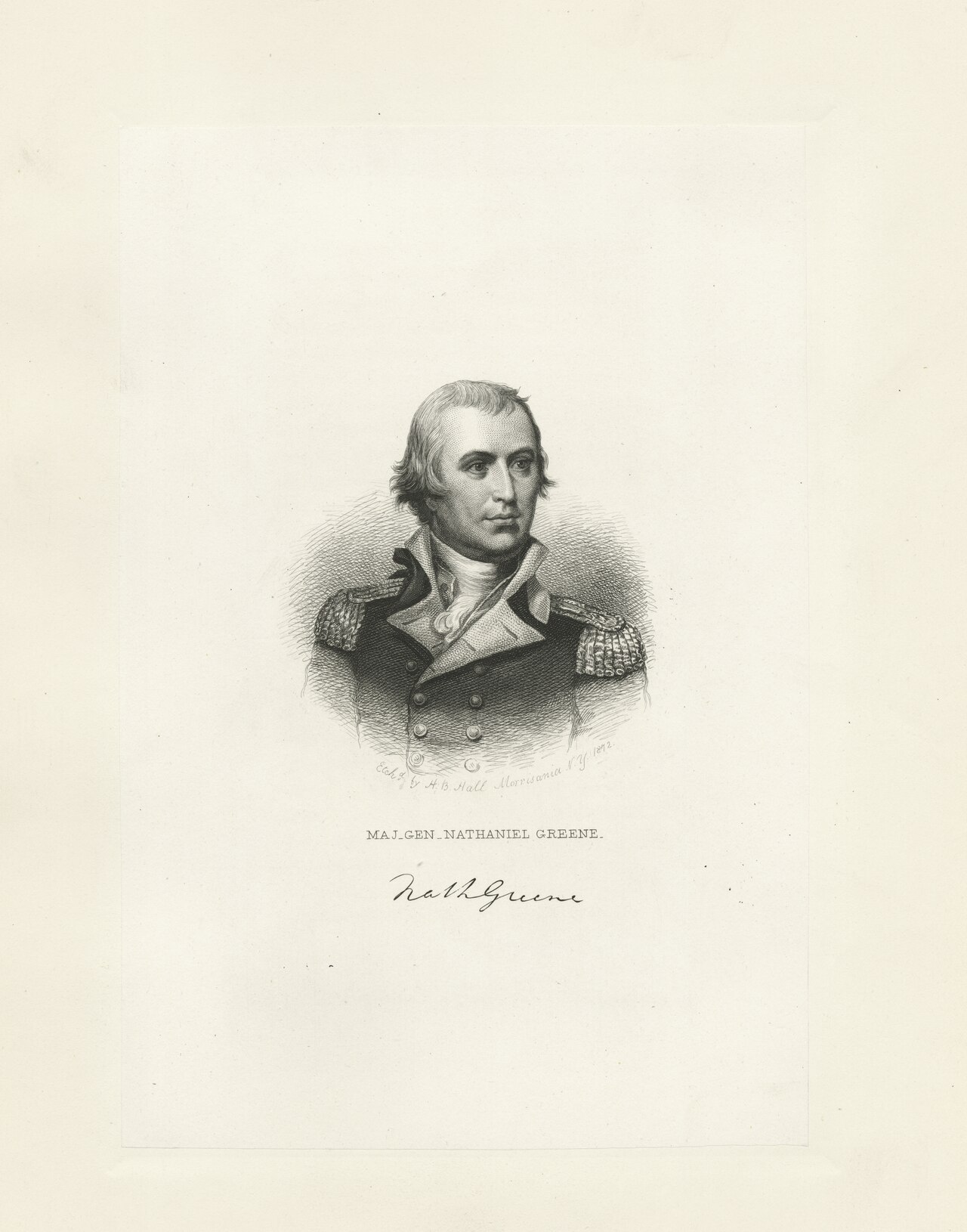 Painting
Secondary source
1872
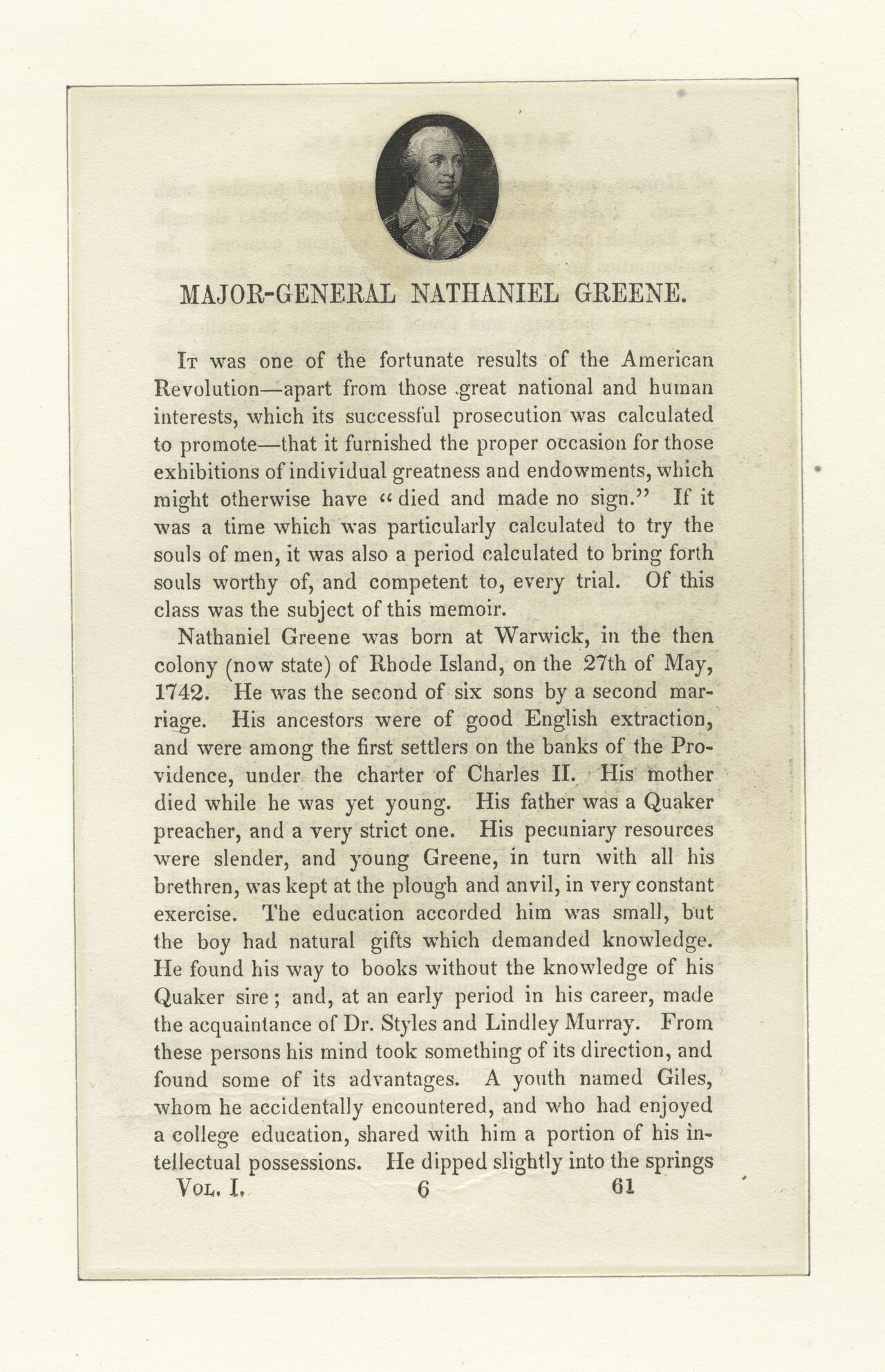 Painting
Secondary source
A.B. Durand, H.B. Hall, Max Rosenthal
 Book
Secondary source
George Washington Greene
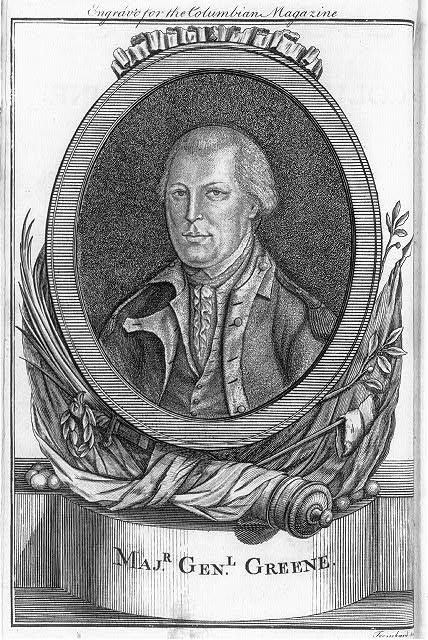 Painting
Secondary source
James Trenchard · September 1786
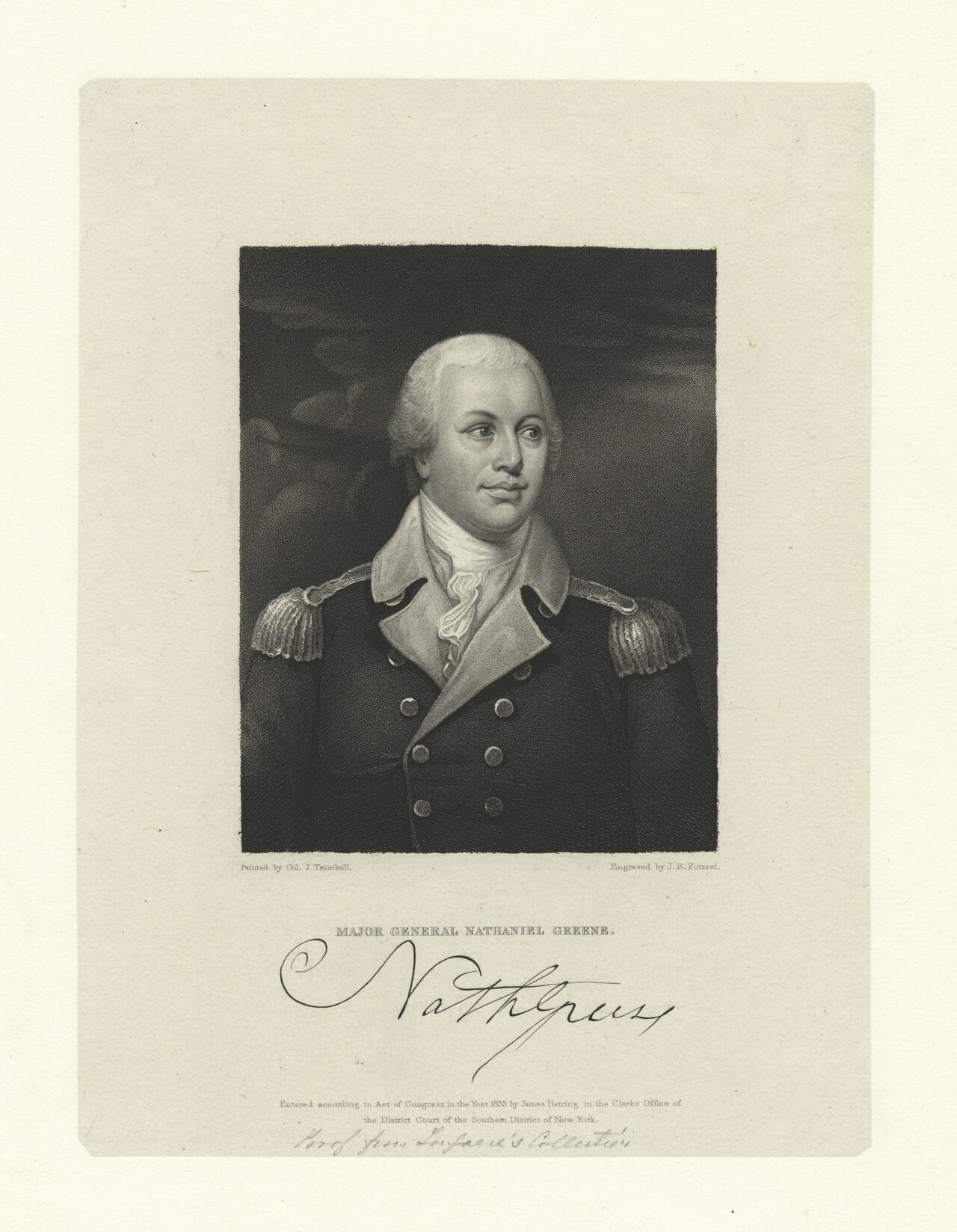 Painting
Secondary source
J.B. Forrest after John Trumbull · 1775
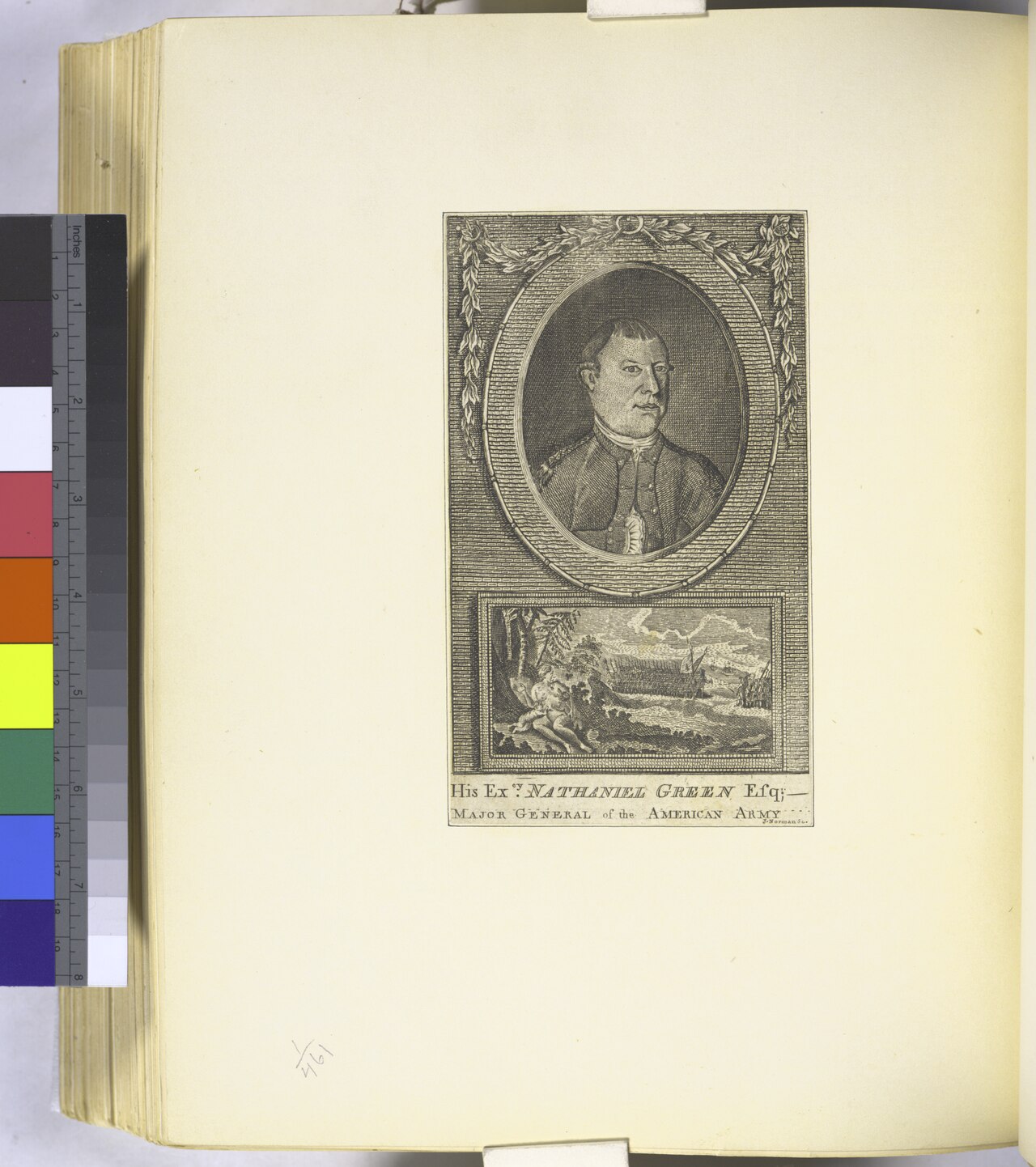 Painting
Secondary source
 Book
Primary source
David Ramsay · 1789
Secondary source
William Thomas Roberts Saffell · 1894
 Document
Secondary source
American Philosophical Society Library · 1900
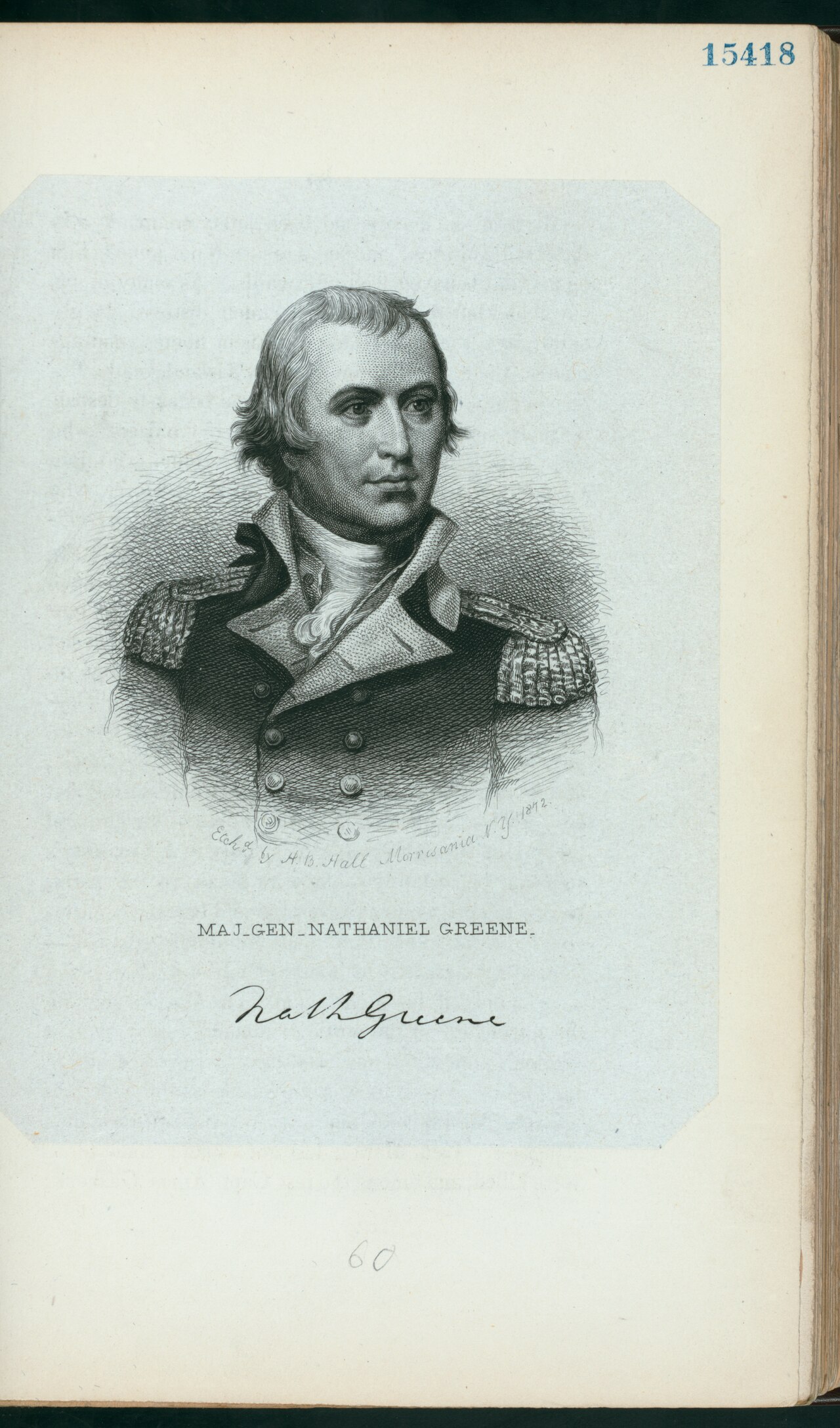 Painting
Secondary source
1872
Tertiary source
1914
 Book
Secondary source
Guilford Battleground Co · 1893
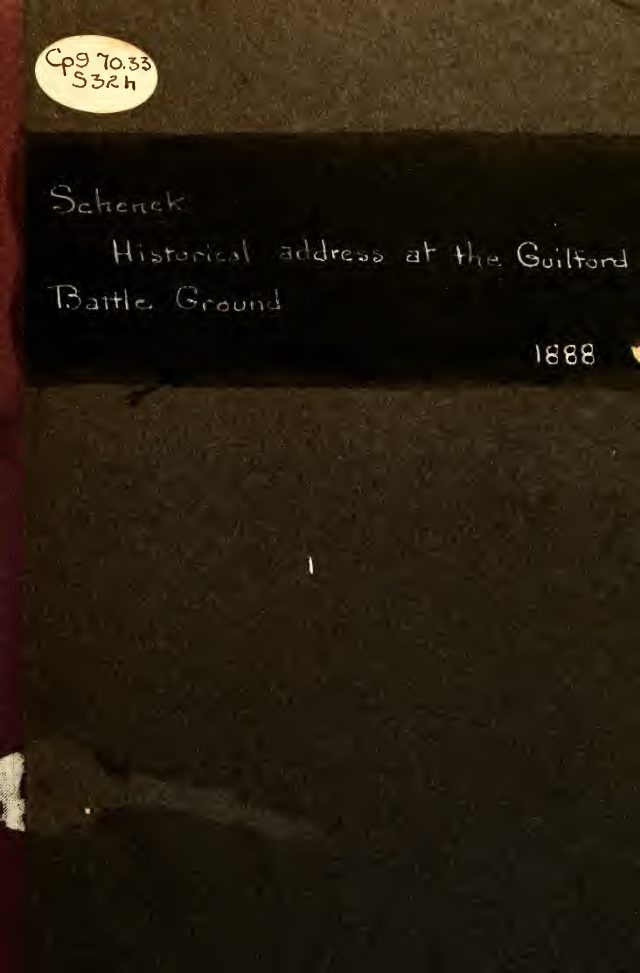 Speech
Secondary source
David Schenck · 1888
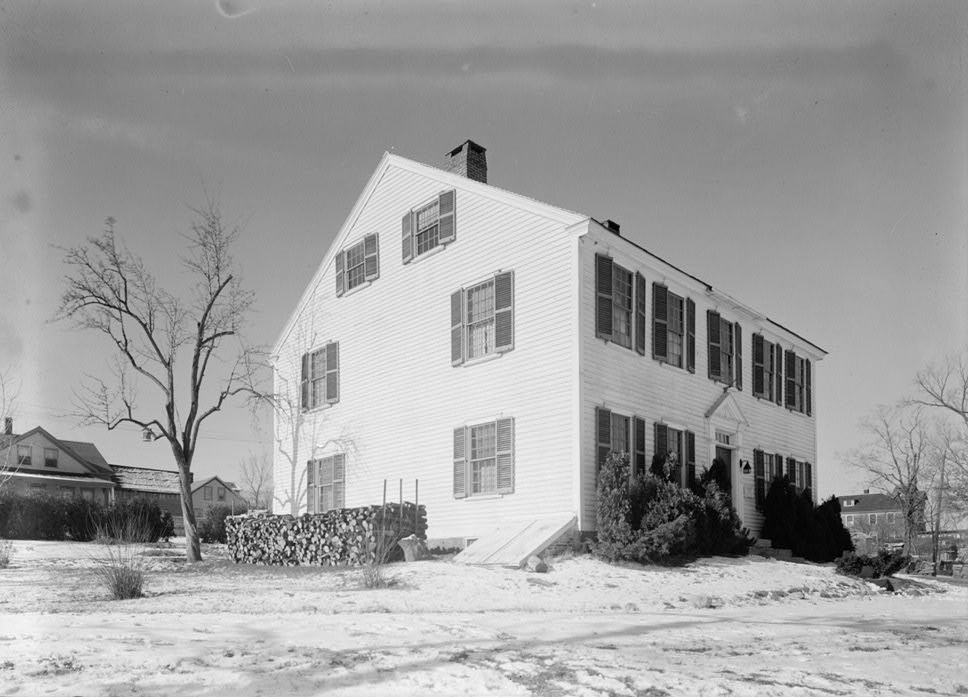 Photograph
Secondary source
Arthur W. LeBoeuf · 1937
Primary source
1849
 Document
Secondary source
Joseph M. Morehead · after 1903
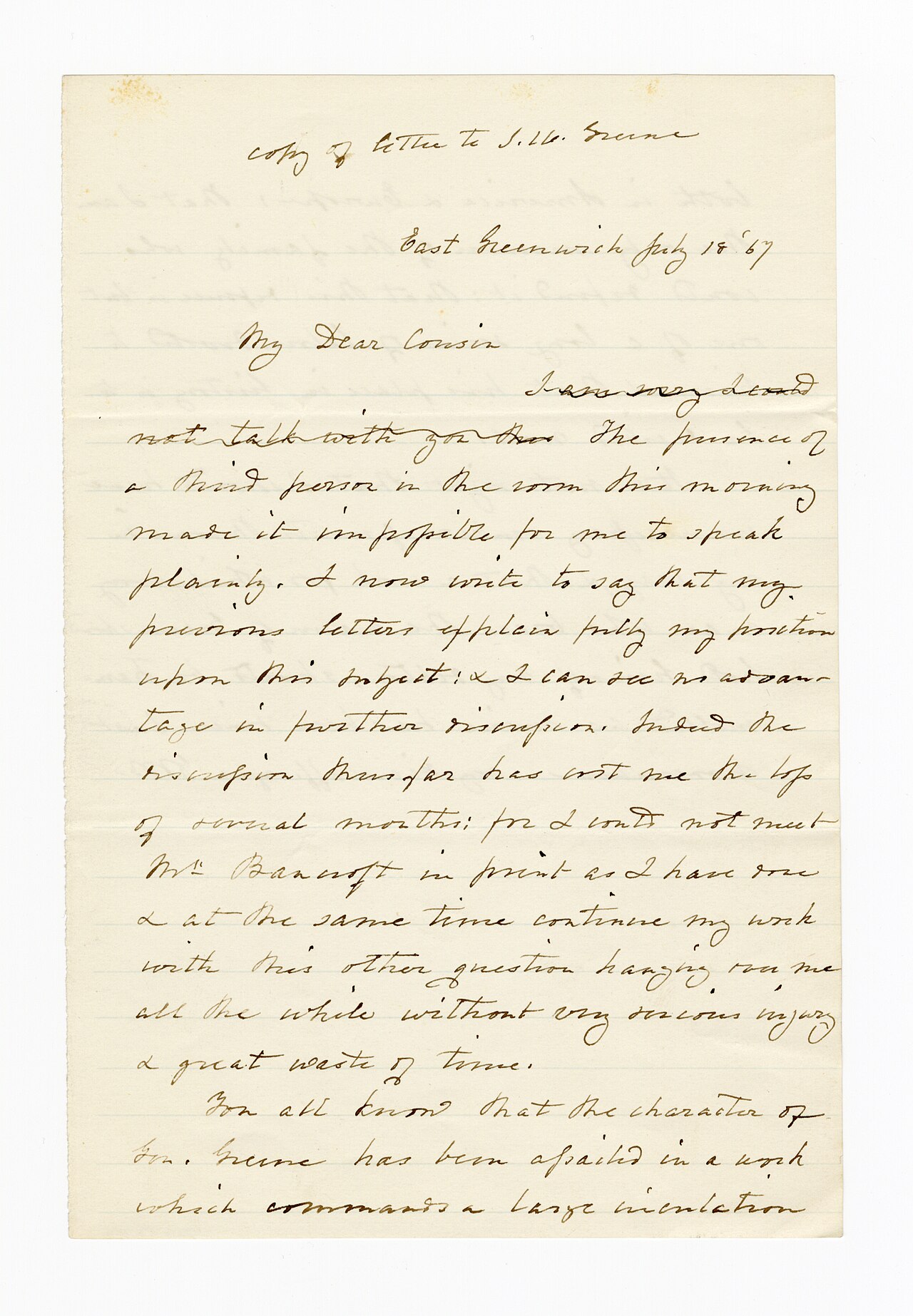 Letter
Secondary source
George Washington Greene · 18 July 1867
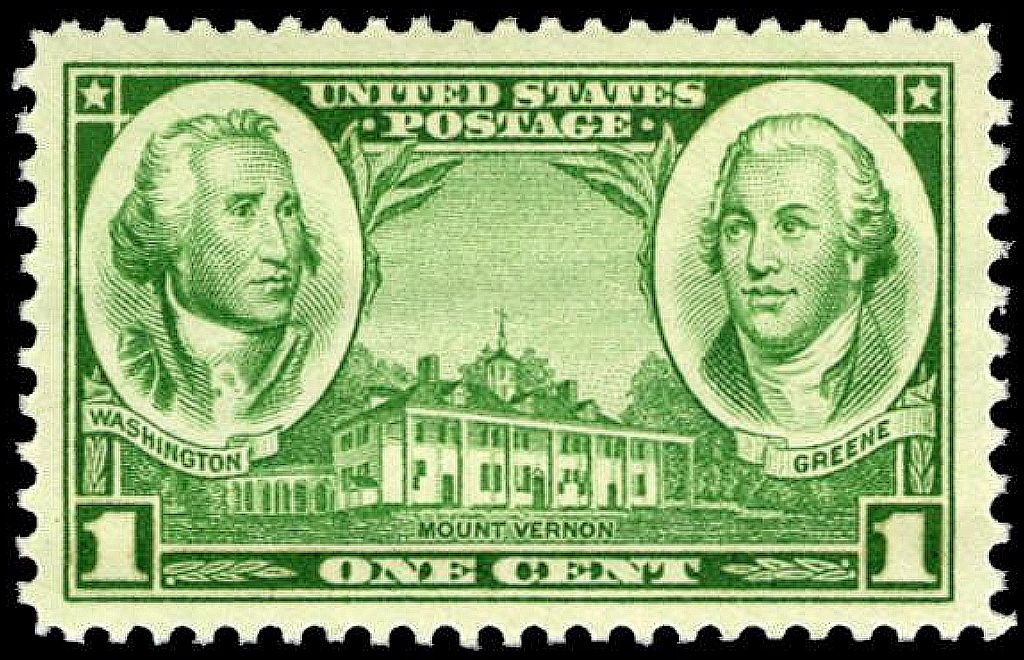 Artifact
Secondary source
U.S. Bureau of Engraving and Printing · 15 December 1936
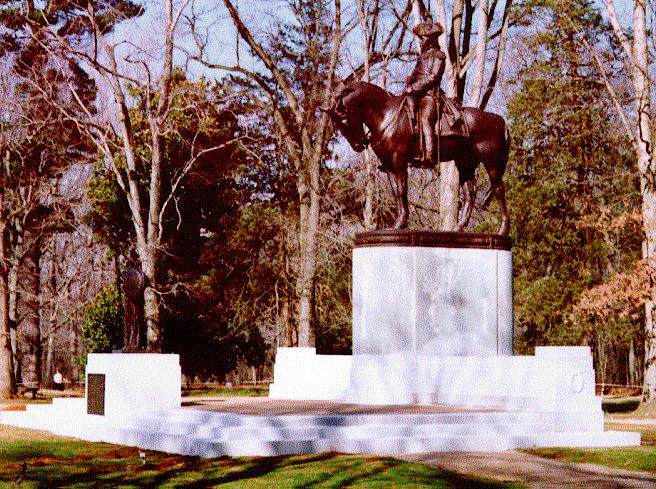 Photograph
Secondary source
en:User:Wahkeenah · 2005-08-11
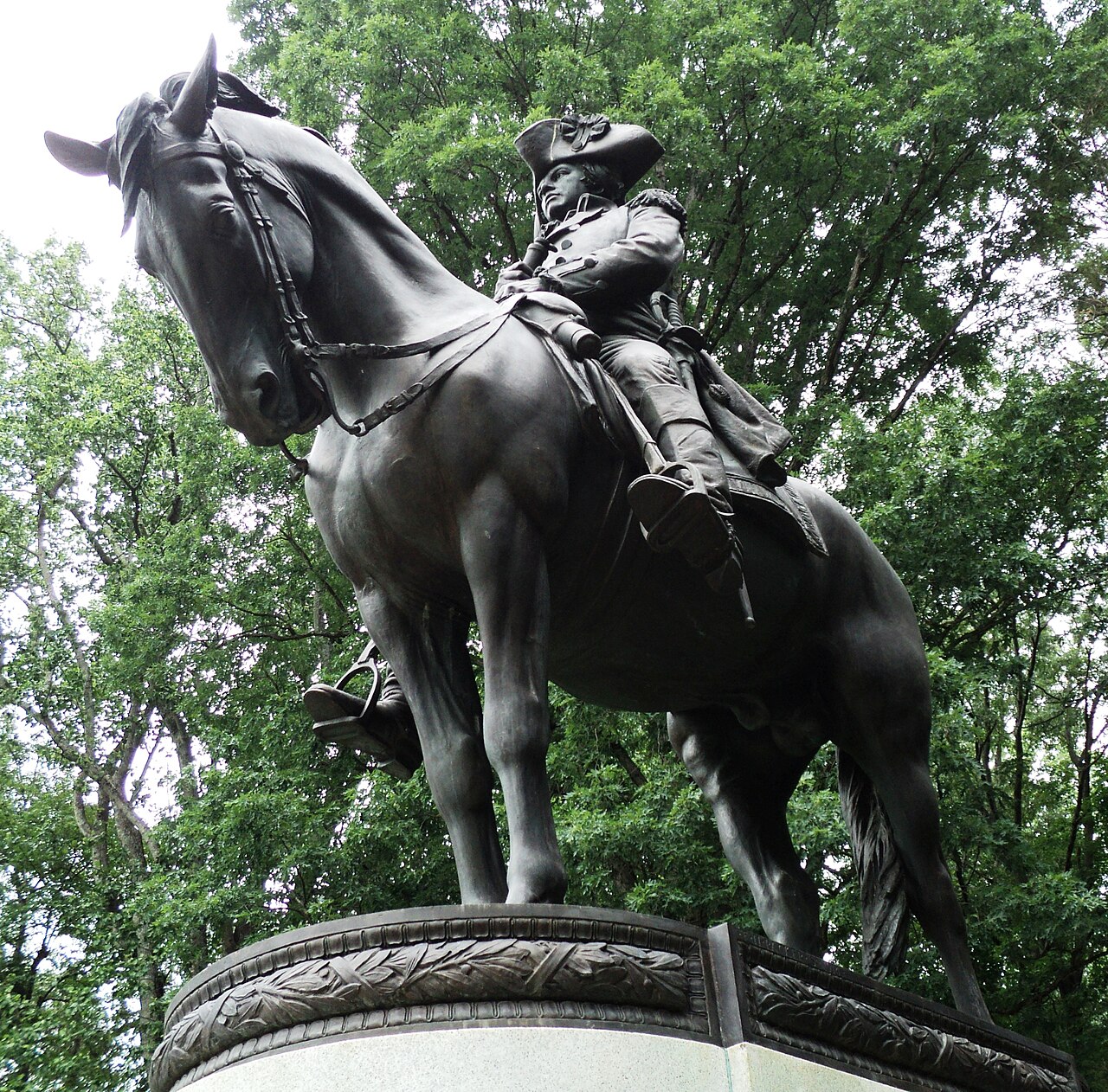 Sculpture
Secondary source
Francis Herman Packer · 1915
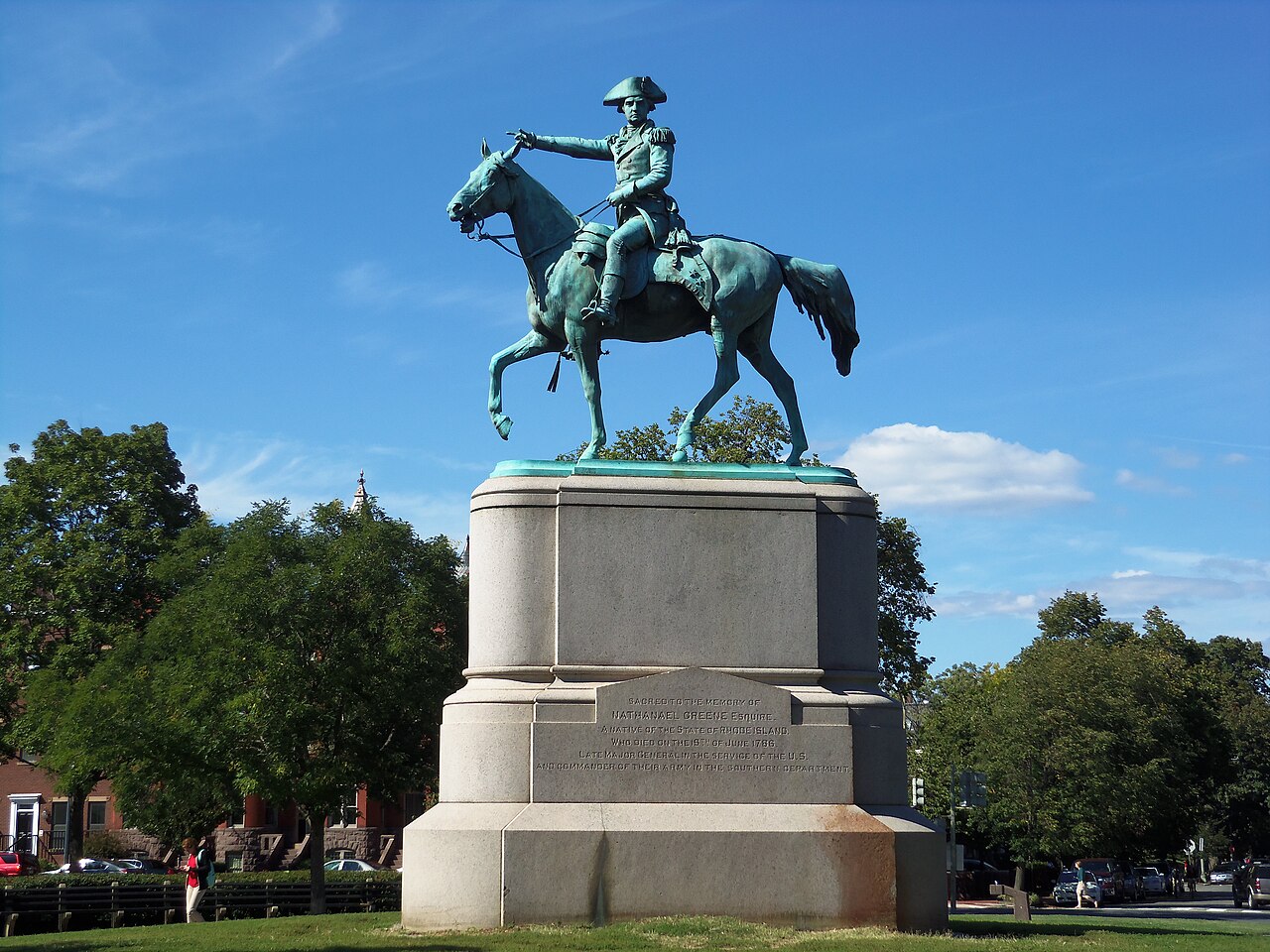 Sculpture
Secondary source
Henry Kirke Brown · 1877
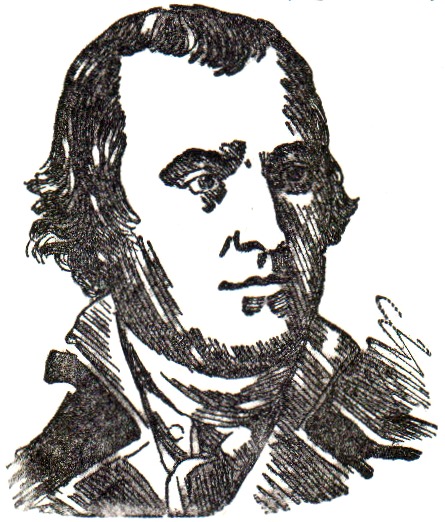 Painting
Secondary source
1914
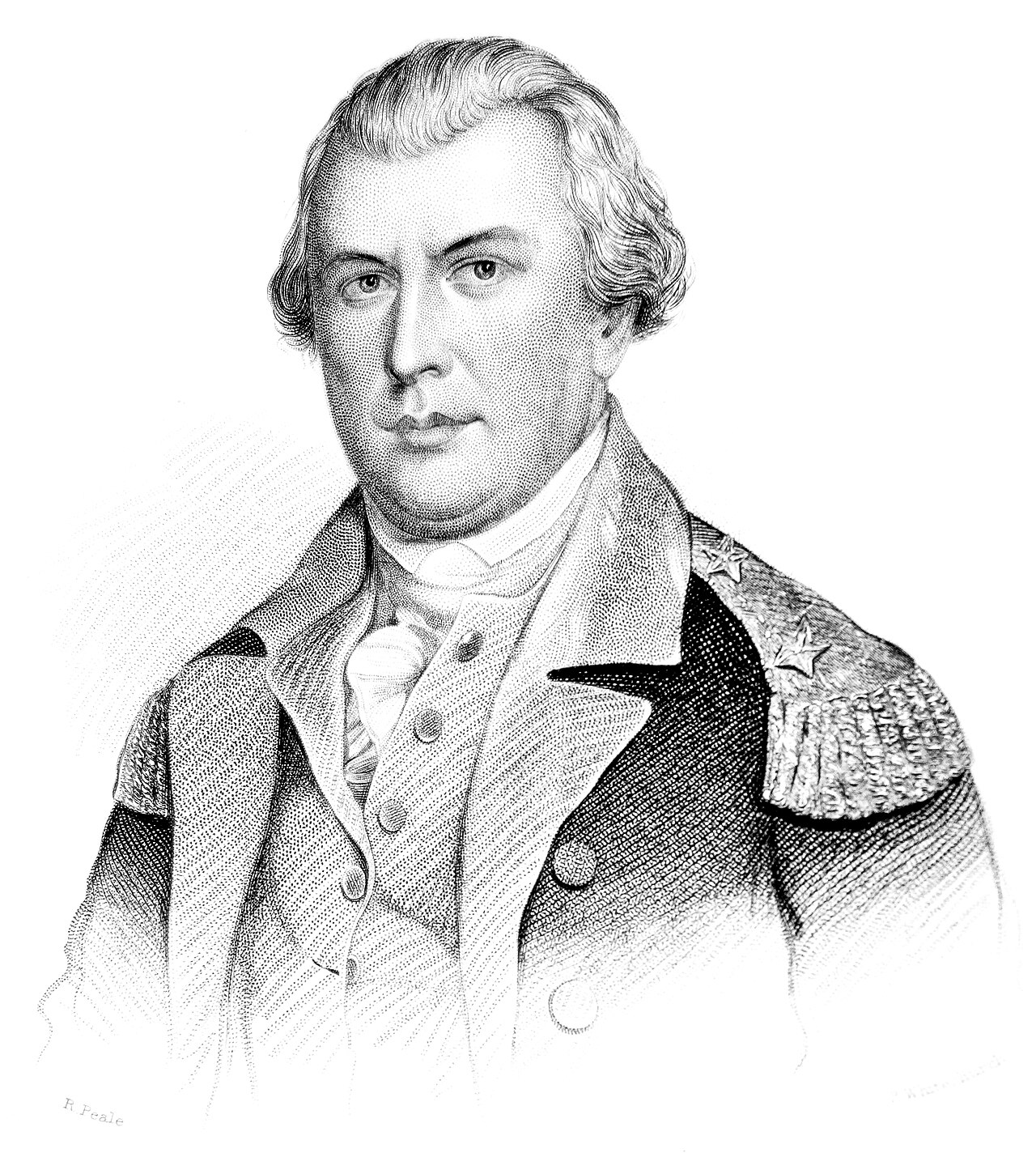 Artifact
Secondary source
1881
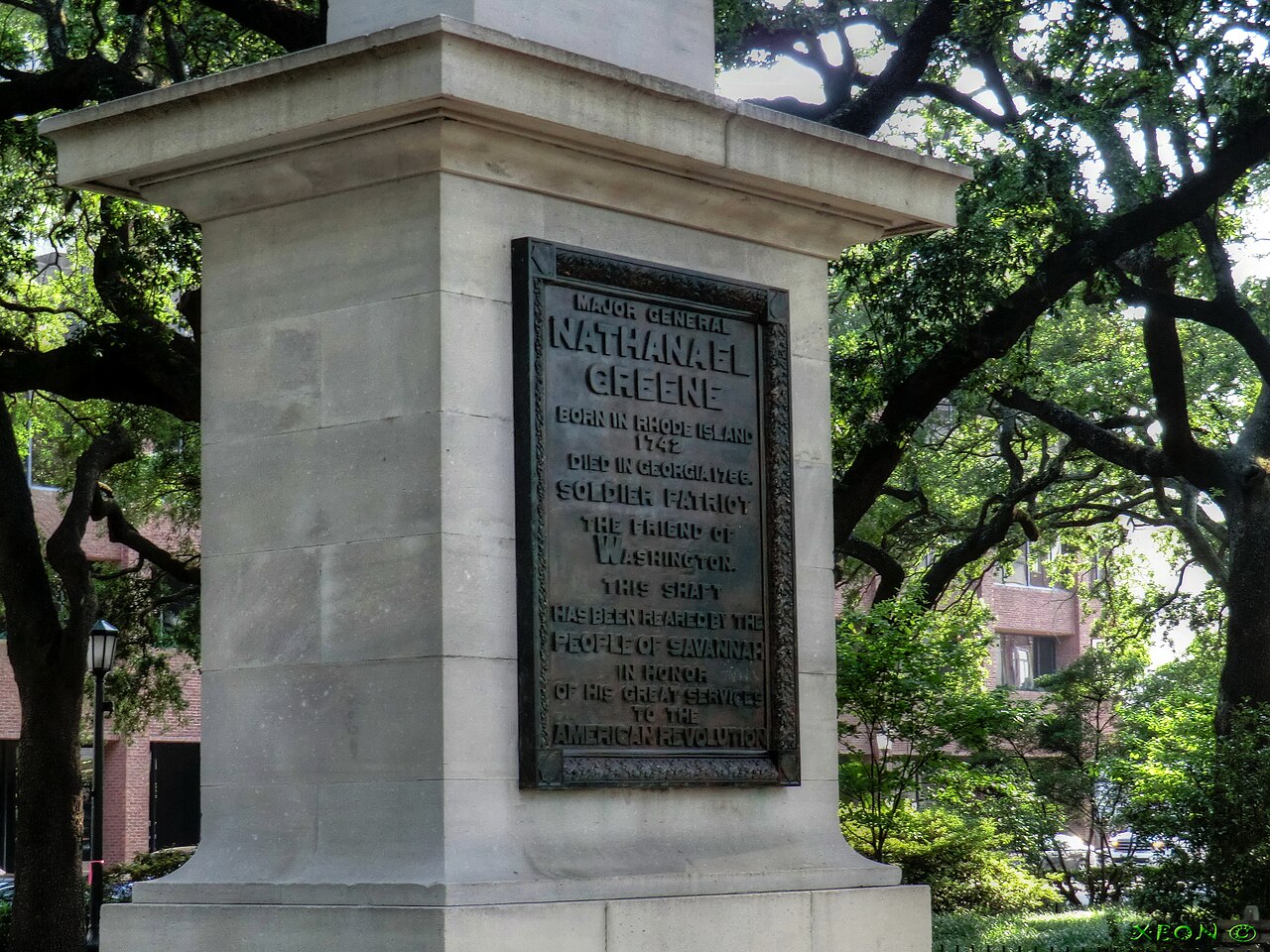 Photograph
Secondary source
---=XEON=--- · 13 June 2013
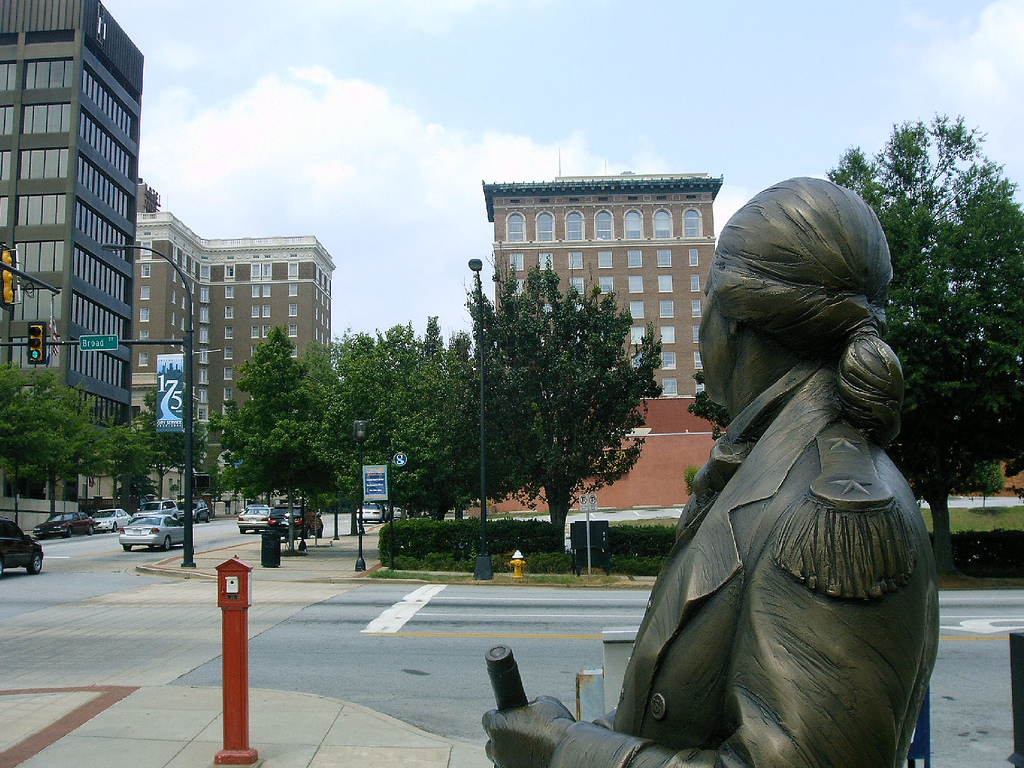 Photograph
Secondary source
JAG from Greenville, SC, USA · 6 August 2006
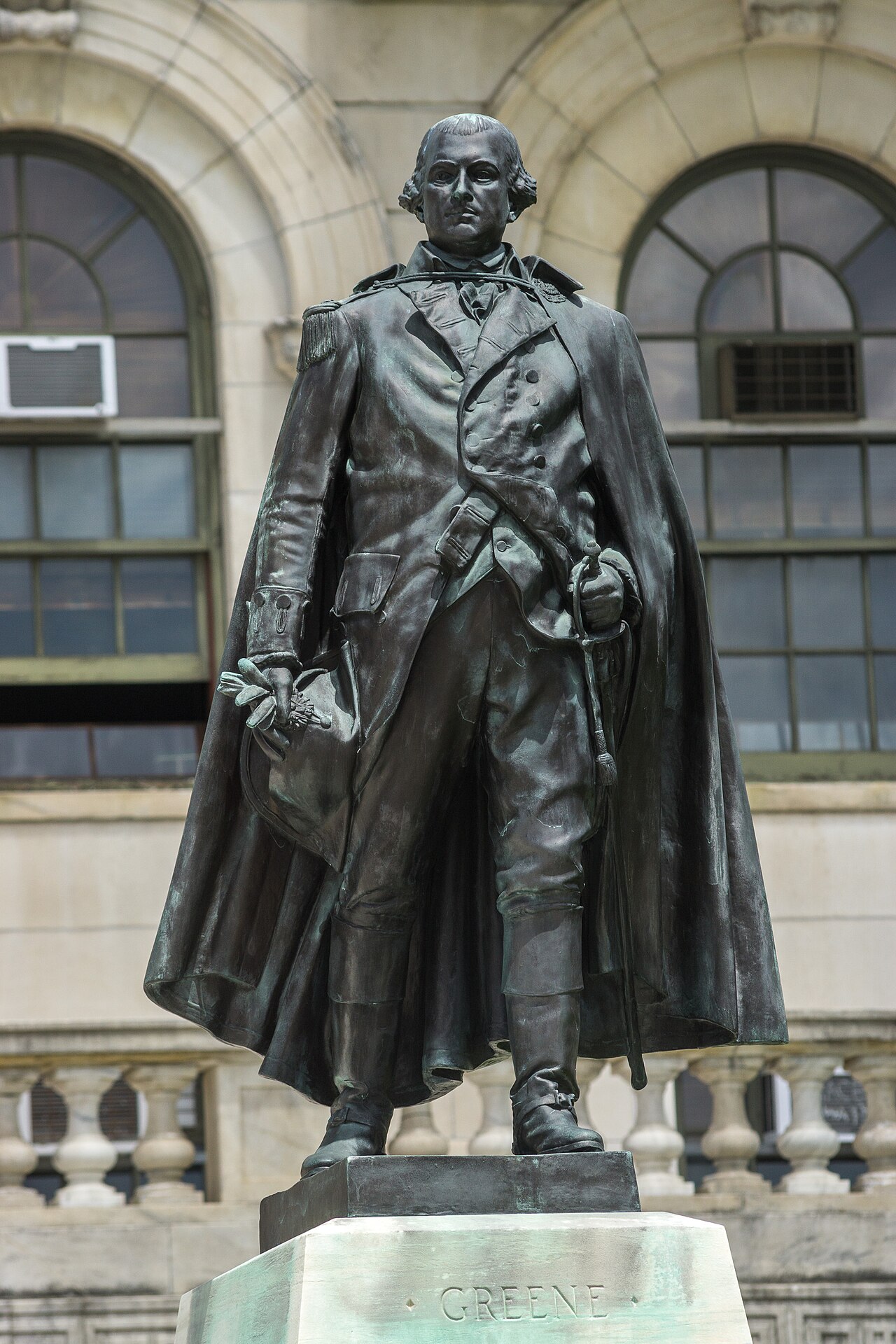 Sculpture
Secondary source
Henri Schönhardt · 1931
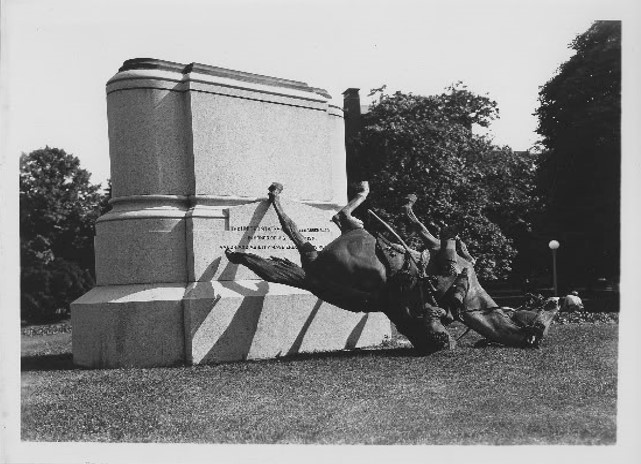 Sculpture
Secondary source
1930
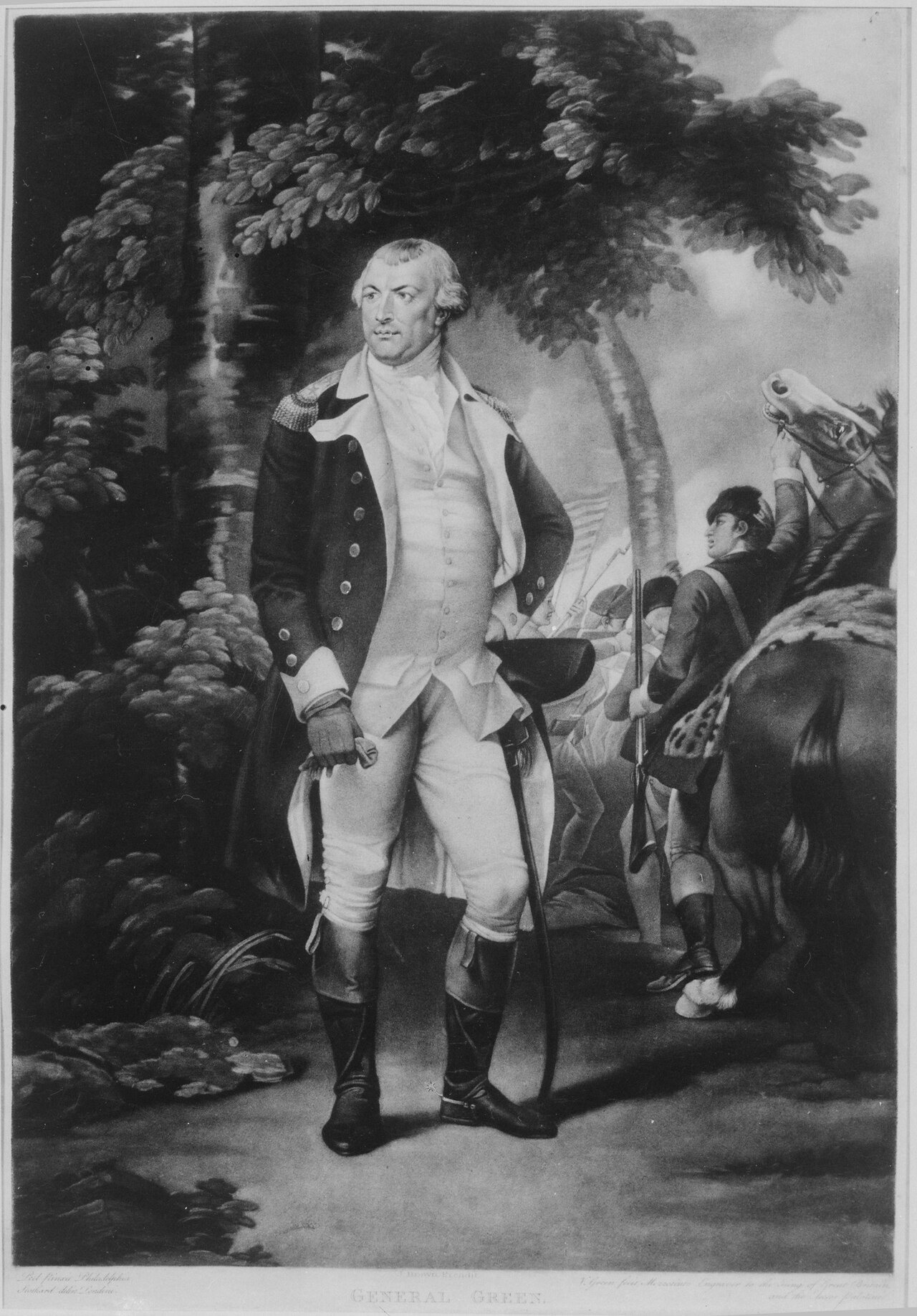 Painting
Secondary source
J. Brown · between 1931 and 1932
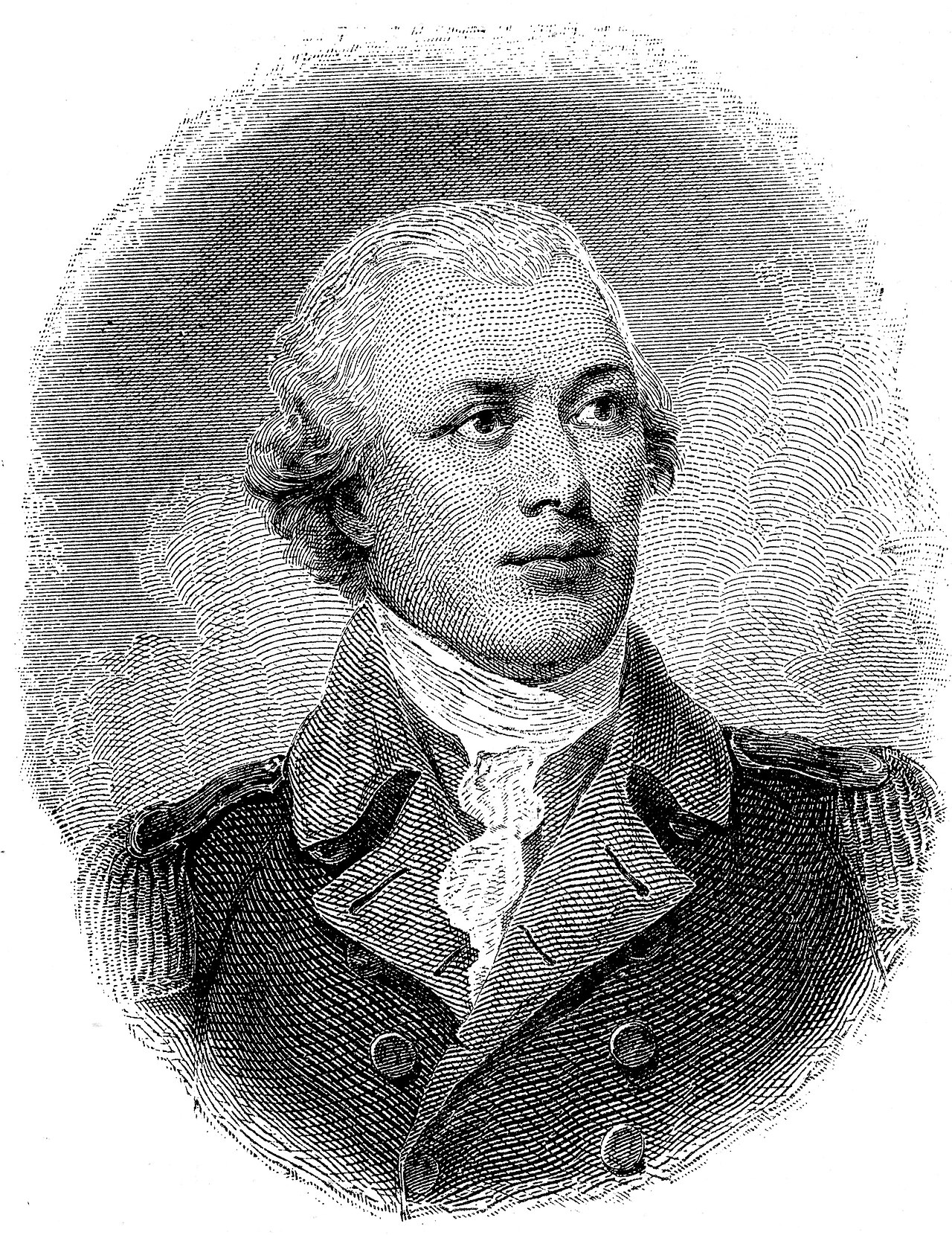 Painting
Secondary source
1886
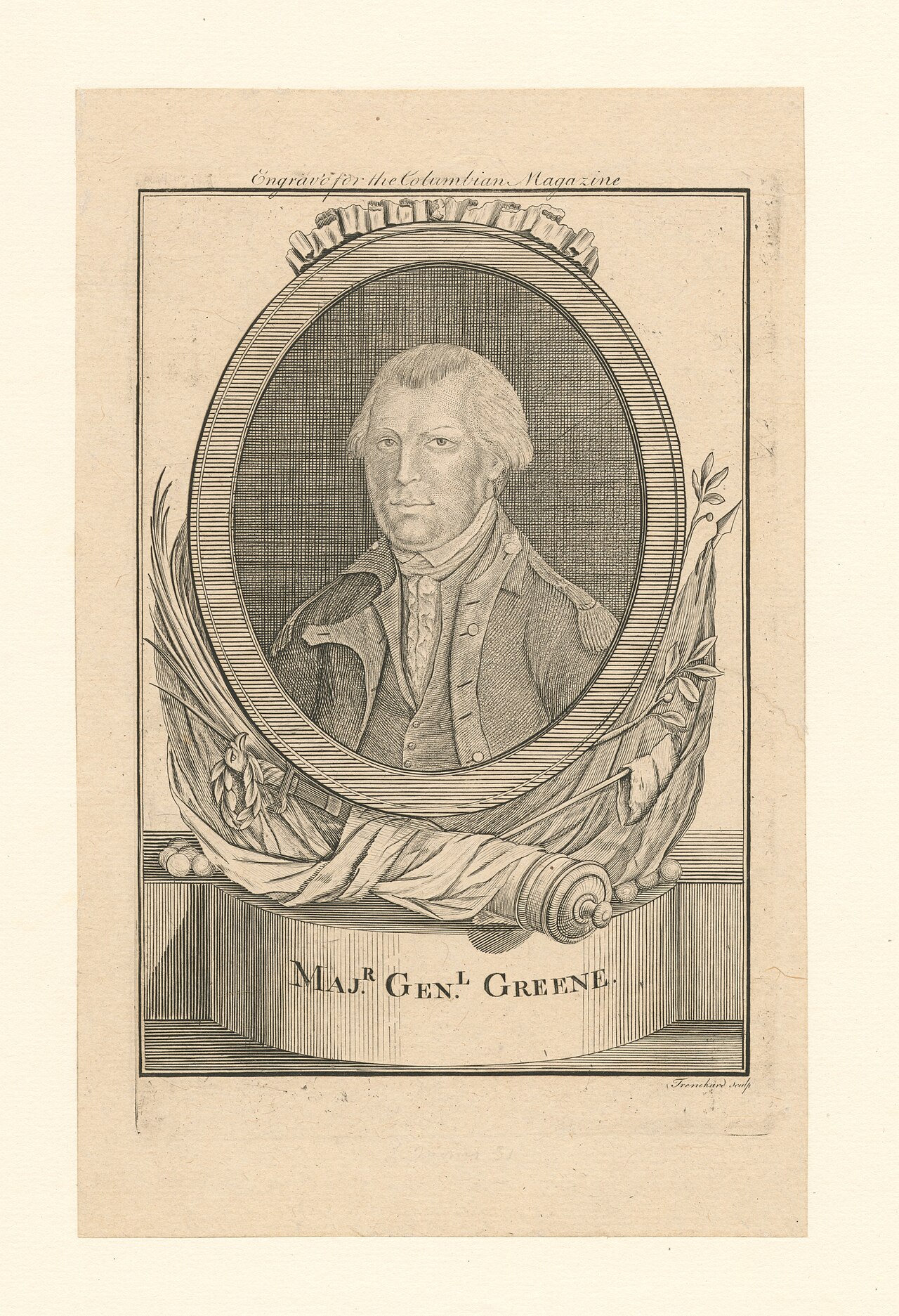 Painting
Secondary source
1790
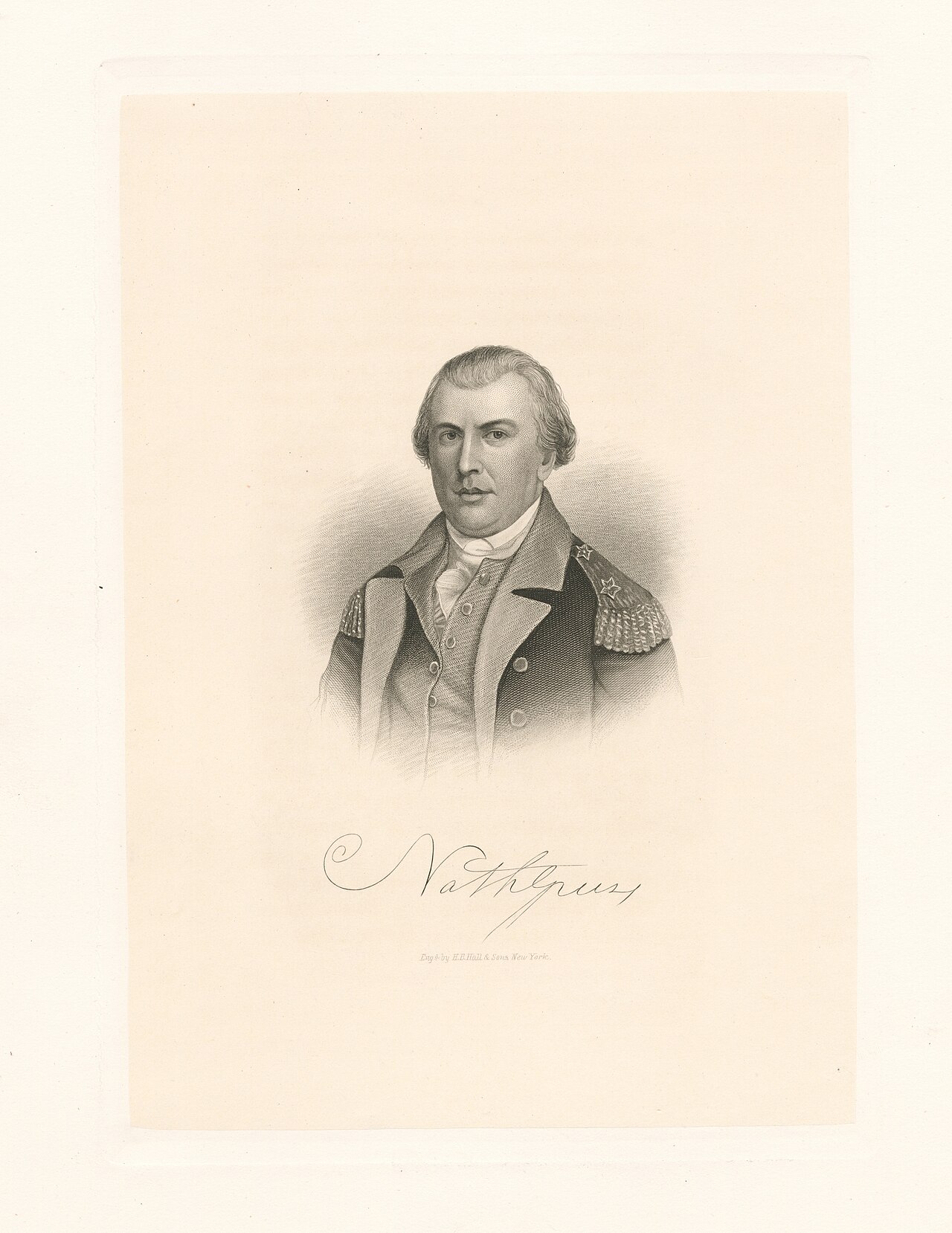 Painting
Secondary source
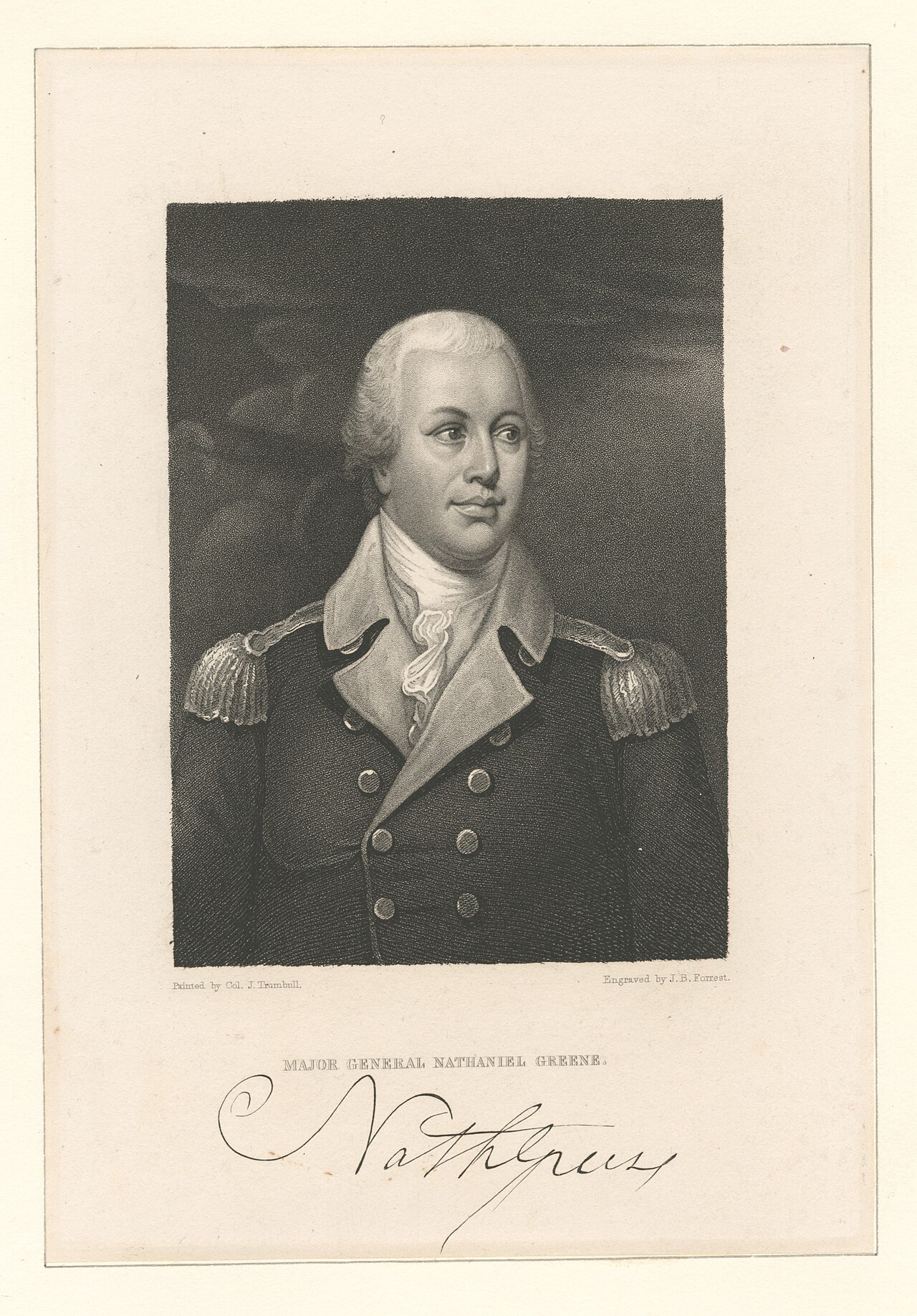 Painting
Secondary source
J. B. Forrest
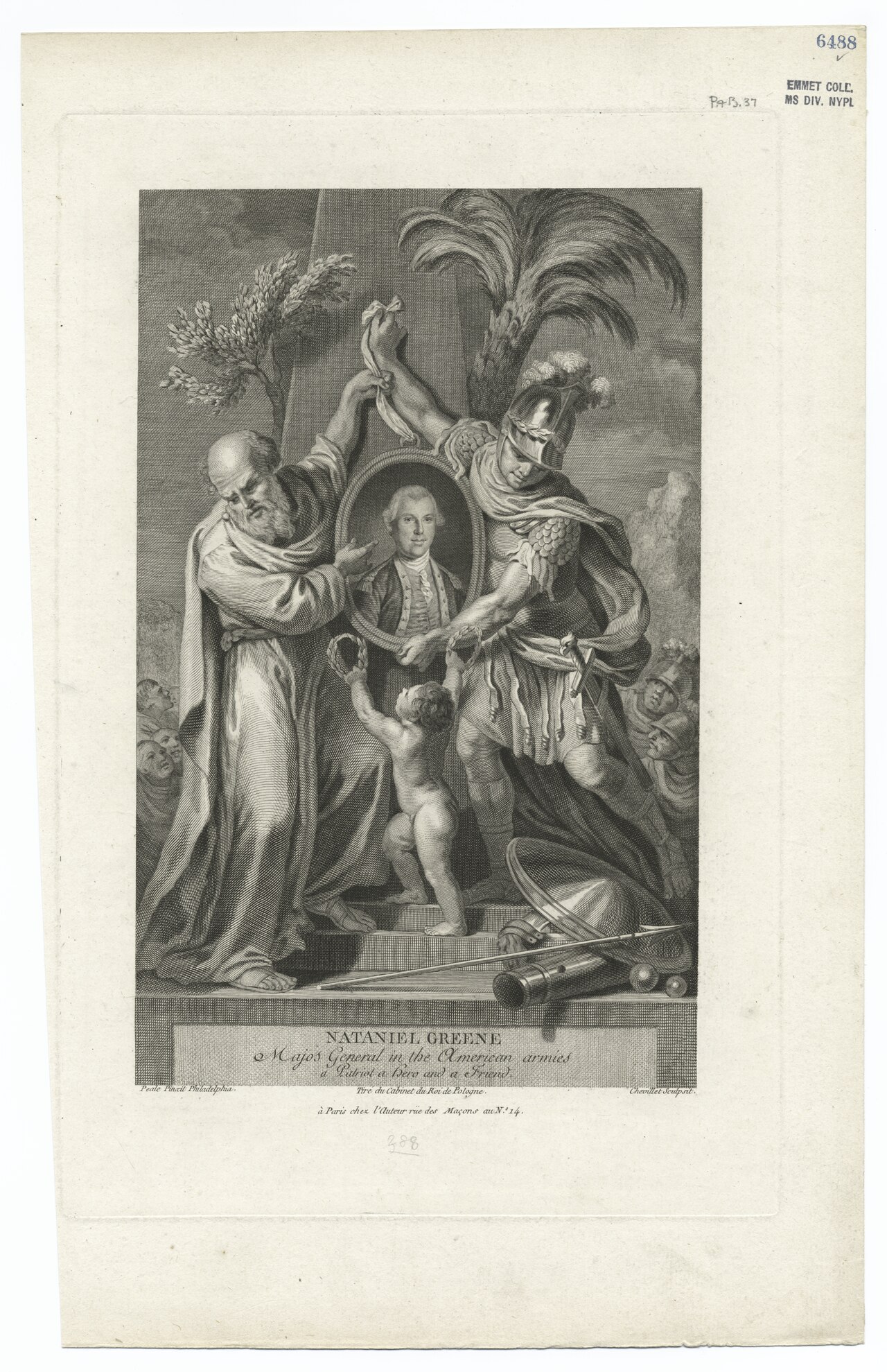 Painting
Secondary source
Chevillet (engraver, per caption)
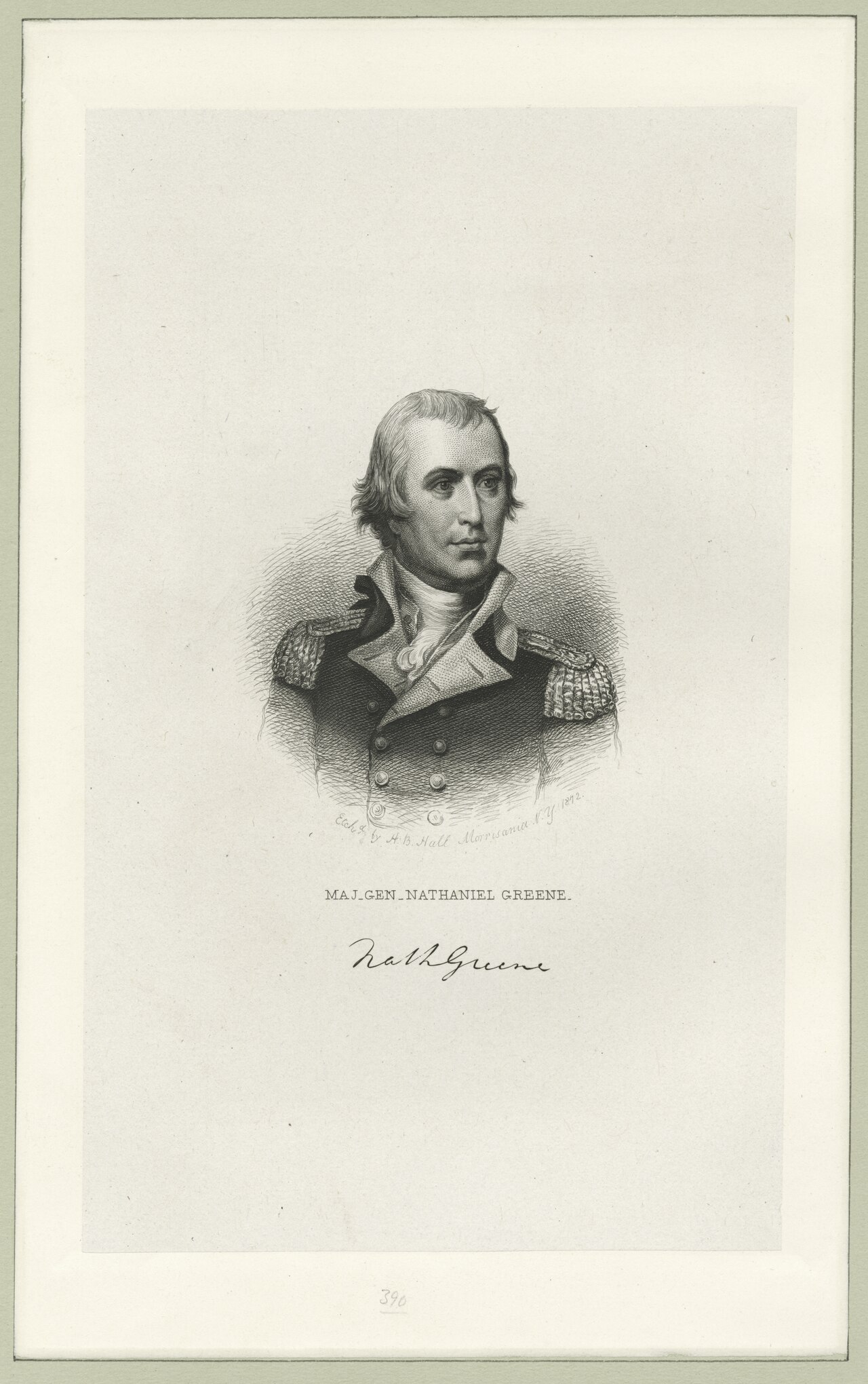 Painting
Secondary source
H.B. Hall · 1872
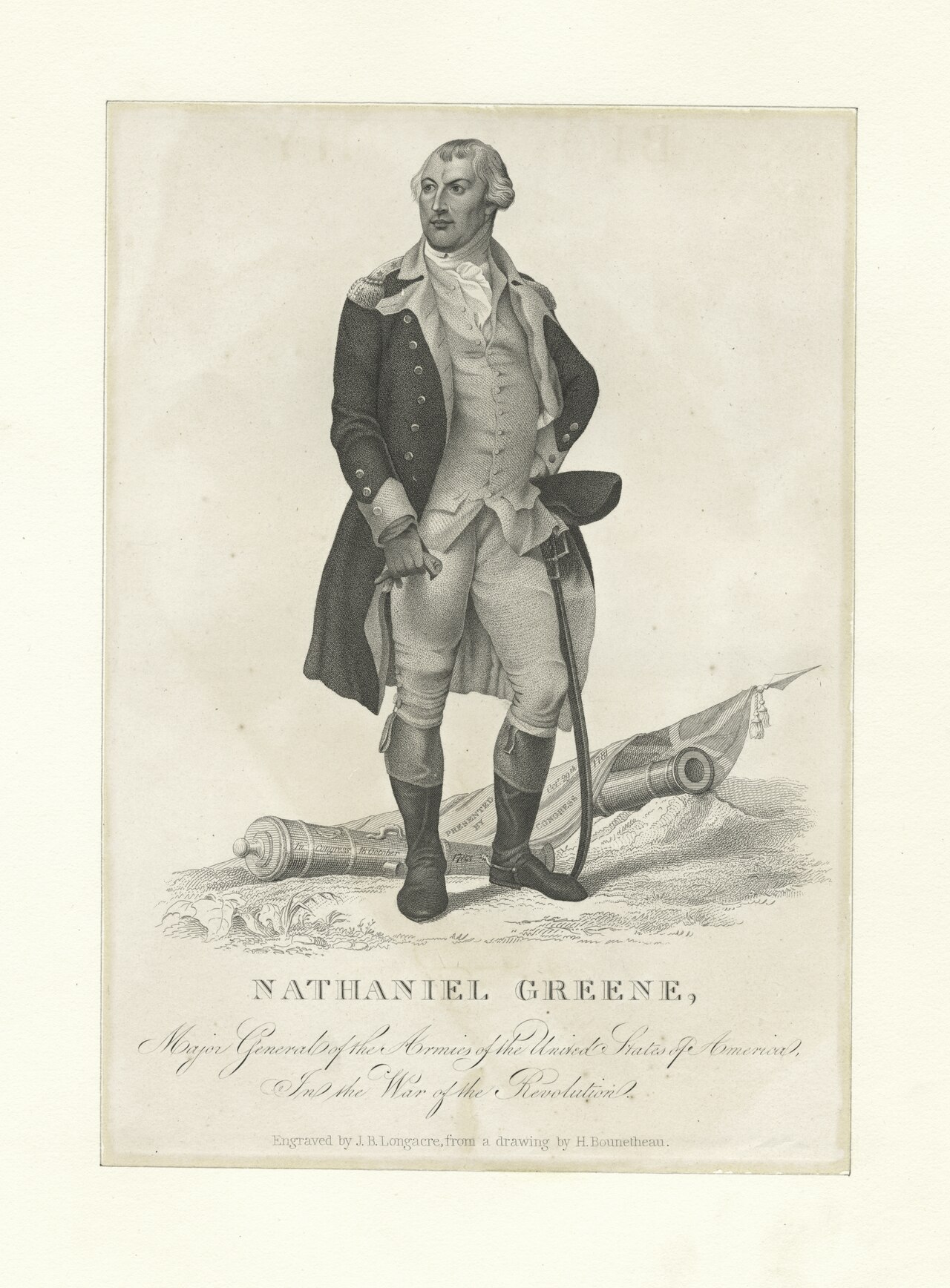 Painting
Secondary source
J.B. Longacre (engraver), after H. Bounetheau (drawing)
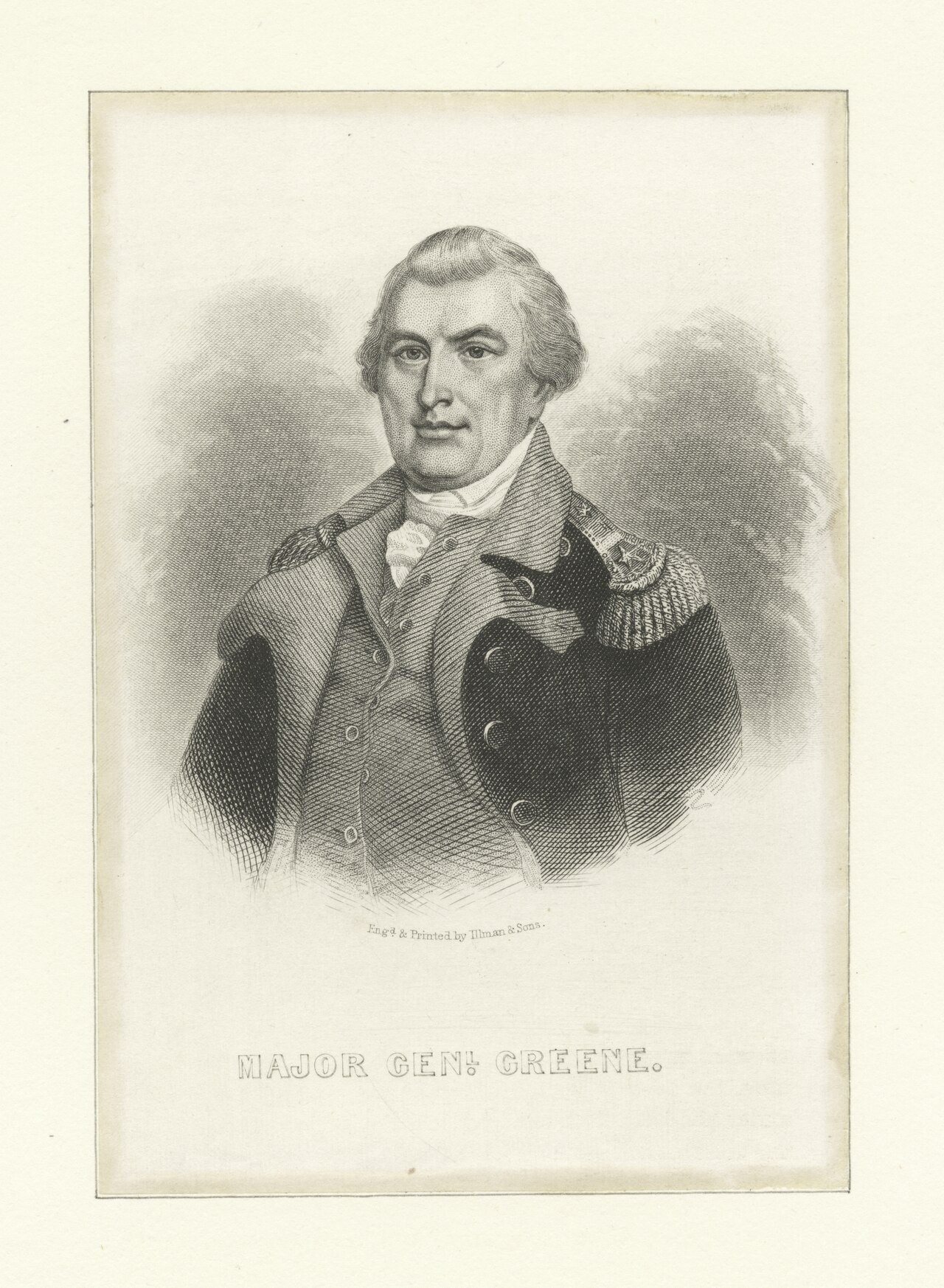 Painting
Secondary source
Illman & Sons
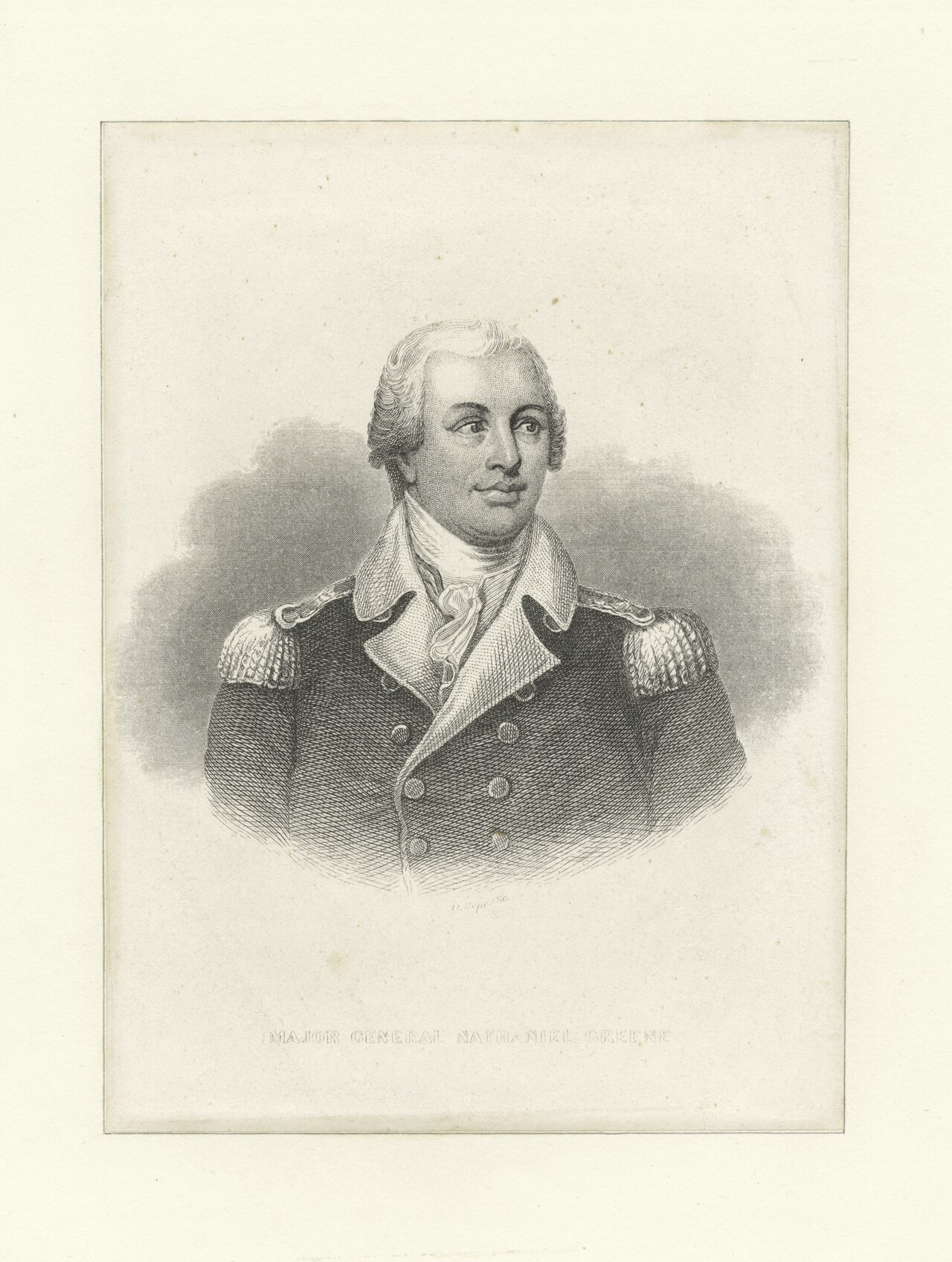 Painting
Secondary source
John Trumbull (after) · 1783-ca. 1870
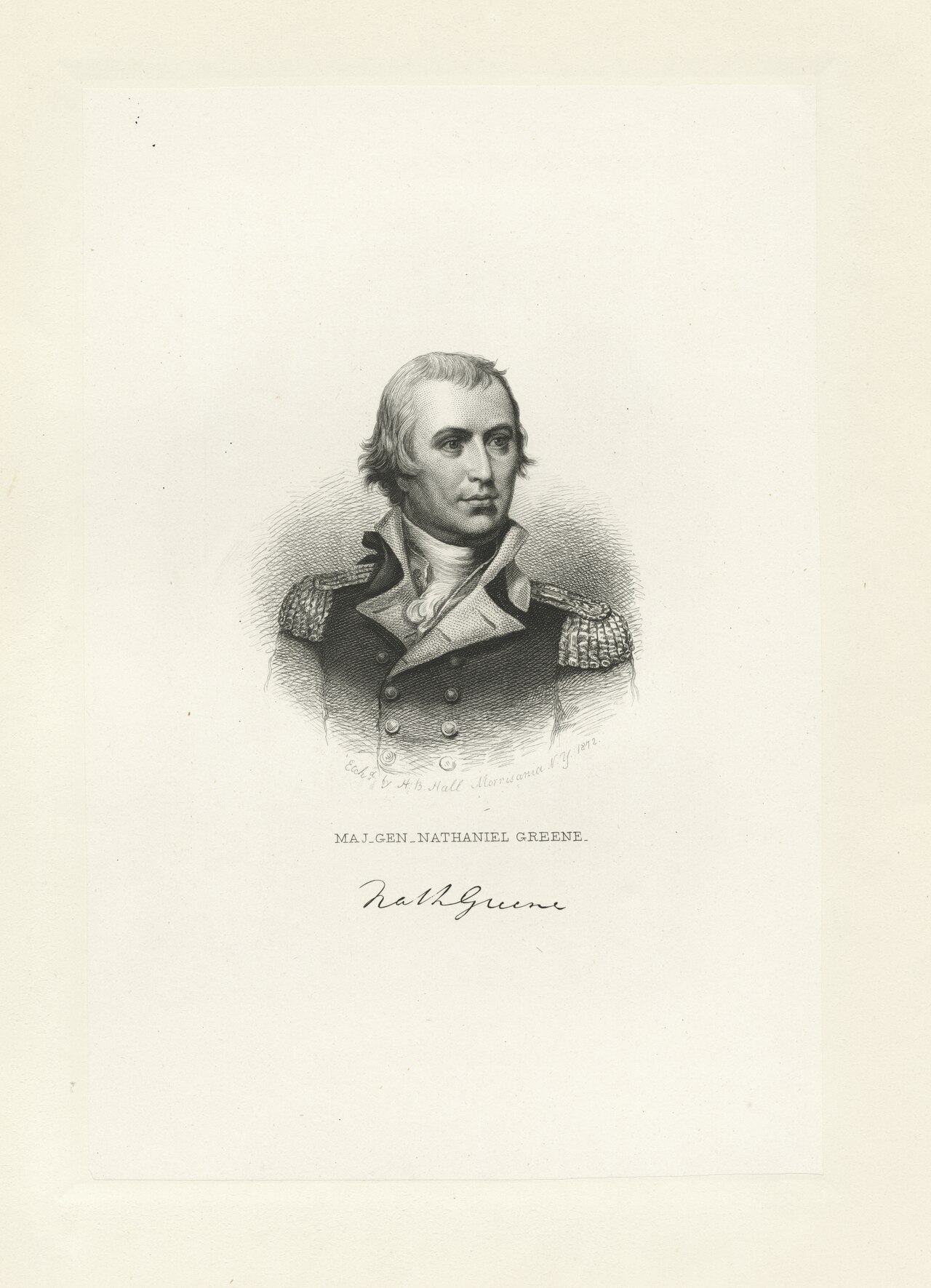 Painting
Secondary source
H.B. Hall (after Francesco Bartolozzi) · between circa 1780 and circa 1880
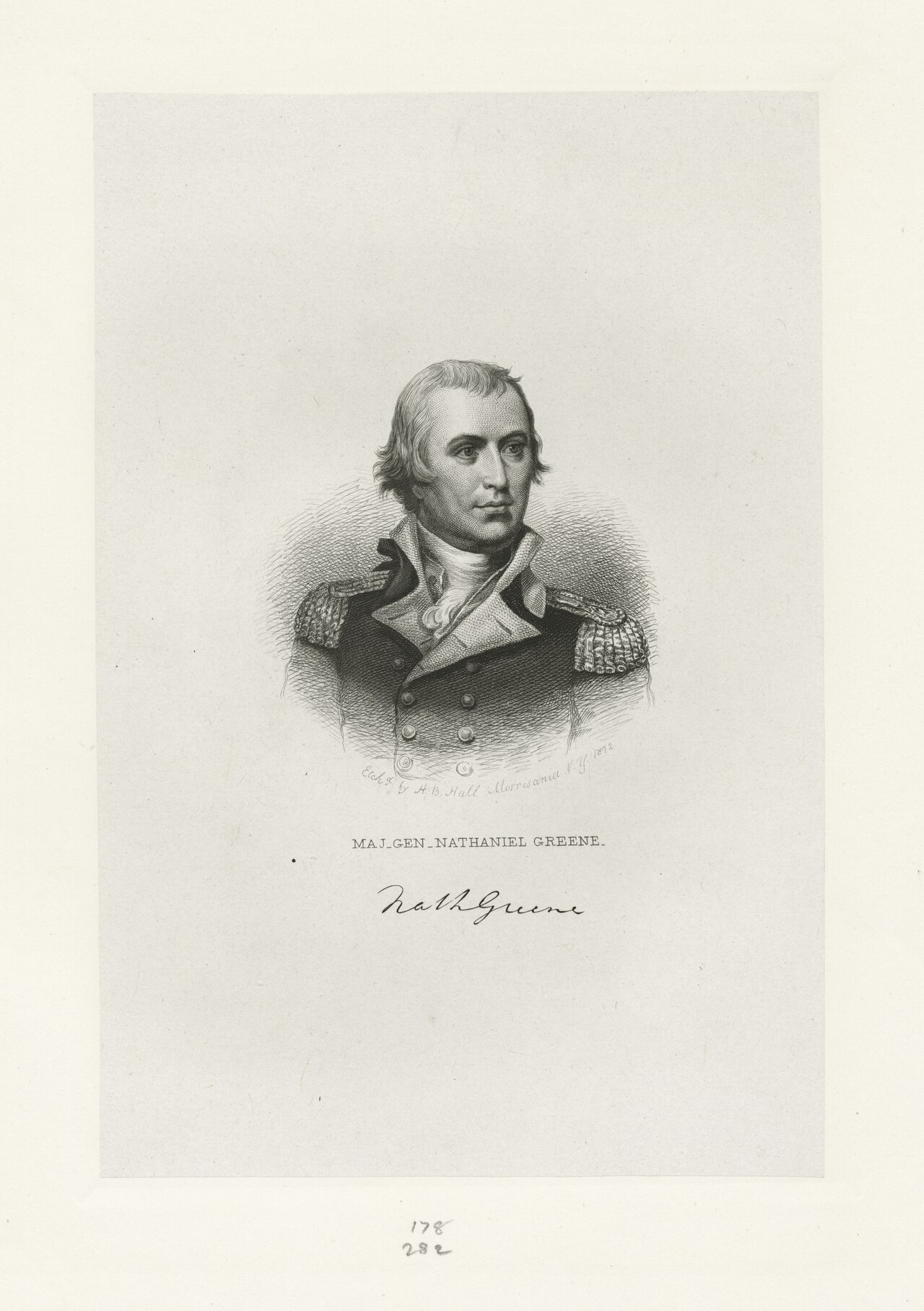 Painting
Secondary source
Several printmakers, including Henry Bryan Hall
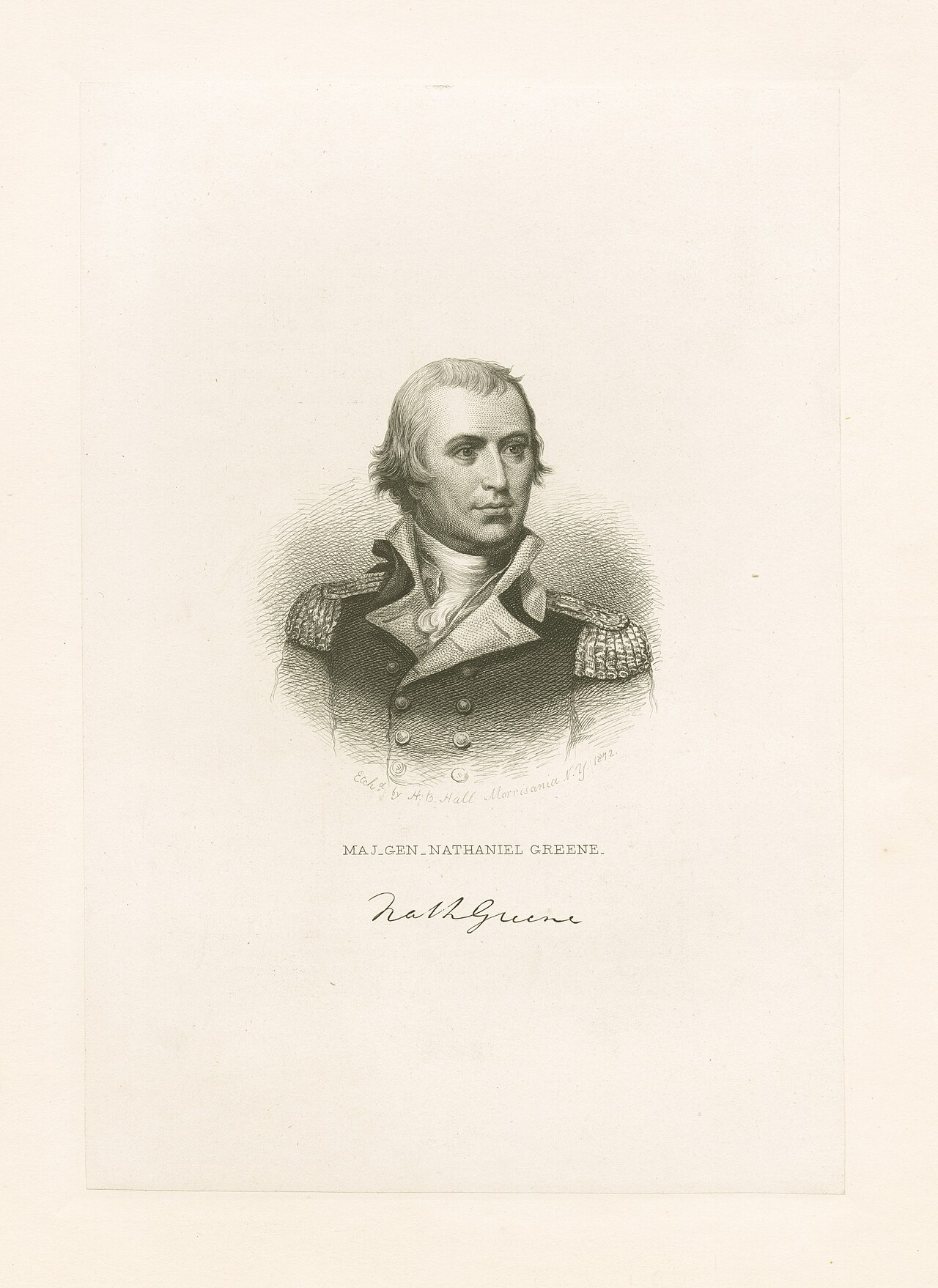 Painting
Secondary source
Henry Bryan Hall · 1862
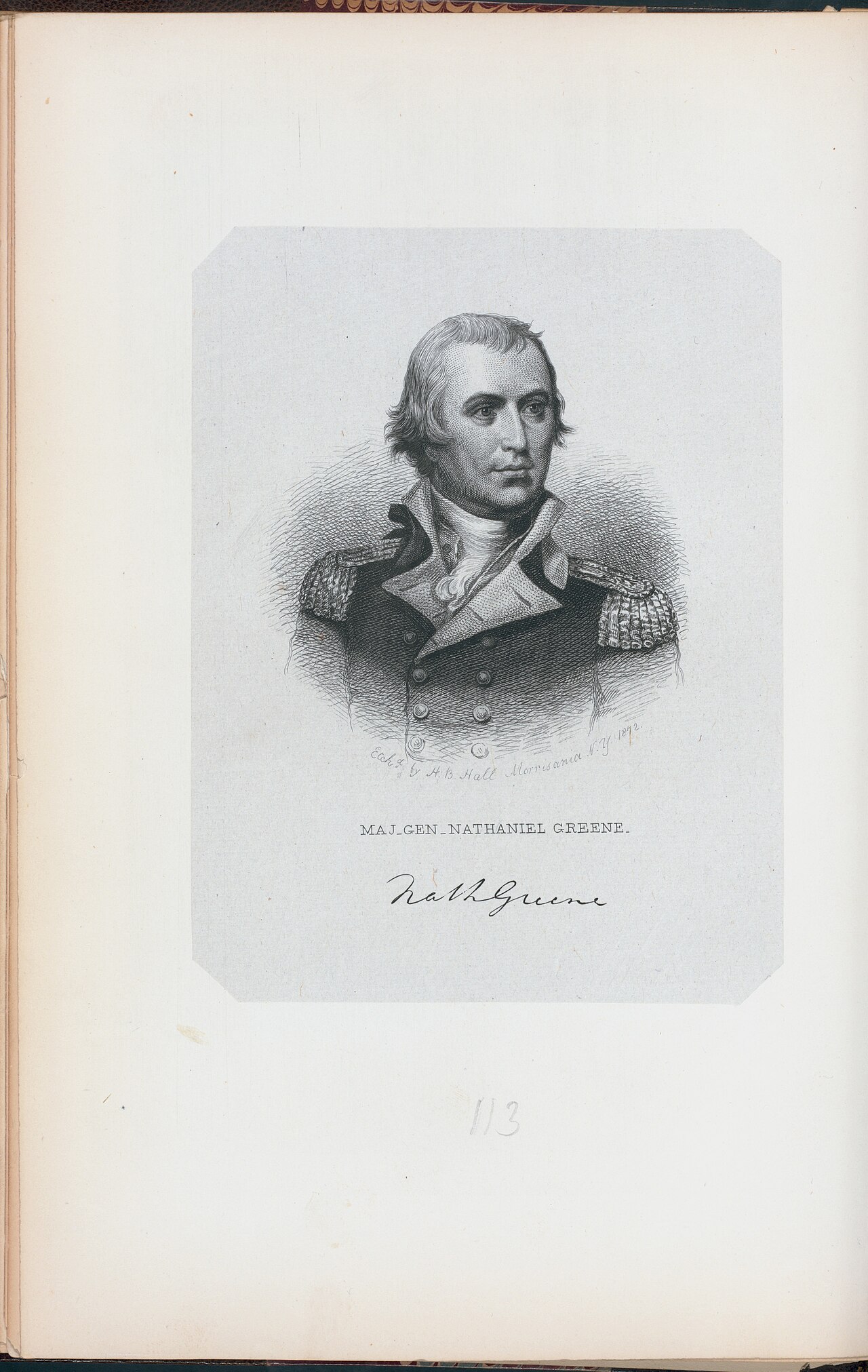 Book
Secondary source
1872
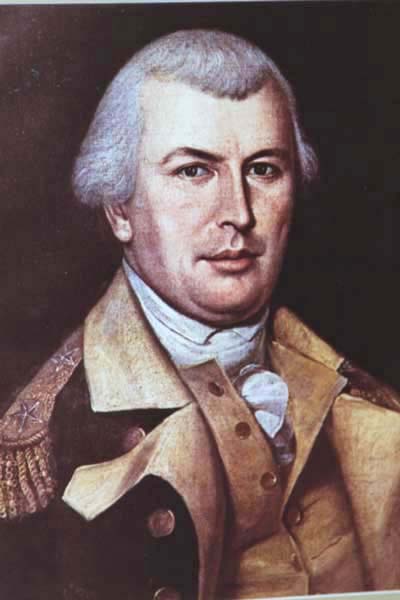 Painting
Secondary source
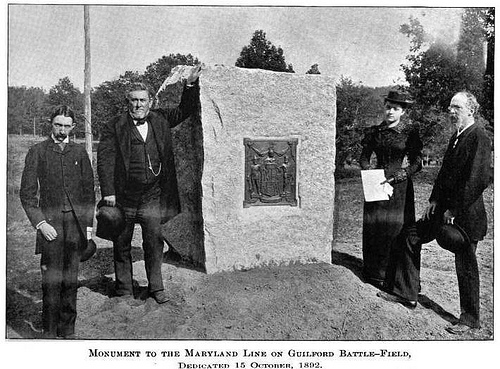 Photograph
Secondary source
1892
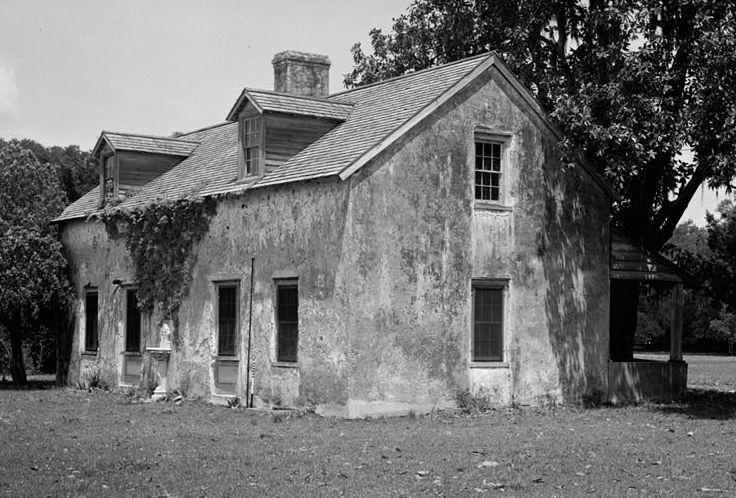 Photograph
Secondary source
Philip E. Gardner · 1958-04
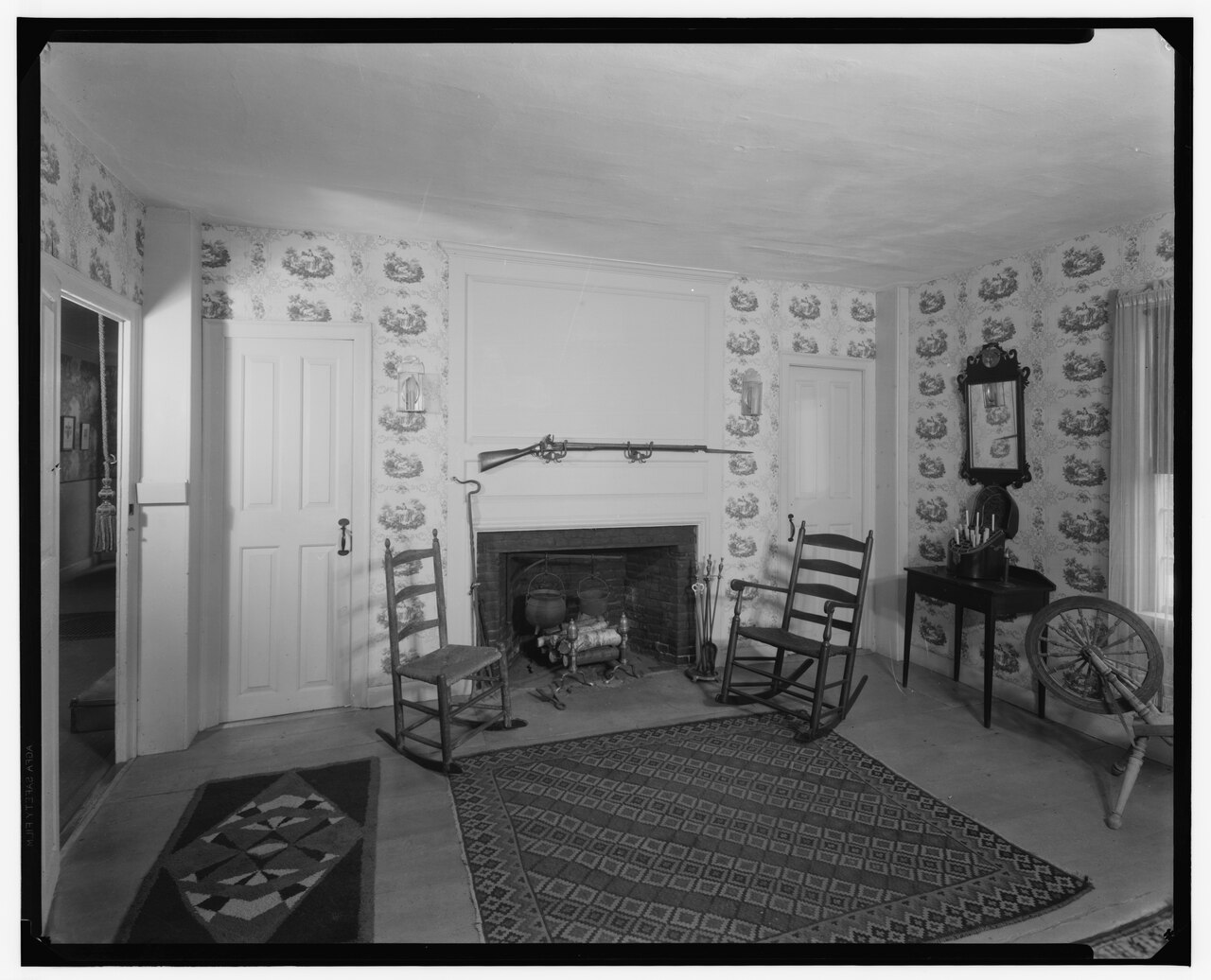 Photograph
Secondary source
Documentation compiled after 1933
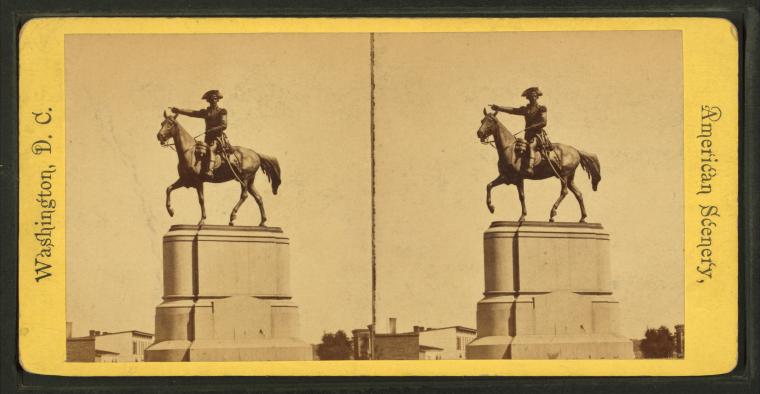 Photograph
Secondary source
c. 1859-1905
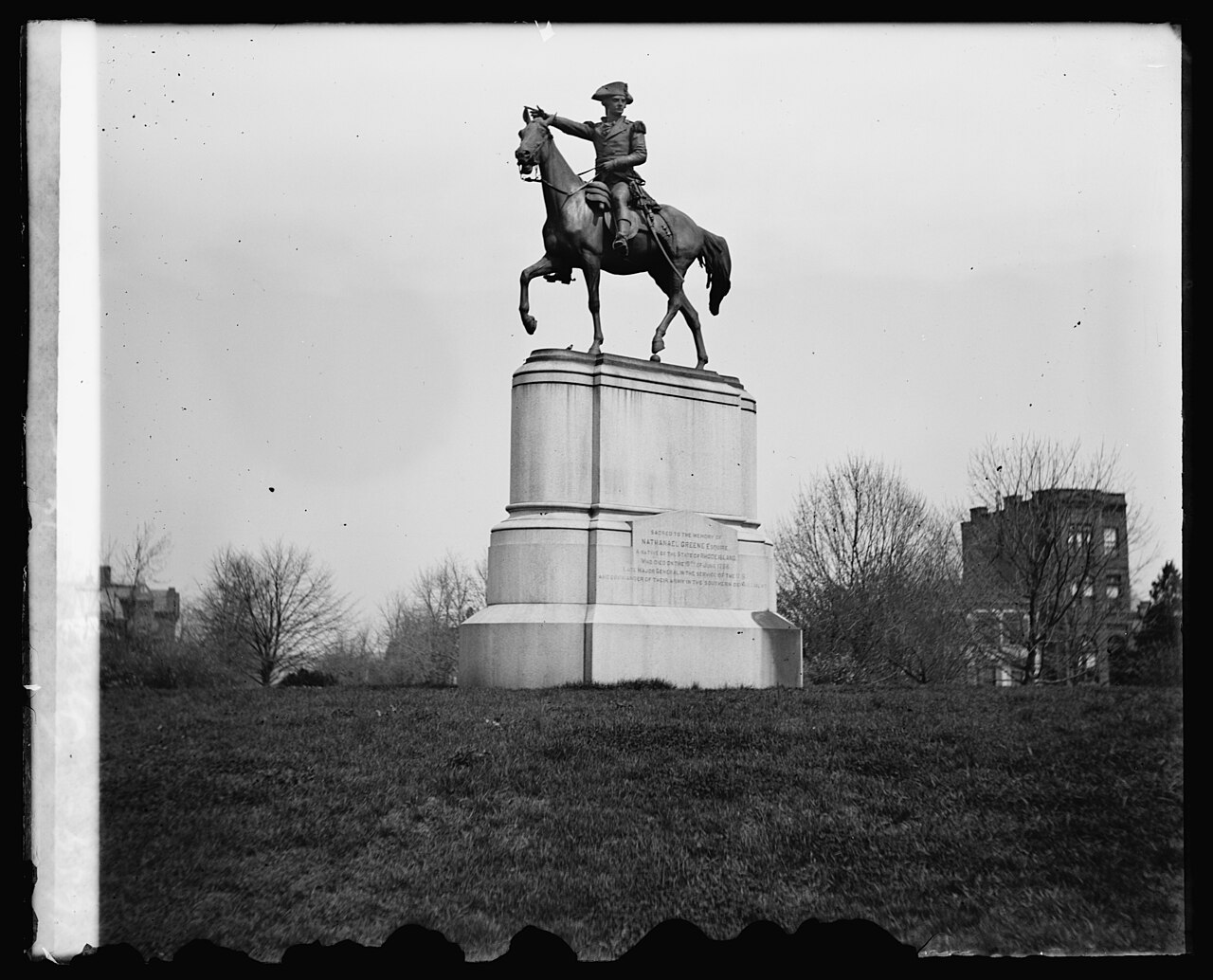 Photograph
Secondary source
Between 1918 and 1920
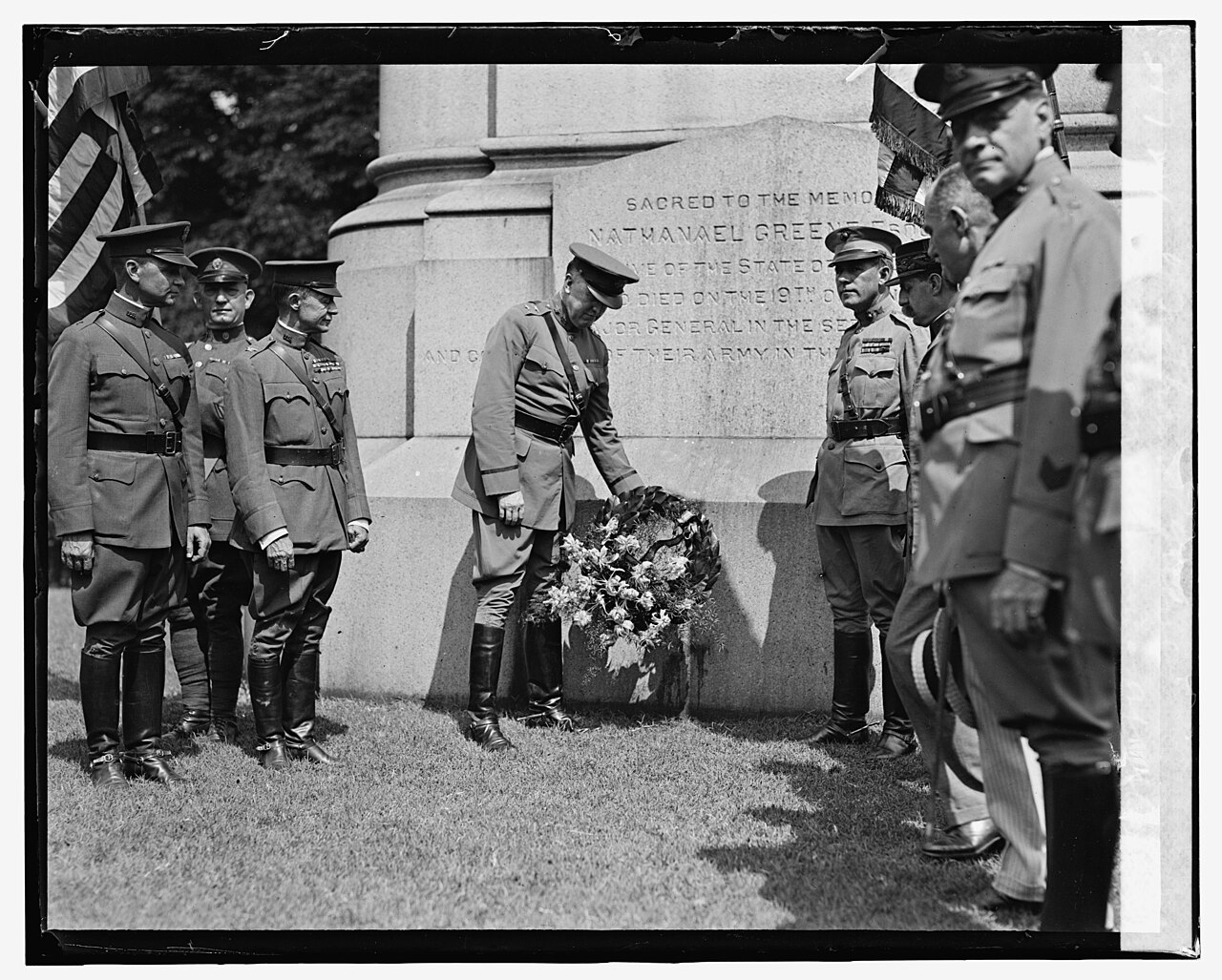 Photograph
Secondary source
National Photo Company · 7 August 1924
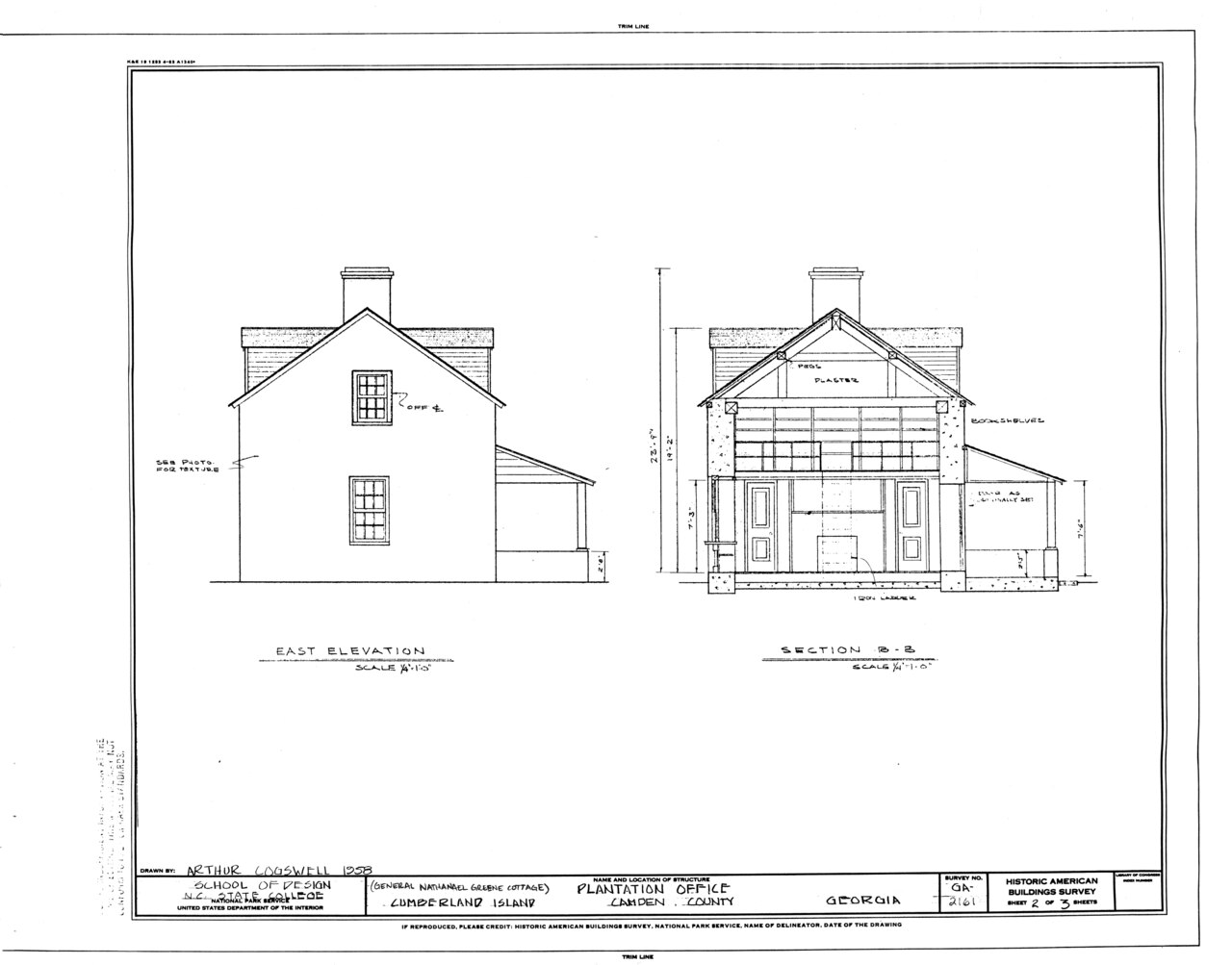 Document
Secondary source
Documentation compiled after 1933
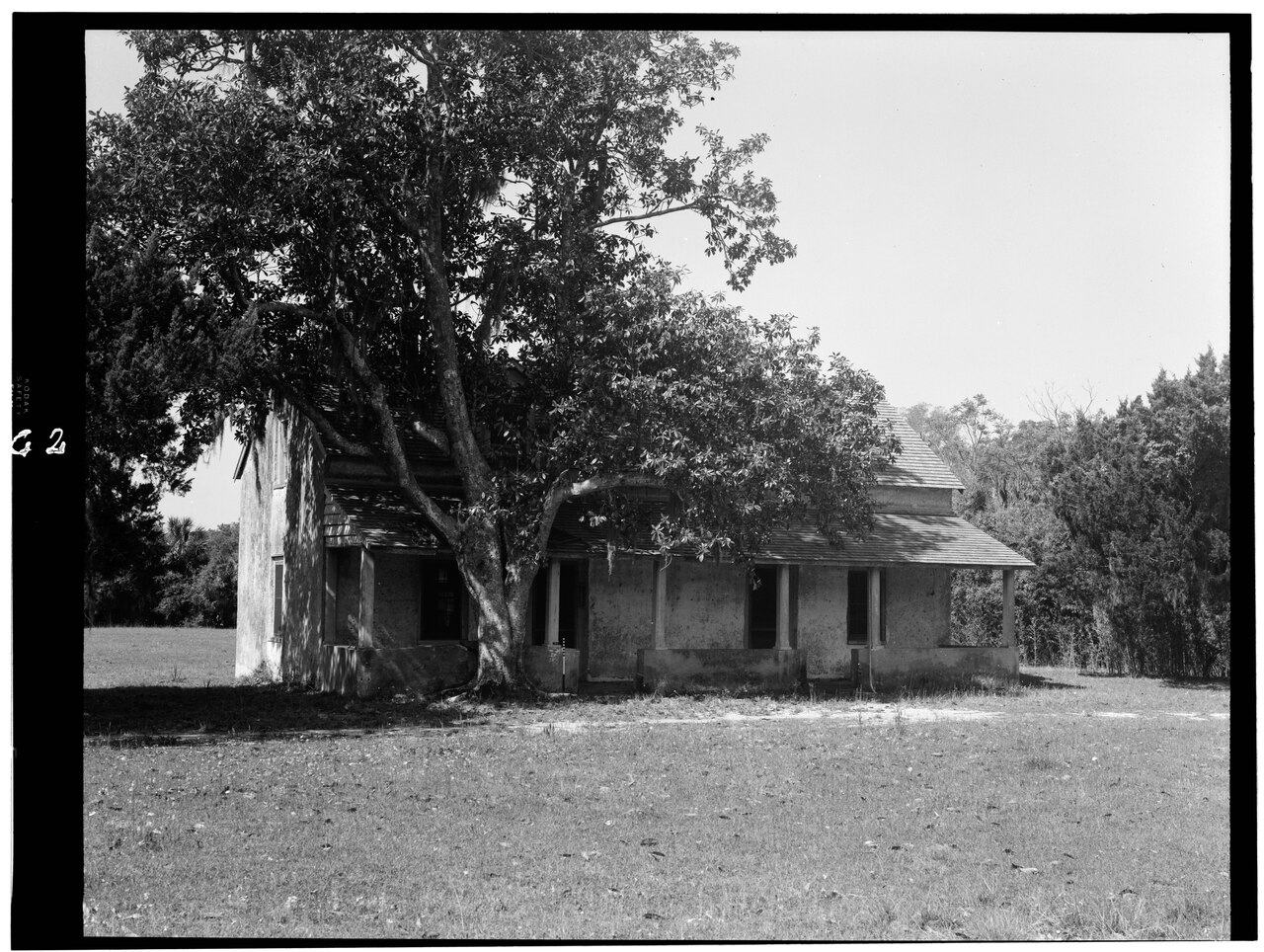 Photograph
Secondary source
1958
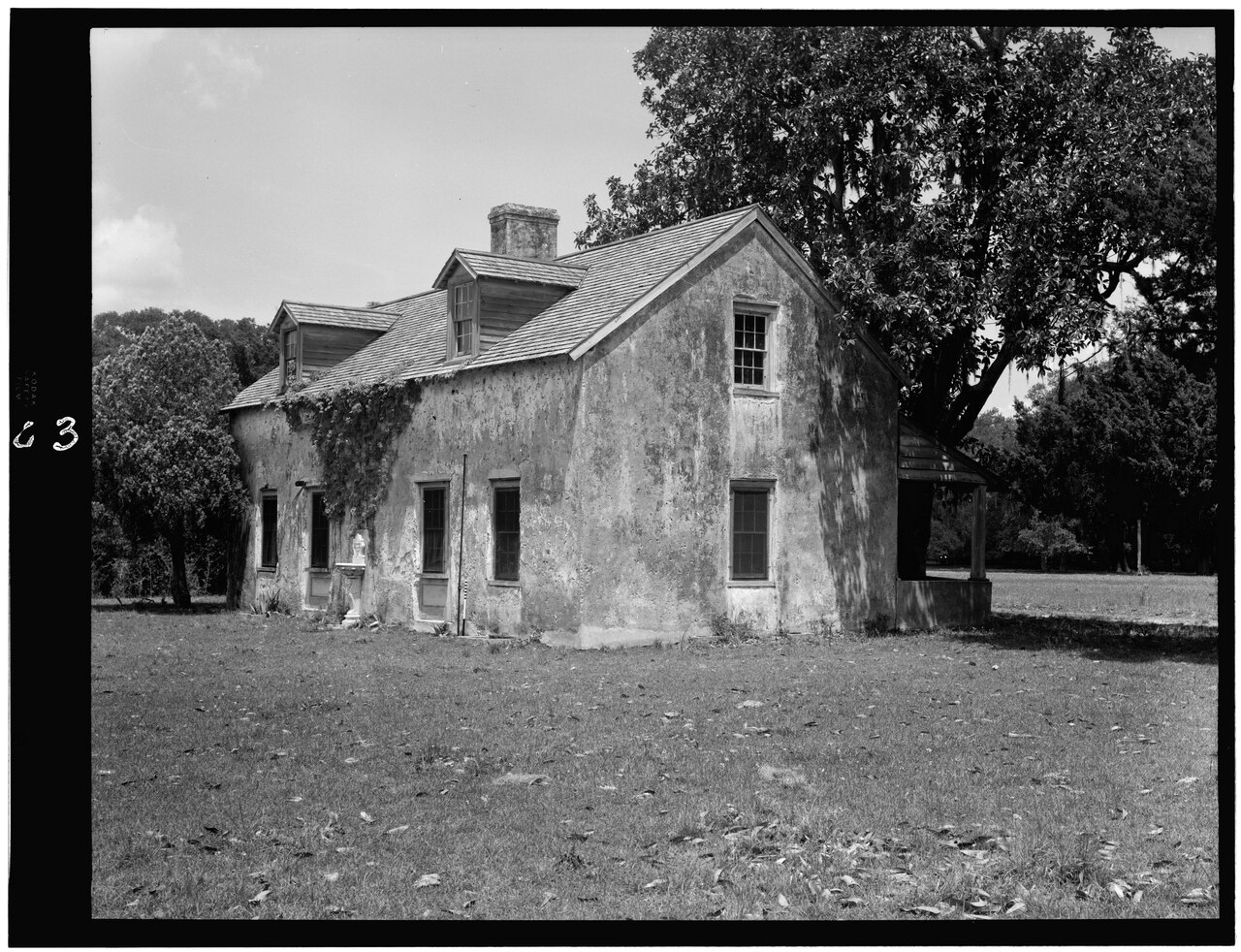 Photograph
Secondary source
1958
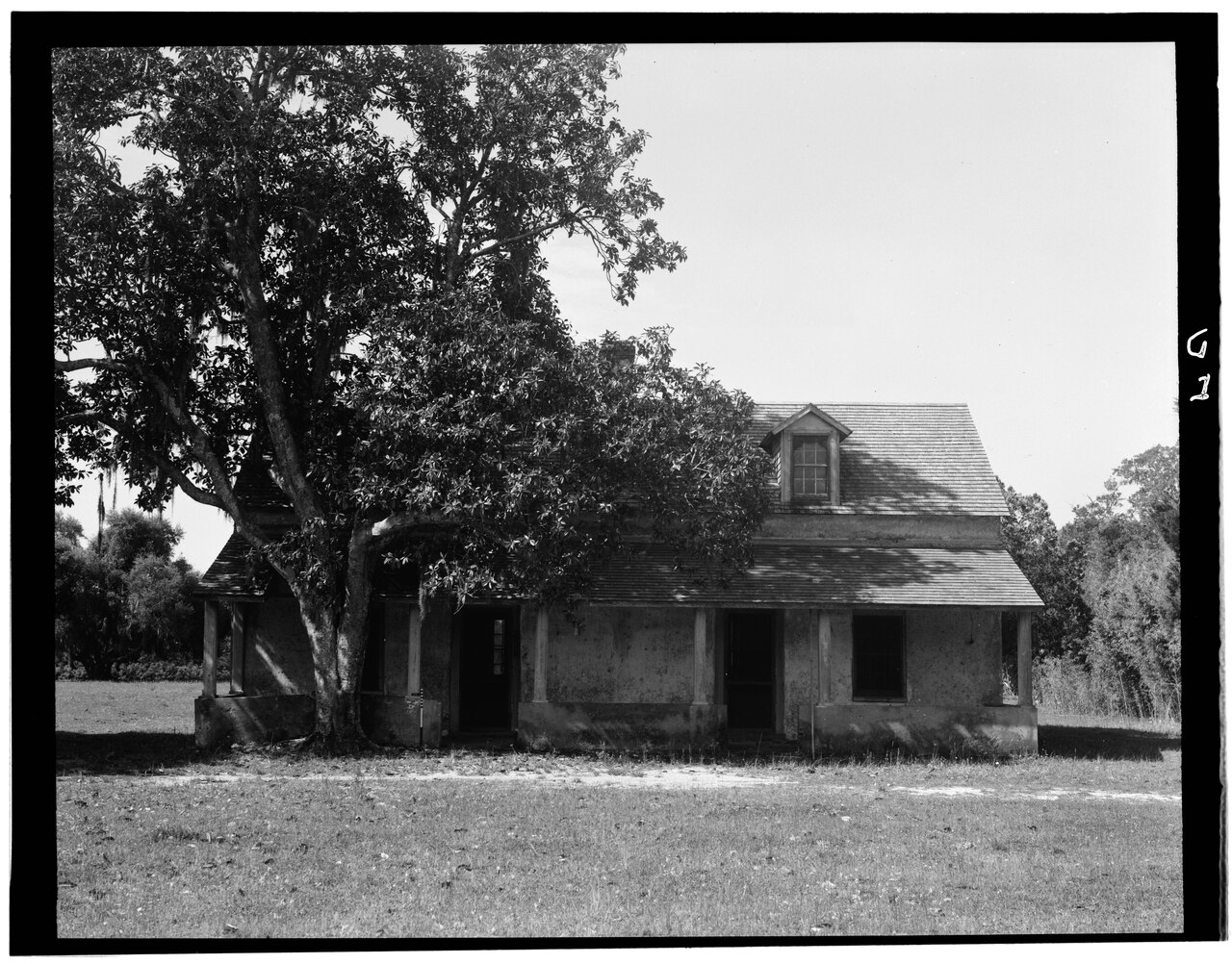 Photograph
Secondary source
1958
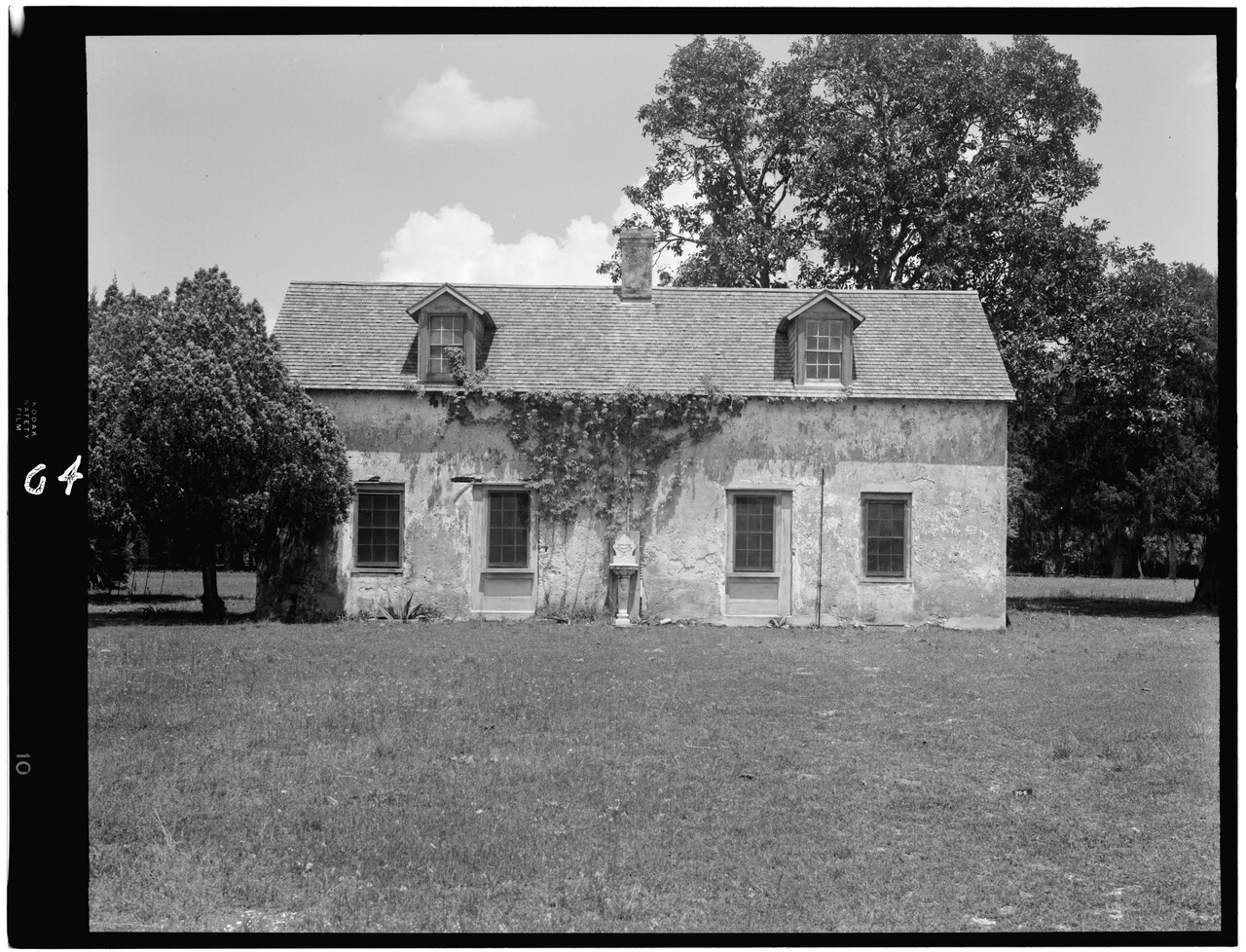 Photograph
Secondary source
1958
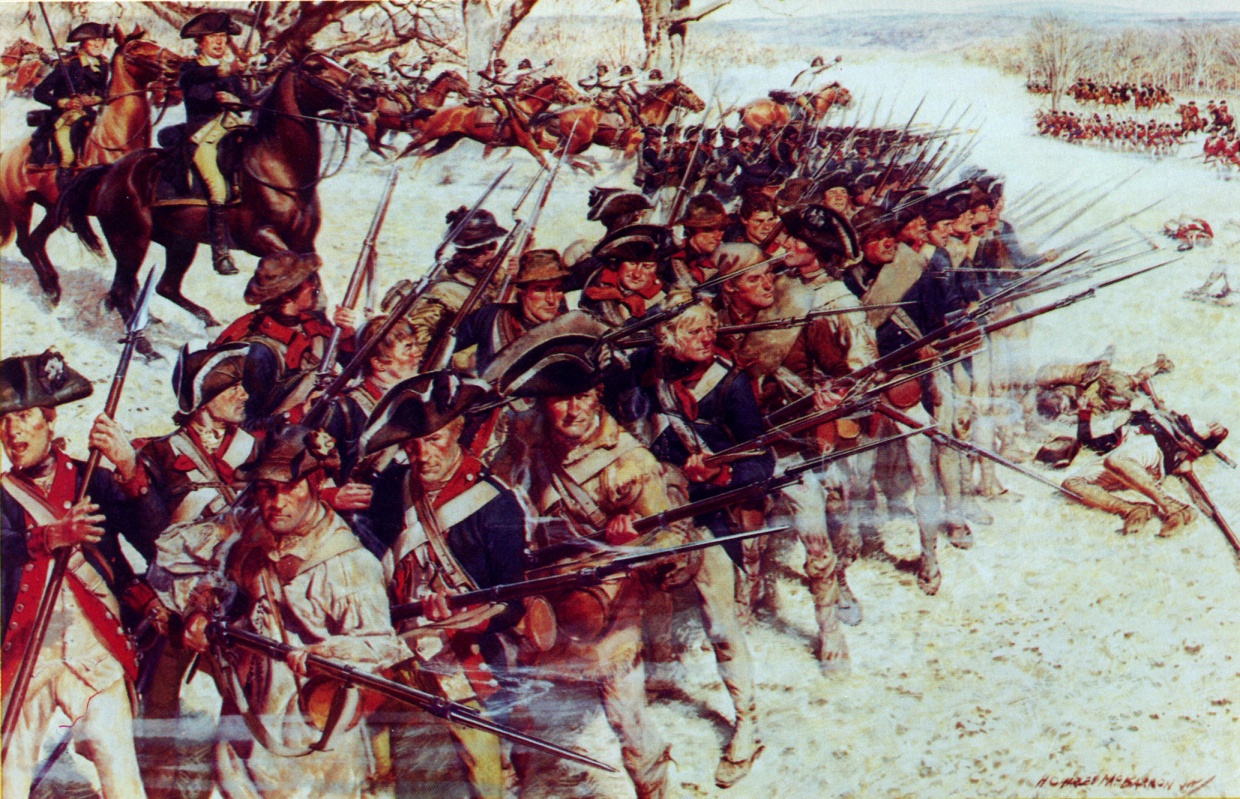 Painting
Secondary source
H. Charles McBarron, Jr. · 1781-03-15
Want the full shelf? Chat with Nathanael Greene in the app and open the Sources panel — every quote links back to the original.
2 collections
Ready-made collections from the Humy team that feature Nathanael Greene. Preview any of them, then try it free.
Paying customers



























Dr. Michael Calvert
Assistant Superintendent, South Allegheny School District, Pennsylvania
Been using Humy in his district since 2024
“We enjoyed the program last year and used it frequently.”

Jacob Chisom
World and American History, Monticello High School, Arkansas
Been using Humy in his classroom since 2024
“My students say it’s a welcome change of pace. I’m not a fan of the “sage on the stage” model, so I try to incorporate research-oriented and self-paced activities. With Humy, students have to take charge of their learning. They’ve become more adept at critical thinking, forming better questions, and improving their reading comprehension. The interview feature has been my go-to tool. I create assignments where students must ask historical figures a set number of questions, then summarize the responses to ensure they’re truly absorbing the material. This approach lets them actively explore the past rather than passively consuming information.”
Roger Campbell
7th-grade World History, Lancaster County, Pennsylvania
Been using Humy in his classroom since 2024
“Humy has helped me bring historical figures, sometimes long past, to life. When my students interact with these figures in real-time, it eliminates some of the perceived “ancient” characteristics of my curriculum. This has shifted my students’ thinking away from viewing history as abstract or irrelevant. Real-time interactions make historical figures relatable, even allowing students to ask off-topic questions that help put historical lives in a more relevant context for 13-year-olds. The feature I use the most is the interview feature. After teaching a topic, most recently Gandhi and Joan of Arc, I have the students ask pointed, focused questions. We practice good conversation techniques beforehand, teaching them to listen (or read) carefully and formulate thoughtful follow-up questions rather than just interrogating. It helps students practice effective conversation skills.”
Dr. Michael Calvert
Assistant Superintendent, South Allegheny School District, Pennsylvania
Been using Humy in his district since 2024
“We enjoyed the program last year and used it frequently.”
Jacob Chisom
World and American History, Monticello High School, Arkansas
Been using Humy in his classroom since 2024
“My students say it’s a welcome change of pace. I’m not a fan of the “sage on the stage” model, so I try to incorporate research-oriented and self-paced activities. With Humy, students have to take charge of their learning. They’ve become more adept at critical thinking, forming better questions, and improving their reading comprehension. The interview feature has been my go-to tool. I create assignments where students must ask historical figures a set number of questions, then summarize the responses to ensure they’re truly absorbing the material. This approach lets them actively explore the past rather than passively consuming information.”
Roger Campbell
7th-grade World History, Lancaster County, Pennsylvania
Been using Humy in his classroom since 2024
“Humy has helped me bring historical figures, sometimes long past, to life. When my students interact with these figures in real-time, it eliminates some of the perceived “ancient” characteristics of my curriculum. This has shifted my students’ thinking away from viewing history as abstract or irrelevant. Real-time interactions make historical figures relatable, even allowing students to ask off-topic questions that help put historical lives in a more relevant context for 13-year-olds. The feature I use the most is the interview feature. After teaching a topic, most recently Gandhi and Joan of Arc, I have the students ask pointed, focused questions. We practice good conversation techniques beforehand, teaching them to listen (or read) carefully and formulate thoughtful follow-up questions rather than just interrogating. It helps students practice effective conversation skills.”
FAQ
Like any LLM, the AI version of Nathanael Greene can get details wrong. Open one of these sources in a new tab to verify what you’ve read.

African American soldier who fought in the American Revolutionary War.

Revolutionary War heroine known for her midnight ride to warn American forces of approaching British troops.

Polish-Lithuanian military leader and national hero.

Revolutionary War veteran, town leader, and historical figure in New Hampshire.

The code name for a female spy of the American Revolution.

Founding father, first Secretary of the Treasury, and key figure in the creation of the United States' financial system.
Ready when you are
20 messages free · No credit card · Available in 50+ languages.