


Primary sourcePainting1832
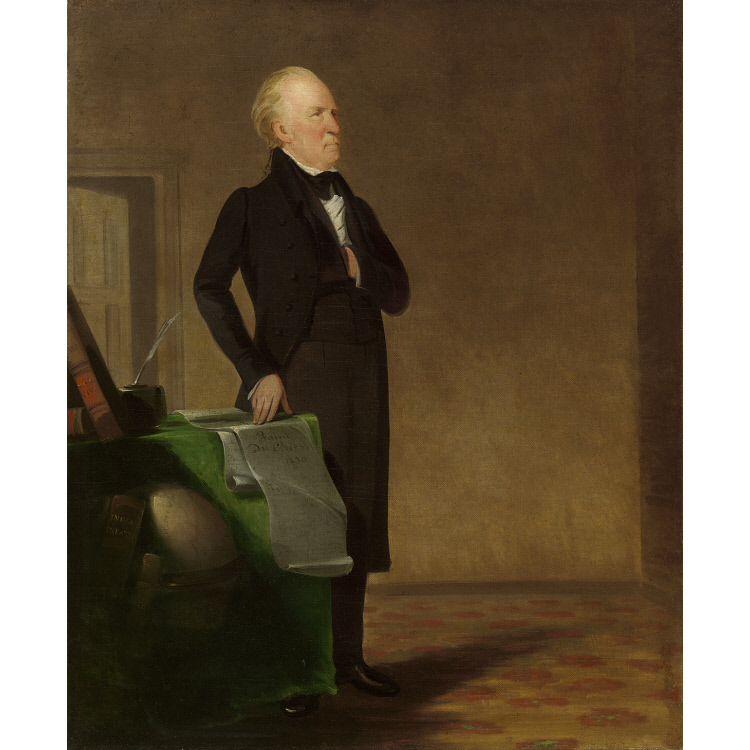
William Clark
George Catlin · 1832
An 1832 oil portrait by George Catlin depicting William Clark late in life as Superintendent of Indian Affairs.
Made by George Catlin.
About this source
What it is
This is a full-length oil portrait painted in 1832 by George Catlin, held by the National Portrait Gallery. It shows an older, white-haired man in a dark coat, standing with one hand on his chest and the other resting on a draped table holding a document, inkwell, books, and a globe.
Why it matters
The man is William Clark, painted while serving as Superintendent of Indian Affairs, the official position from which he sponsored Catlin's travels among western tribes. The portrait reflects Clark's standing late in life as a powerful federal administrator over Native affairs, a role that followed his earlier fame as co-leader of an exploring expedition.
Look closer
- What does Clark's pose and the objects around him suggest about how he wanted to be remembered?
- Why might an artist who depended on Clark's support paint him in this formal, dignified way?
- What parts of Clark's life are missing from this portrait of him as an older official?
This painting is part of the curated material that grounds the AI version of George Catlin and William Clark on Humy.ai — when students ask about related events, the AI can quote it and cite it.
More George Catlin sources
Meet the AI George Catlin →Secondary source
Letters and Notes on the Manners, Customs, and Condition of the North American Indians
George Catlin · 1841
 Painting
Primary source
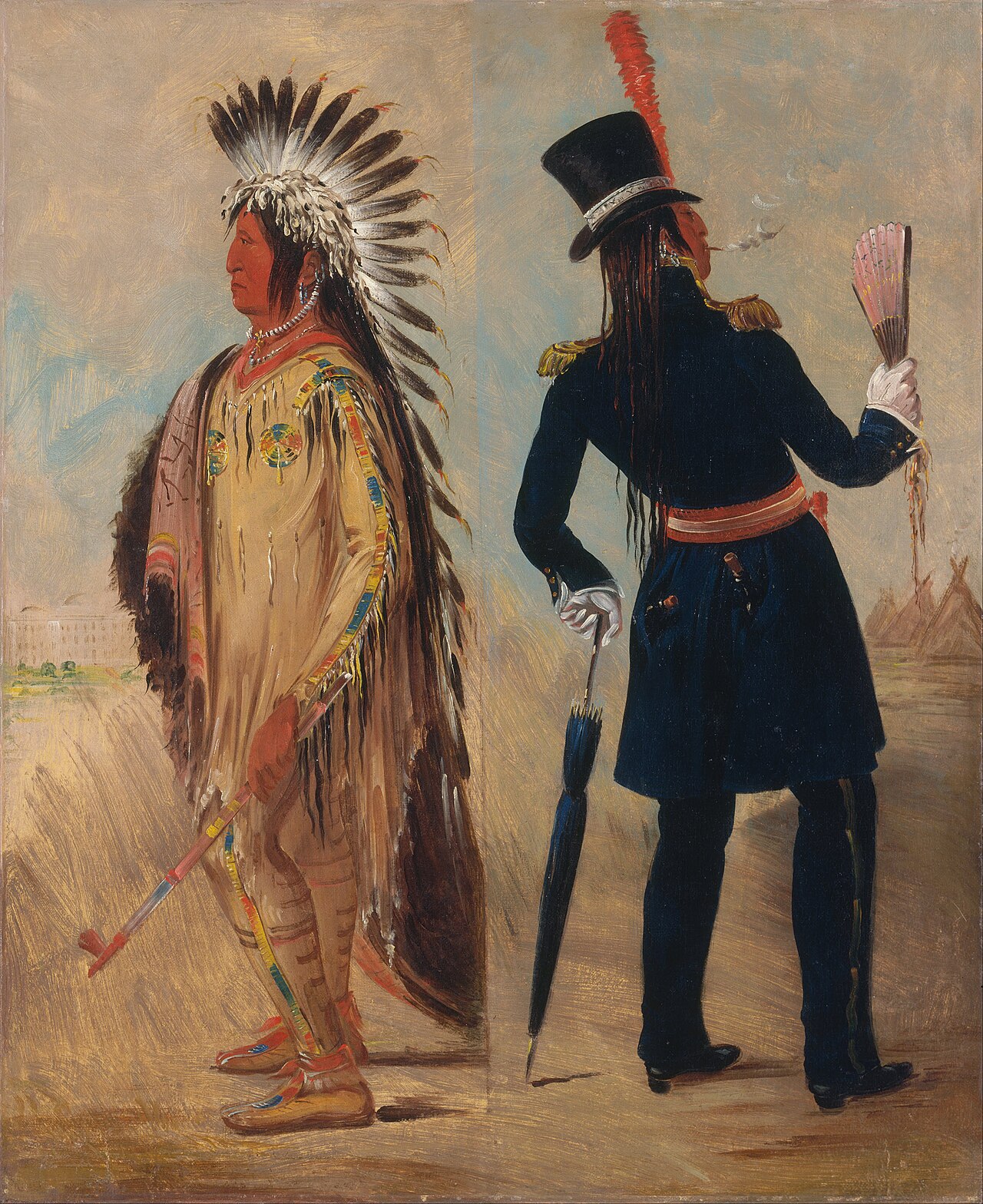
Wi-jún-jon, Pigeon's Egg Head, Going To and Returning From Washington
George Catlin · 1837
 Painting
Primary source
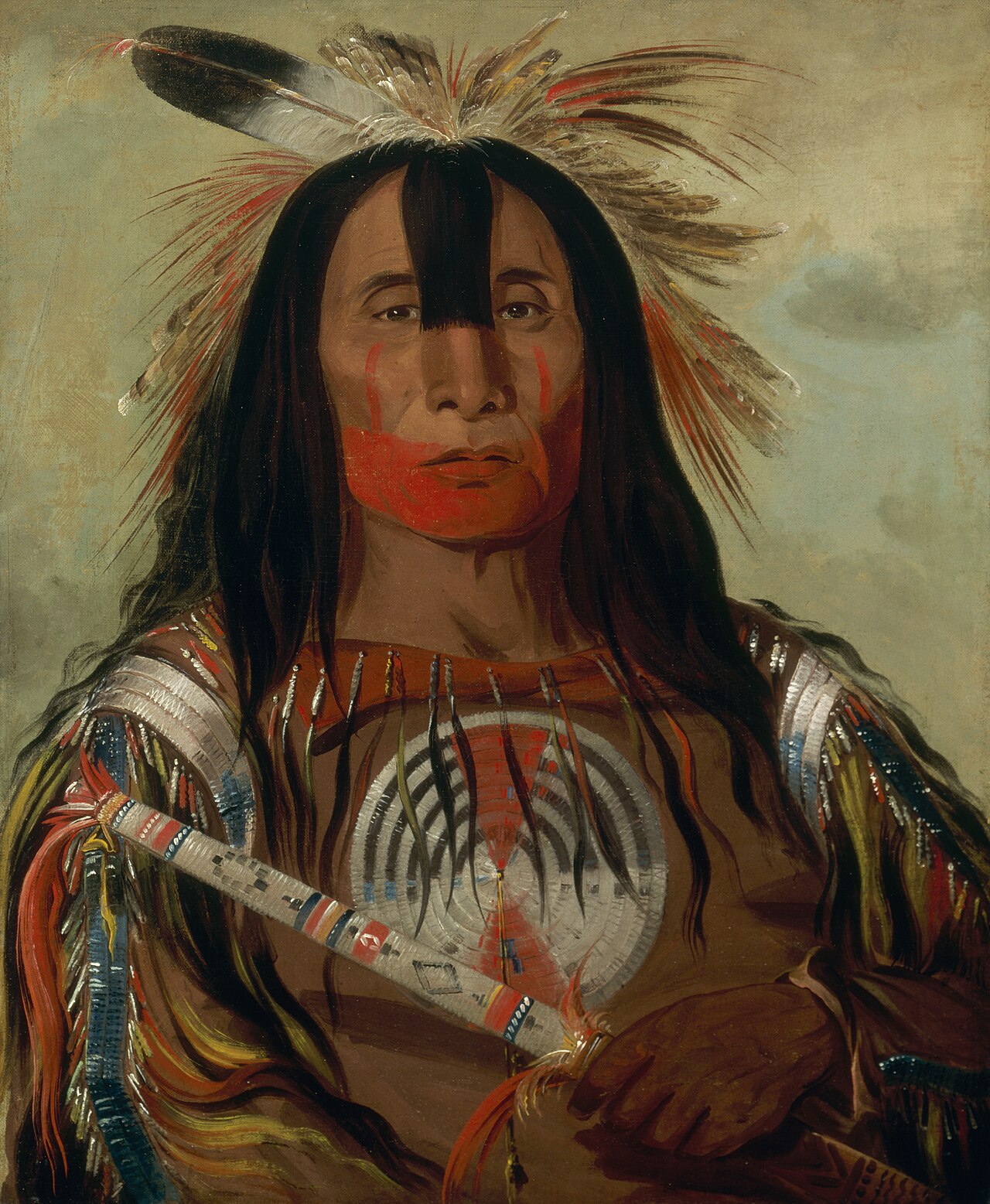
Stu-mick-o-súcks, Buffalo Bull's Back Fat, Head Chief, Blood Tribe
George Catlin · 1832
 Painting
Primary source
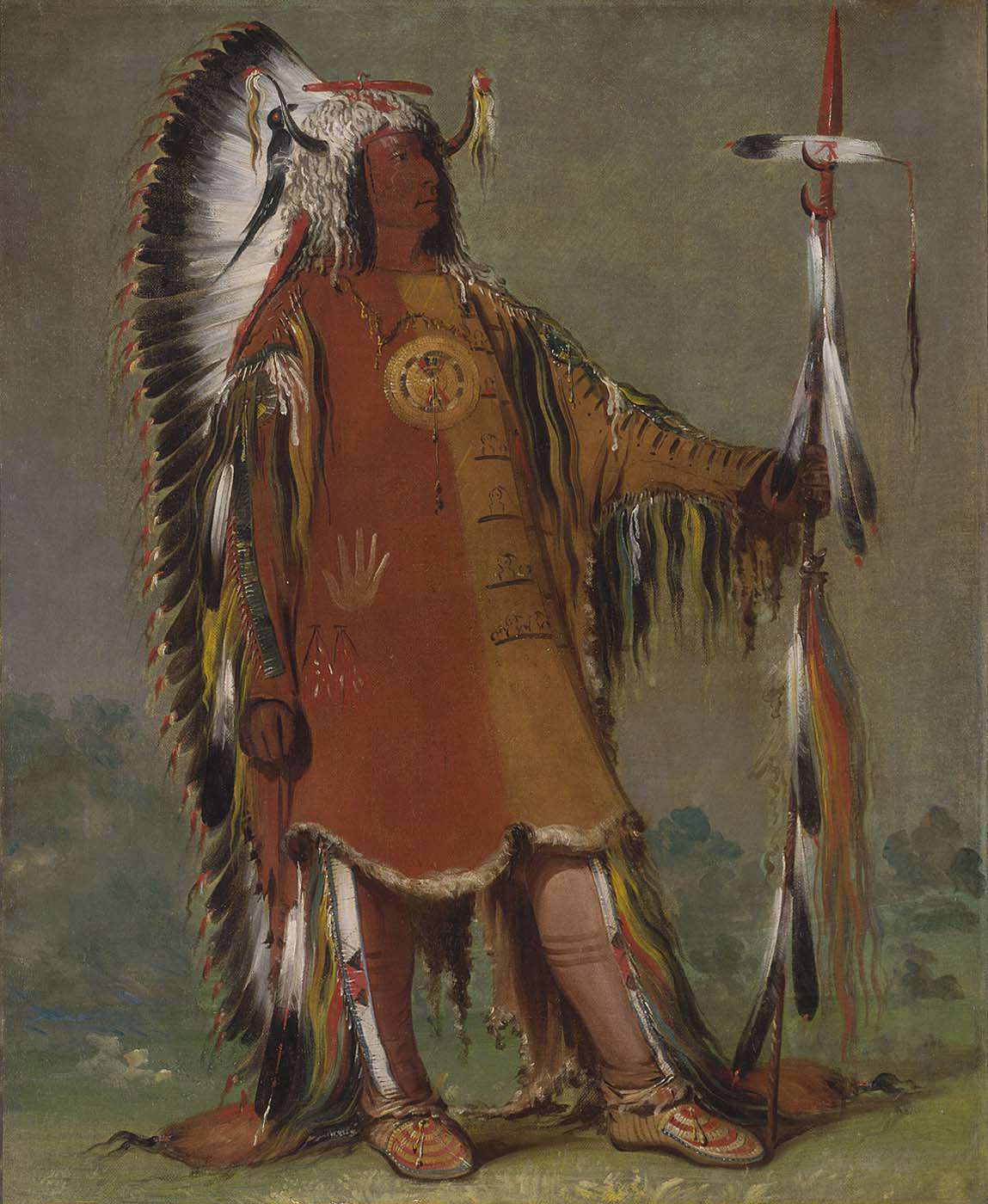
Máh-to-tóh-pa, Four Bears, Second Chief, in Full Dress
George Catlin · 1832
 Painting
Primary source
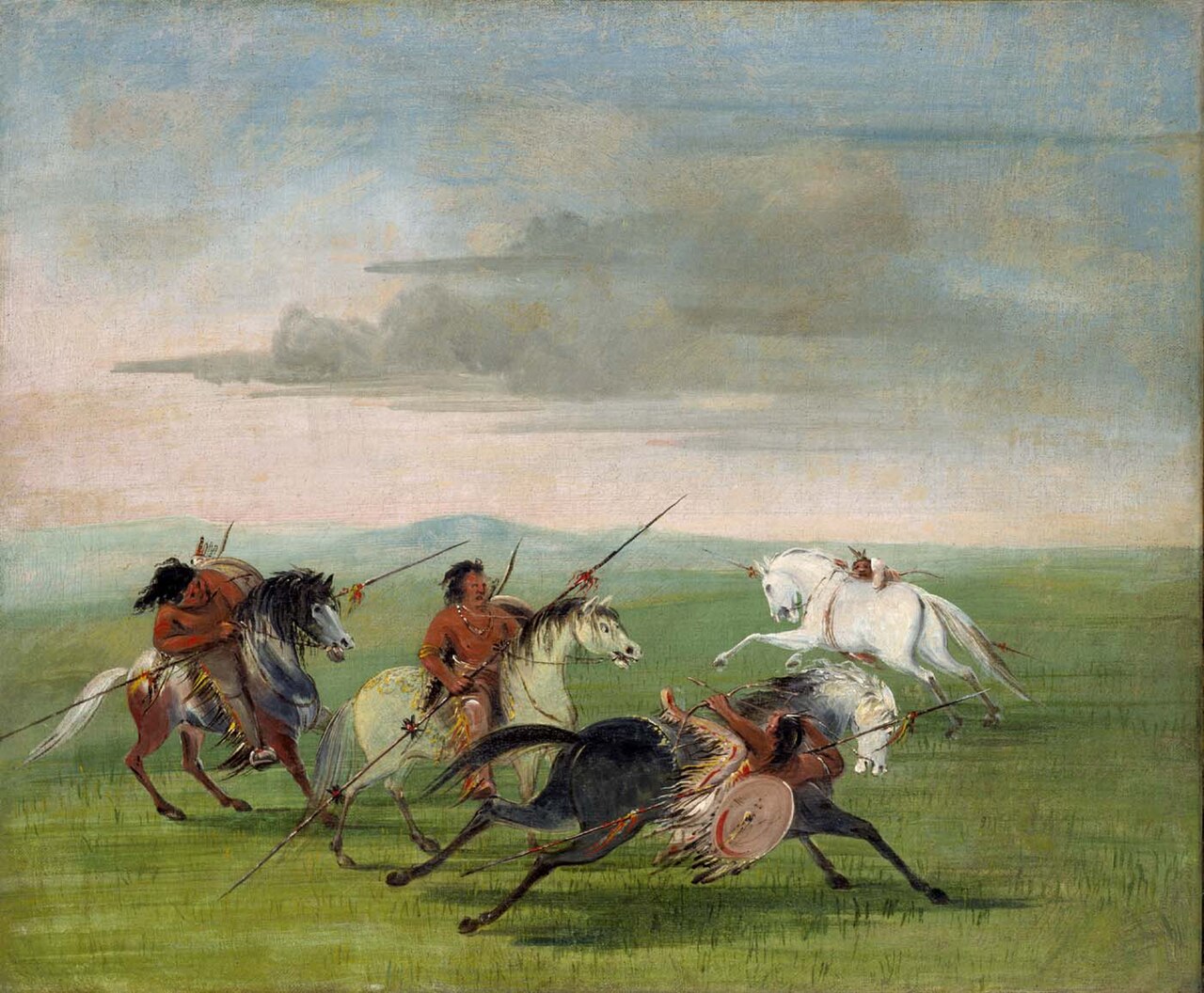
Comanche Feats of Horsemanship
George Catlin · 1834
Ready when you are
Start chatting with George Catlin now.
20 messages free · No credit card · Available in 50+ languages.