


Tertiary sourcePainting1803
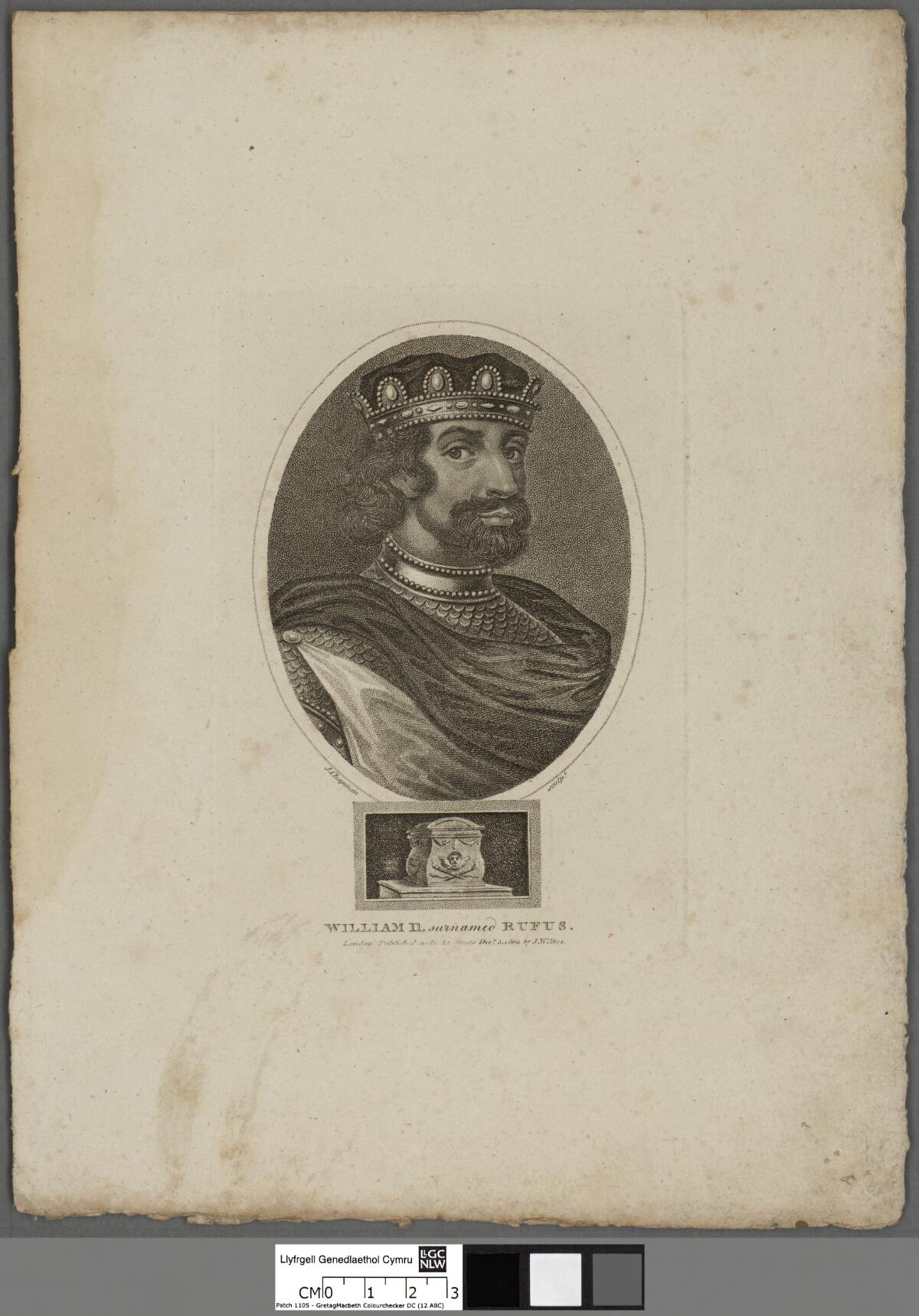
William II. surnamed Rufus
John Chapman · 1803
A Georgian engraved portrait print of William Rufus, created centuries after his death and imagined rather than drawn from life.
An imagined later likeness of William II, made when no authentic portrait of him survived.
About this source
What it is
This engraving by John Chapman, made in 1803, shows a crowned, bearded man labelled 'William II surnamed Rufus' within an oval frame, with a small vignette of a tomb below. It is held in the Welsh Portrait Collection at the National Library of Wales.
Why it matters
No authentic likeness of William Rufus survives from his own lifetime, so this print reflects how he was imagined by artists and audiences in Georgian Britain, long after his death in 1100. It shows how historical figures without surviving portraits get reinvented visually by later generations.
Look closer
- Since no real portrait of William Rufus survives, what choices did the artist make to make him look 'kingly'?
- Why might the tomb vignette with a skull and crossbones have been included below the portrait?
- What does this image tell us about how William Rufus was remembered in 1803, rather than about his actual appearance?
This painting is part of the curated material that grounds the AI version of William II of England on Humy.ai — when students ask about related events, the AI can quote it and cite it.
More William II of England sources
Browse all 71 →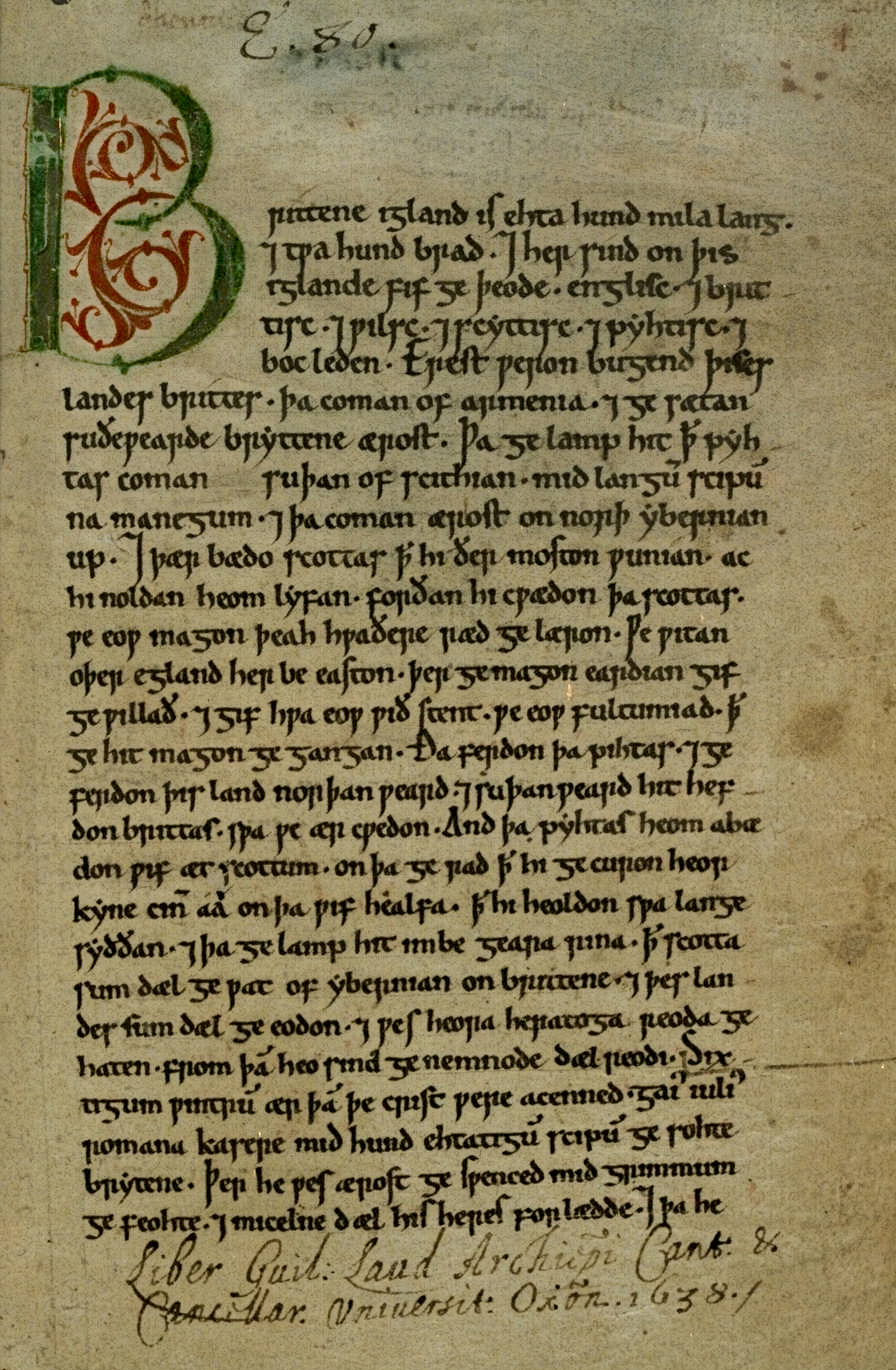 Book
Primary source
Peterborough Chronicle
c. 1130
 Artifact
Primary source
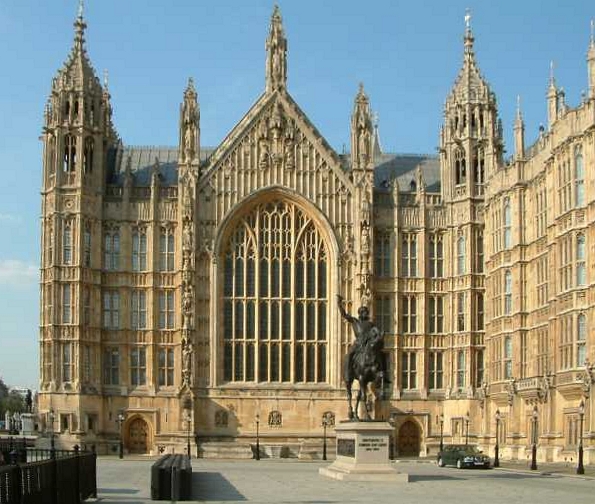
Westminster Hall
built 1097-1099, remodelled 1393
 Artifact
Primary source
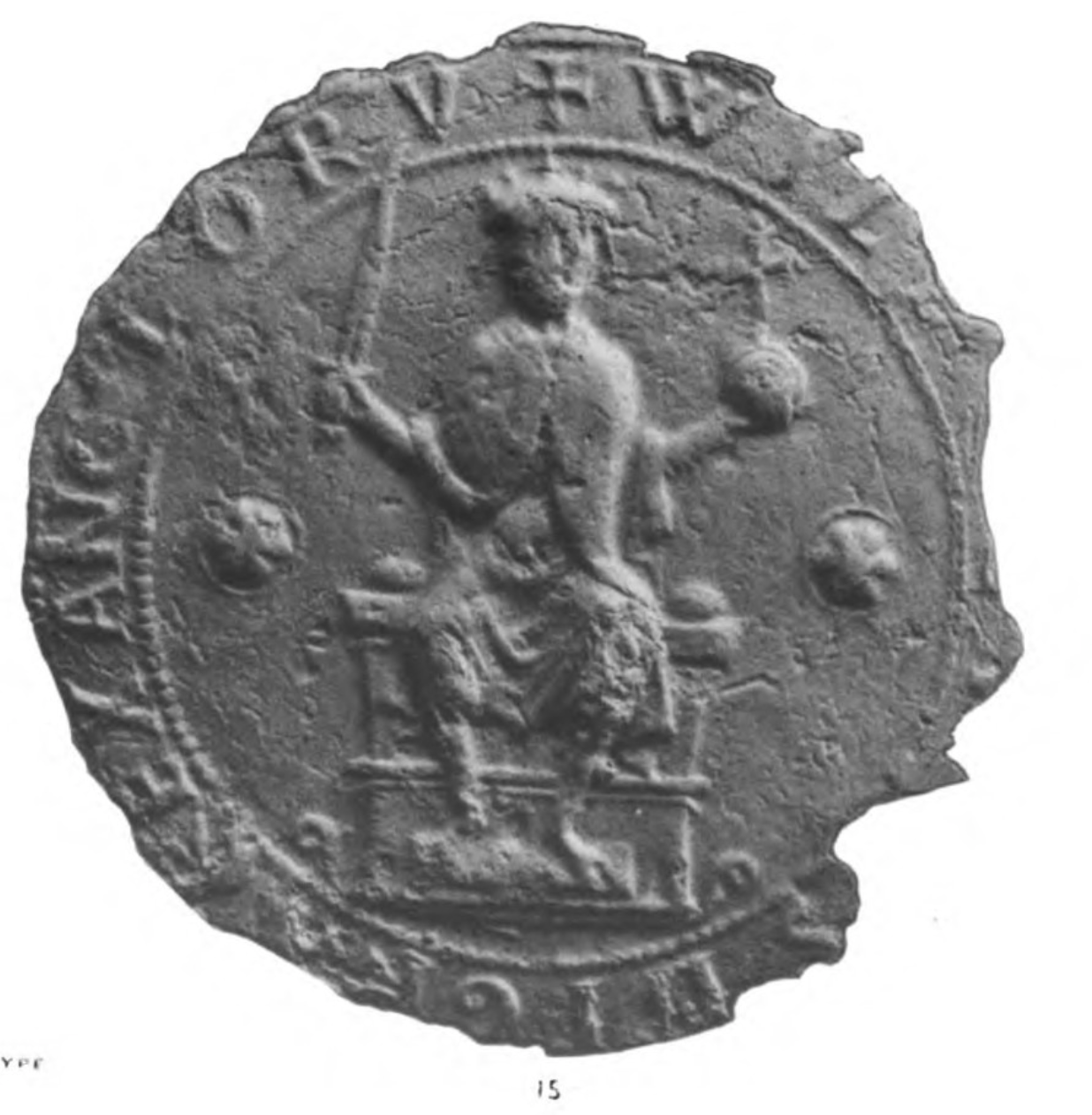
Great Seal of William II
Royal chancery of William II · c. 1087–1100
 Artifact
Primary source
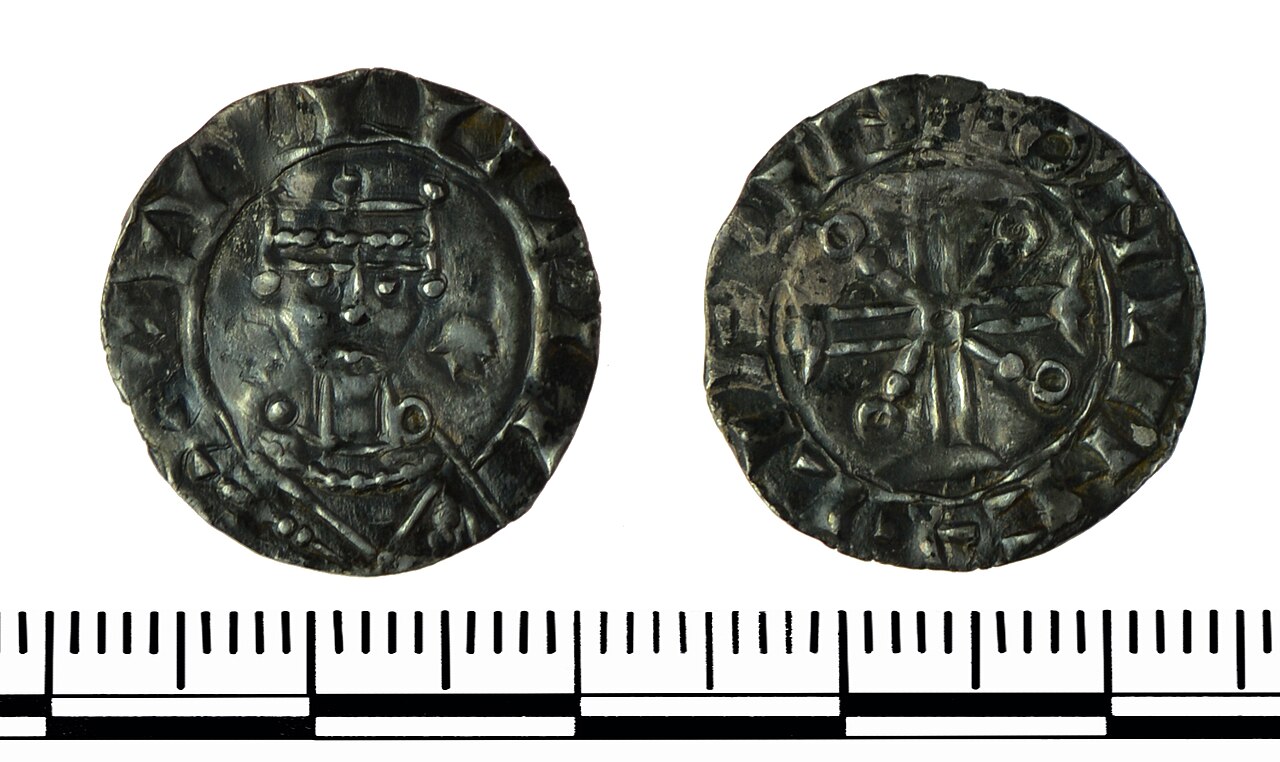
Silver pennies of William II
Royal moneyers under William II · 1087–1100
Free account
Read every William II of England source
Sign up free →
Ready when you are
Start chatting with William II of England now.
20 messages free · No credit card · Available in 50+ languages.