


Secondary sourcePainting1865
William II surnamed Rufus
John Cassell · 1865
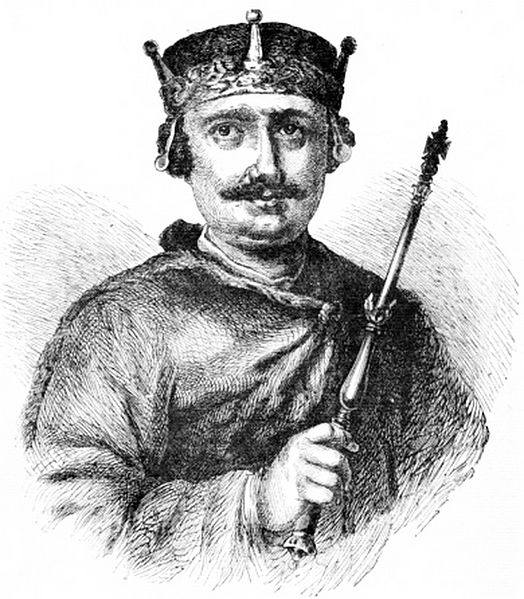
A Victorian engraved portrait of a crowned, bearded king holding a scepter, from Cassell's Illustrated History of England, drawn long after Rufus's death.
It is a later imagined portrait of Rufus as king, showing how a Victorian history book chose to present him.
About this source
What it is
This is a black and white engraving by John Cassell, published in 1865 in Cassell's Illustrated History of England, Volume 1. It shows a bearded man with a mustache, wearing a jeweled crown and a fur-trimmed robe, and holding a scepter in his right hand. He looks directly at the viewer. The page is part of an illustrated book, and the image is a later portrait rather than a likeness made in the king's lifetime.
Why it matters
Portraits of medieval kings were often created centuries after their deaths. This engraving shows how a Victorian publisher pictured William II, who reigned from 1087 to 1100. Pictures like this helped shape how readers of that time imagined the Norman kings, even though the artist could not have seen Rufus himself.
Look closer
- Which objects in the picture, such as the crown, robe and scepter, show that the man is a king?
- How could a portrait drawn in 1865 differ from one made during the king's lifetime?
This painting is part of the curated material that grounds the AI version of William II of England on Humy.ai — when students ask about related events, the AI can quote it and cite it.
More William II of England sources
Browse all 71 →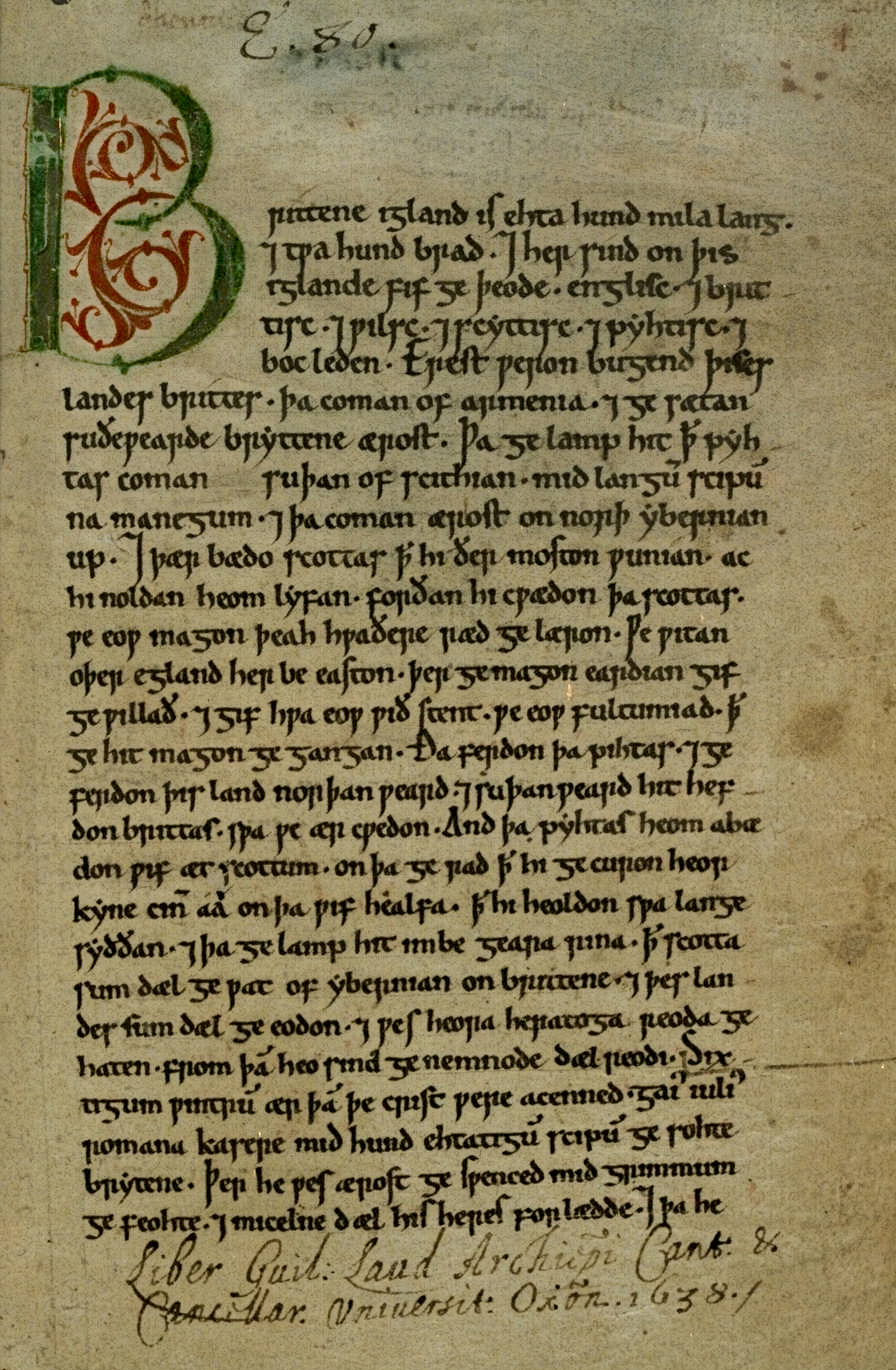 Book
Primary source
Peterborough Chronicle
c. 1130
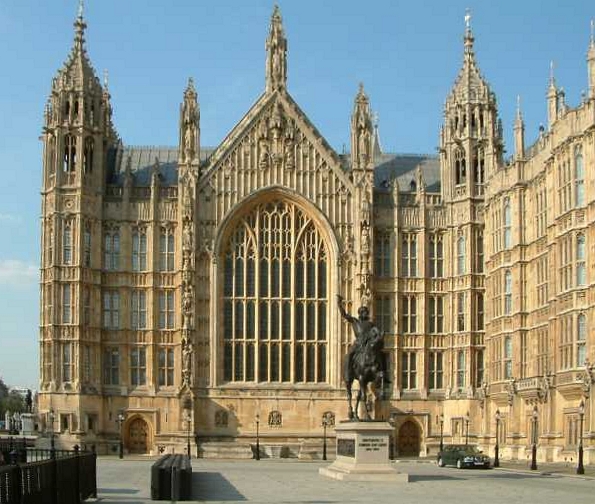 Artifact
Primary source
Westminster Hall
built 1097-1099, remodelled 1393
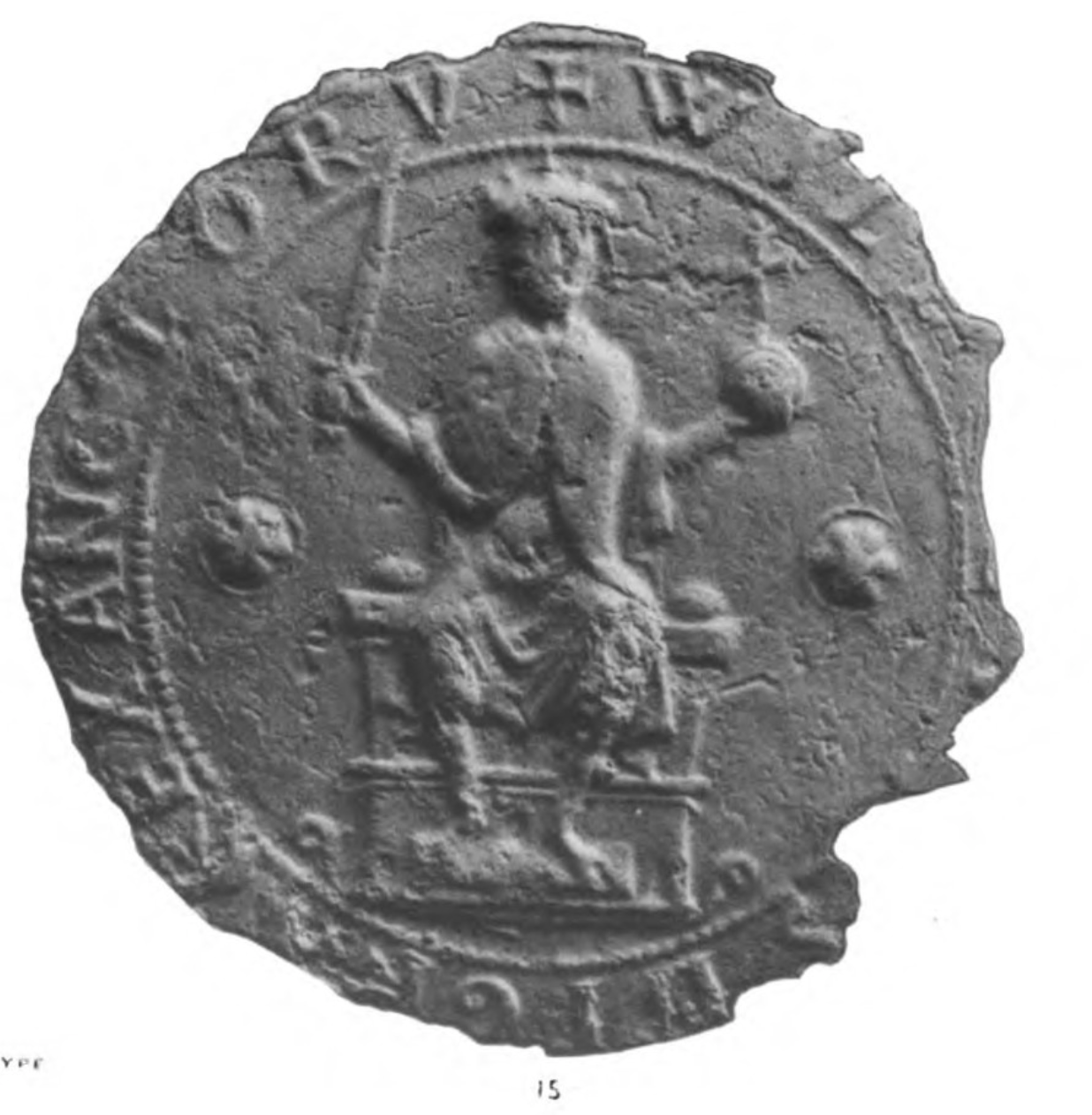 Artifact
Primary source
Great Seal of William II
Royal chancery of William II · c. 1087–1100
 Artifact
Primary source
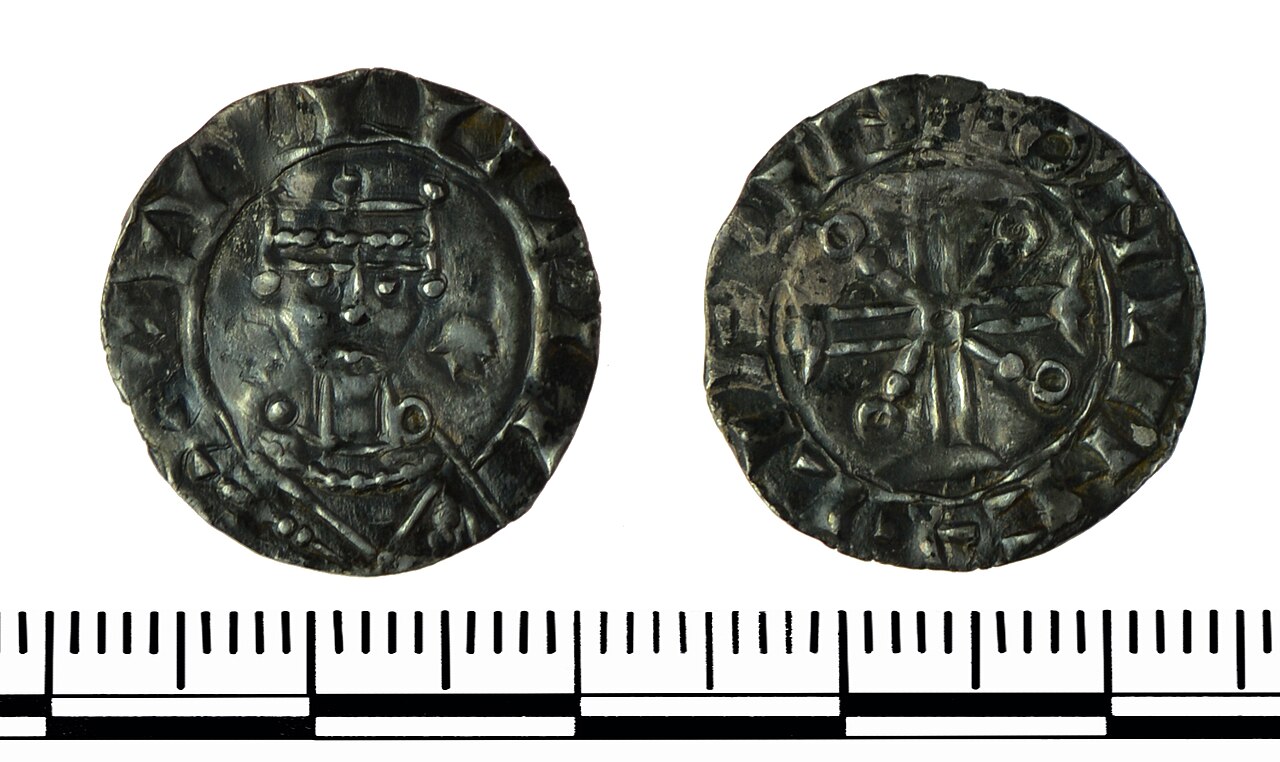
Silver pennies of William II
Royal moneyers under William II · 1087–1100

Free account
Read every William II of England source
Sign up free →
Ready when you are
Start chatting with William II of England now.
20 messages free · No credit card · Available in 50+ languages.