


Primary sourcePainting1701
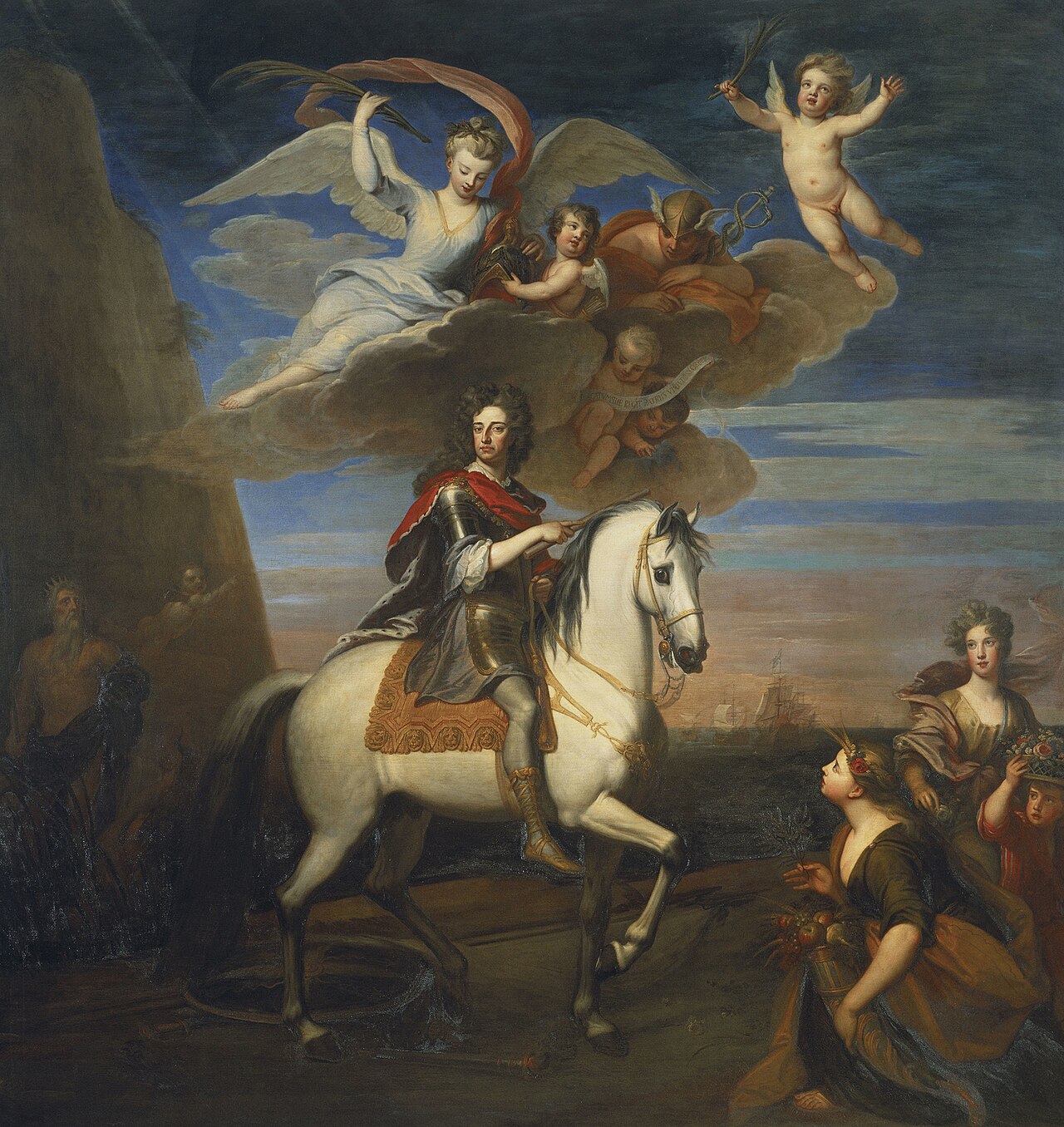
William III (1650-1702) on horseback
Godfrey Kneller · 1701
A grand equestrian portrait by Godfrey Kneller showing William III as a triumphant warrior-king near the end of his reign.
This state portrait depicts William III as a victorious Protestant warrior-king near the end of his reign.
About this source
What it is
This painting by Sir Godfrey Kneller, dated 1701, shows William III in armour on a white horse, surrounded by allegorical figures representing victory, fame and prosperity. It is held in the Royal Collection.
Why it matters
State portraits like this were designed to project royal power and legitimacy. Painted near the end of William's reign, it presents him as the defender of the Protestant cause and a successful military leader, rather than showing him as he may have actually looked or felt. Kneller was one of the leading court painters of the period, and this kind of image shaped how later generations remembered William.
Look closer
- What do the allegorical figures around William suggest the painter wanted viewers to think about him?
- Why might a king want to be shown on horseback in armour rather than in ordinary dress?
- What is left out of this heroic image of William's reign?
This painting is part of the curated material that grounds the AI version of William III on Humy.ai — when students ask about related events, the AI can quote it and cite it.
More William III sources
Browse all 92 →Primary source
Declaration of Right
Parliament of England · 1689
 Document
Primary source
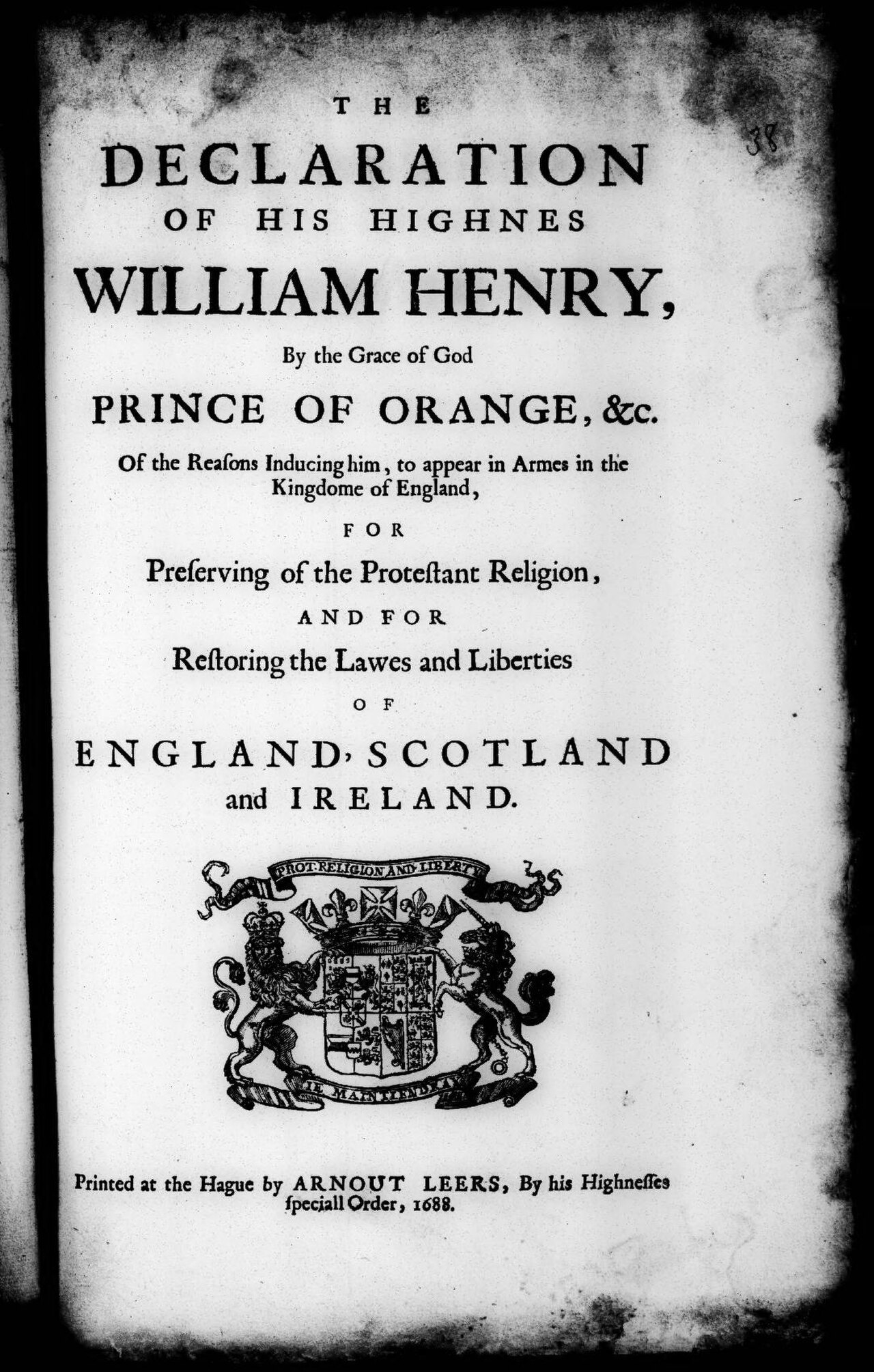
Declaration of the Prince of Orange
Gaspar Fagel · October 1688
 Document
Primary source
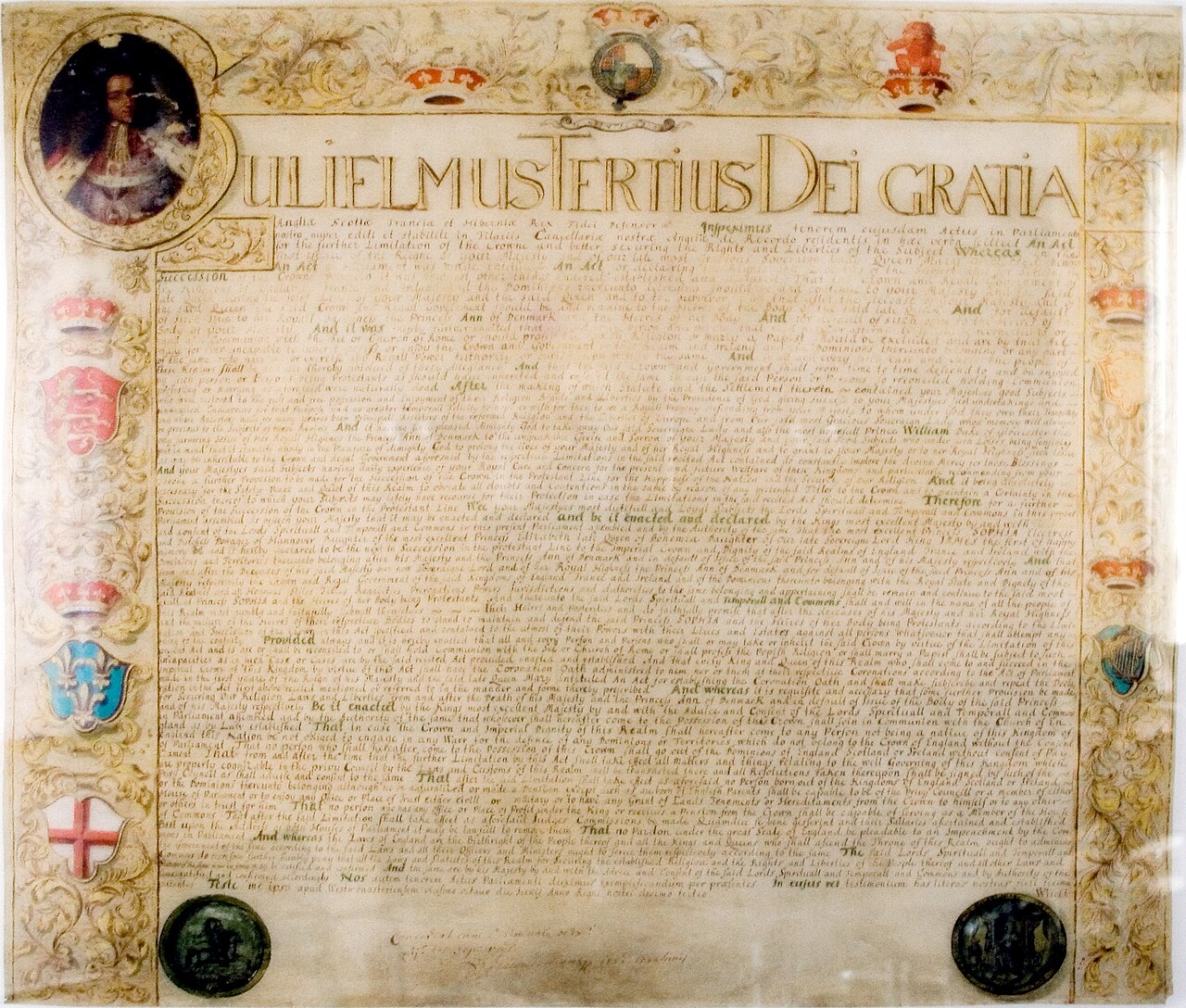
Act of Settlement 1701
Parliament of England · 1701
 Document
Primary source
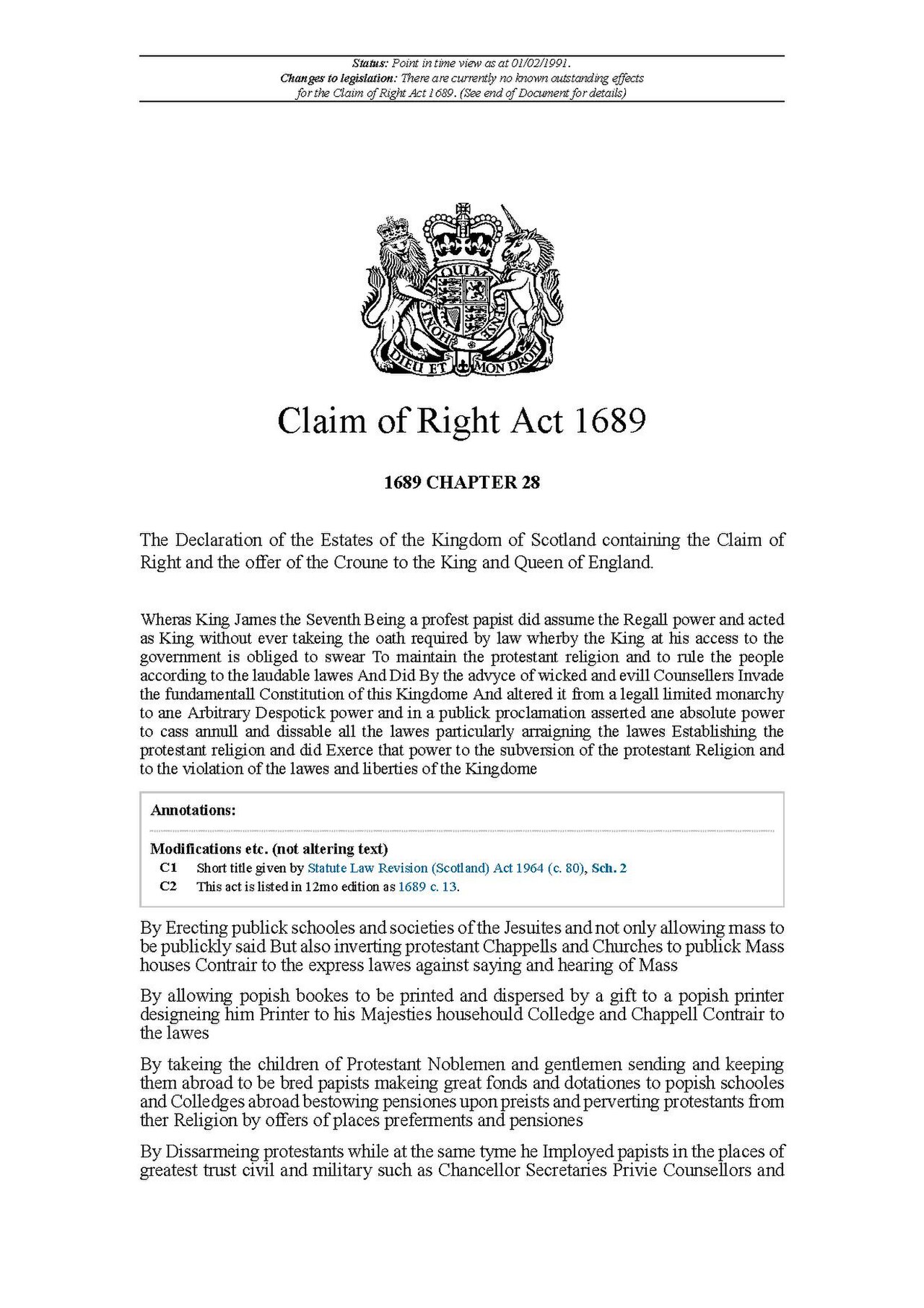
Claim of Right Act 1689
1689
Free account
Browse every William III source
Sign up free →
Ready when you are
Start chatting with William III now.
20 messages free · No credit card · Available in 50+ languages.