


Secondary sourceArtifact1829
William Tell
Gioachino Rossini · 1829
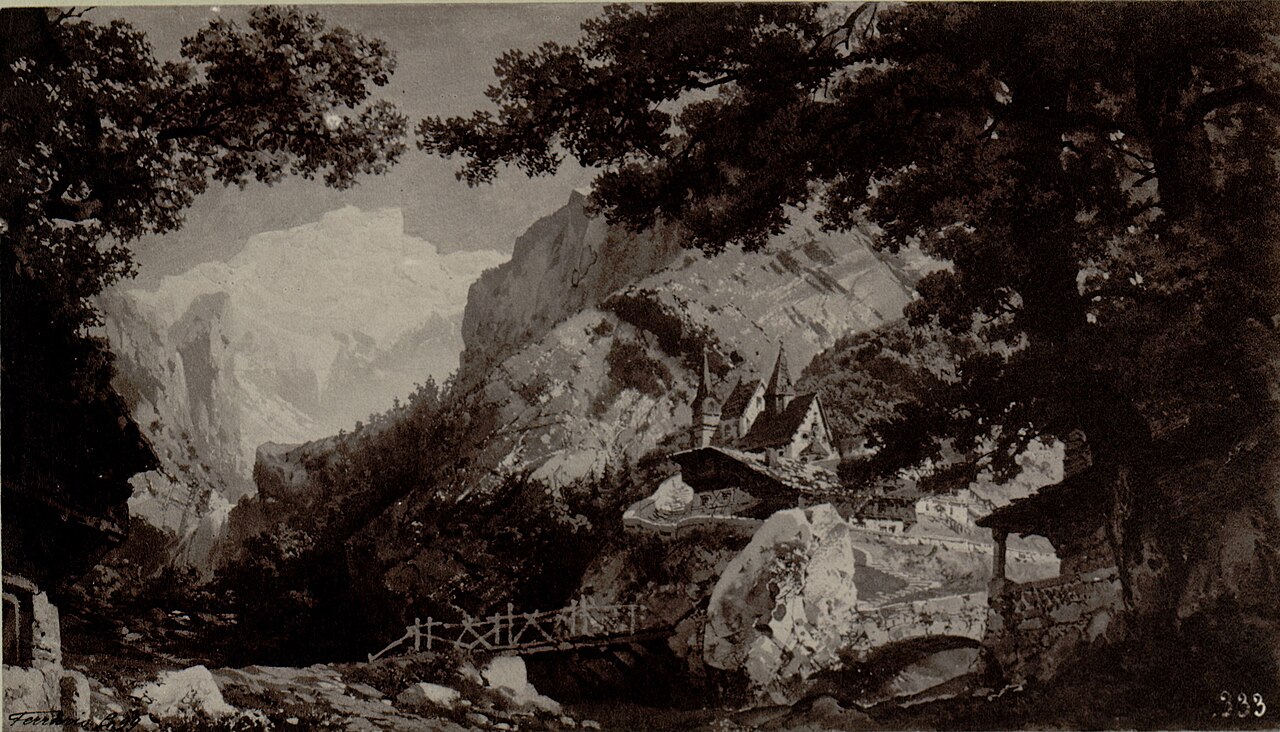
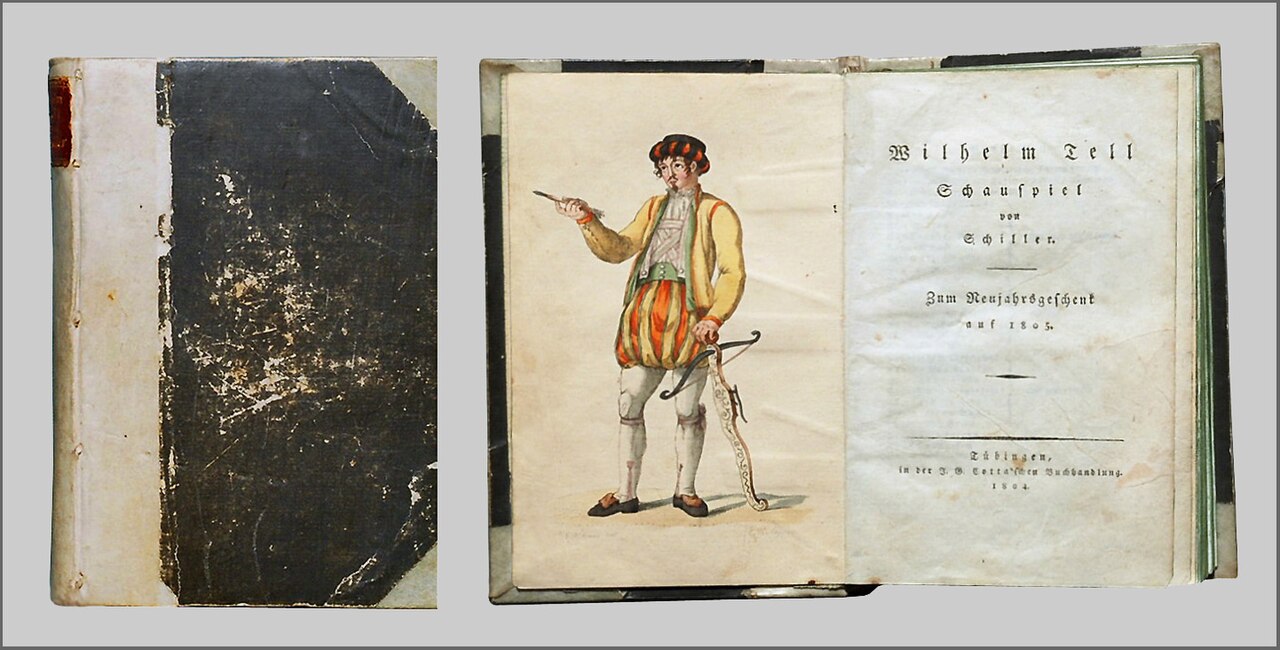
Rossini's 1829 opera, based on Schiller's play Wilhelm Tell, showing how the drama spread across Europe in music.
Rossini's opera adapts Schiller's play Wilhelm Tell, which shows how far the drama travelled after Schiller wrote it.
About this source
What it is
William Tell is a French-language opera in four acts by the Italian composer Gioachino Rossini, with a libretto by Victor-Joseph Étienne de Jouy and L. F. Bis. It is based on Friedrich Schiller's play Wilhelm Tell, which itself drew on the William Tell legend. It was first performed by the Paris Opéra on 3 August 1829. Its overture, with the 'March of the Swiss Soldiers' finale, is often heard on its own.
Why it matters
The opera shows how Schiller's play reached audiences far beyond Germany. In Italy, the story of a revolutionary against authority met censorship, and productions were limited. In Vienna, the opera was performed many times between 1830 and 1907. Its history reveals how political concerns shaped which works audiences were allowed to see, and how a German drama could be reshaped by French and Italian artists.
Look closer
- How does the opera change the story Schiller told, and why might a composer make those changes?
- Why did censors in some Italian states worry about a story of resistance to authority?
- Which parts of the opera are best known today, and why do you think they are remembered?
This artifact is part of the curated material that grounds the AI version of Friedrich Schiller on Humy.ai — when students ask about related events, the AI can quote it and cite it.
More Friedrich Schiller sources
Browse all 88 →
Ready when you are
Start chatting with Friedrich Schiller now.
20 messages free · No credit card · Available in 50+ languages.