


Primary sourceBook1905
Wit and Its Relation to the Unconscious, Part I
Sigmund Freud · 1905
The opening section of Freud's study of jokes, where he reviews earlier thinkers on wit before developing his own psychoanalytic theory of humor.
Freud's own study applying psychoanalytic theory to jokes and humor, extending his ideas about the unconscious.
About this source
What it is
This is the introductory part of Sigmund Freud's book on wit and the unconscious. In it, Freud reviews earlier philosophers and writers, including Jean Paul, Theodor Vischer, Kuno Fischer, and Theodor Lipps, who had written about the nature of wit, before setting out his own approach.
Why it matters
This work shows Freud extending psychoanalytic ideas beyond dreams and neuroses into everyday experiences like jokes and humor. By engaging with earlier thinkers on aesthetics and psychology, Freud positioned his theory of the unconscious as part of a longer conversation about the human mind, while also claiming something new.
Look closer
- Why might Freud begin his book by discussing earlier writers instead of jumping straight to his own ideas?
- What does it suggest about Freud's method that he studied something as ordinary as jokes with the same seriousness as dreams or mental illness?
- What might be gained, or lost, by trying to explain humor scientifically?
This book is part of the curated material that grounds the AI version of Sigmund Freud on Humy.ai — when students ask about related events, the AI can quote it and cite it.
More Sigmund Freud sources
Meet the AI Sigmund Freud →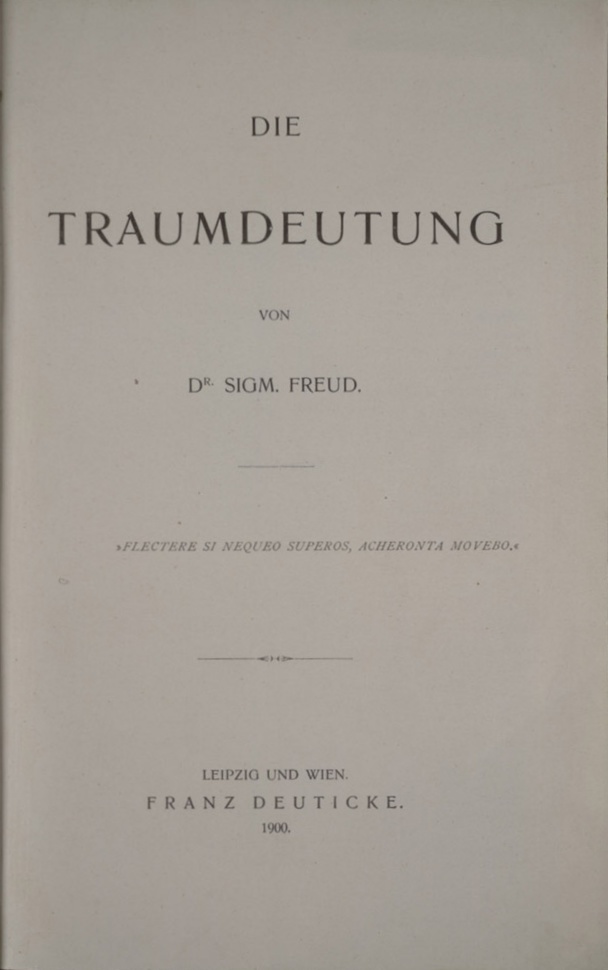 Book
Secondary source
The Interpretation of Dreams
Sigmund Freud · 1900
 Book
Primary source
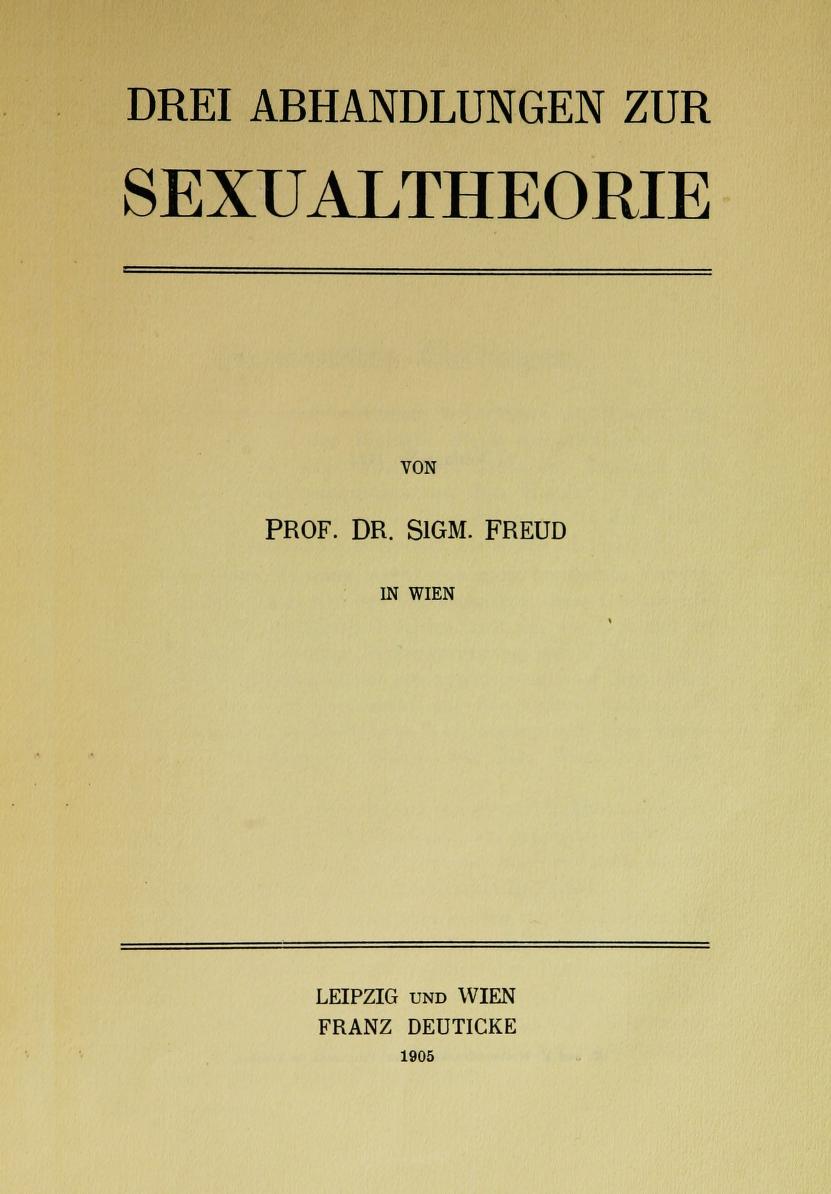
Three Essays on the Theory of Sexuality
Sigmund Freud · 1905
 Book
Primary source
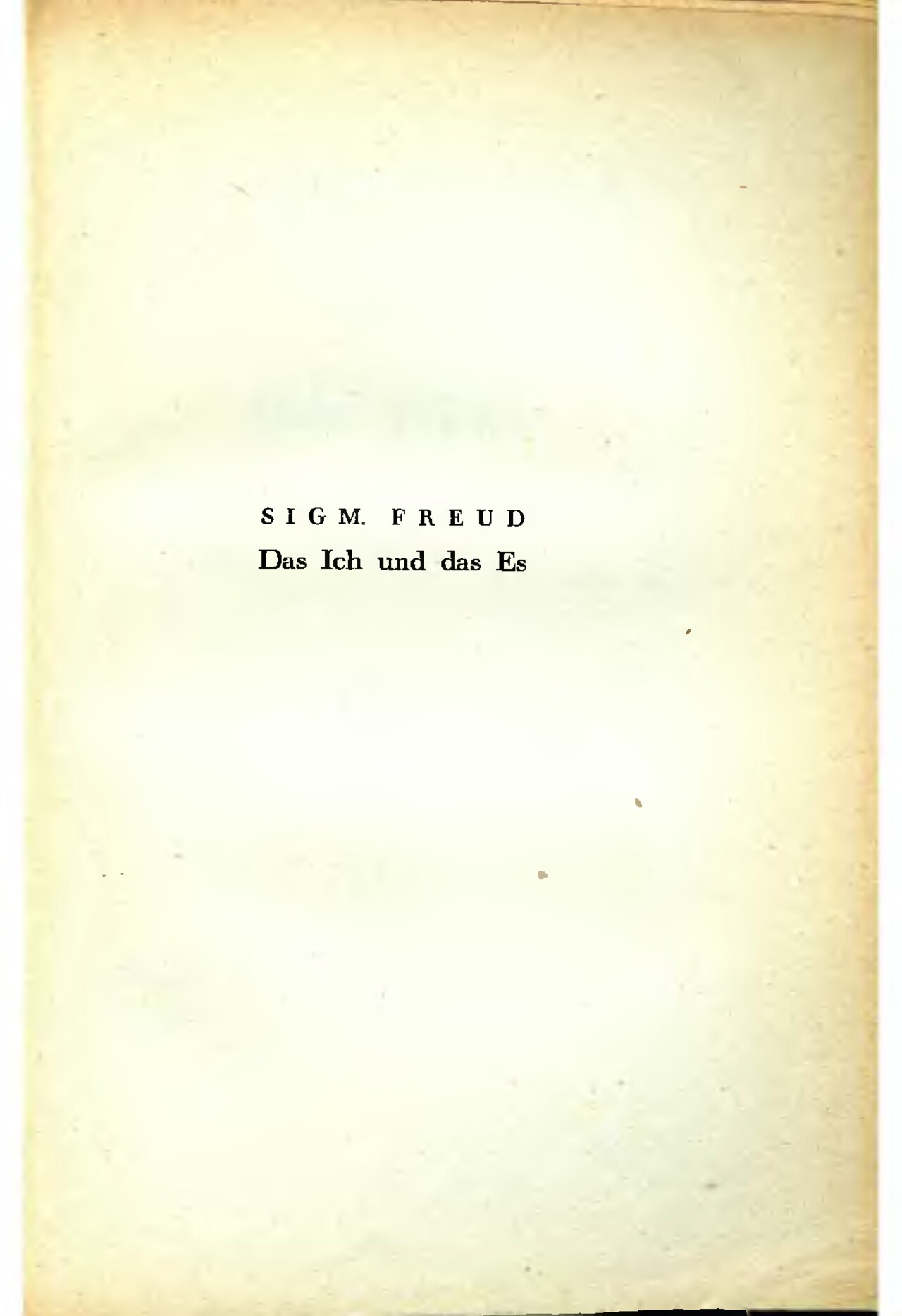
The Ego and the Id
Sigmund Freud · 1923
 Book
Primary source
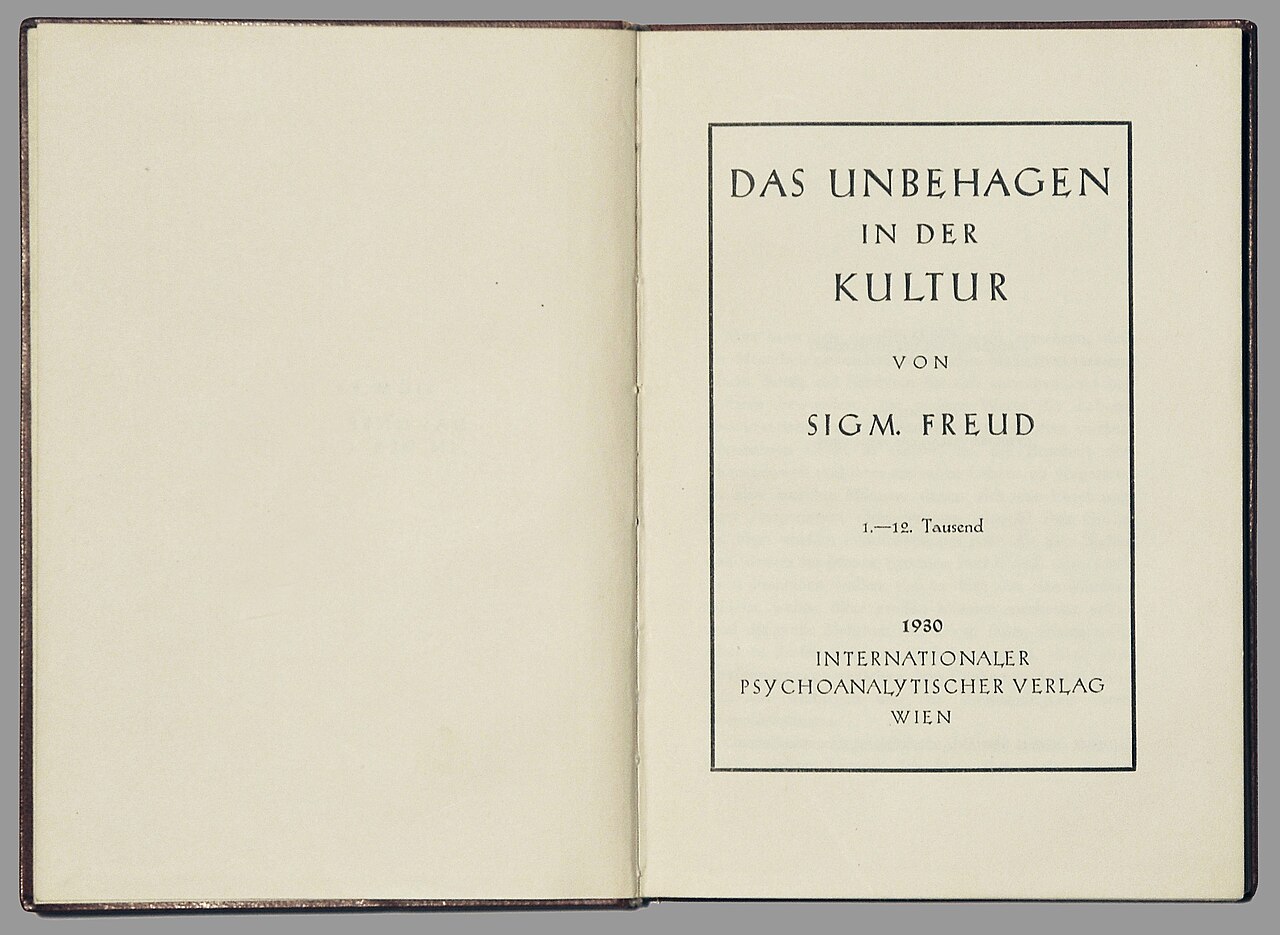
Civilization and Its Discontents
Sigmund Freud · 1930
Primary source
Sigmund Freud's Voice (BBC Broadcast Recording, 1938)
Sigmund Freud · 27 December 1938
Ready when you are
Start chatting with Sigmund Freud now.
20 messages free · No credit card · Available in 50+ languages.