


Primary sourceDocumentc. 1914-1918
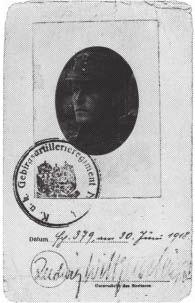
Wittgenstein's Military Identity Card
Vienna Kriegsarchiv · c. 1914-1918
Austro-Hungarian army identity document recording Wittgenstein's service as a volunteer soldier in the First World War.
This military identity card documents Wittgenstein's service as a volunteer soldier during the period he wrote the Tractatus.
About this source
What it is
This is an identity card issued by the Austro-Hungarian army during the First World War, held in the Vienna Kriegsarchiv. It records Ludwig Wittgenstein's service as a volunteer soldier, including a small photo and official stamps.
Why it matters
Wittgenstein volunteered for military service at the outbreak of the war. This was the period during which he wrote the notebooks that became his first major philosophical work, the Tractatus Logico-Philosophicus. The document connects his wartime experience to the development of his ideas.
Look closer
- What official marks and stamps can you find on the card, and what do they tell you about military bureaucracy at the time?
- Why might a philosopher's wartime service matter to understanding his later writing?
- What is missing from a document like this — does it tell us anything about his inner thoughts or experiences?
This document is part of the curated material that grounds the AI version of Ludwig Wittgenstein on Humy.ai — when students ask about related events, the AI can quote it and cite it.
More Ludwig Wittgenstein sources
Browse all 97 →Primary source
Introduction to Wittgenstein's Tractatus Logico-Philosophicus
Bertrand Russell · 1922
 Diary entry
Primary source
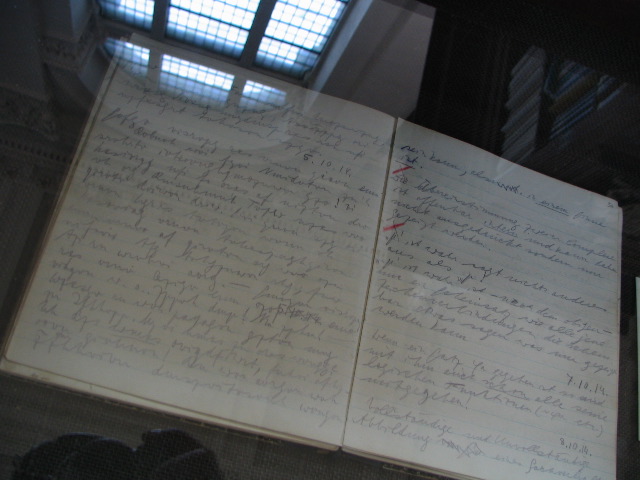
Notebooks 1914-1916
Ludwig Wittgenstein · 1914-1916 (published 1960/1961)
 Artifact
Primary source
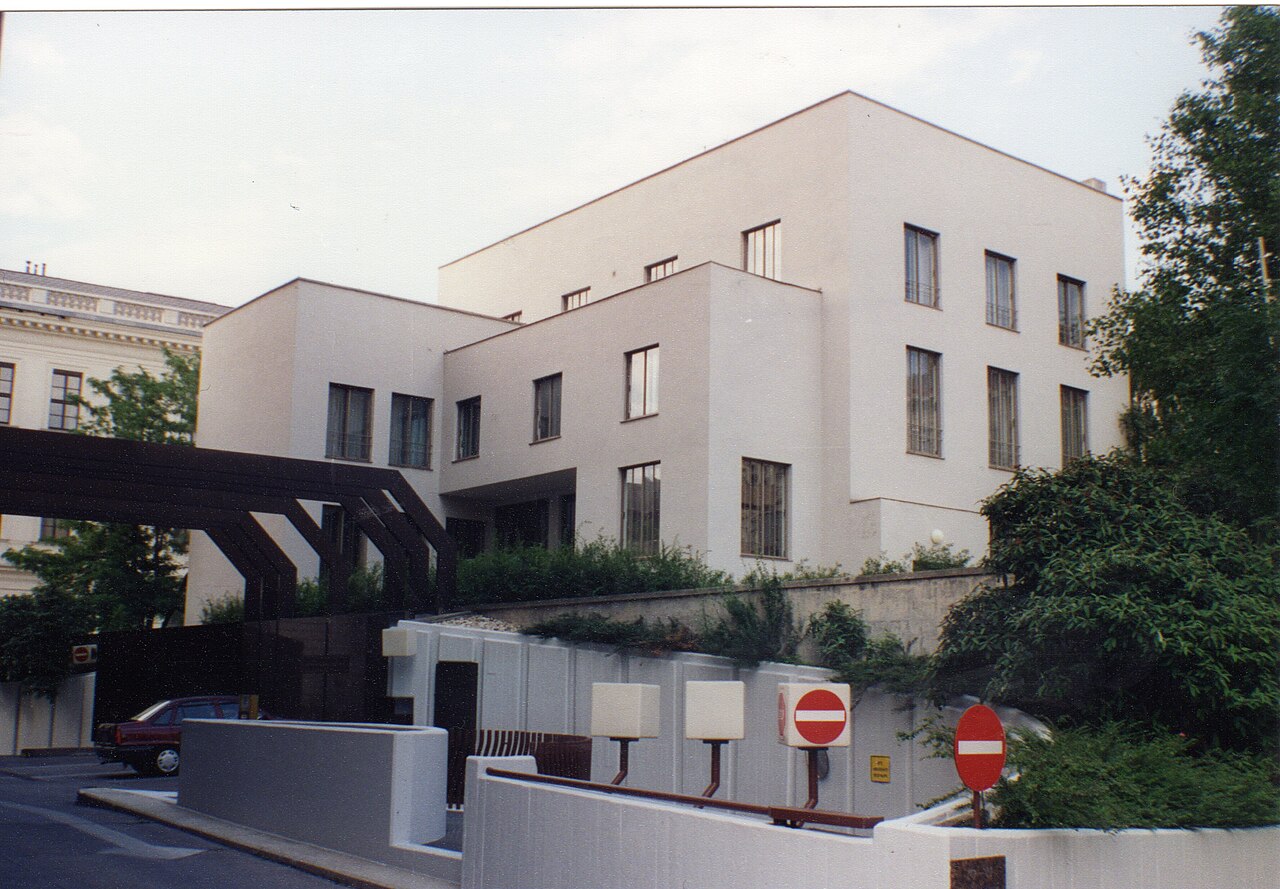
Wittgenstein House
Paul Engelmann and Ludwig Wittgenstein · 1928
 Photograph
Primary source
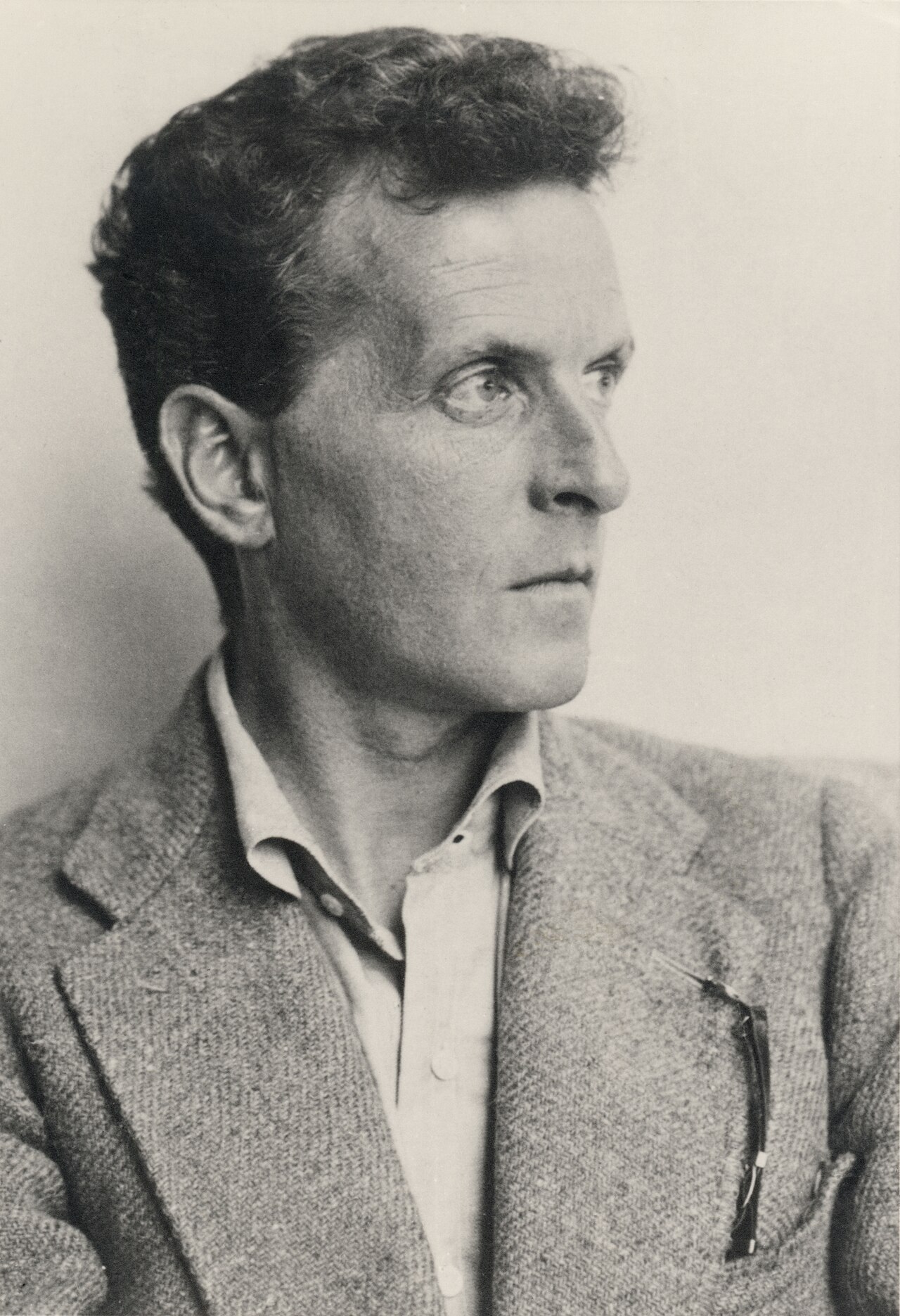
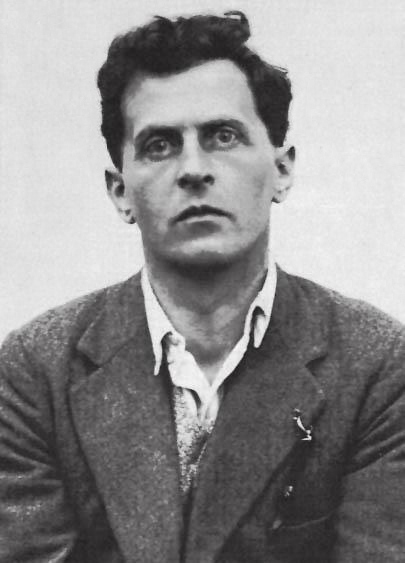
Portrait of Ludwig Wittgenstein
Free account
Read every Ludwig Wittgenstein source
Sign up free →
Ready when you are
Start chatting with Ludwig Wittgenstein now.
20 messages free · No credit card · Available in 50+ languages.