


Primary sourceBook1931
Wooden Leg: A Warrior Who Fought Custer
Wooden Leg · 1931
A 1931 memoir of the Cheyenne warrior Wooden Leg, dictated to Thomas Marquis, describing the 1876 camps and battles where Crazy Horse fought.
Wooden Leg, a Cheyenne ally, describes the 1876 camps and battles in which Crazy Horse fought.
About this source
What it is
This book presents the life story of Wooden Leg, a Northern Cheyenne warrior who fought at the Battle of the Little Bighorn. It was dictated by Wooden Leg in Plains Indian Sign Language to physician Thomas Bailey Marquis, who wrote it up in the style of an autobiography and published it in 1931.
Why it matters
Because there were no white survivors of the Little Bighorn, Native accounts like Wooden Leg's were crucial to understanding the battle. The book describes the 1876 camps and fighting where Crazy Horse was present, giving a Cheyenne ally's view of events alongside details of daily Plains Indian life.
Look closer
- Why did it take Marquis years to gain Wooden Leg's trust before he would share his story?
- How might translating through sign language and writing in English change the telling of the story?
- What controversial claim in the book shows why eyewitness accounts can still be debated by historians?
This book is part of the curated material that grounds the AI version of Crazy Horse on Humy.ai — when students ask about related events, the AI can quote it and cite it.
More Crazy Horse sources
Meet the AI Crazy Horse →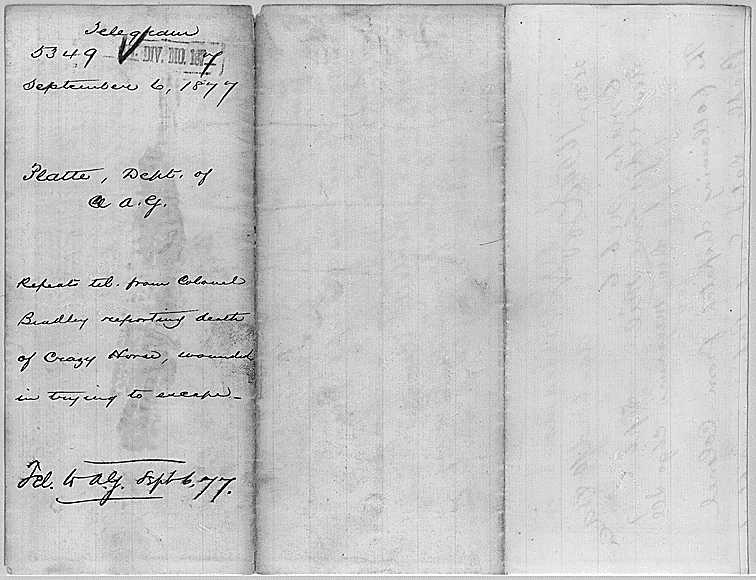 Document
Primary source
Telegram Reporting the Arrest and Death of Crazy Horse
6 September 1877
 Painting
Primary source
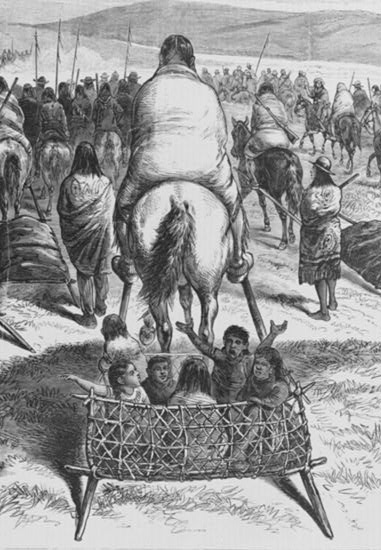
Crazy Horse Travois Drawing
Unknown Lakota artist
 Painting
Secondary source
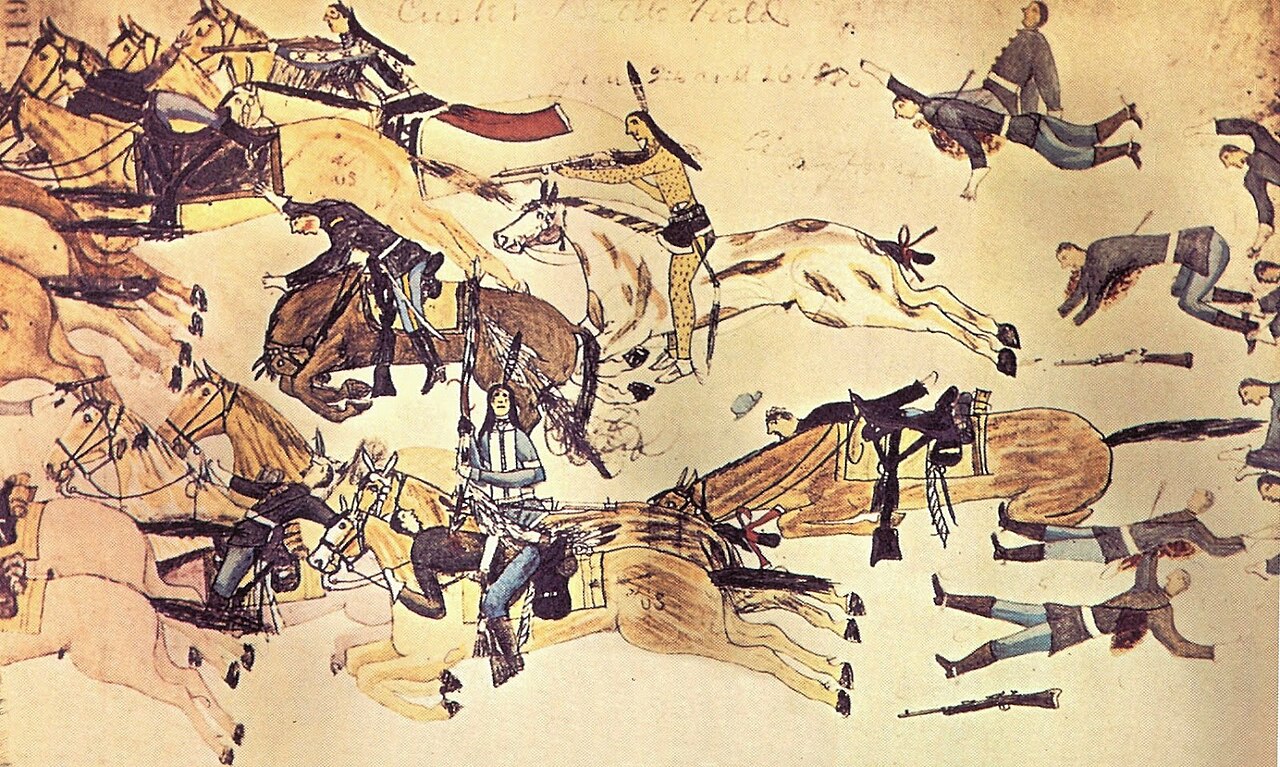
Battle of the Little Bighorn with Crazy Horse
Amos Bad Heart Bull · after 1890
 Sculpture
Secondary source
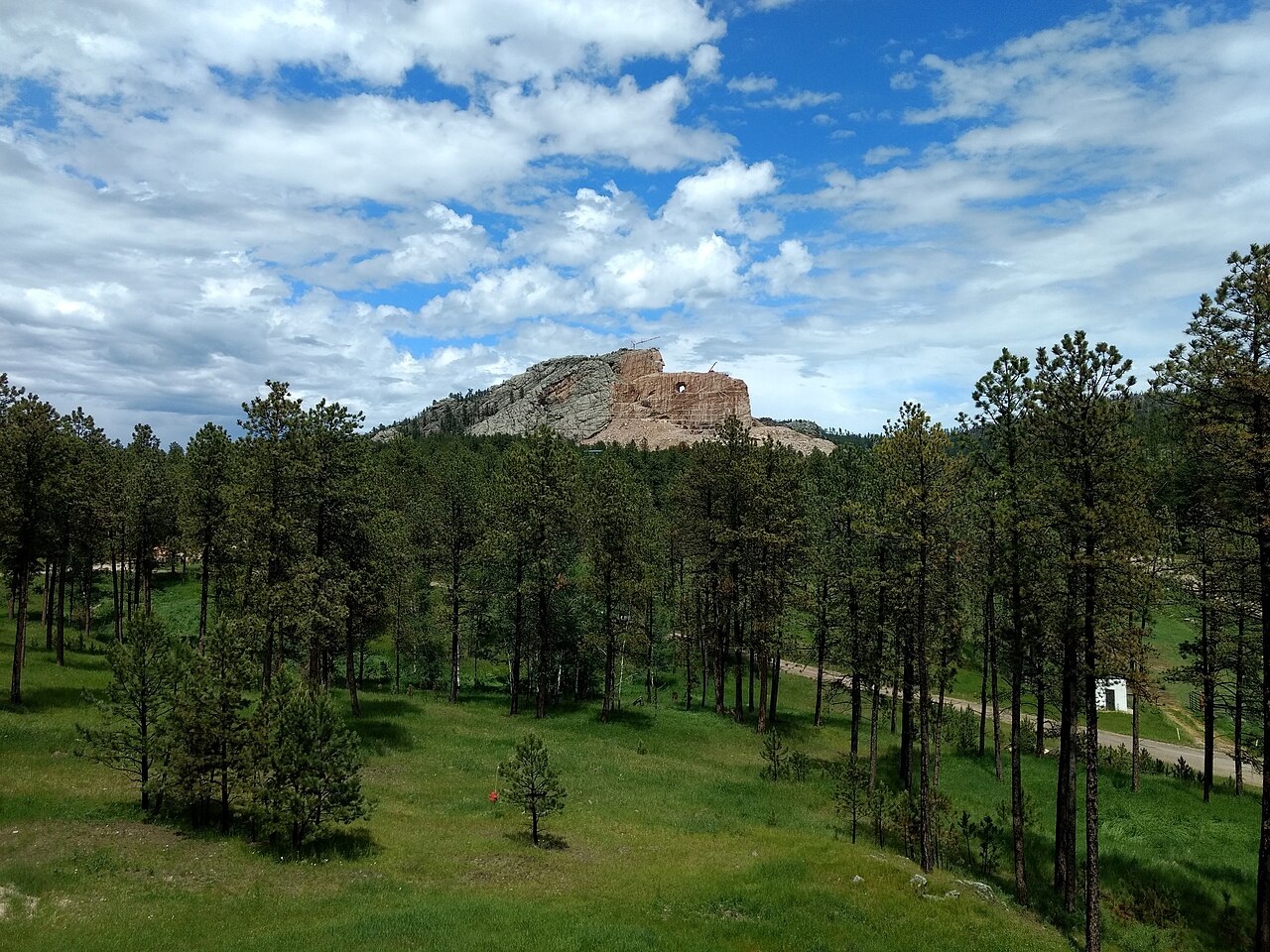
Crazy Horse Memorial
Korczak Ziolkowski · 1948–ongoing
 Document
Primary source
Treaty of Fort Laramie
1868
Ready when you are
Start chatting with Crazy Horse now.
20 messages free · No credit card · Available in 50+ languages.