


Primary sourceArtifact17th century
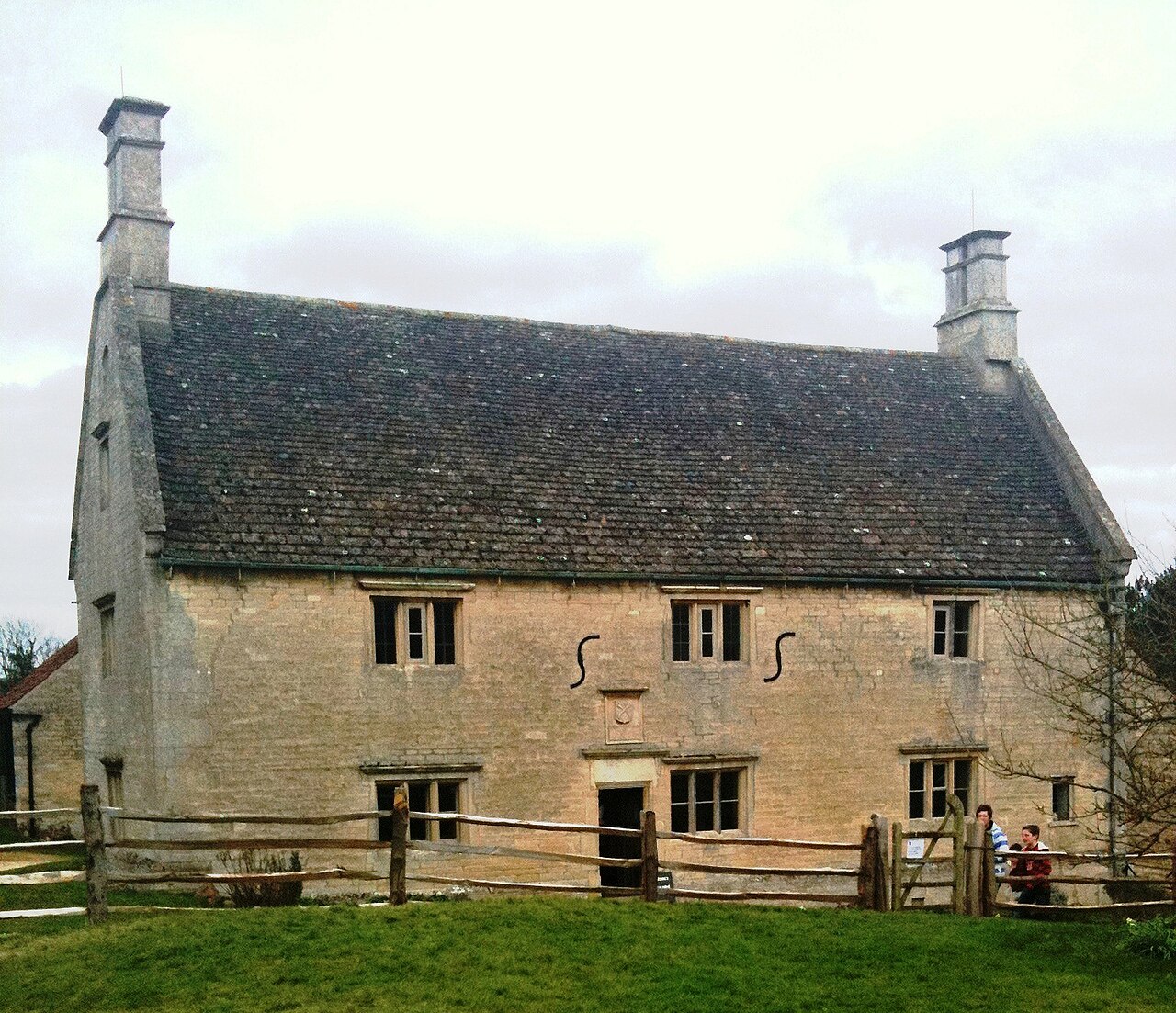
Woolsthorpe Manor
17th century
The stone farmhouse in Lincolnshire where Isaac Newton was born and where he later worked on optics, calculus and gravitation during the plague years.
Newton's birthplace and the house where he carried out key early work during the plague years of 1665–67.
About this source
What it is
Woolsthorpe Manor is a seventeenth-century yeoman's farmhouse in Woolsthorpe-by-Colsterworth, Lincolnshire. It was built by the Newton family, who had owned the property since the 1620s. It is now owned by the National Trust and open to the public.
Why it matters
Isaac Newton was born here and returned in 1666 when Cambridge University closed due to plague. During this stay he carried out some of his most important early work on light and optics, and it is traditionally said to be where he began thinking about gravity after seeing an apple fall. The house shows the modest, rural setting that shaped one of history's most influential scientists.
Look closer
- Why do you think this ordinary farmhouse became such an important historical site?
- What does the house's simple, practical design tell you about the Newton family's way of life?
- How might living away from a university, cut off by plague, have shaped the way Newton thought and worked?
This artifact is part of the curated material that grounds the AI version of Isaac Newton on Humy.ai — when students ask about related events, the AI can quote it and cite it.
More Isaac Newton sources
Meet the AI Isaac Newton →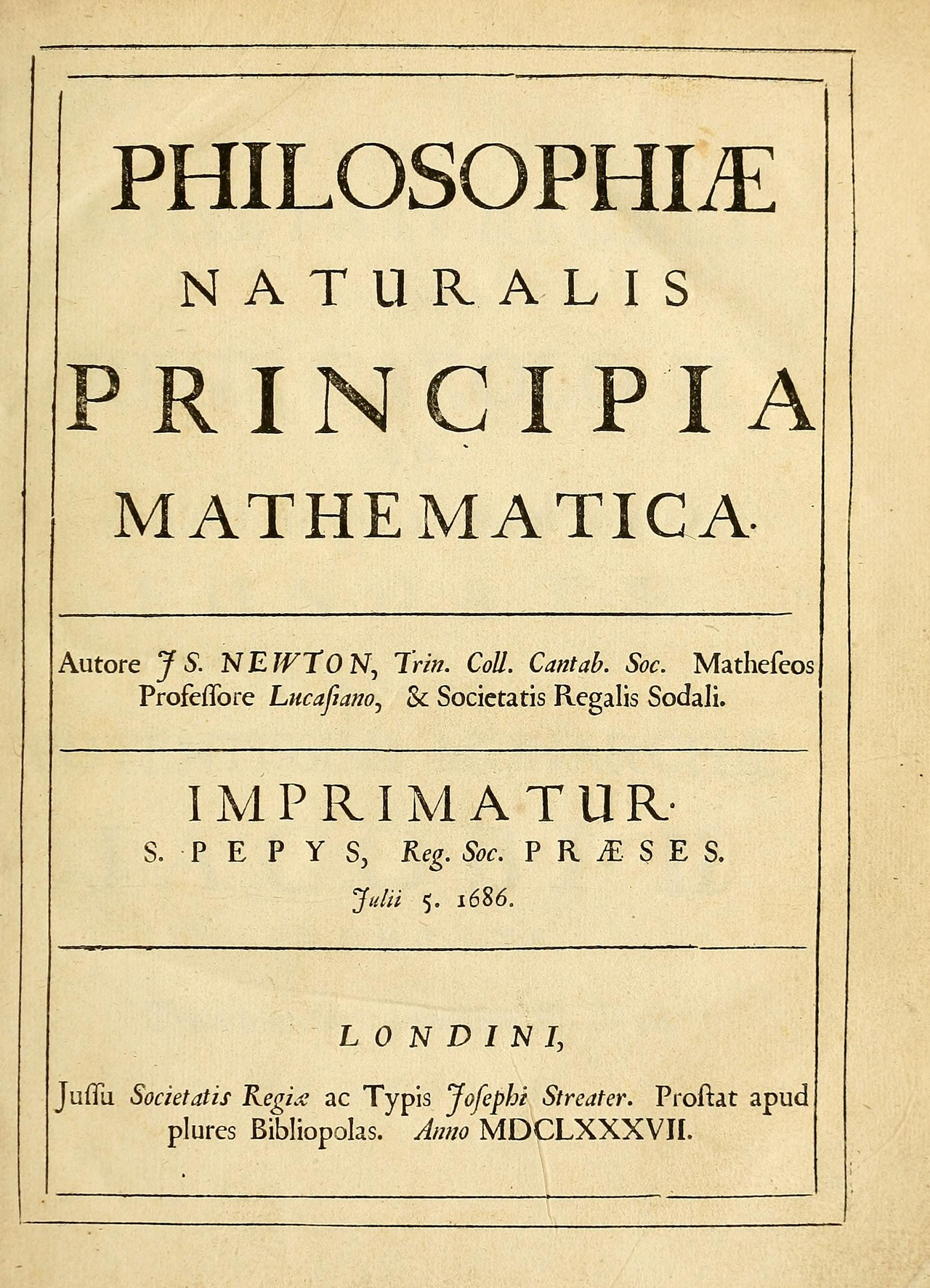 Book
Primary source
Philosophiæ Naturalis Principia Mathematica
Isaac Newton · 1687
 Book
Primary source
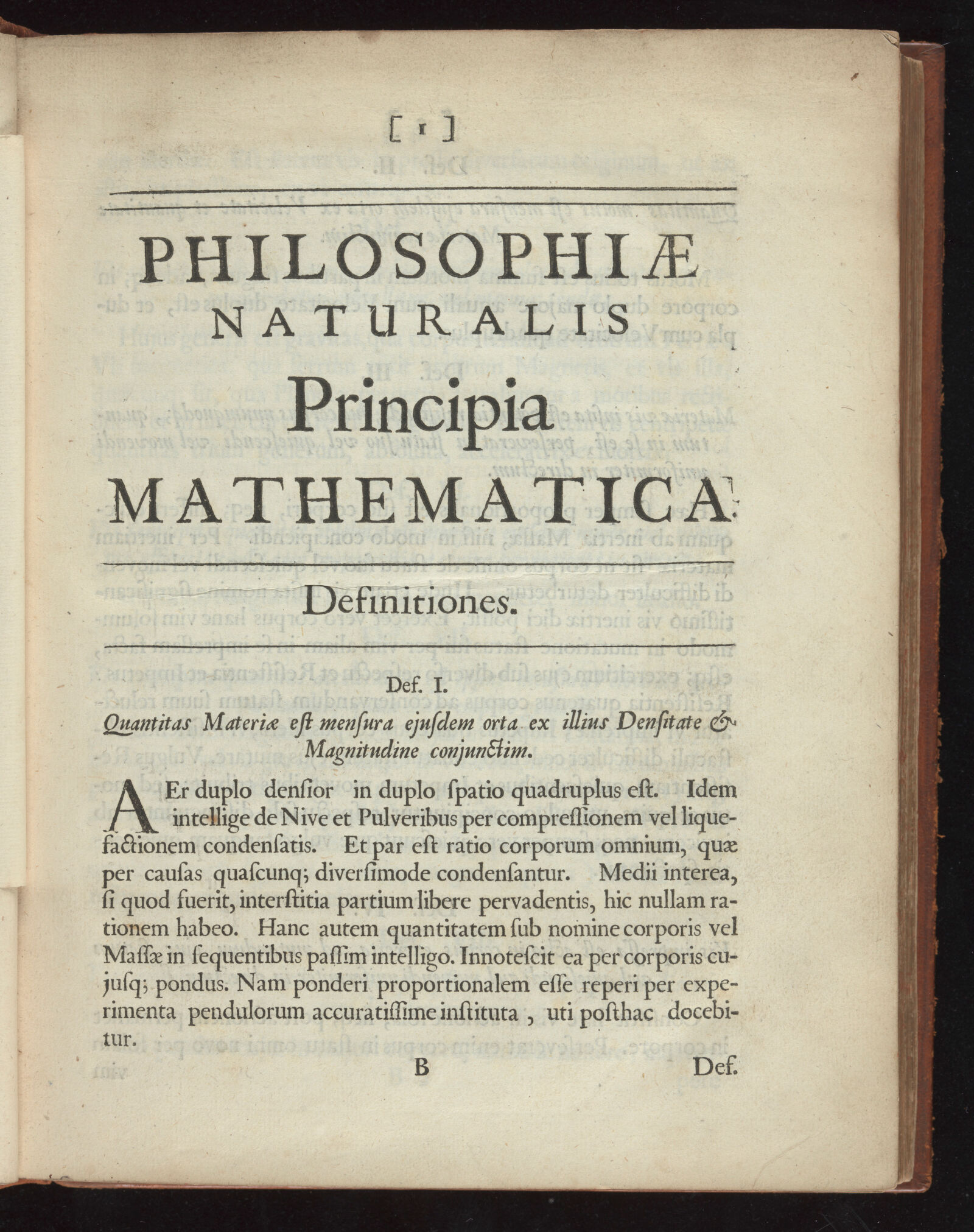
Principia Mathematica, Page 1: Definitions
Isaac Newton · 1687
 Painting
Primary source
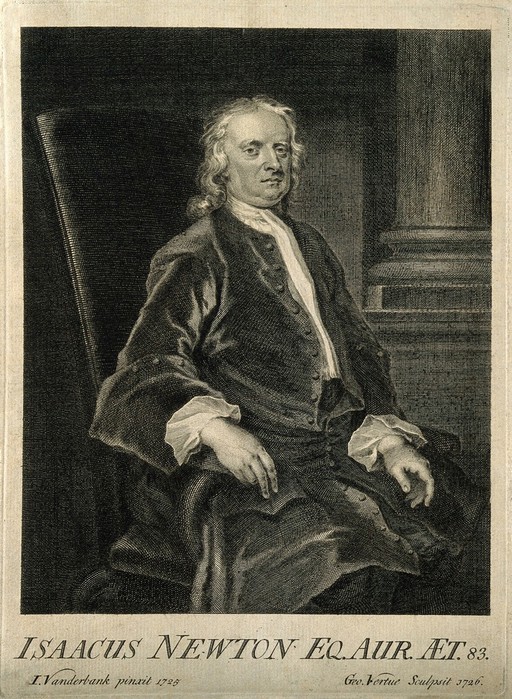
Sir Isaac Newton, line engraving by Vertue, 1726
George Vertue · 1726
 Document
Primary source
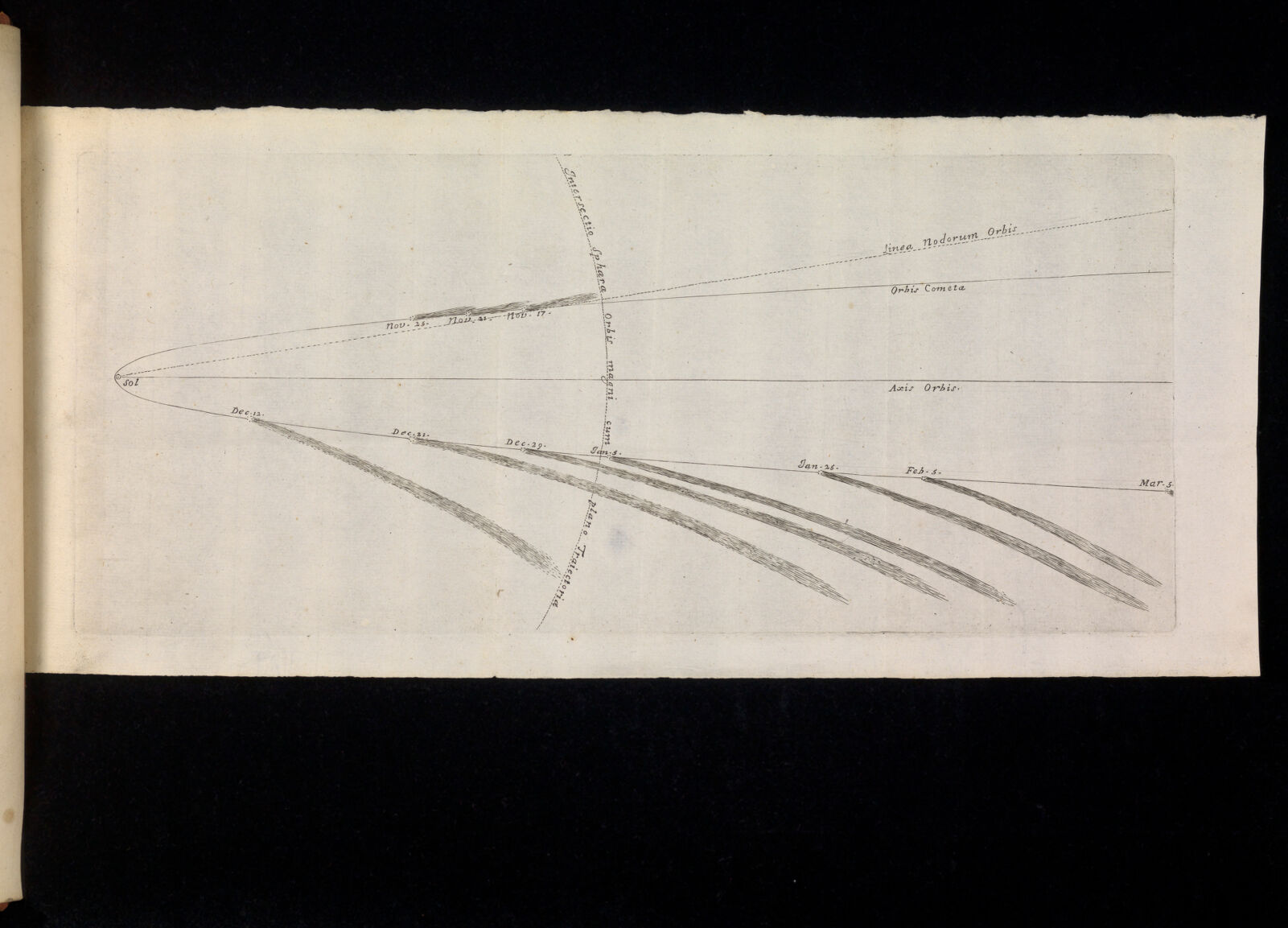
Principia Mathematica, Fold-out Diagram
Isaac Newton · 1687
 Painting
Primary source
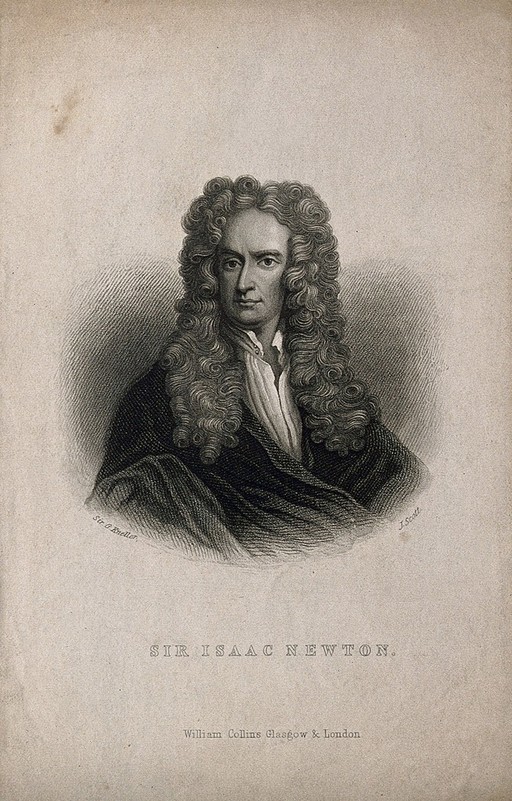
Sir Isaac Newton, stipple engraving by J. Scott after Kneller, 1702
J. Scott, after Sir Godfrey Kneller · 1702 (print made later)
Ready when you are
Start chatting with Isaac Newton now.
20 messages free · No credit card · Available in 50+ languages.