


Primary sourceBook1857
Worldliness and Other-Worldliness: The Poet Young
George Eliot · 1857
George Eliot's 1857 essay on the poet Edward Young, which uses the image of a naturalist collecting specimens to examine a clergyman-poet of the early eighteenth century.
Eliot's own essay on the poet Edward Young, showing how she judged a writer's character alongside his work.
Free Humy account · No credit card · 53,307 sources to read
About this source
What it is
This is an essay by George Eliot, dated 1857, on the English poet Edward Young. It is marked as part VII of a series and opens by imagining a student of natural history dredging the first half of the eighteenth century for specimens. The imagined specimen is a man near fifty, around 1730, who has recently become a clergyman. The text is a copy on Wikisource.
Why it matters
Eliot judges Young both as a writer and as a person who lived between worldly ambition and religious devotion. The essay mentions his youth as a hanger-on of the Duke of Wharton, his failed hopes for a parliamentary career, and his shifting praise of King George and of God. Through Young, Eliot examines how a poet's life and his moral poetry could seem to pull in opposite directions.
Look closer
- Why does Eliot compare a poet to a specimen in natural history, and what does that comparison make the reader do?
- The essay describes Young praising both a king and God. What does it suggest about the poet's loyalties?
- What does the essay leave out about Young's poems, and how might that change our view of him?
This book is part of the curated material that grounds the AI version of George Eliot on Humy.ai — when students ask about related events, the AI can quote it and cite it.
More George Eliot sources
Browse all 95 →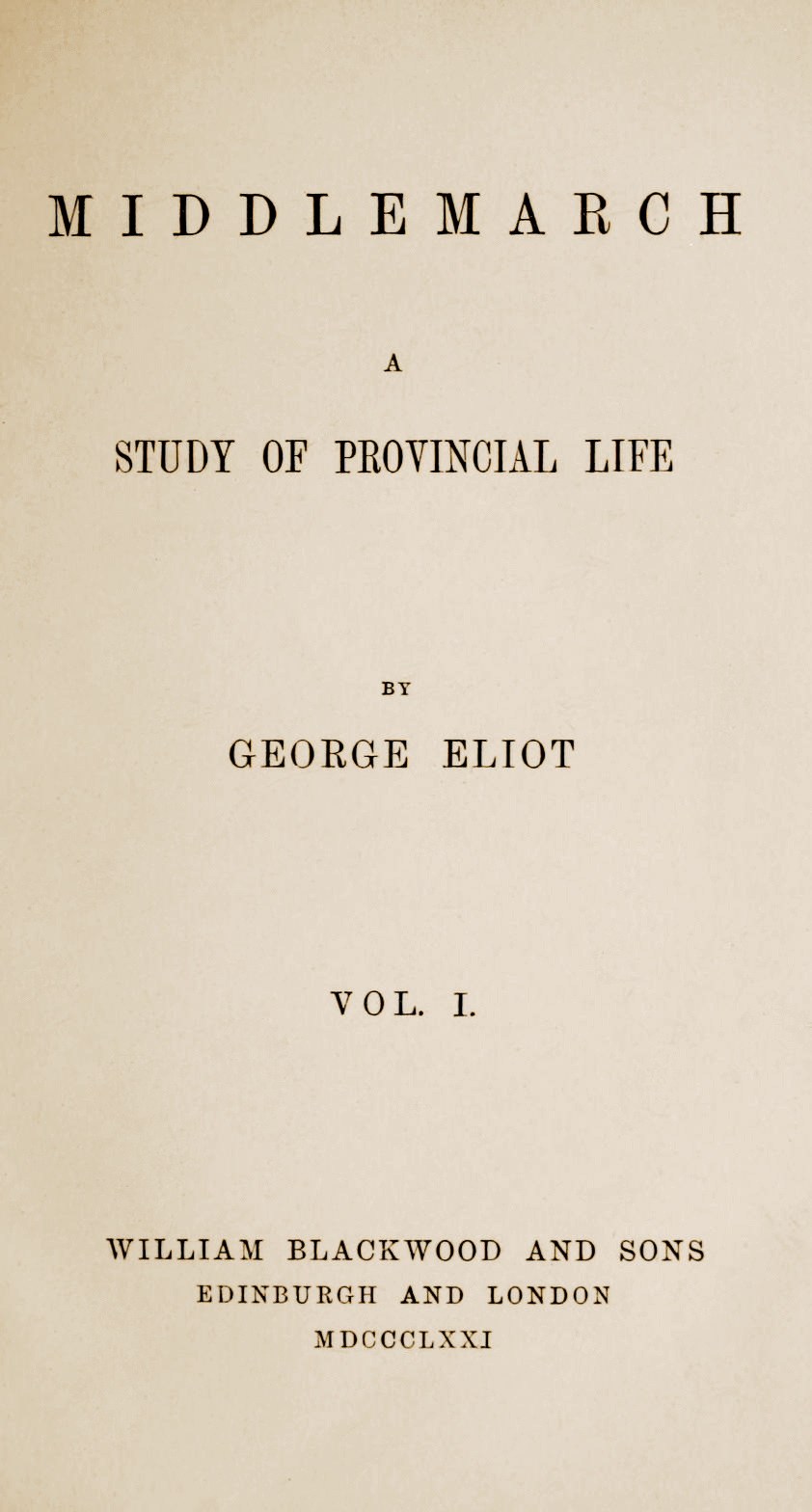
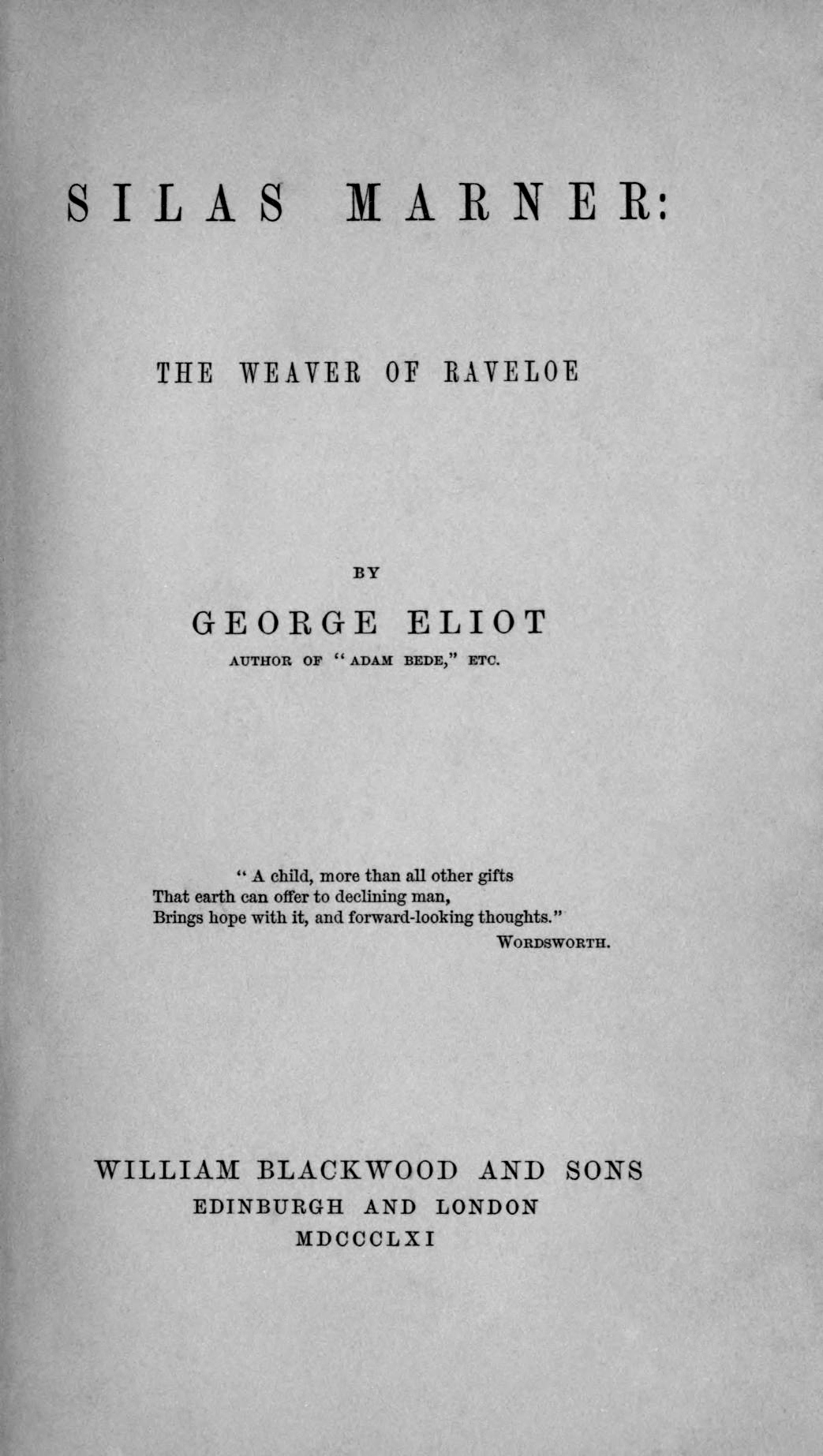
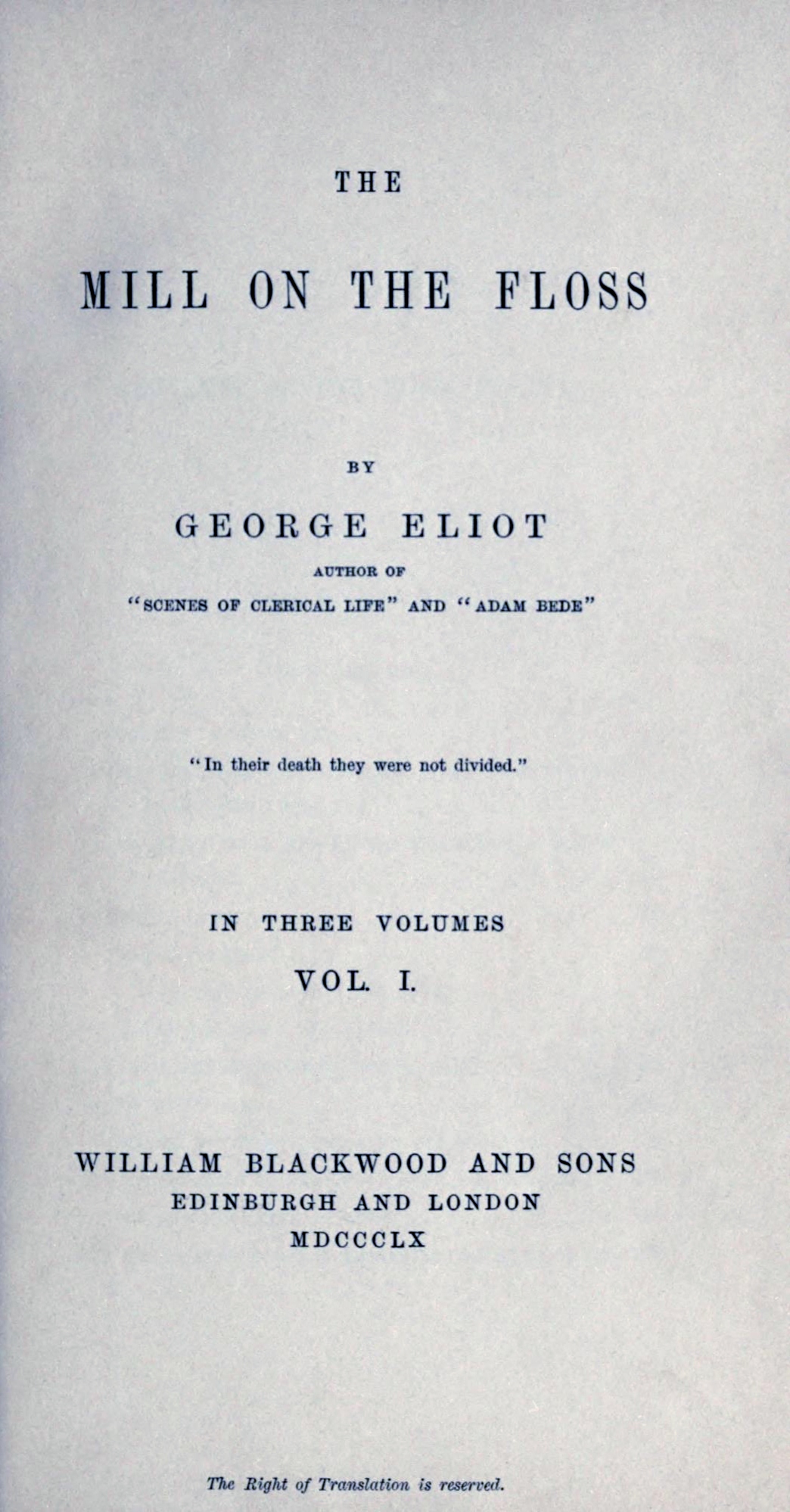
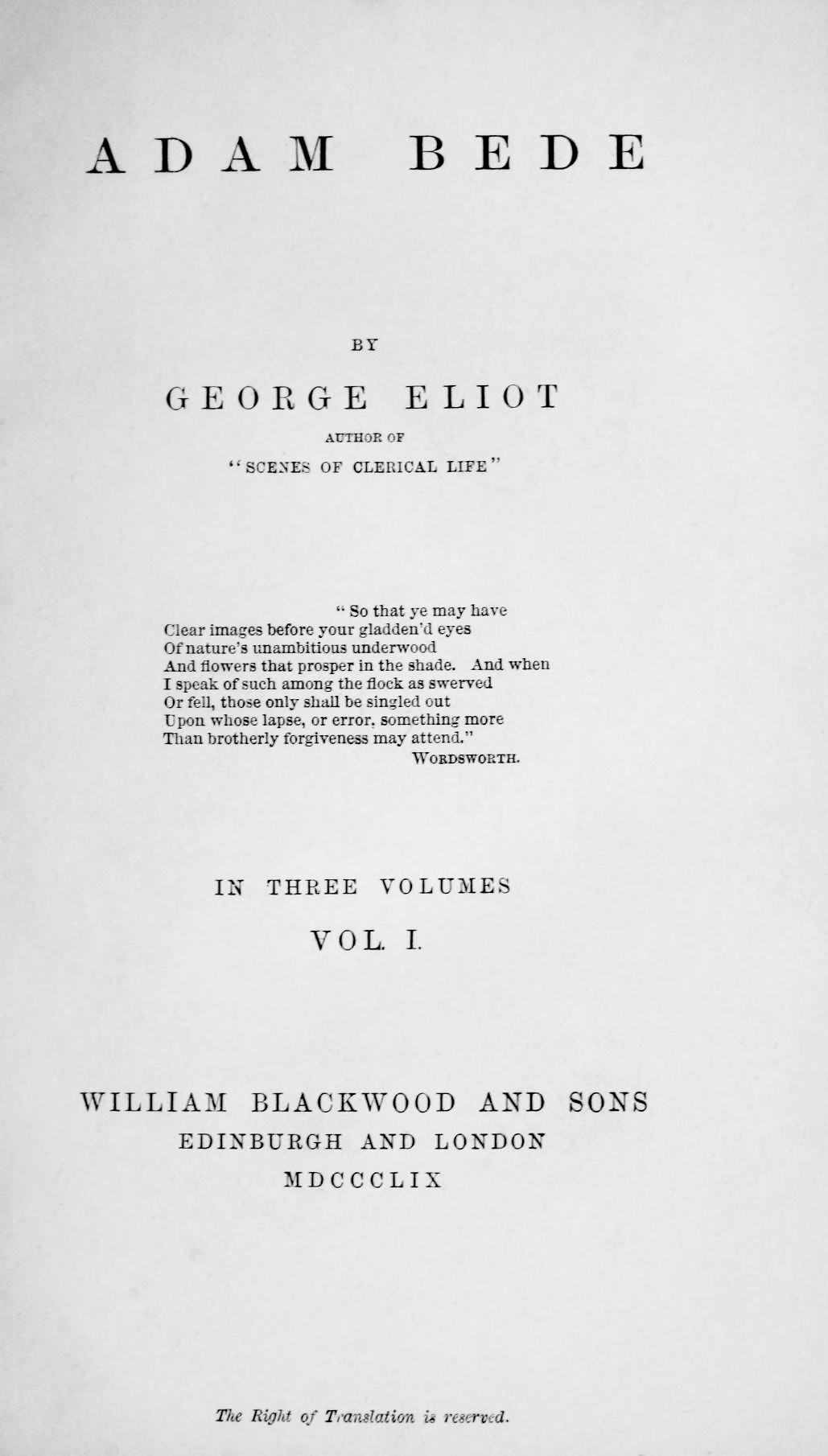
Ready when you are
Start chatting with George Eliot now.
20 messages free · No credit card · Available in 50+ languages.