


Primary sourceArtifact1911
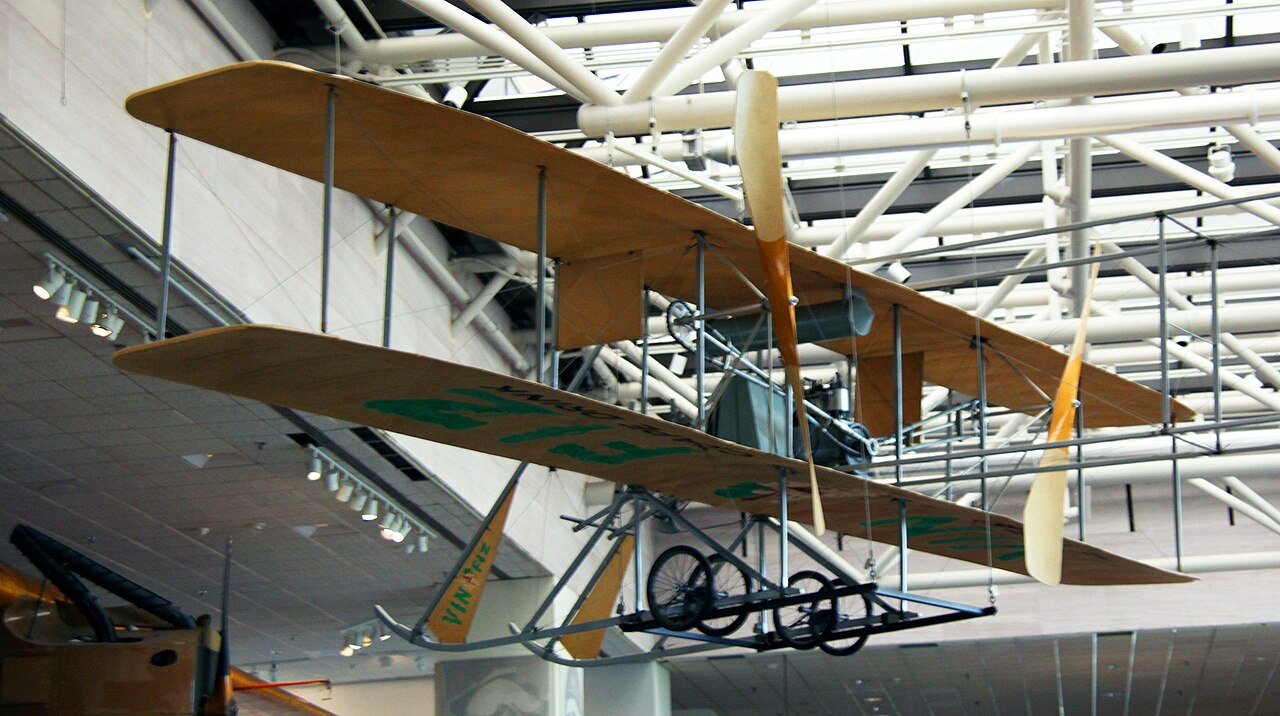
Wright Model EX "Vin Fiz"
Wright Company · 1911
A Wright Company airplane flown by Calbraith Rodgers in 1911 on the first coast-to-coast flight across the United States.
This airplane was built and sold by the Wright Company, the business Orville Wright directed after 1909.
About this source
What it is
This is a biplane built by the Wright Company, the business Orville Wright led, designated the Model EX for exhibition flying. One example, named the Vin Fiz Flyer after a soft drink whose maker sponsored the flight, was flown by Calbraith Perry Rodgers in 1911. It is now held by the Smithsonian National Air and Space Museum.
Why it matters
Rodgers bought the plane to attempt a prize offered for flying coast to coast in under thirty days, supported by a train crew that included Charlie Taylor, the Wright brothers' own mechanic. The flight shows both how far powered flight had come since Orville and Wilbur's first flights in 1903, and how fragile and slow early aircraft still were, since the plane needed constant repair along the route.
Look closer
- Why does the plane carry an advertisement rather than a military or government marking?
- What does the need for a support train and mechanic suggest about the reliability of early aircraft?
- How does this object connect to the Wright Company that Orville ran?
This artifact is part of the curated material that grounds the AI version of Orville Wright on Humy.ai — when students ask about related events, the AI can quote it and cite it.
More Orville Wright sources
Meet the AI Orville Wright →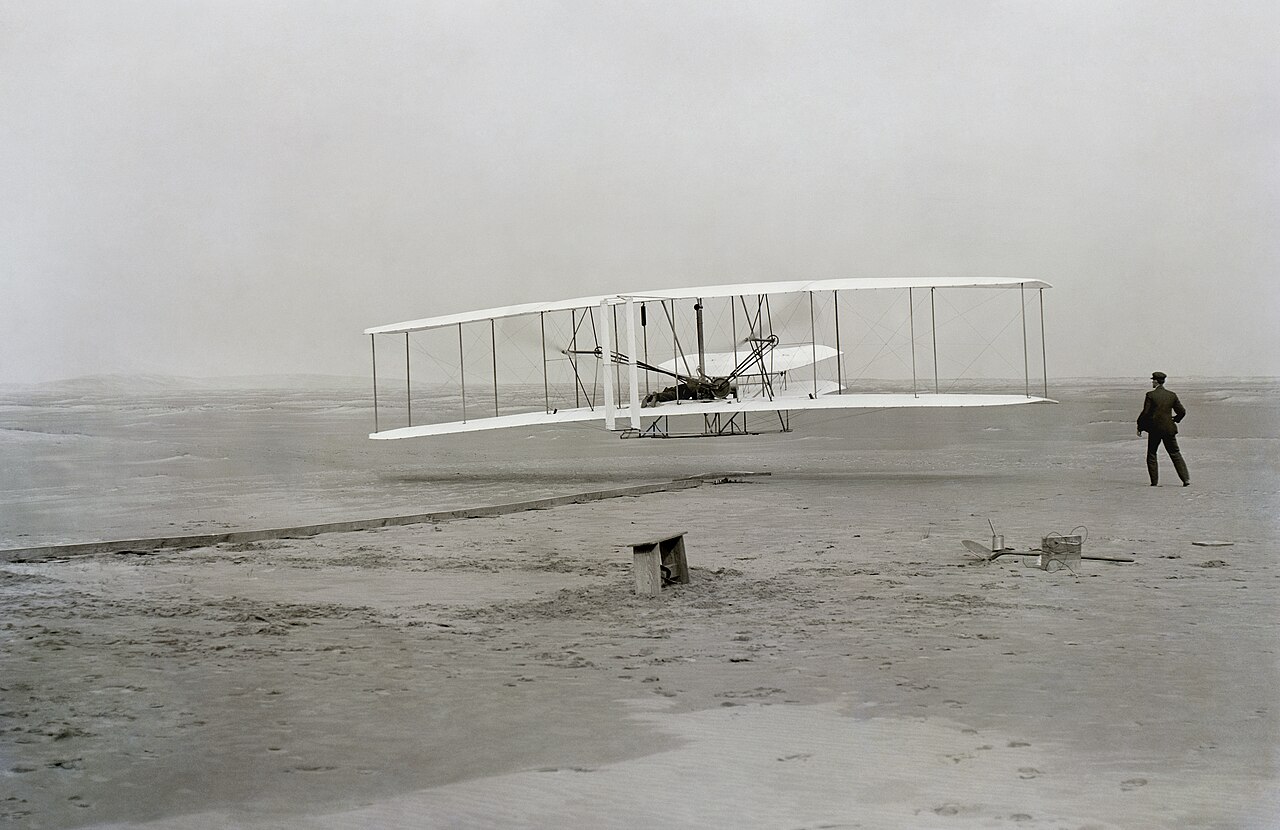 Photograph
Primary source
Wright Flyer
17 December 1903
 Document
Primary source
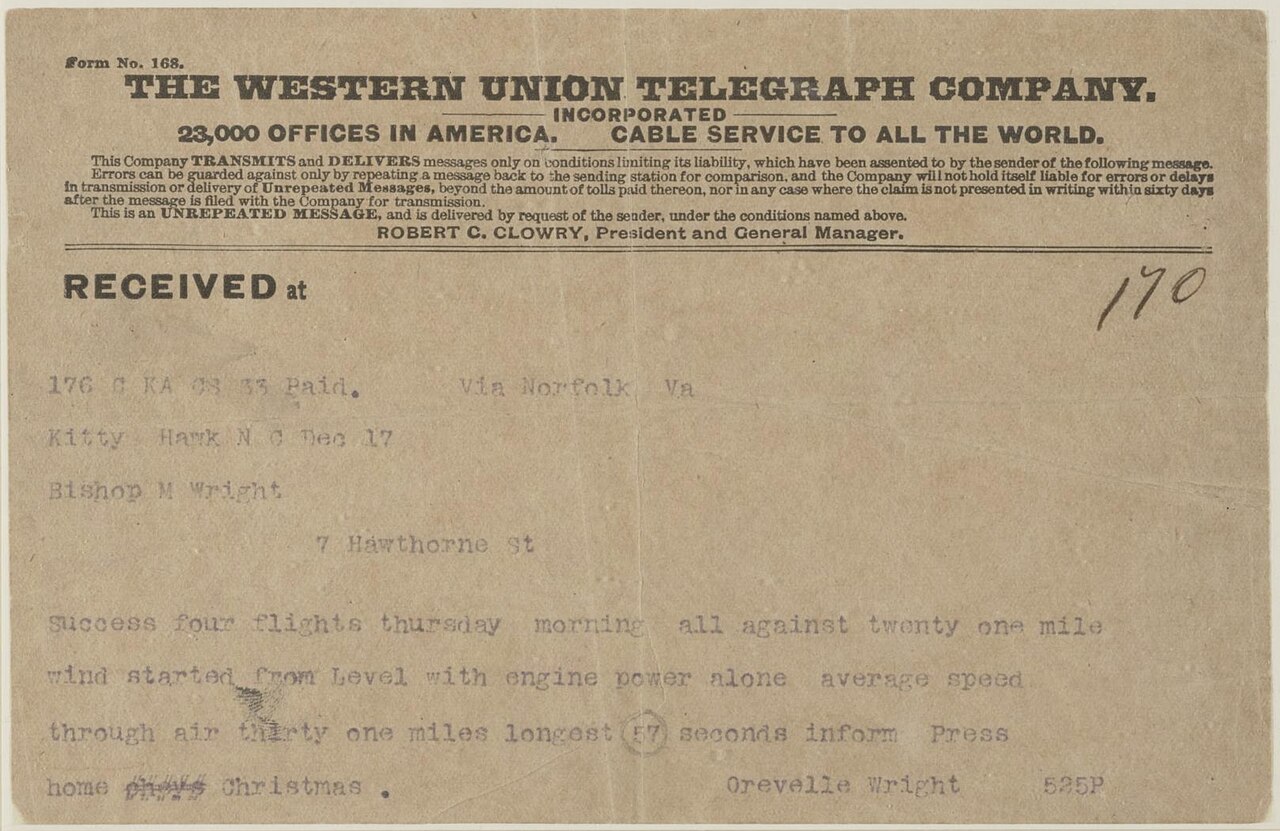
Telegram to Milton Wright, 17 December 1903
Orville Wright · 17 December 1903
 Diary entry
Primary source
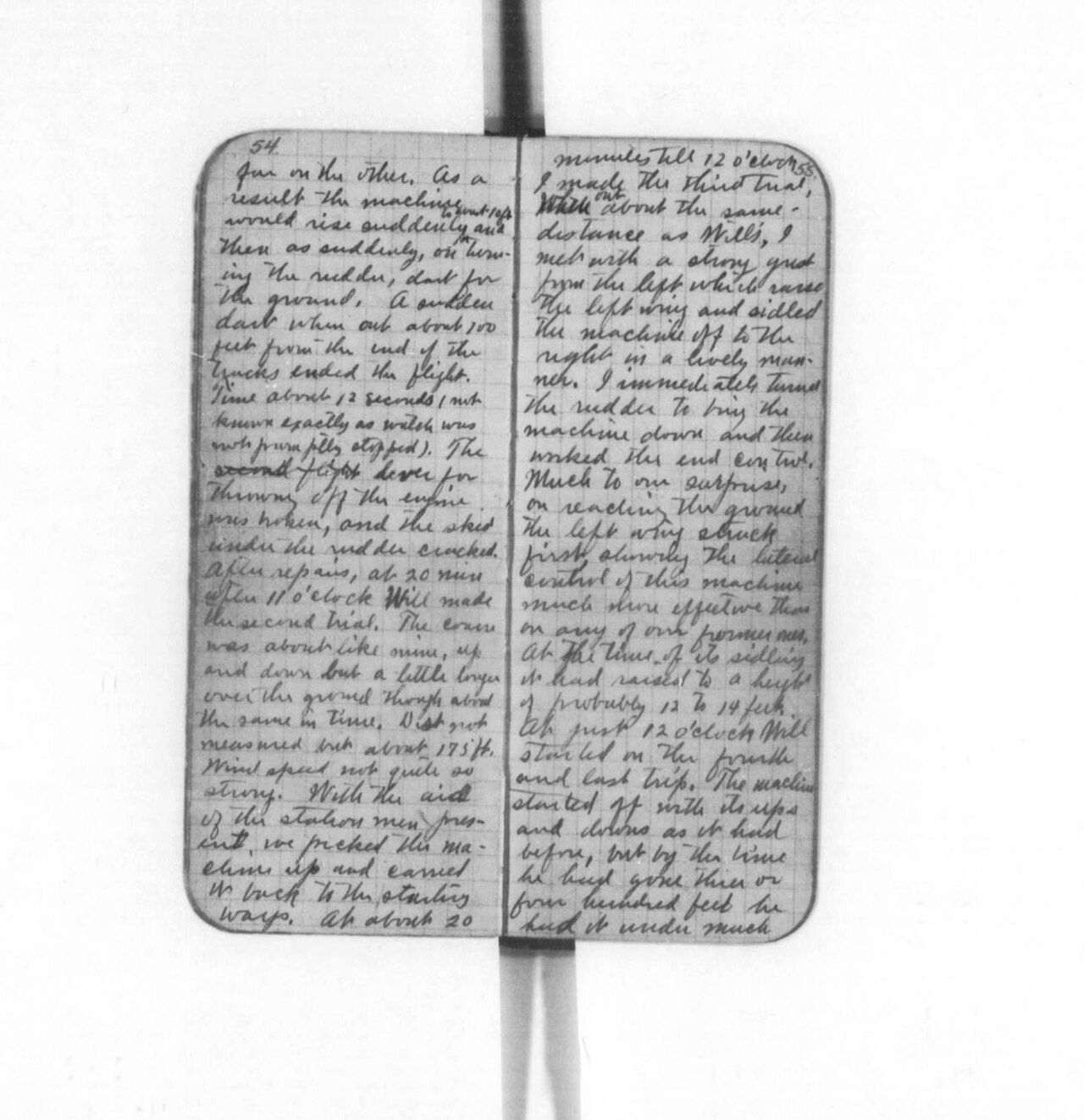
Diary Entry for December 17, 1903
Orville Wright · 17 December 1903
 Photograph
Primary source
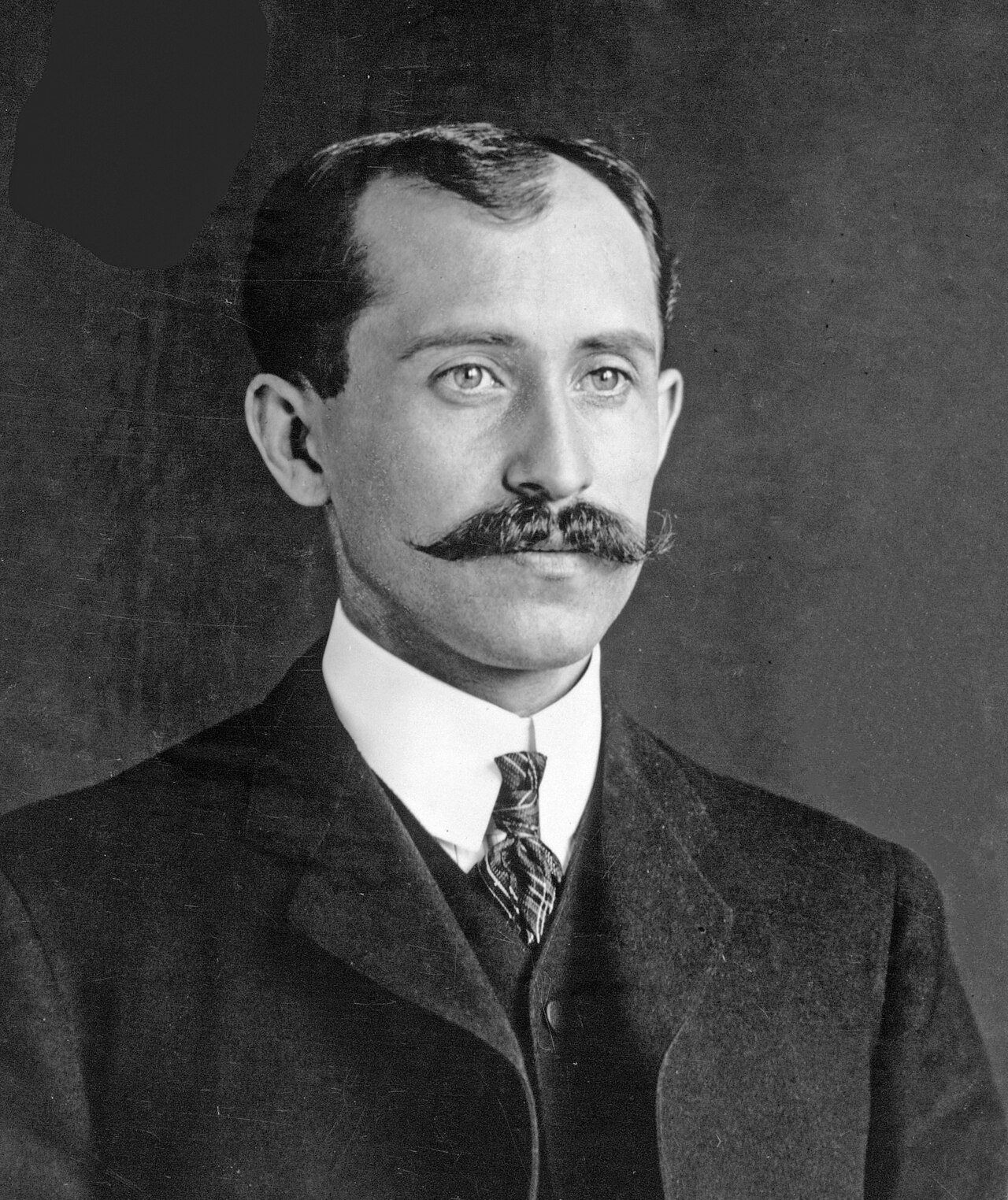
Orville Wright, 1905 Portrait
Unknown · 1905
 Photograph
Primary source
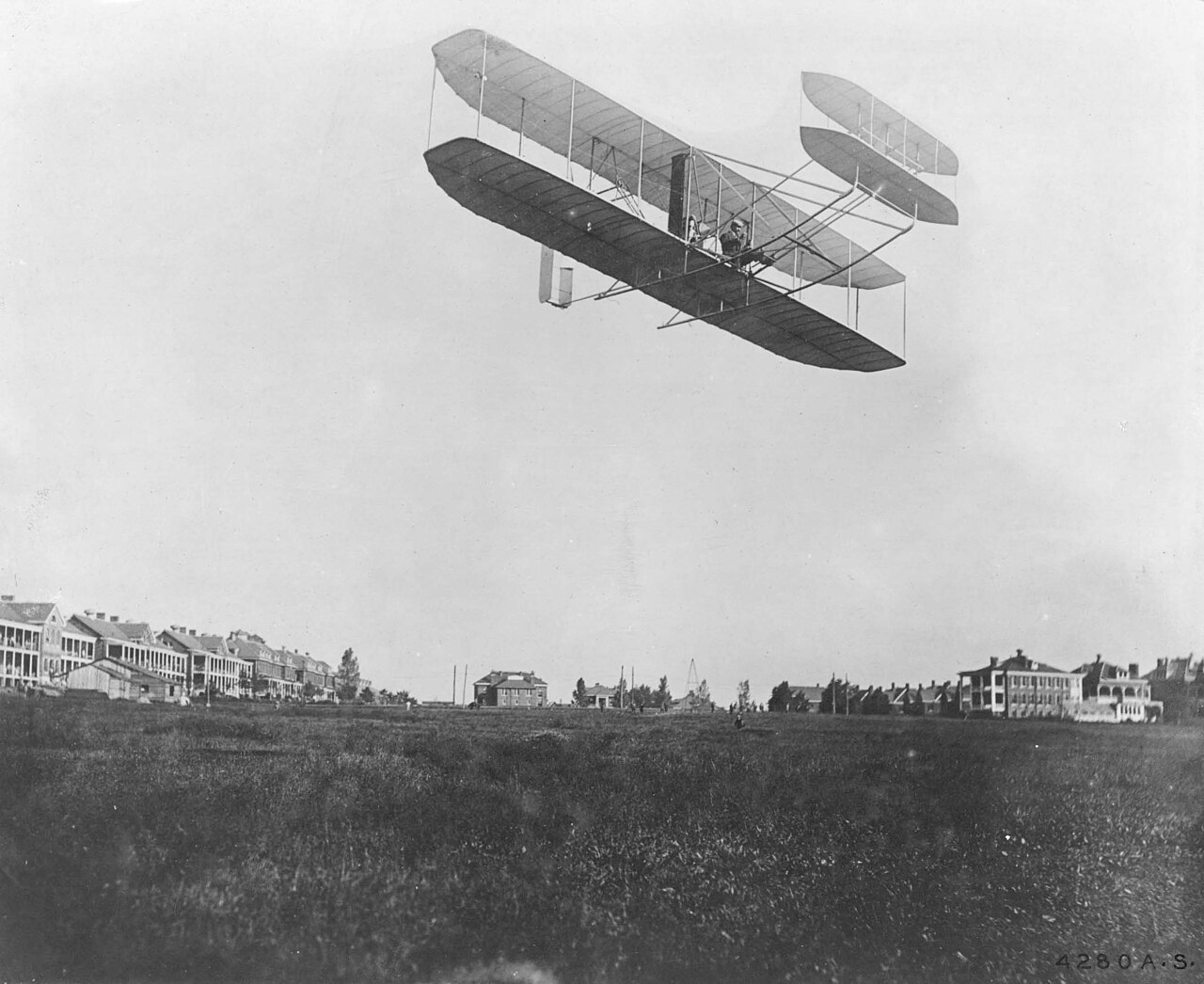
Orville Wright Flying at Fort Myer
Unknown (US Army) · 1908
Ready when you are
Start chatting with Orville Wright now.
20 messages free · No credit card · Available in 50+ languages.