


Secondary sourceArtifactrebuilt 1672, on earlier foundations
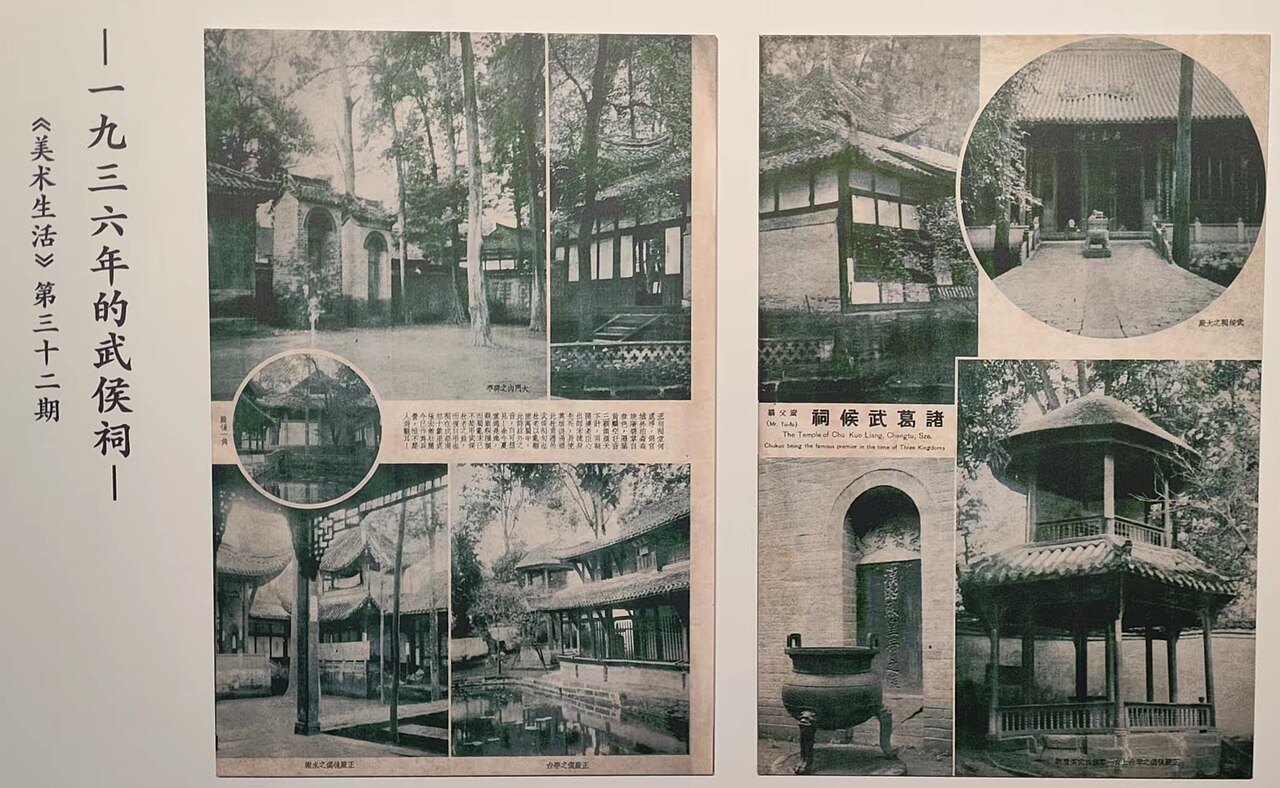
Wuhou Shrine, Chengdu
rebuilt 1672, on earlier foundations
The principal shrine to Zhuge Liang in Chengdu, joined to the tomb of Liu Bei, showing how he was later honoured as a model loyal minister.
This shrine, dedicated to Zhuge Liang and joined to Liu Bei's tomb, shows his lasting status as a revered minister.
About this source
What it is
The Wuhou Shrine, also called the Wuhou Temple, is a shrine complex in Chengdu rebuilt in 1672 on earlier foundations. It is joined with the Han Zhaolie Temple, which honours Liu Bei, the founding emperor of Shu Han whom Zhuge Liang served. The site is now the Chengdu Wuhou Shrine Museum.
Why it matters
The shrine shows how, long after his death, Zhuge Liang was remembered not just as a strategist but as a model of loyal service, honoured alongside the ruler he served. Its survival and rebuilding over centuries reveal how Chinese communities kept reshaping their memory of the Three Kingdoms period and its heroes.
Look closer
- Why might a shrine to a minister be built right next to the tomb of his emperor?
- What does the rebuilding of the shrine in 1672 tell you about how long Zhuge Liang's reputation lasted?
- What can a shrine like this tell us about history, compared with a written document?
This artifact is part of the curated material that grounds the AI version of Zhuge Liang on Humy.ai — when students ask about related events, the AI can quote it and cite it.
More Zhuge Liang sources
Browse all 85 →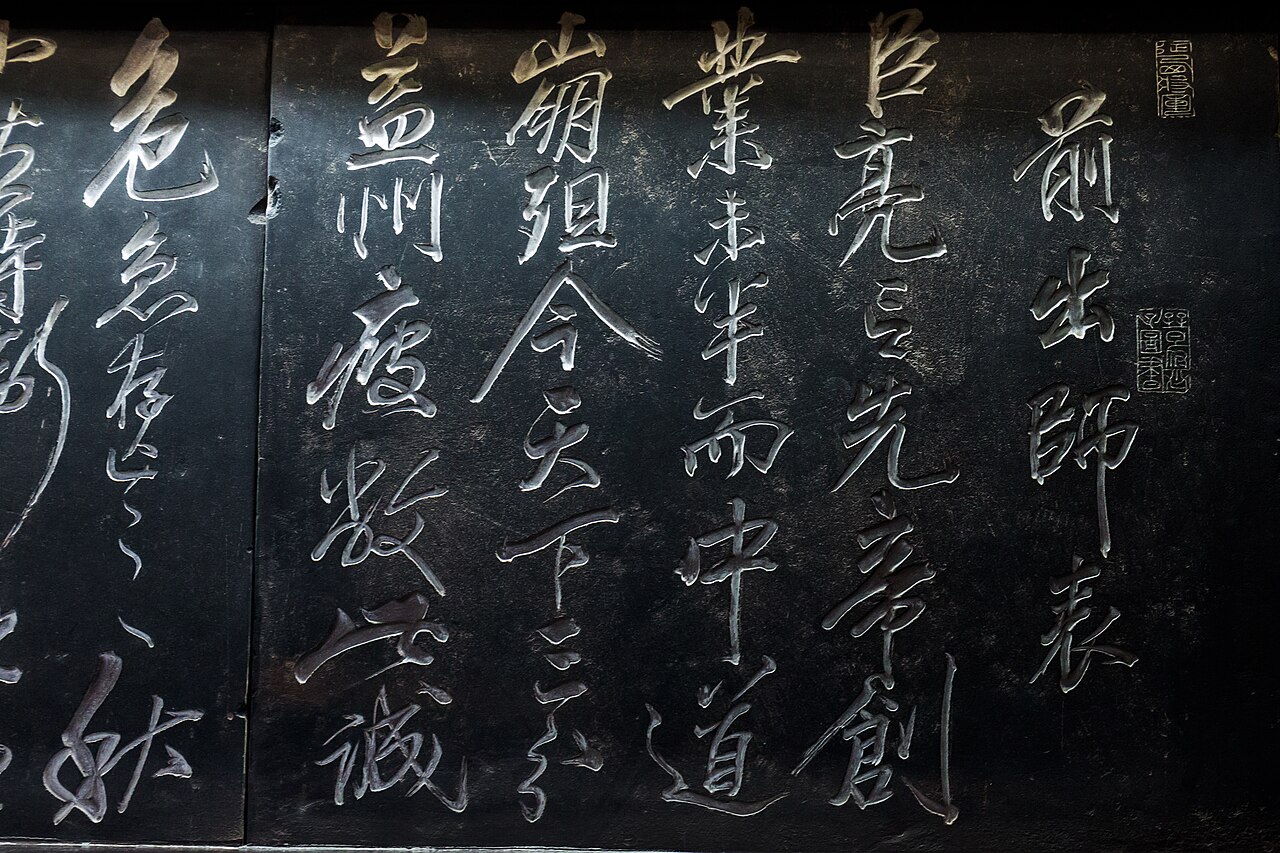 Letter
Primary source
Chu Shi Biao
Zhuge Liang · 227 (Former); 228 (Later, disputed)
 Speech
Primary source
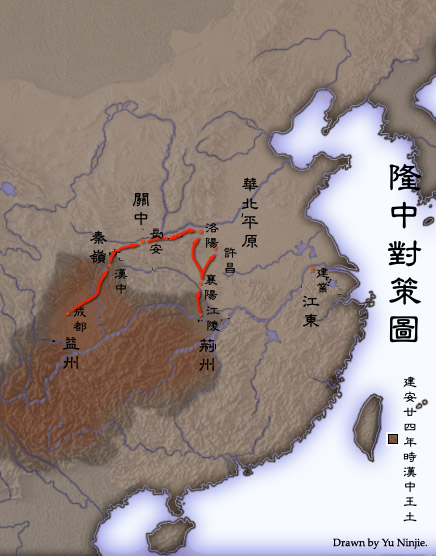
Longzhong Plan
Zhuge Liang · 207 CE
Secondary source
Hou Chu Shi Biao
Attributed to Zhuge Liang (disputed, possibly Zhuge Ke) · 228 CE (disputed)
 Painting
Secondary source
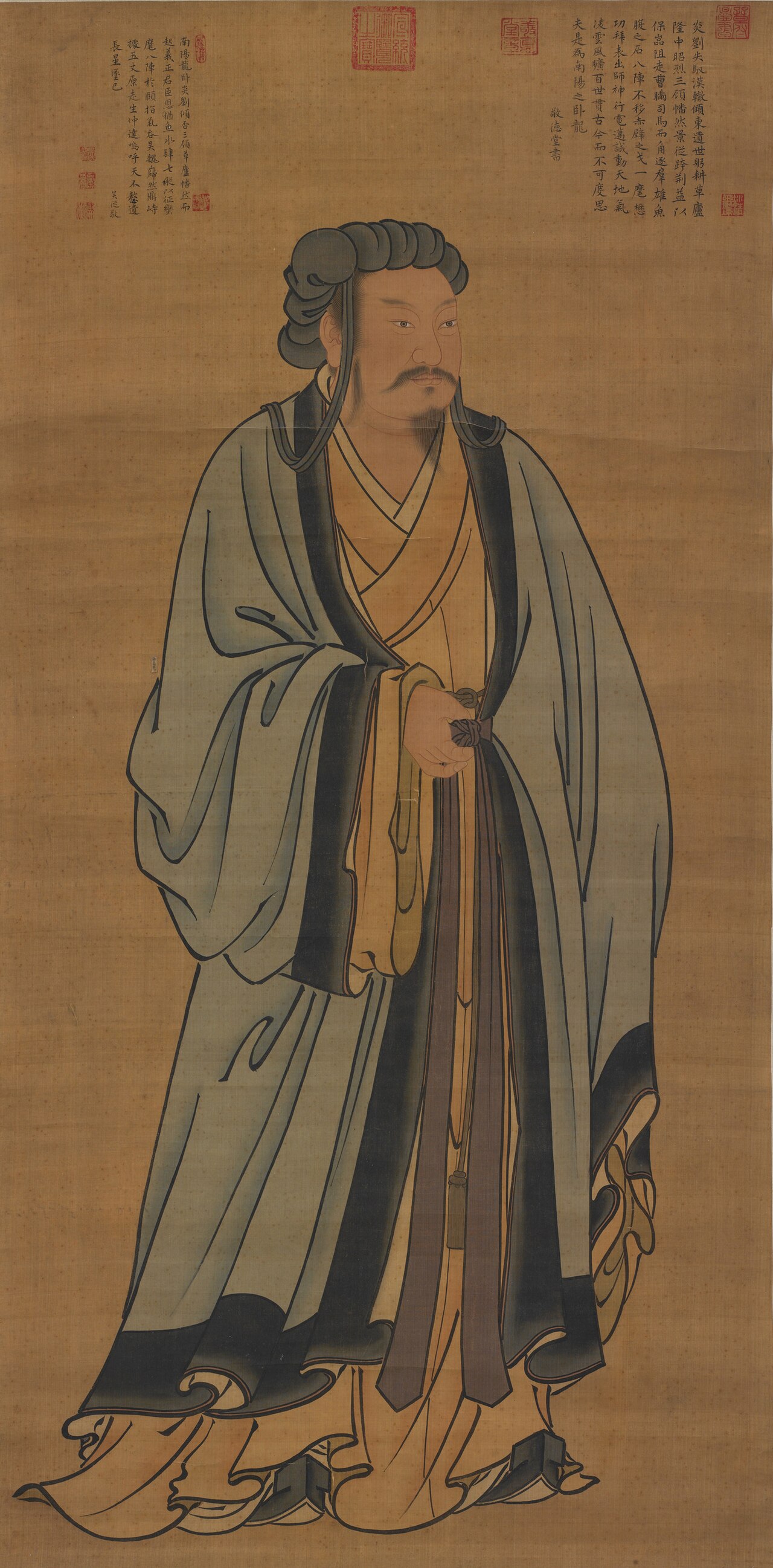
Portrait of Zhuge Liang
Unknown · Ming dynasty
Free account
Read every Zhuge Liang source
Sign up free →
Ready when you are
Start chatting with Zhuge Liang now.
20 messages free · No credit card · Available in 50+ languages.