


Primary sourceDocumentc. 486-465 BCE
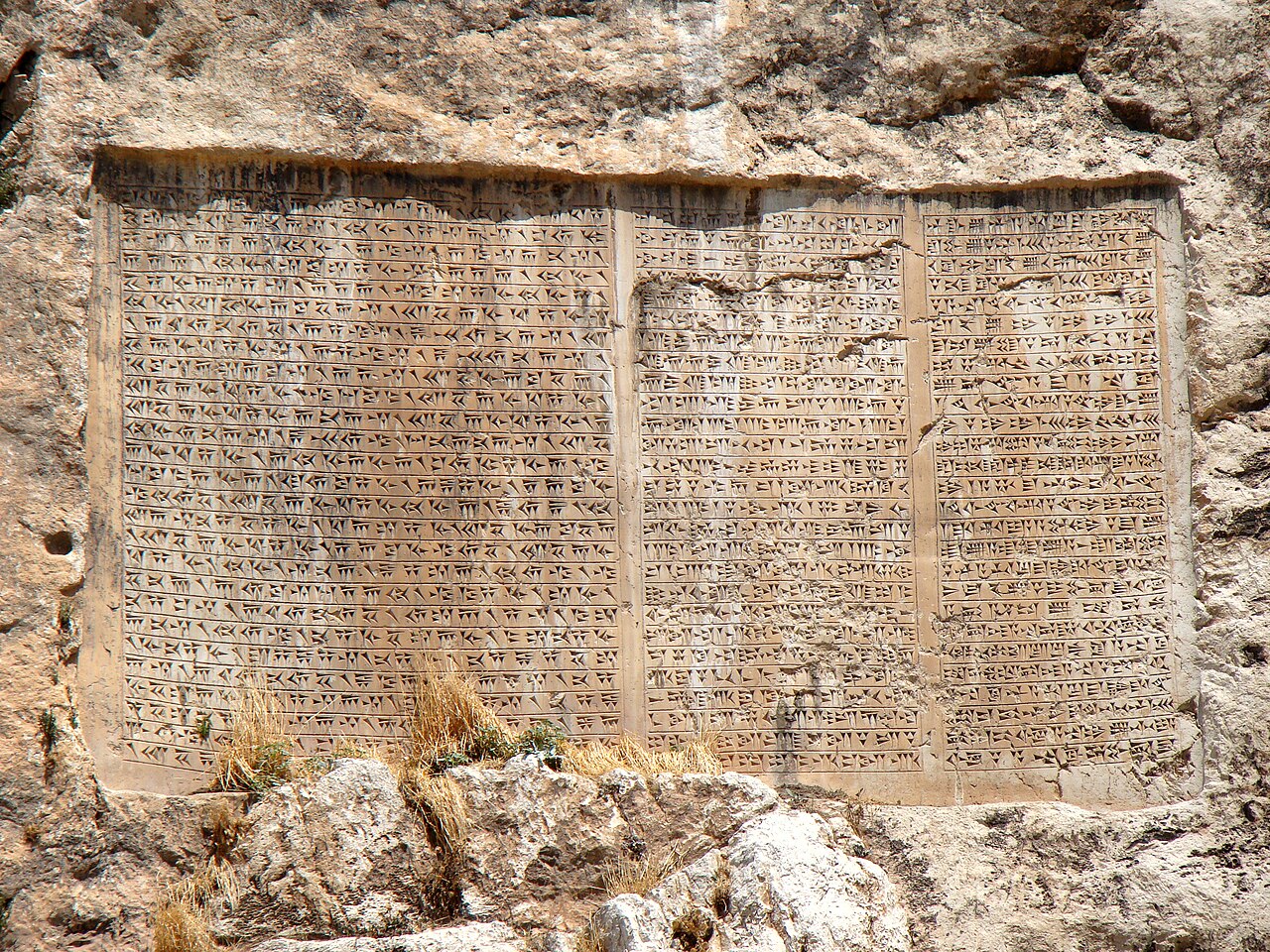
Xerxes I Inscription at Van
Xerxes I · c. 486-465 BCE
A trilingual rock inscription of the Persian king Xerxes I, carved near Lake Van, proclaiming his right to rule as son of Darius.
Direct Persian evidence of Xerxes, the king whose invasion Leonidas resisted at Thermopylae.
About this source
What it is
This is a cuneiform inscription cut high into a rock face near the Van Fortress in present-day Turkey. It was carved for Xerxes I, King of Persia, who ruled after his father Darius. The text is written three times, in Old Persian, Elamite and Babylonian, and says the same thing in each language.
Why it matters
Xerxes used the inscription to show he was the rightful king, blessed by the god Ahuramazda and the true son of Darius. Historians see it as a bold statement of Persian power over a conquered region. Xerxes was the king who later led the huge Persian invasion of Greece that Leonidas and the Spartans fought against at Thermopylae.
Look closer
- Why might a king carve his message in three languages instead of the local language?
- What does placing the text so high up and so large tell you about its purpose?
- Whose voice do we hear here — and whose do we not hear?
This document is part of the curated material that grounds the AI version of Leonidas I on Humy.ai — when students ask about related events, the AI can quote it and cite it.
More Leonidas I sources
Browse all 59 → Book
Secondary source
Histories
Herodotus · c. 440 BCE
 Document
Primary source
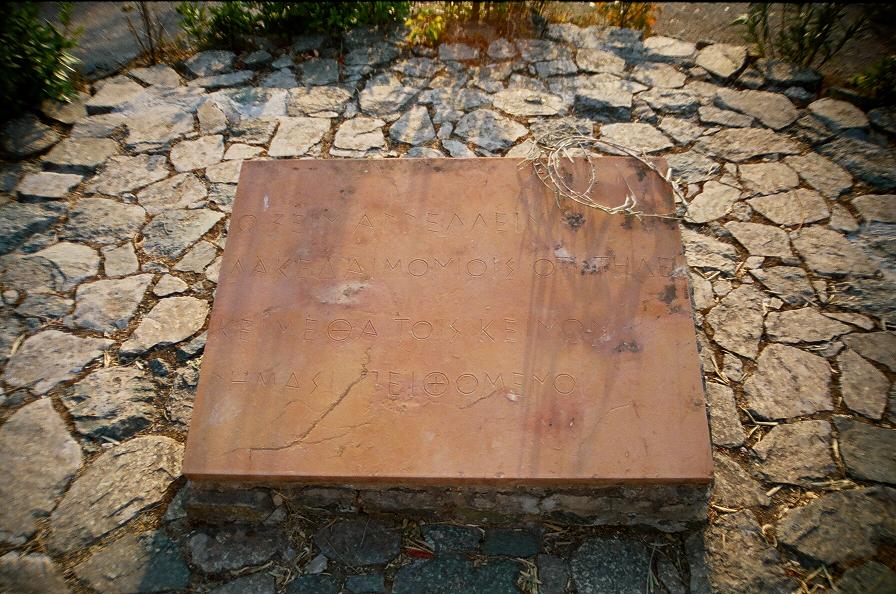
Go Tell the Spartans epitaph
Attributed to Simonides of Ceos · c. 480-479 BCE
 Painting
Primary source
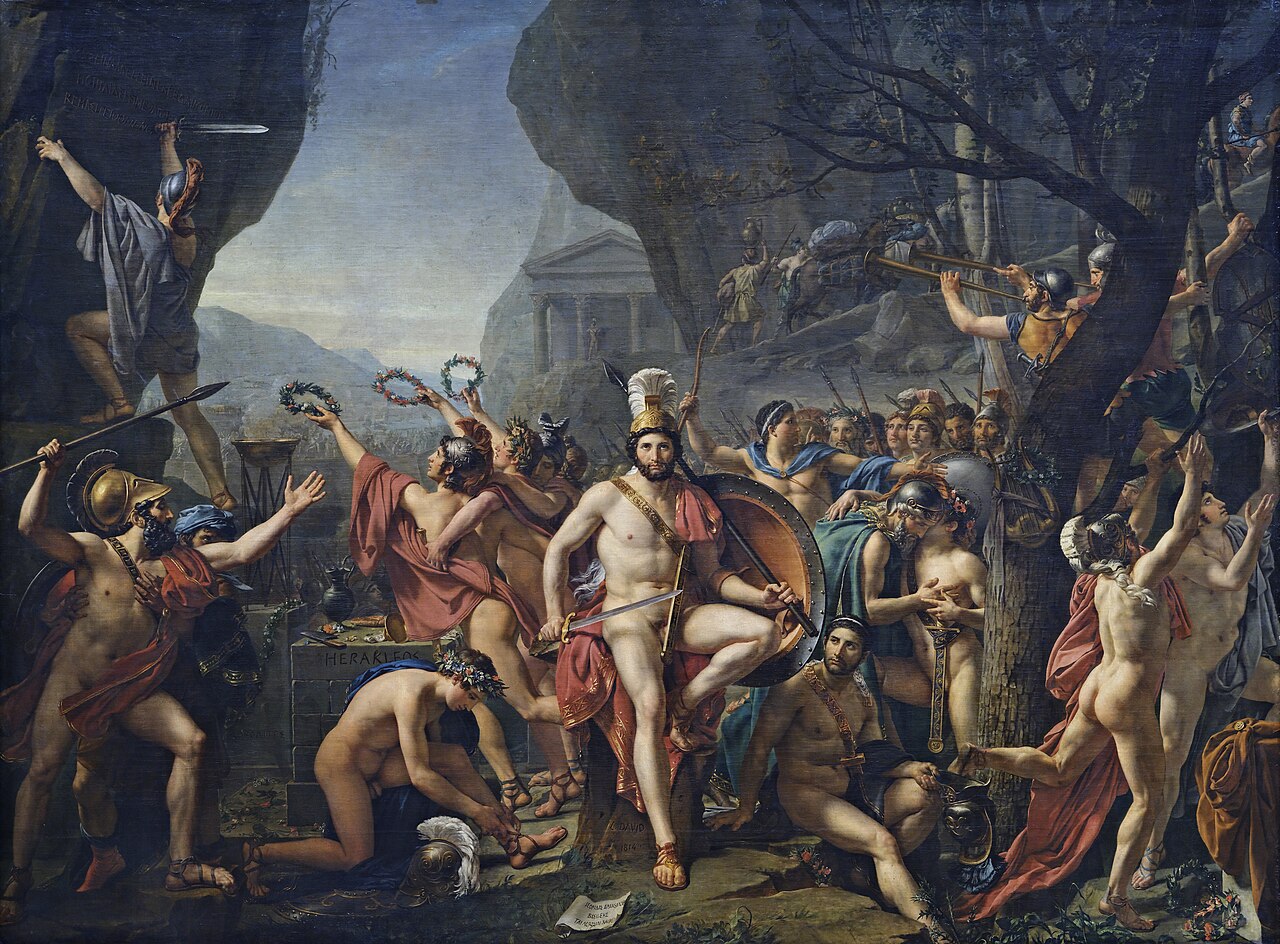
Leonidas at Thermopylae
Jacques-Louis David · 1799–1814
 Book
Secondary source
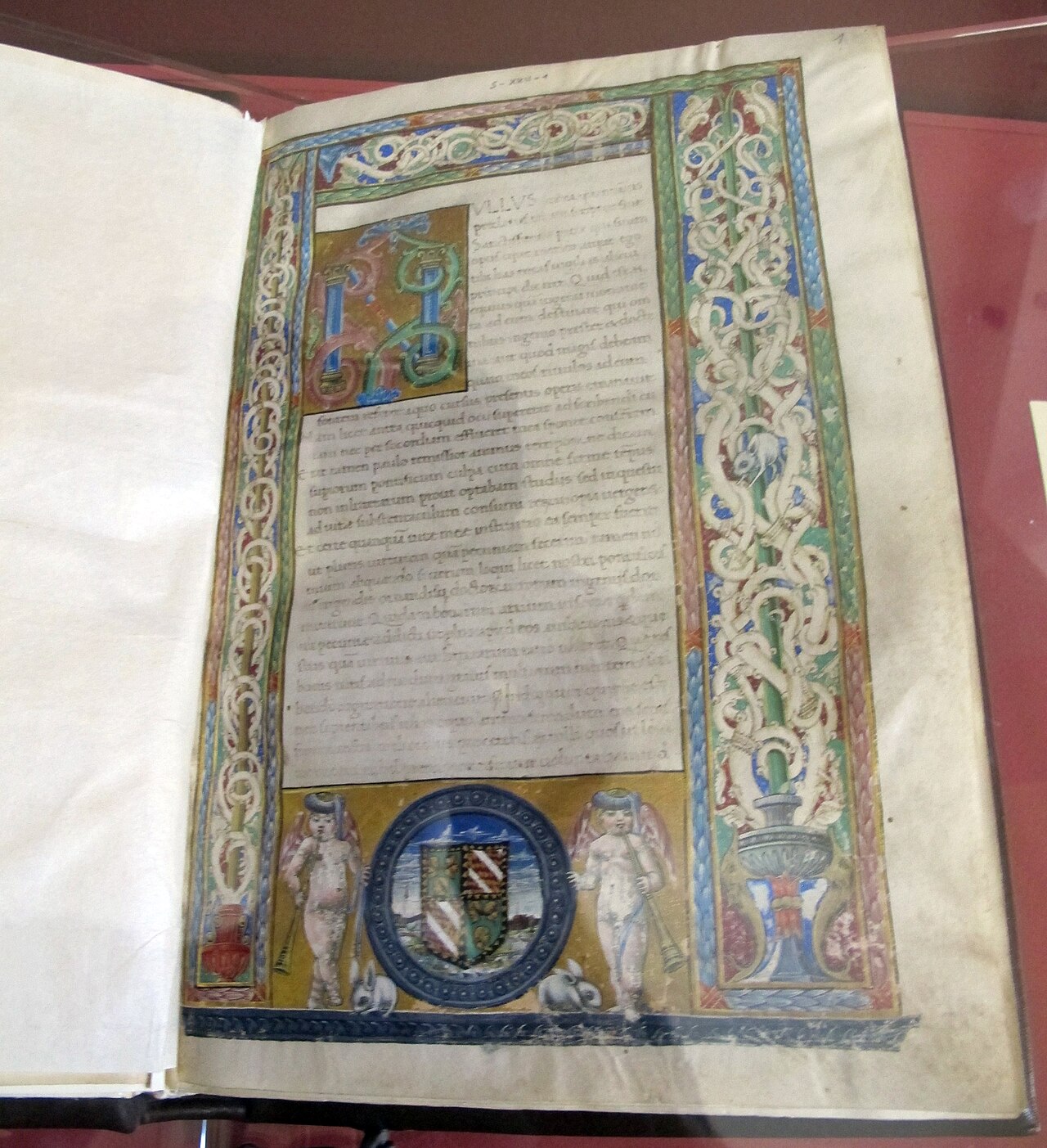
Bibliotheca Historica
Diodorus Siculus · 1st century BCE
Free account
Browse every Leonidas I source
Sign up free →
Ready when you are
Start chatting with Leonidas I now.
20 messages free · No credit card · Available in 50+ languages.