


Primary sourceSculptureearly 2nd century BC
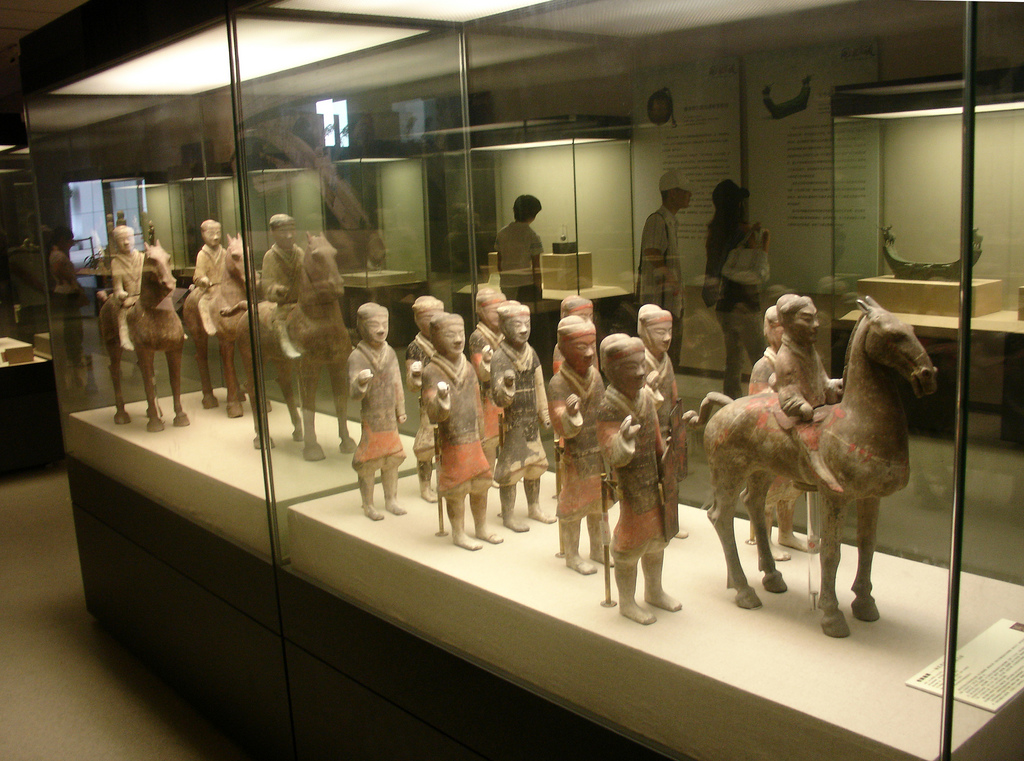
Yangjiawan Terracotta Figures
Han workshops · early 2nd century BC
Thousands of painted terracotta soldiers from an early Han tomb complex, likely belonging to one of Gaozu's generals, showing the military world of his dynasty.
These figures from a general's tomb near Gaozu's own tomb complex illustrate the military world that helped him found the Han dynasty.
About this source
What it is
About 2,500 painted terracotta soldier figures were found in a tomb at Yangjiawan, part of the Changling tomb complex, probably belonging to one of Emperor Gaozu's generals. They date to the early 2nd century BC and are now kept at the Xianyang Museum.
Why it matters
These figures show the military aristocracy that helped Gaozu found and secure the Han dynasty. Burying model soldiers with a general reflects the importance placed on military power and the afterlife in early Han society.
Look closer
- What details of the soldiers' equipment can you make out?
- Why might a general be buried with thousands of miniature soldiers?
- What does this tell us about how the early Han state organized its military?
This sculpture is part of the curated material that grounds the AI version of Liu Bang (Gaozu of Han) on Humy.ai — when students ask about related events, the AI can quote it and cite it.
More Liu Bang (Gaozu of Han) sources
Meet the AI Liu Bang (Gaozu of Han) →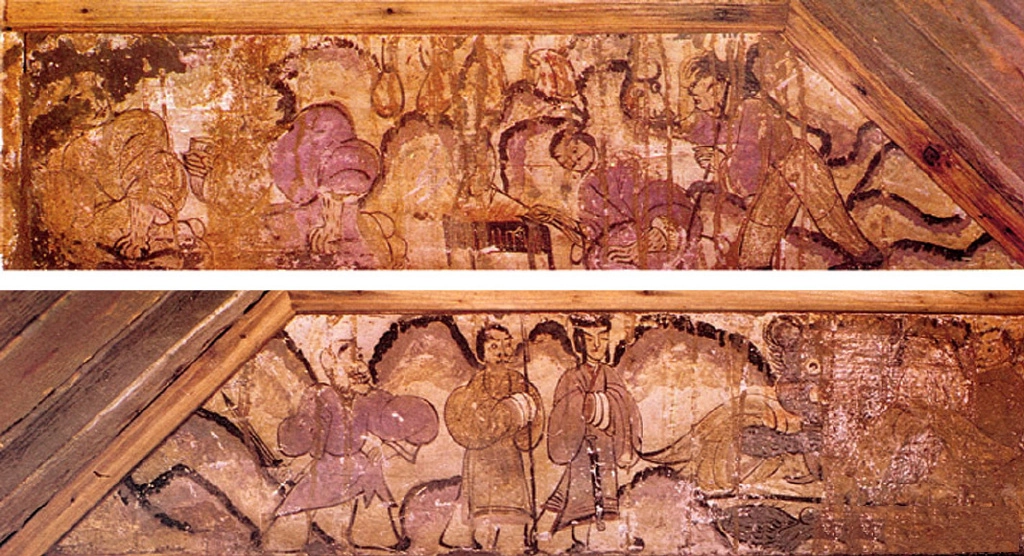 Painting
Secondary source
Feast at Hong Gate
Sima Qian (text); unknown painter (mural) · 206 BCE (event); mural Western Han period
 Book
Secondary source
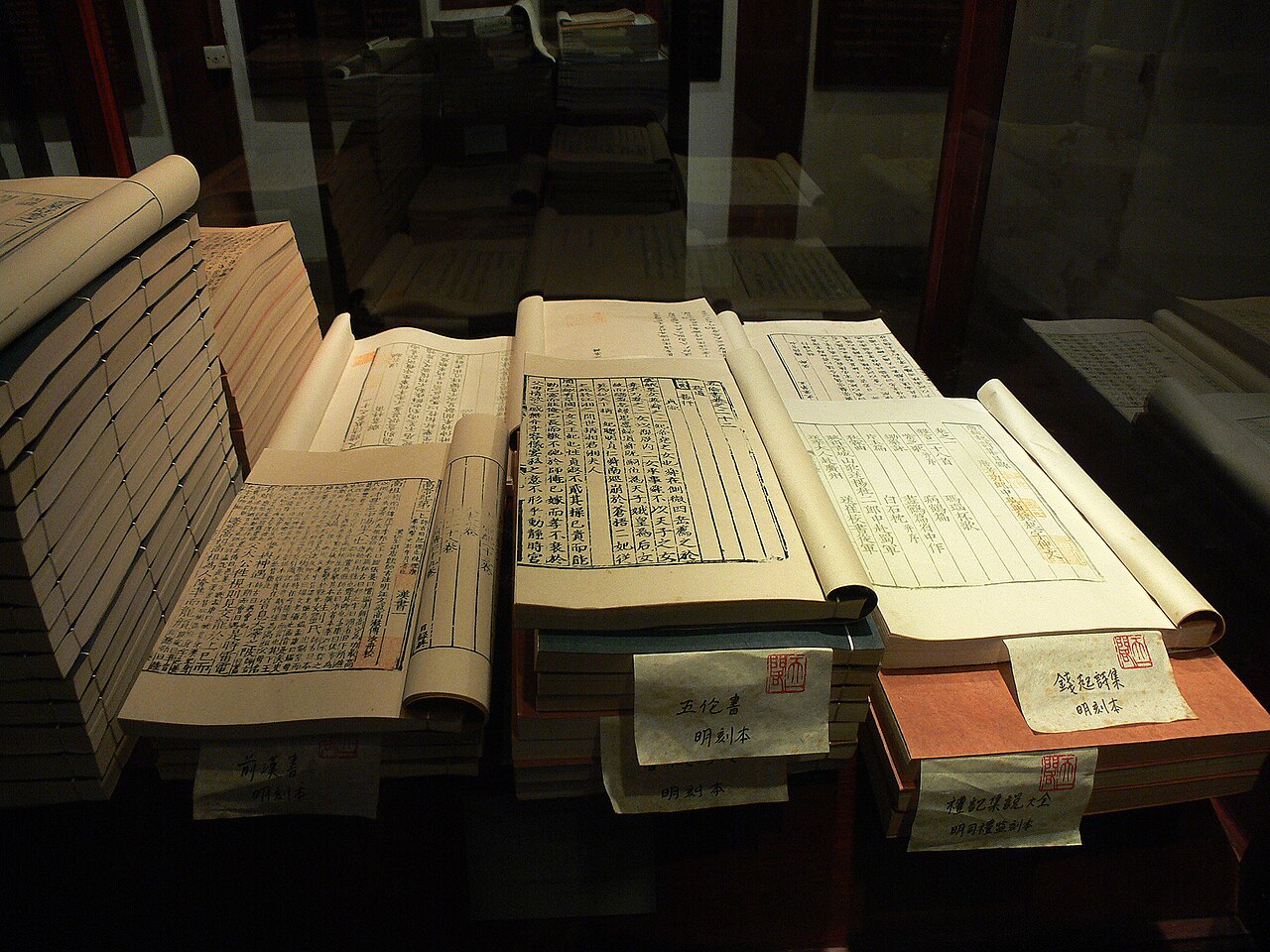
Book of Han
Ban Gu (with Ban Zhao and Ban Biao) · finished 111 CE
 Artifact
Primary source
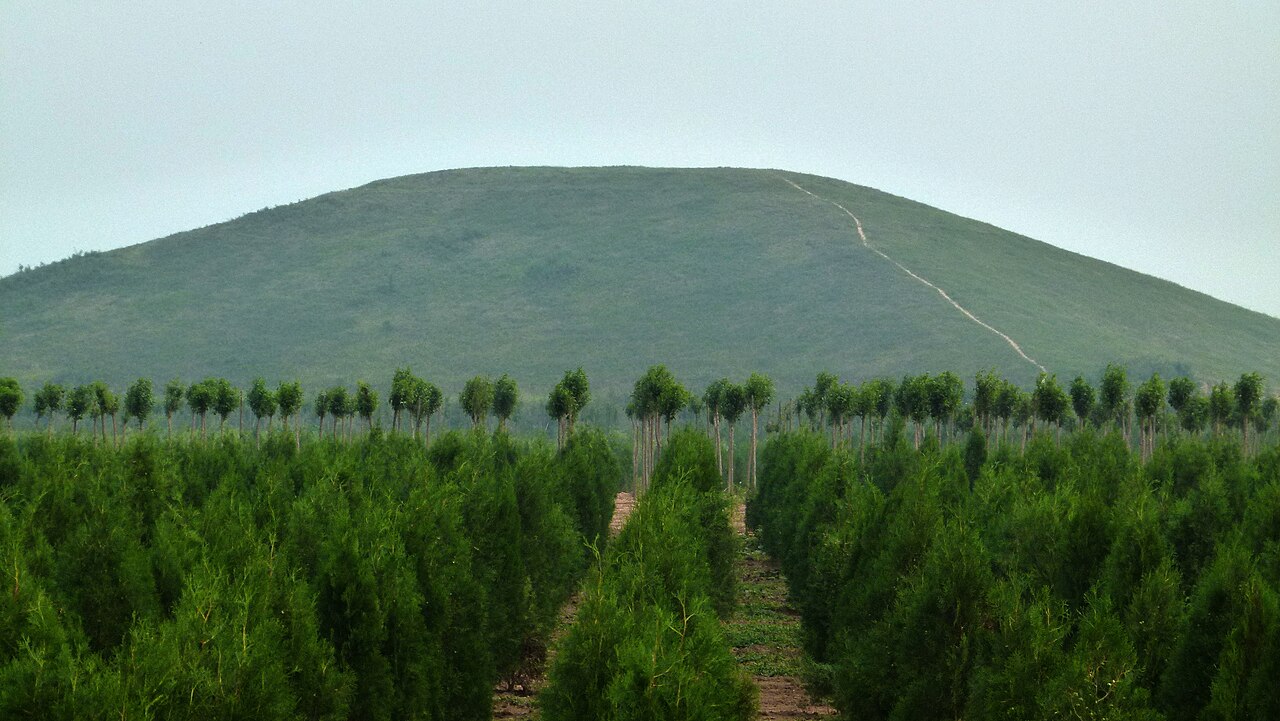
Changling Mausoleum of Emperor Gaozu
Han imperial court · c. 202–195 BC
 Document
Primary source
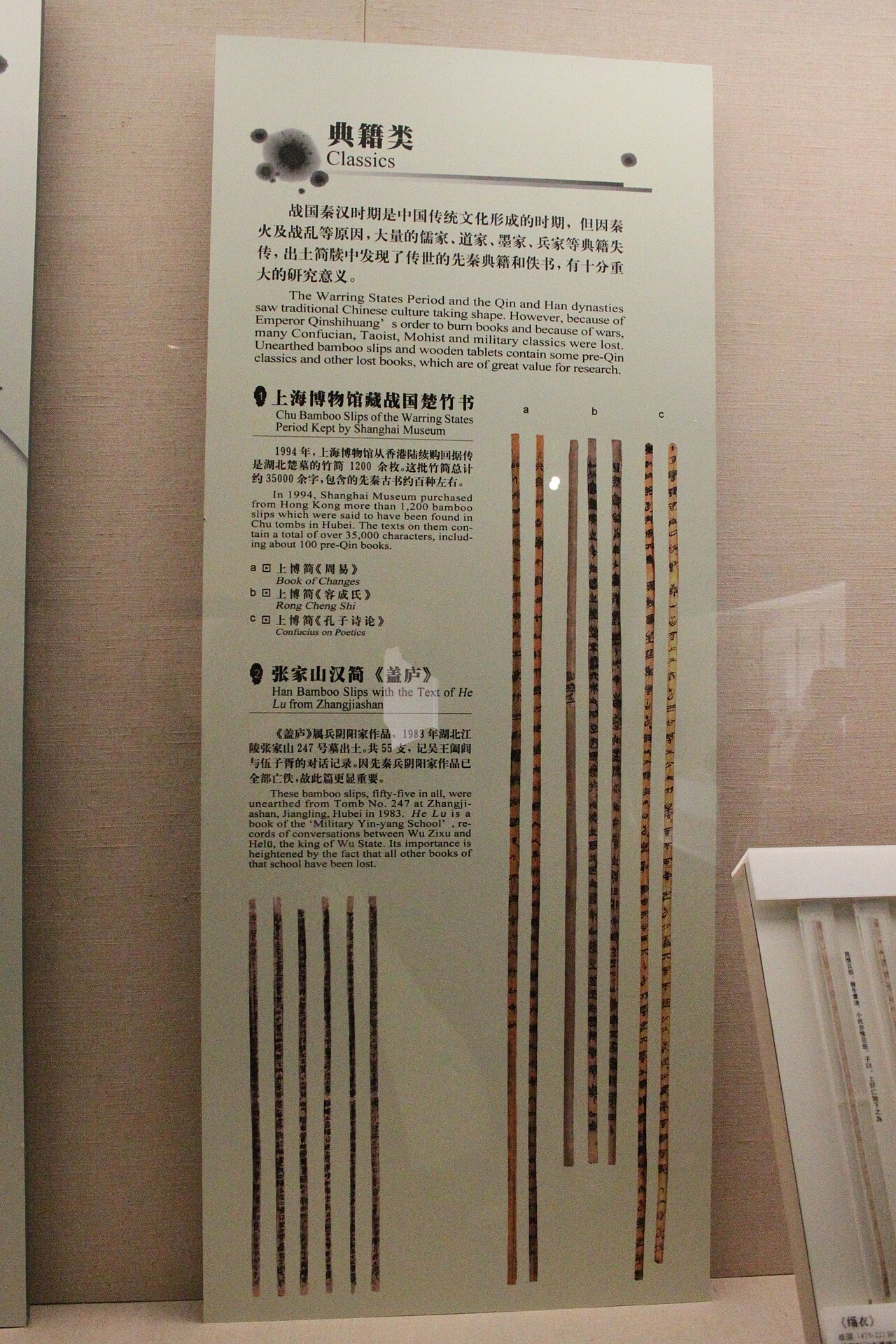
Zhangjiashan Han bamboo texts
Western Han officials · c. 202–186 BCE
 Artifact
Primary source
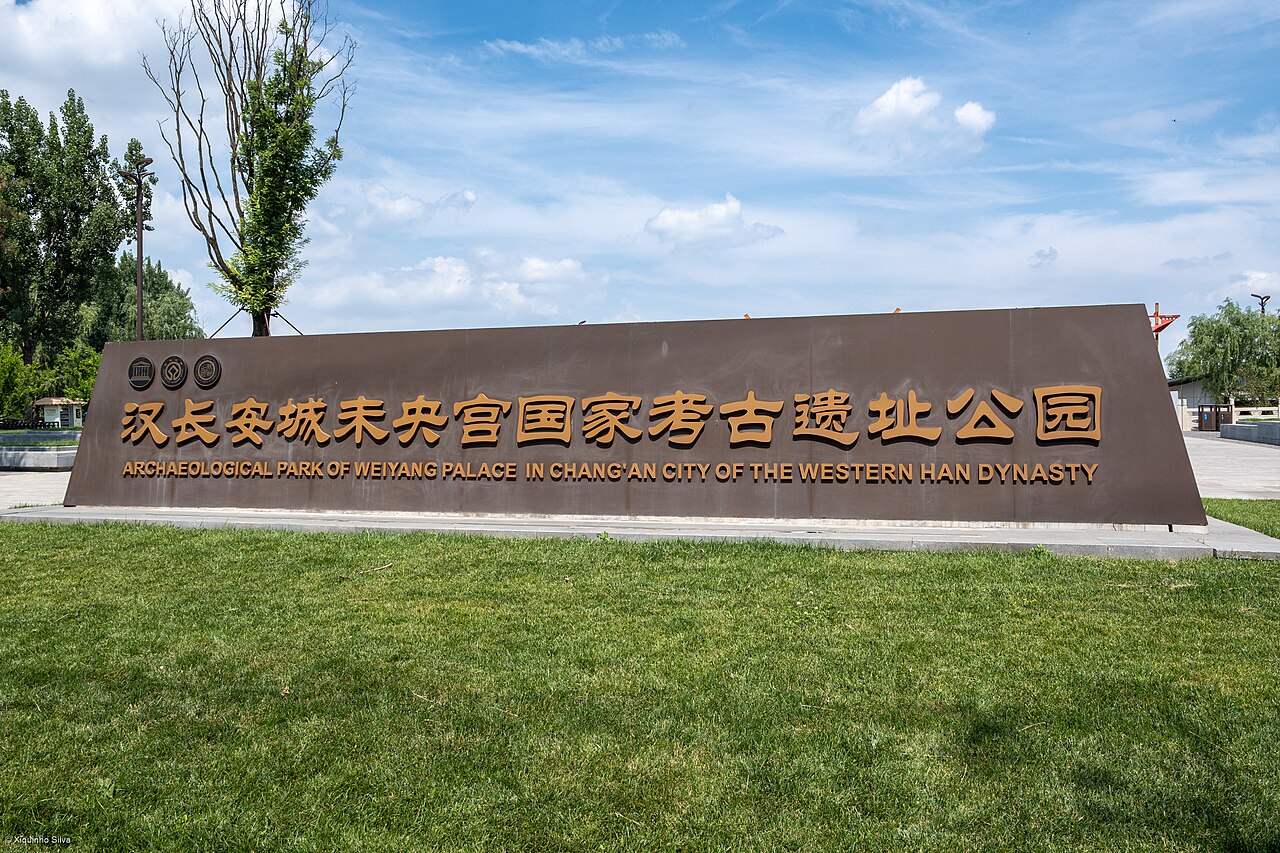
Weiyang Palace
Xiao He for Emperor Gaozu · 200 BC
Ready when you are
Start chatting with Liu Bang (Gaozu of Han) now.
20 messages free · No credit card · Available in 50+ languages.